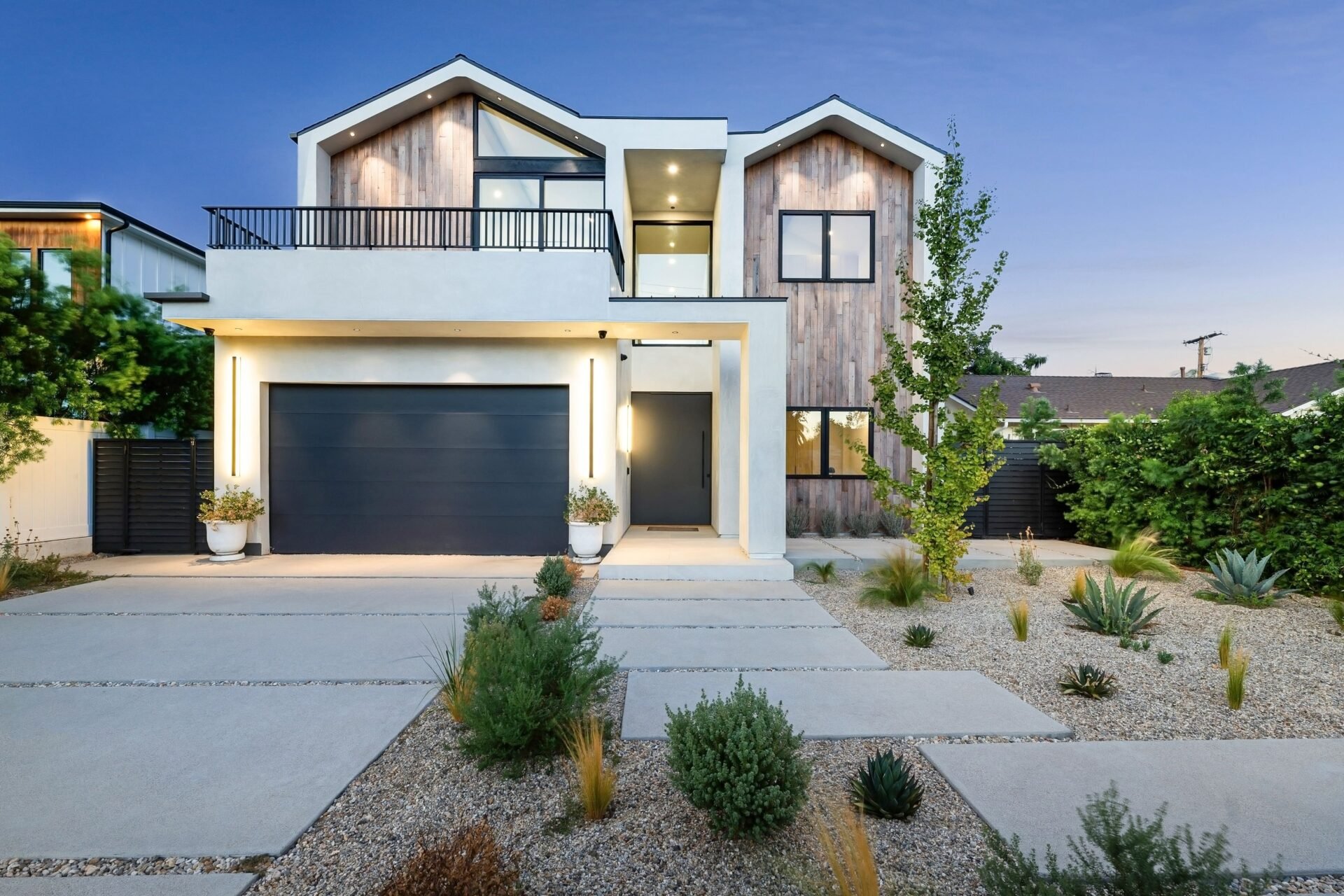
In Yelm, WA, homeowners deal with steady rain for much of the year, followed by dry summer spells that can stress yards and outdoor structures. Moss grows quickly on roofs, gutters clog with debris, and standing water often collects near foundations. Many residents also notice higher heating bills during long, damp winters.
These issues are common but not unavoidable. Smart exterior updates can reduce moisture problems, lower energy use, and reduce ongoing repairs. When you focus on practical improvements outside your home, you protect your property from local weather conditions while reducing waste. The goal is not to overhaul everything at once, but to make steady upgrades that work well in the local climate.
Choose Roofing That Lasts in Local Weather
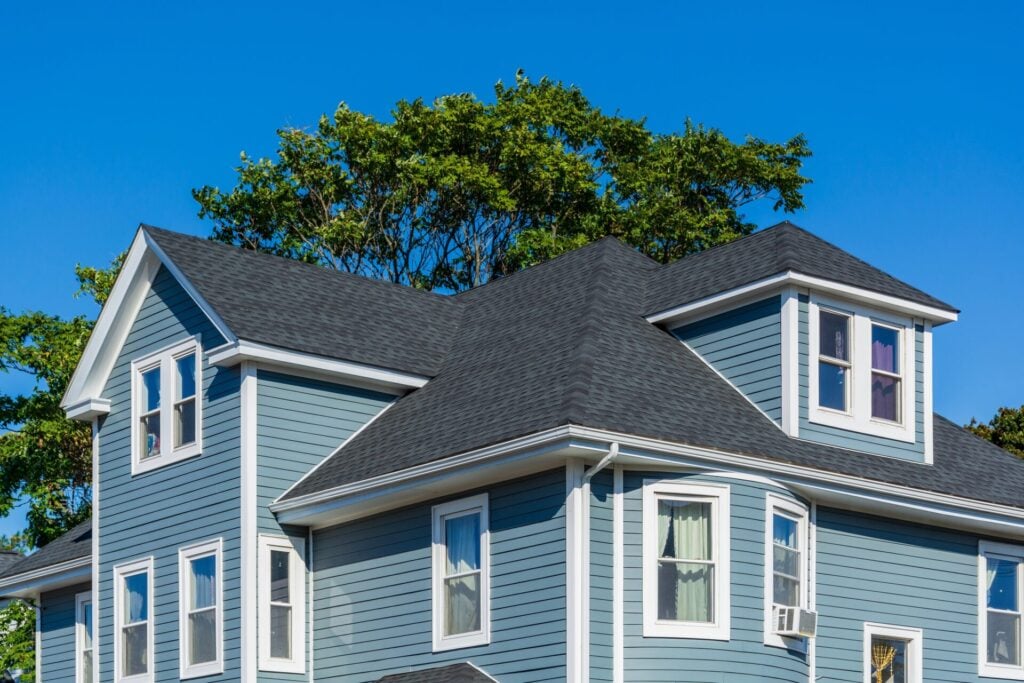
Your roof takes the most direct impact from rain and changing temperatures. If your roofing material breaks down quickly, you will face leaks, mold growth, and repeated repairs. Choosing durable materials helps you avoid frequent replacements and reduces waste over time. Metal roofing, high-quality asphalt shingles, and tile options often perform well in wet climates. Proper ventilation under the roof also matters.
Good airflow reduces trapped moisture and helps prevent mold. Regular inspections help you catch small problems early, such as lifted shingles or worn flashing. If damage becomes widespread, planning a timely roof replacement in Yelm can protect your home from ongoing moisture issues and improve long-term performance.
Collect and Reuse Rainwater at Home
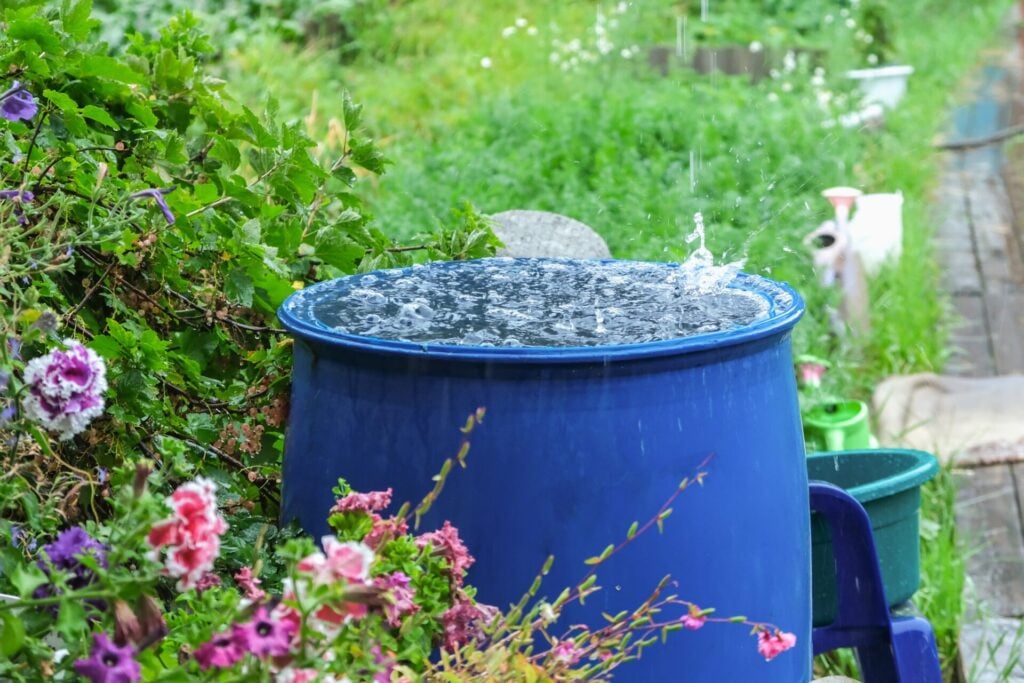
Rainwater collection makes practical sense in a place that receives frequent rainfall. Installing rain barrels under downspouts allows you to capture water that would otherwise run into storm drains. You can use this water for outdoor plants, lawn care, or washing tools. This simple system lowers your demand for treated water and helps manage runoff during heavy storms. Make sure you secure lids to prevent debris and insects from entering the barrel.
You should also check local rules before installing larger collection systems. Even a small setup can make a difference. By reusing rainwater, you make better use of natural resources without making major changes to your property.
Design Landscaping That Needs Less Water
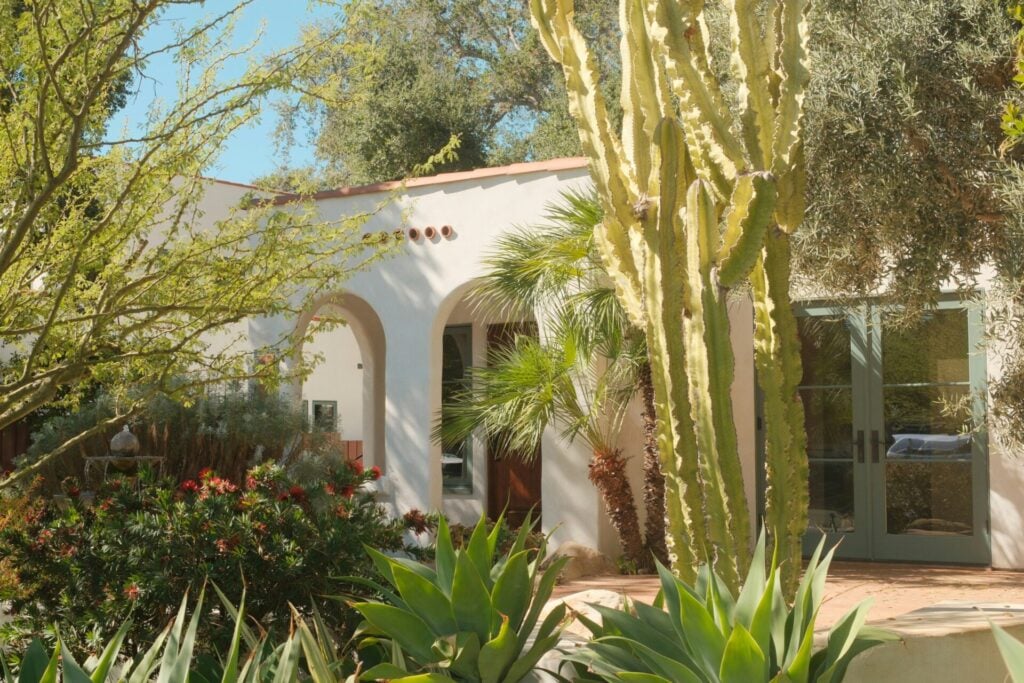
Traditional lawns often require frequent watering and chemical treatments to stay green. In Yelm, dry summer periods can make lawn care even more demanding. Replacing part of your lawn with native plants reduces water use and lowers maintenance time. Native species adapt well to local soil and rainfall patterns, so they require less attention once established. Adding mulch around plants helps retain moisture and reduces weed growth.
You can also group plants with similar water needs together to avoid overwatering. Reducing lawn size does not mean sacrificing curb appeal. Thoughtful landscaping creates a clean, attractive look while lowering water waste and ongoing maintenance costs.
Upgrade Outdoor Lighting for Energy Savings
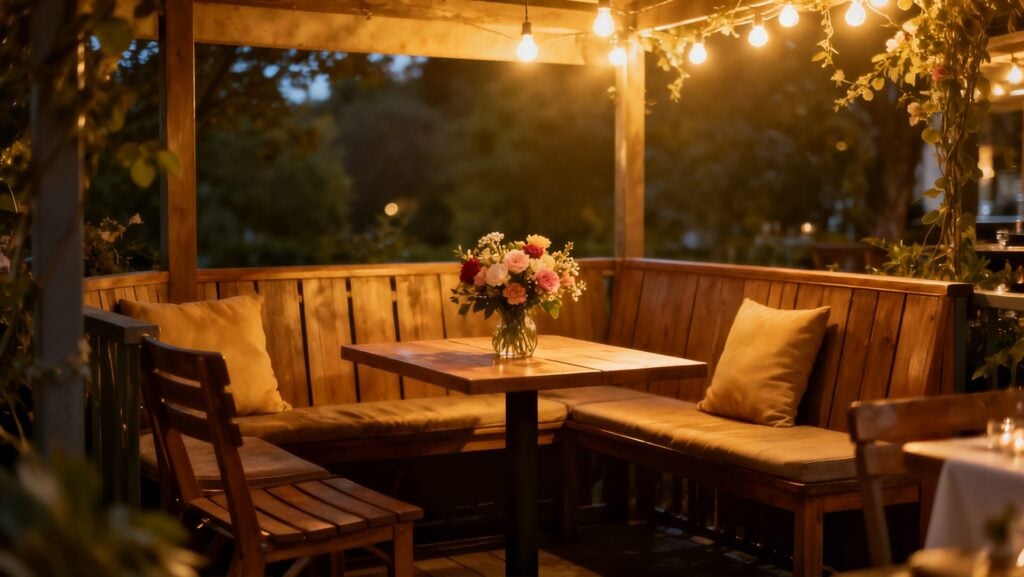
Exterior lighting improves safety and visibility, but outdated fixtures often waste electricity. Switching to LED bulbs reduces energy use and extends the life of each fixture. LEDs also produce less heat, which makes them safer for enclosed spaces. Motion sensors and timers prevent lights from running all night when they are not needed.
Solar-powered pathway lights offer another efficient option, especially in areas that receive steady daylight during summer months. When placing lighting, focus on entry points, walkways, and dark corners instead of flooding the entire yard with light. Smart lighting choices reduce energy bills and limit unnecessary power use without affecting security.
Replace Worn Siding with Durable Options
Old or damaged siding allows moisture to enter wall cavities. In a damp climate, that moisture can lead to mold growth and wood rot. Replacing worn siding improves insulation and protects the structure of your home. Fiber cement siding resists moisture, insects, and fire. Vinyl siding does not absorb water and requires little maintenance. Engineered wood products also offer better resistance to swelling than traditional wood. Choose materials that hold paint well or come prefinished to reduce repainting over time. Proper installation matters as much as the material itself. When siding fits tightly and includes correct flashing, it keeps water out and reduces future repair needs.
Seal Windows and Doors to Prevent Heat Loss

Small gaps around windows and doors allow warm air to escape during winter and let heat enter during summer. This forces heating and cooling systems to work harder. Sealing these gaps improves comfort and lowers energy use. Weatherstripping works well around movable parts of doors and windows. Caulk seals fixed joints and small cracks in exterior trim. Check for drafts on windy days or look for visible cracks in frames. Replacing damaged seals does not require major construction, yet it can make a clear difference. Inspect seals once a year, especially before colder months. Simple maintenance steps like these help reduce wasted energy and improve indoor comfort.
Use Permeable Materials for Driveways and Patios
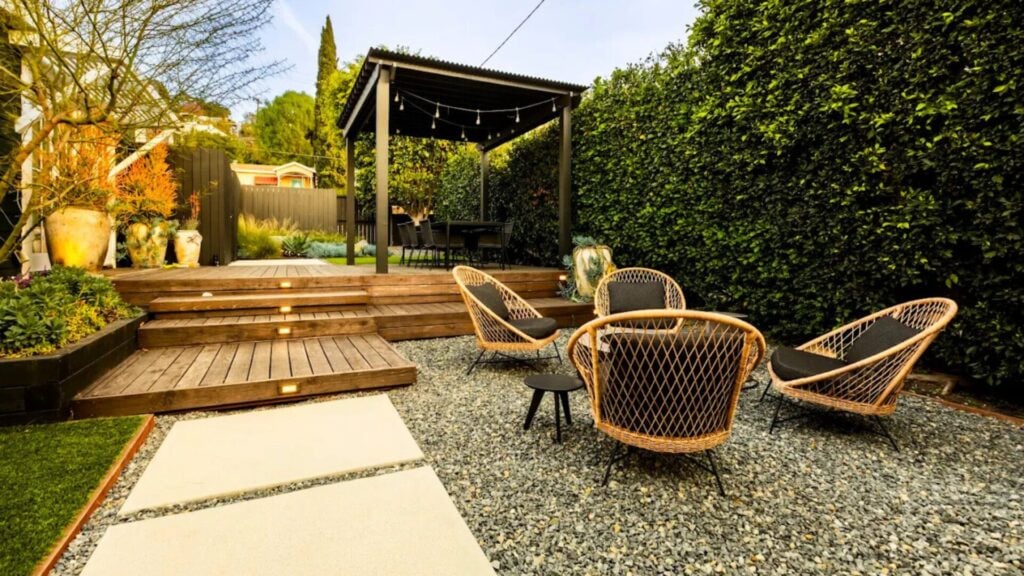
Traditional concrete and asphalt surfaces block water from soaking into the ground. During heavy rain, water runs off these surfaces and can carry debris into storm drains. Permeable pavers allow water to pass through small gaps and absorb into the soil below. This reduces pooling and helps recharge groundwater. Gravel driveways also support drainage when installed over a stable base. When planning a patio or walkway, choose designs that include space for water flow instead of sealing the entire surface. Proper grading ensures water moves away from the home. Using permeable materials helps manage rainwater more effectively and reduces pressure on drainage systems.
Build Decks with Long-Lasting Materials
Outdoor decks face constant exposure to moisture and sunlight. Untreated wood can warp, crack, or rot over time. Choosing long-lasting materials reduces the need for frequent repairs or full replacement. Composite decking uses recycled plastic and wood fibers and resists moisture damage. Pressure-treated lumber offers better resistance to decay than untreated wood, though it still requires maintenance. If you prefer natural wood, choose certified sources that follow responsible forestry practices. Proper sealing and regular cleaning extend the life of any deck material. Build only the size you need to limit material waste. A well-built deck lasts longer and reduces the demand for new resources.
Creating a more sustainable home exterior does not require major construction or large investments all at once. Thoughtful choices in roofing, siding, drainage, lighting, and landscaping work together to improve durability and efficiency. When you focus on long-lasting materials, water management, and energy savings, you reduce waste and lower long-term costs. Consistent maintenance protects the improvements you make. Each practical step adds value to your home while reducing its environmental impact. Over time, these steady changes create an exterior that performs better in every season.