

Rising academic pressure, social challenges, and the lingering effects of recent disruptions have made emotional well-being a clear priority in modern schools. Administrators understand that students cannot focus on learning when they feel overwhelmed, isolated, or anxious. As a result, schools are building structured systems that place student wellbeing at the centre of the educational experience.
Improvement efforts go beyond surface-level programs. Districts are rethinking staffing models, redesigning student spaces, and embedding emotional learning into daily instruction. Conversations about stress, anxiety, and coping strategies are becoming part of regular school culture.
Expanded School Counseling Teams
One of the clearest changes is the growth of school counselling teams. Many districts are hiring additional counsellors, psychologists, and social workers to reduce overwhelming caseloads. When one counsellor is responsible for hundreds of students, meaningful support becomes difficult. Lower ratios allow professionals to spend more time listening, identifying patterns, and offering consistent follow-up.

Expanded teams also create space for specialisation. Some counsellors focus on academic planning, while others address emotional or behavioural concerns. Students benefit from having access to professionals who can address specific needs rather than handle every issue under one umbrella.
Professional Development Pathways for Staff
Staffing expansion requires more than external recruitment. Districts are investing in long-term workforce development to strengthen student wellbeing support teams and address counsellor shortages. A master’s degree is the standard credential for school counsellors, which places graduate education at the centre of meaningful expansion. These programs cover child development, assessment, ethics, crisis response, and supervised fieldwork in real school settings.
Education leaders are encouraging aspiring student support professionals to enroll in online Master’s in School Counseling programs to strengthen campus mental health services and improve overall student wellbeing. This helps strengthen mental health services in schools while making advanced training more accessible and sustainable. Southeastern Oklahoma State University’s online Master of Education in School Counseling program is one example of this type of pathway. The program is designed to prepare candidates for certification while offering flexible online coursework suited for working professionals.
On-Campus Wellness Centers
Physical space plays a powerful role in shaping student wellbeing and how young people experience support at school. Many campuses are creating dedicated wellness centres designed to provide a calm, welcoming environment where students can decompress, regulate their emotions, and seek help without stigma. These spaces offer far more than a quiet room, often featuring comfortable seating, soft lighting and access to trained staff who can guide students through coping techniques.

Wellness centers serve as a visible reminder that mental health matters. Students who may hesitate to visit a counselor’s office sometimes feel more comfortable entering a space labeled for relaxation or stress management. The setting reduces stigma and encourages early intervention before concerns escalate.
Partnerships With Community Providers
Schools recognise that internal resources, while essential, cannot address every need. Partnerships with community mental health providers expand access to specialised care. Local therapists, social service agencies, and healthcare organisations collaborate with schools to provide on-site or referral-based services.
Clear coordination ensures that students receive consistent support. When a school counsellor identifies a need for more intensive therapy, established partnerships reduce waiting periods and streamline referrals. Communication between providers helps maintain continuity while respecting privacy guidelines.
Social Emotional Learning in Core Curriculum
Emotional wellbeing is no longer being addressed solely through counselling offices. Schools are increasingly integrating social-emotional learning into the core curriculum to support student wellbeing and help young people develop essential life skills alongside academic achievement. Lessons focused on empathy, conflict resolution and emotional regulation are now appearing in classrooms across multiple grade levels.
Teachers guide students through structured discussions about feelings, decision-making, and peer relationships. Role-playing exercises and reflective writing activities give students space to practice communication skills. Consistent language around emotions helps create a shared framework that students can rely on during challenging moments.
Family Engagement and Education
Strong mental health support does not end when students leave campus. Schools are placing greater emphasis on family engagement to strengthen student wellbeing and ensure young people receive consistent support both at home and in the classroom. Parents and caregivers are often the first to notice subtle shifts in behaviour, mood or motivation, making their involvement an essential part of early intervention.
Workshops and information sessions help families understand common stressors facing students today. Counselors share practical guidance on recognizing warning signs, starting supportive conversations, and responding calmly during difficult moments. Resource guides connect families with local services, crisis lines, and online tools.
Digital Tools and Teletherapy Access
Technology has become a valuable extension of school-based support. Digital screening tools allow students to complete confidential check-ins that help staff identify patterns related to stress, anxiety, or social challenges. Early insight enables counselors to reach out before concerns grow more serious.
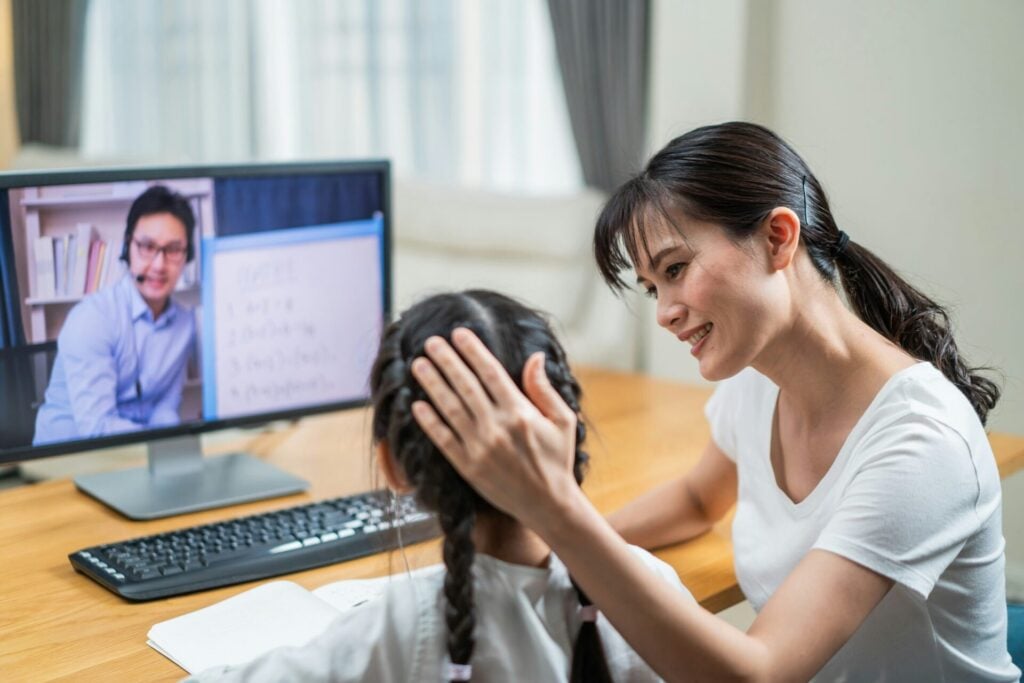
Teletherapy options are expanding access to licensed professionals, especially in districts where in-person staffing remains limited. Students can connect with counsellors through secure platforms during designated school hours. Virtual sessions reduce scheduling barriers and provide flexibility for students who may feel uncomfortable seeking help in visible spaces.
Early Identification and Tiered Support Systems
Proactive support is becoming a key part of improving student wellbeing, with schools placing greater focus on identifying emotional struggles before they escalate into crises. Structured support frameworks are helping staff recognise early signs of distress, while regular screenings, teacher observations and student self-assessments offer a clearer picture of the overall emotional climate on campus.
Tiered systems organise support into levels based on need. Universal strategies, such as social-emotional lessons and classroom check-ins, serve all students. Targeted interventions, including small group counseling, assist those showing emerging concerns. Intensive services are available for students requiring individualized plans or outside referrals.
Schools are approaching mental health and student wellbeing with greater intention and structure than ever before. Expanded counselling teams, professional development pathways, wellness centres, community partnerships, and integrated social-emotional learning reflect a coordinated effort to meet students where they are. Family engagement, digital access, and tiered intervention systems strengthen that foundation.
Student well-being is no longer treated as a side issue. It is recognized as central to academic progress and long-term growth. Comprehensive strategies create environments where students feel seen, supported, and equipped with tools to navigate challenges. Continued investment in these areas signals a lasting commitment to nurturing both the minds and the emotional health of the next generation.