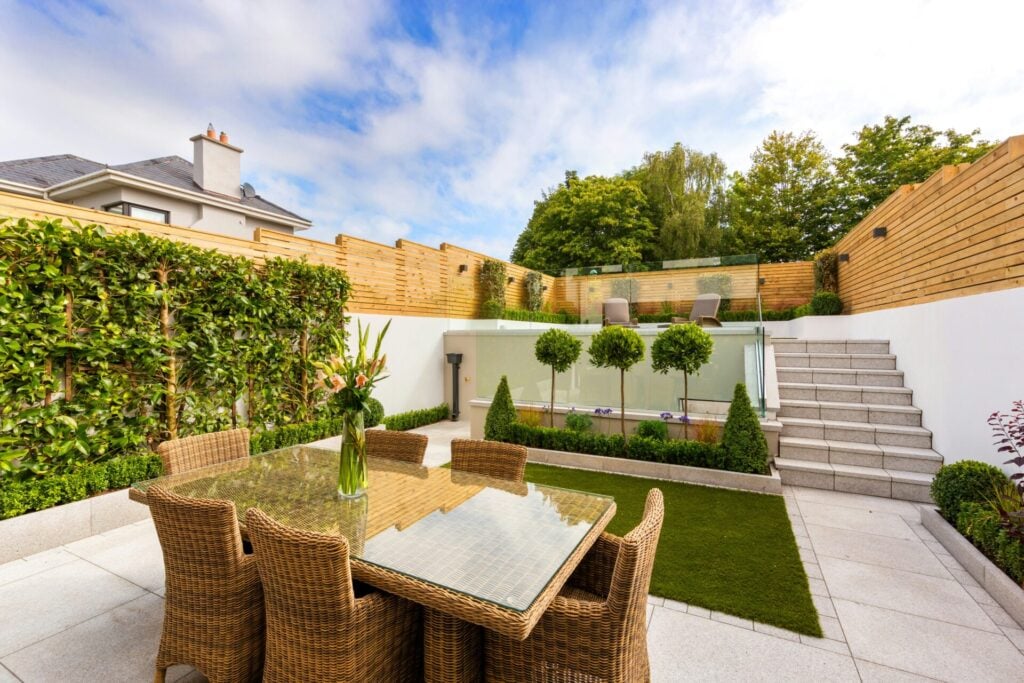
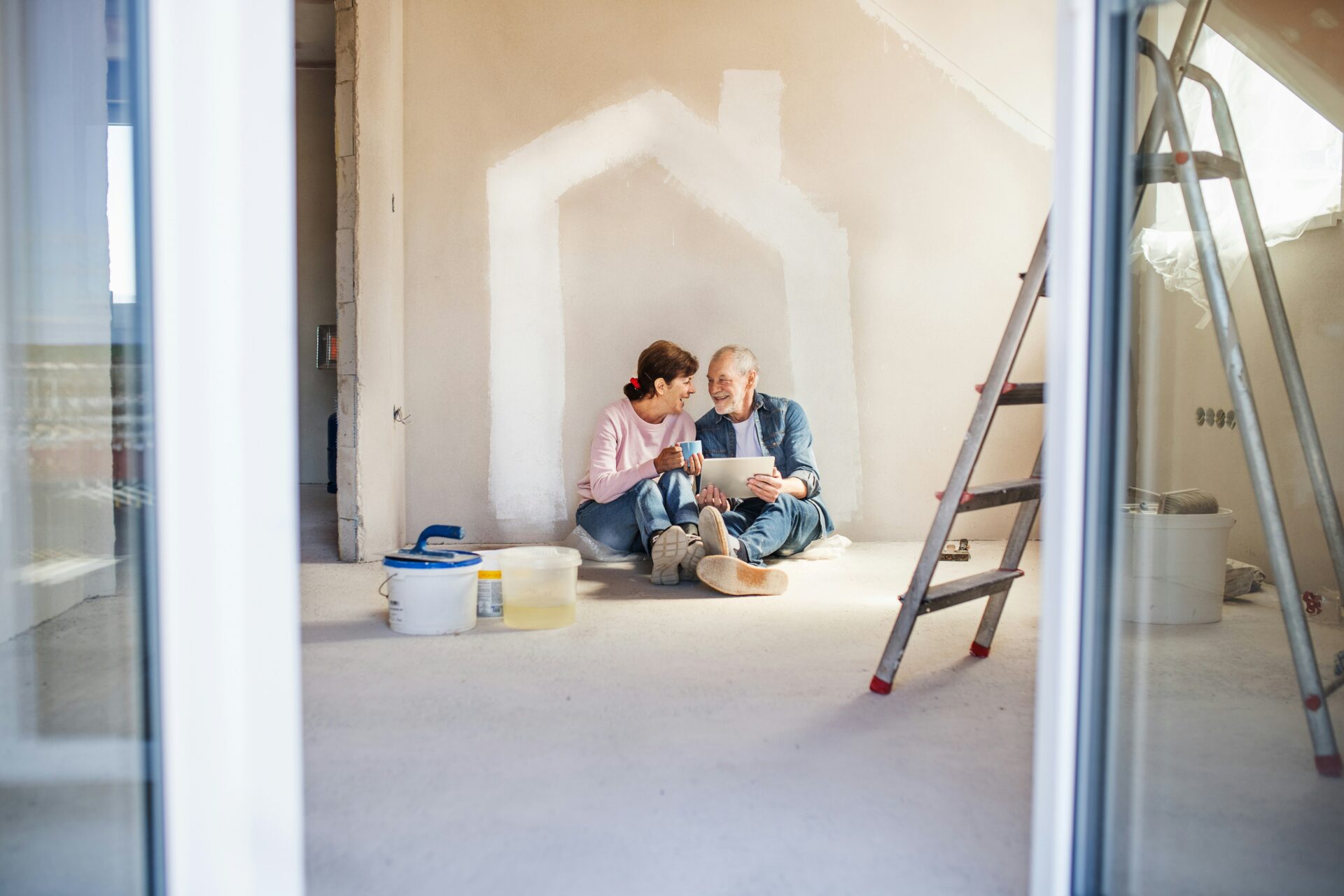
When you think about improving your home, it’s easy to focus on what looks good right now. Fresh paint, updated fixtures, or fashionable finishes can make a space feel new, but they don’t always support how you’ll live in the home over time – or how efficiently it uses energy and resources. Long-term living is about more than appearance, it’s about comfort, safety, efficiency, and peace of mind, today and years from now.
As life changes, your home needs to change with it. Whether that means adapting to new work routines, planning to stay put for longer, or simply wanting fewer repairs, waste, and unexpected costs, thoughtful improvements can make a meaningful difference, for daily living and environmental impact.
By focusing on improvements that support long-term living, you create a home that consumes less, lasts longer, and feels dependable and easier to maintain, no matter what the future brings.
How Smart Structural Upgrades Improve Comfort Over Time
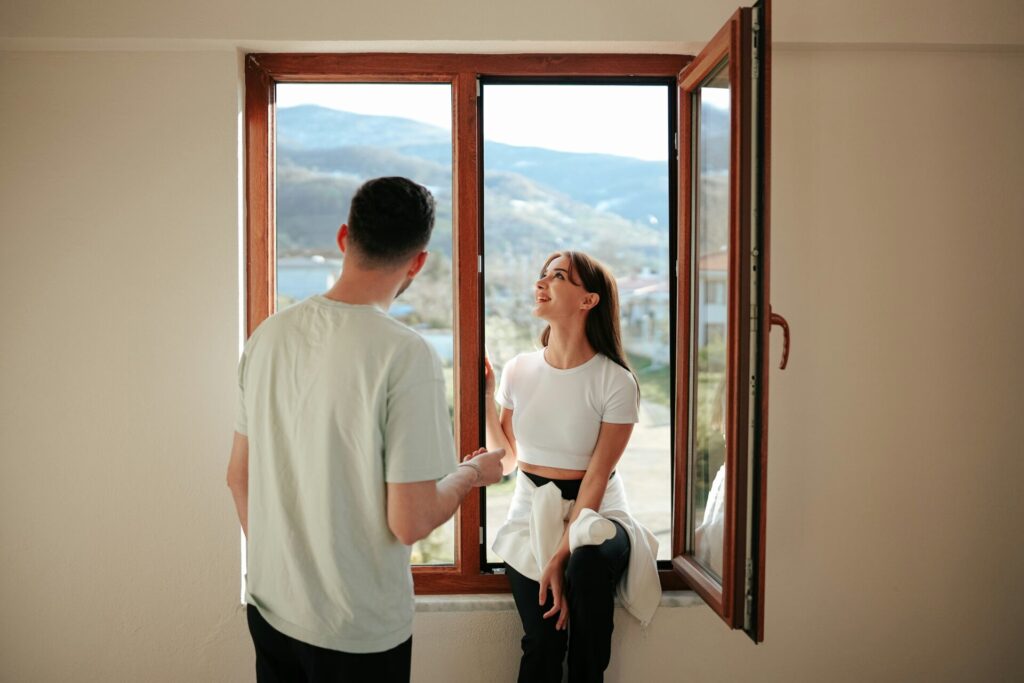
Some of the most important improvements for long-term living homes are the ones that help protect it from the elements, improve energy efficiency, and maintain comfortable indoor conditions.
Older homes, in particular, can struggle with temperature changes, drafts, and outside noise. Over time, these issues don’t just affect your comfort, they increase energy use and add stress to daily living. If improving indoor comfort, energy efficiency, and protection from harsh weather is part of your long-term plan, investing in window replacement can help create a more secure home by upgrading outdated windows with modern designs built for durability and insulation.
Designing a Home That Adapts to Changing Needs
Homes are not static spaces. Your needs today may look very different from your needs five or ten years down the line. As work-from-home routines, family dynamics, or personal mobility change, you need a home that adapts easily. Wide walkways, easy access to frequently used spaces, and layouts that flow naturally. These design choices aren’t necessarily about preparing for worst-case scenarios, but they can make everyday living easier.
Energy Efficiency as a Long-Term Living Strategy
Energy efficiency plays a major role in how comfortable and affordable your home is to live in over time. Homes that hold temperature well and reduce strain on heating and cooling systems tend to feel more consistent and predictable. Instead of dramatic temperature swings or constant adjustments, efficient homes maintain balance and help control ongoing costs. Over the long term, fewer energy demands mean less wear on systems and fewer unexpected expenses.
Comfort and Safety as Everyday Priorities

Comfort and safety are closely connected, especially in a home designed for long-term living. Small frustrations, like difficult locks, poor lighting, or a noisy environment, can slowly chip away at the enjoyment of your space. Thoughtful improvements like clear sightlines, reliable entry points, and quiet interiors, reduce these daily annoyances. These changes don’t need to be noticeable to guests to be valuable to you.
Low-Maintenance Upgrades That Reduce Long-Term Stress
Maintenance demands can become one of the biggest challenges of long-term homeownership. Surfaces that require constant care, frequent repairs, or specialised upkeep can add unnecessary stress over time. Materials that resist wear, weather, and daily use help keep your home looking and functioning well with less effort. Fewer repairs mean fewer interruptions and less time spent worrying about what might break next.
How Home Improvements Support Aging in Place
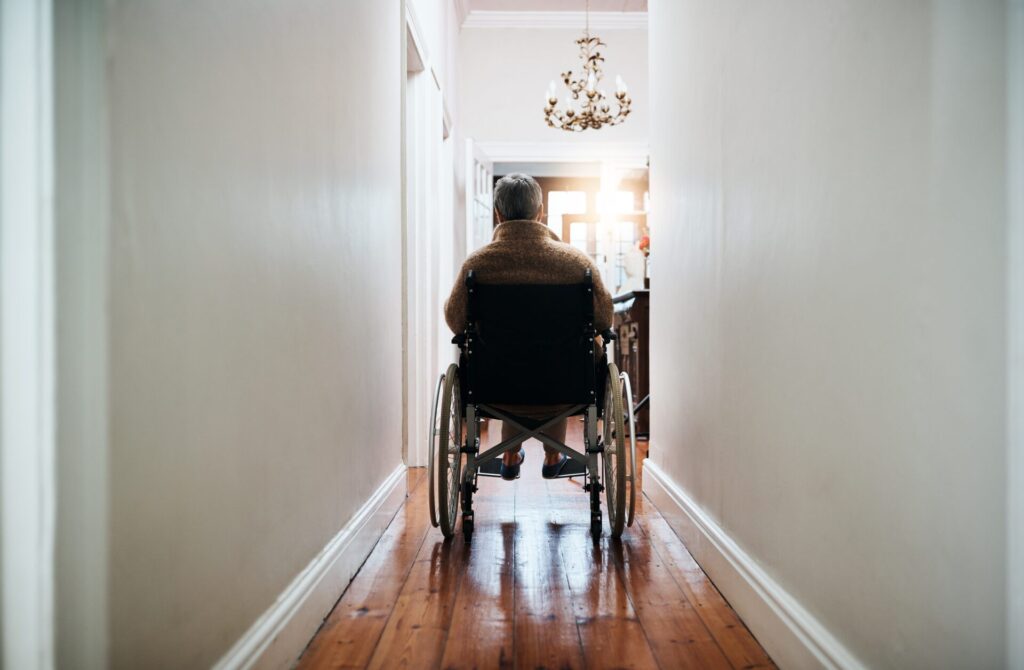
Planning to stay in your home longer doesn’t mean giving up style or comfort. Aging in place is about maintaining independence and ease at every stage of life. Simple changes such as improving lighting in hallways and stairwells or choosing lever-style door handles over knobs, can make everyday movement feel safer and easier.
Other thoughtful upgrades, like non-slip flooring, step-free entrances, or well-placed storage that doesn’t require reaching or bending, help ensure your home remains welcoming and functional as needs change. These improvements benefit everyone, not just those planning far ahead.
Avoiding Short-Term Fixes That Don’t Last
One common mistake homeowners make is focusing on quick fixes that look good but don’t address deeper issues. Cosmetic updates can be appealing, but they often fail to improve how the home actually functions. Short-term fixes may need to be repeated or repaired, leading to higher costs and frustration over time. Thoughtful improvements focus on function first, ensuring that changes last and continue to add value.
Planning Improvements With the Future in Mind
Long-term living starts with planning. Instead of tackling upgrades randomly, it helps to think about what will matter most in the years ahead. Prioritizing improvements that protect comfort, safety, and efficiency allows you to build a clear plan. Budgeting for lasting upgrades may take more time upfront, but it often saves money and stress later. Planning also reduces disruption, allowing improvements to be made thoughtfully rather than reactively.
A home that supports long-term living doesn’t rely on flashy upgrades or constant renovations. It’s built on thoughtful choices that improve comfort, safety, and reliability over time. By focusing on structural improvements, energy efficiency, adaptability, and low maintenance, you create a space that works for you year after year.