Losing a tooth can affect far more than your smile. From enjoying your favourite foods to speaking confidently, even a single missing tooth can make everyday activities surprisingly difficult. While modern dentistry offers several options for a tooth replacement, choosing the wrong treatment or living with a poorly fitted replacement can create problems of its own.
Whether you’re considering dental implants, bridges or dentures, finding a solution that fits comfortably and supports your natural bite is essential for protecting your long-term oral health.
Why Replacing Missing Teeth Matters
Every tooth plays a part in keeping your mouth functioning properly. Together, your teeth help you chew, speak and maintain the natural alignment of your jaw.
When a tooth is lost, neighbouring teeth may gradually shift into the empty space, potentially affecting your bite and making certain areas harder to clean. Over time, this can increase the risk of further dental problems.
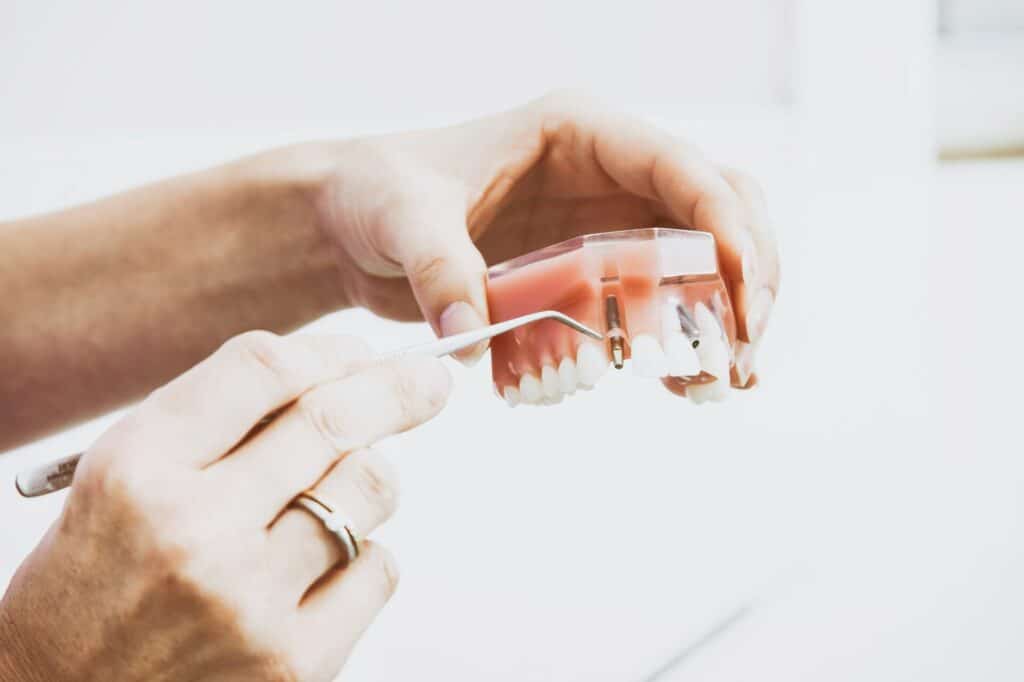
A successful tooth replacement can help prevent these complications, but the treatment needs to be carefully planned. A bridge that doesn’t fit correctly, a loose denture or a poorly positioned restoration can create discomfort rather than solve it.
For people exploring dental implants in Joplin, a thorough dental examination is an important first step. Your dentist will assess your remaining teeth, gum health, jawbone and bite before recommending the most suitable treatment.
Difficulty Eating and Chewing
One of the first signs that a tooth replacement isn’t fitting properly is discomfort while eating. If the restoration doesn’t fit properly with your natural teeth then the biting forces will be distributed unevenly in the mouth which can make biting down on harder foods quite uncomfortable. Loose dentures are also very likely to move about during the course of a meal.
Some people start to avoid foods such as nuts or crunchy vegetables because they find chewing difficult. Over time, this can reduce the range and quality of the foods in their diet. A properly fitted replacement can help you return to comfortable chewing and enjoy a wide range of foods without unnecessary pain.
Changes to Speech and Pronunciation
Our teeth do more than just help us to eat. They’re also vital to speech, working with the tongue and lips to produce certain sounds. When you have missing teeth or a replacement that isn’t quite right, it can change the way you speak. You might pick up a slight whistling sound or have trouble with certain letters.
Loose dentures can be especially frustrating if they move during conversations, leaving the wearer feeling distracted or self-conscious. Although it does take a bit of time to get used to a new tooth replacement, ongoing speech difficulties shouldn’t be dismissed. In most cases, a dentist can make minor tweaks to improve the fit and get you back to clear speech.
Jaw Pain and Headaches
Your upper and lower teeth are designed to meet in a balanced way when you close your mouth, but if your tooth replacement isn’t fitted correctly, it can disrupt this and place extra pressure on teeth and surrounding muscles.

Over time, it could cause jaw soreness, facial tension or pain when chewing. Some people might also have headaches associated with the muscle strain that are particularly noticeable when eating firmer foods or jaw clenching.
However, jaw pain and headaches can have several causes, so it’s important to have symptoms that don’t go away professionally assessed rather than assuming your tooth replacement is to blame. A dentist can examine your bite, identify uneven contact between teeth and determine whether adjustments are needed.
Damage to Surrounding Teeth and Gums
A poorly fitted tooth replacement doesn’t just affect the missing area; it can also place unnecessary strain on neighbouring teeth. For example, an incorrectly positioned crown or bridge may create uneven pressure while chewing, and poorly fitting restorations can make certain areas of the mouth hard to clean.
Food particles and bacteria can also accumulate around these spaces, increasing the risk of gum inflammation and tooth decay. If left untreated, these problems can eventually compromise the health of the teeth supporting the tooth replacement.
Good daily oral hygiene is absolutely essential, particularly around the bridges and implants where you may well be advised to use additional cleaning tools. Regular dental visits also allow any potential problems to be picked up before they become anything more serious.
The Importance of Jawbone Health
One consequence of tooth loss that isn’t immediately visible is the gradual deterioration of the surrounding jawbone. Natural tooth roots help stimulate the bone through the forces generated when we chew. When a tooth is lost, that stimulation disappears, and the bone in the affected area can gradually shrink.

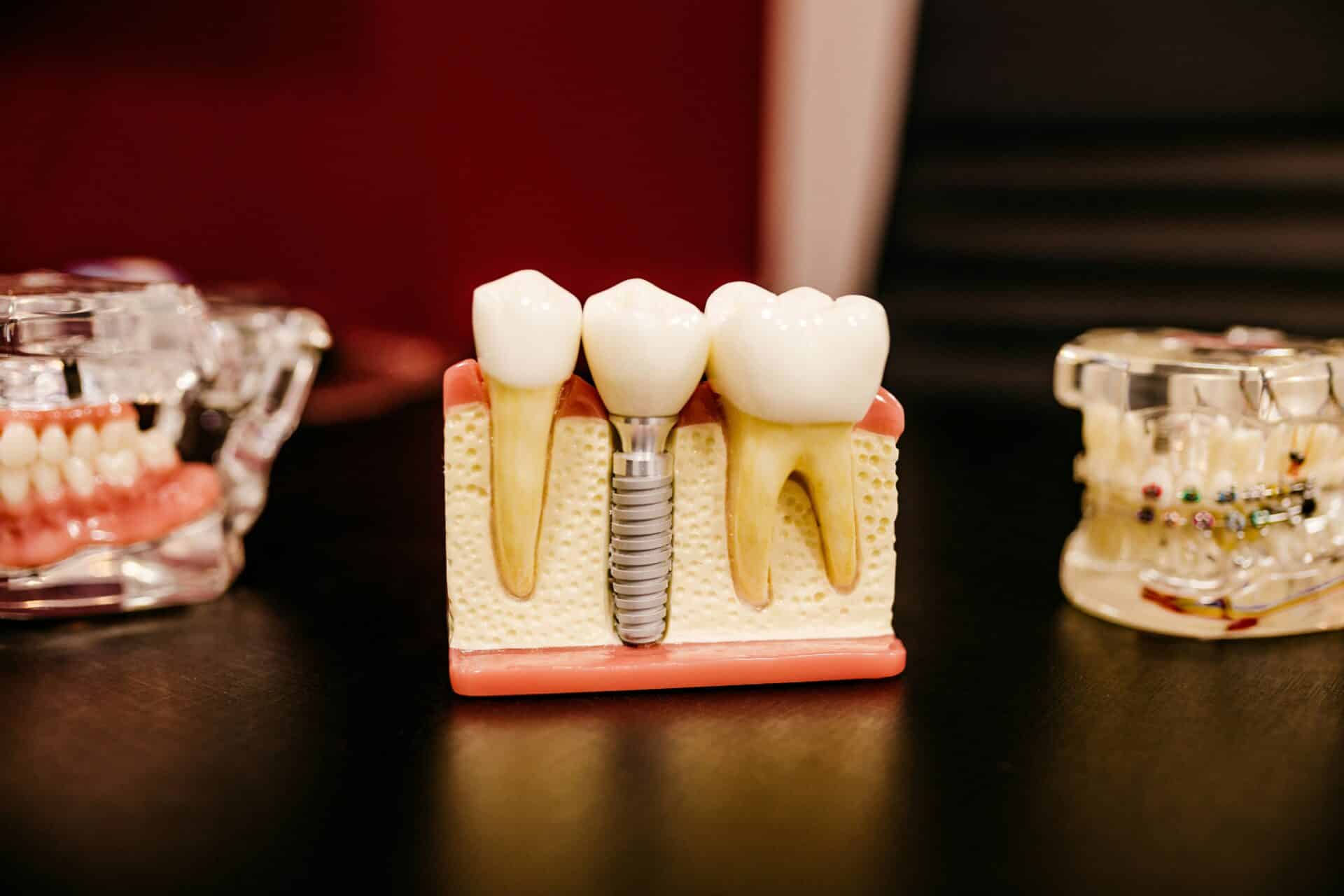
Traditional dentures and bridges replace the visible portion of missing teeth but don’t directly replace their roots. Dental implants work differently. They are positioned within the jawbone and, when successfully integrated, can help maintain the surrounding bone by transferring chewing forces into it.
However, implants aren’t suitable for everyone. Healthy gums, sufficient bone support and overall oral health all influence whether treatment is appropriate. For people who have been missing teeth for several years, bone loss may also make implant placement more complicated, sometimes requiring additional procedures. This is why it can be beneficial to get professional advice as early as possible.
The Impact on Confidence
Dental problems aren’t necessarily physical. Missing teeth, or teeth that are just not right, can have a big effect on how you feel about yourself. Someone wearing loose dentures could worry about them moving while speaking or eating in public, while others might be reluctant to smile or laugh because they feel self-conscious about their teeth.
A well-designed tooth replacement should do more than look natural. It should also feel secure, function comfortably and allow you to go about your day without constantly thinking about your teeth.
Caring for Your Dental Replacement
Even the best dental restoration requires ongoing care. Brushing twice daily, cleaning between teeth and following any specific instructions provided by your dentist can help protect both your replacement and the surrounding tissues.
Depending on your treatment, you may need interdental brushes, floss threaders or specialised cleaning products. Regular dental appointments are equally important. Your dentist can check the condition of your restoration, monitor gum health and identify changes in your bite that may affect comfort.
Persistent pain, swelling, movement or difficulty chewing should always be investigated rather than ignored. Ultimately, replacing a missing tooth is about much more than filling a gap. The right treatment can help protect your remaining teeth, maintain oral function and restore the confidence that comes with being able to eat, speak and smile comfortably.