On the Rock of Gibraltar, an unexpected behaviour is raising concerns among scientists.
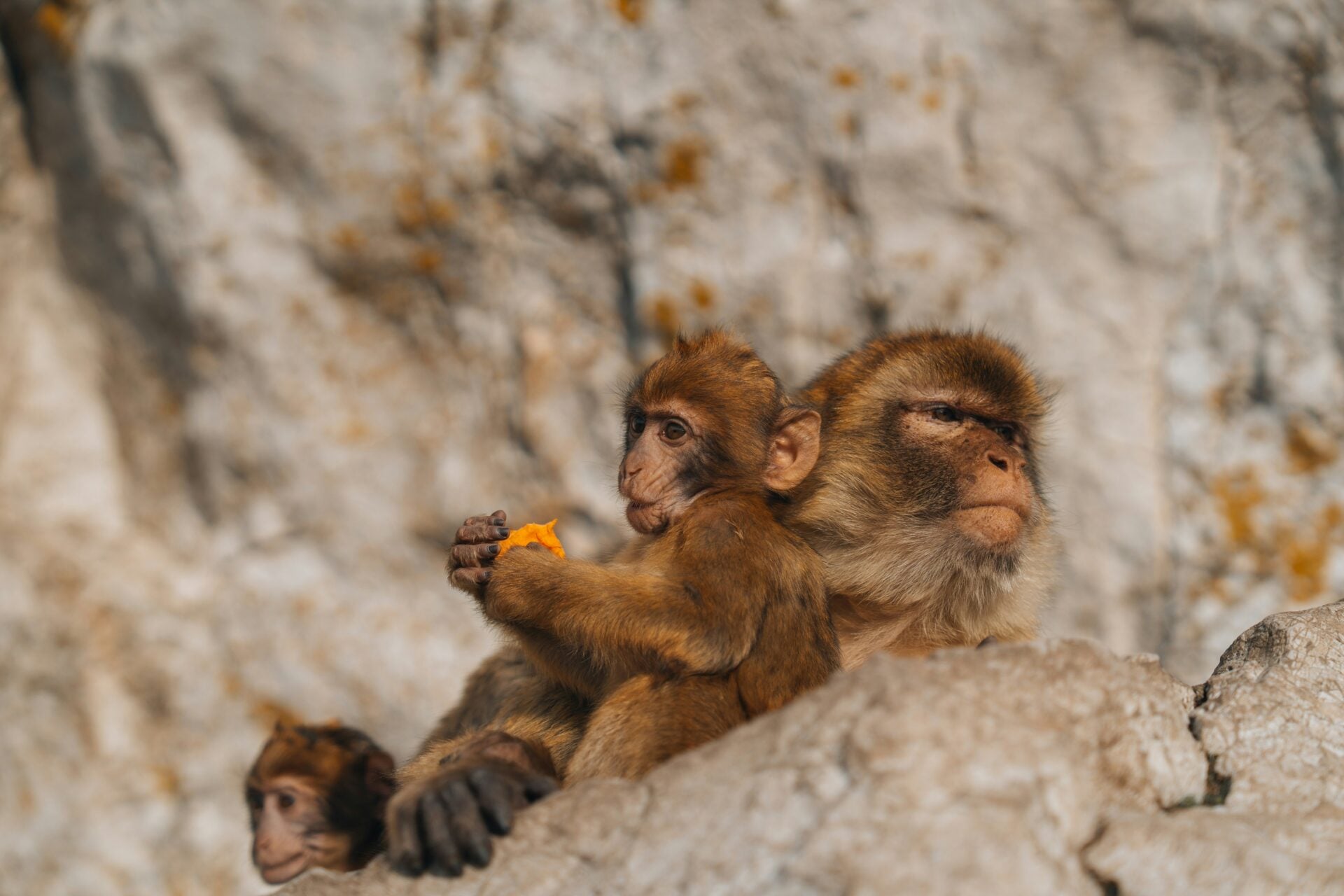
The monkeys in Gibraltar – Europe’s only wild monkey population – have been observed deliberately eating soil, seemingly to counteract the effects of a diet increasingly shaped by tourists.
The behaviour, known as geophagy, was recorded during a study of several macaque groups across the territory. Researchers found a clear pattern: the more exposure the monkeys had to visitors, the more likely they were to consume soil.
The trend was particularly noticeable during peak tourist season.
Although feeding monkeys in Gibraltar is officially banned, enforcement remains inconsistent and visitors continue to offer everything from crisps and chocolate to bread, sugary drinks and ice cream. Magnums and Cornettos appear to be particular favourites.
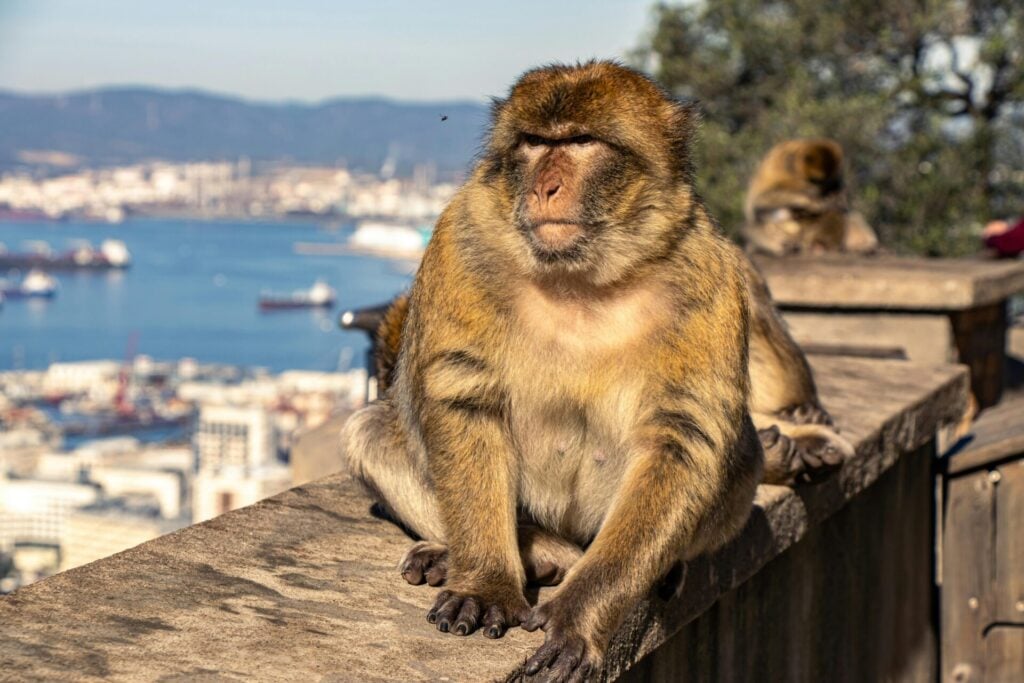
This shift in diet is far removed from what the macaques would naturally eat, which typically consists of leaves, seeds, herbs and occasional insects.
According to Dr Sylvain Lemoine, a primate behavioural ecologist at the University of Cambridge, the soil consumption may be a biological response to that imbalance. Diets high in sugar, salt and dairy can disrupt the gut microbiome, and soil, rich in minerals and microorganisms, may help restore it.
‘We think that eating this junk food disrupts the composition of the microbiome, and we know that bacteria and minerals in soil can help recompose the microbiome and alleviate the negative effects,” he told The Guardian. ‘We think there’s a protective effect of the soil.’
‘We think this behaviour could be a way of mitigating the negative effects of these foods,’ . ‘The microbiome is sensitive, and what they’re eating now is completely unlike their natural diet.’
How life has shifted for monkeys in Gibraltar
The origins of Gibraltar’s macaques are still debated. Some researchers believe they are the last survivors of ancient populations, while others suggest they were introduced from North Africa, possibly as pets, before being released.

Before tourism reshaped their diet, monkeys in Gibraltar would have fed on a natural mix of leaves, seeds, roots and occasional insects. Even in managed settings, their diets are typically balanced with fruit, vegetables and grains. Processed snacks high in sugar, salt and dairy are a stark departure, and one their digestive systems were never designed to handle.
Data collected between 2022 and 2024 suggests that close to 20 per cent of the monkeys’ food intake now comes from human sources. Those living in areas with the highest tourist traffic were more than twice as likely to consume these foods and were also the most frequent soil-eaters.
In total, scientists documented dozens of instances of soil consumption among monkeys in Gibraltar, including several cases where it occurred shortly after the monkeys had eaten processed snacks like biscuits or ice cream.
Seasonal changes offered further insight. During the quieter winter months, when fewer tourists were present, both junk food consumption and soil-eating behaviour dropped noticeably.
Most macaques appeared to seek out terra rossa, a mineral-rich red clay found across Gibraltar. However, one group, known as the Ape’s Den troop, showed a preference for soil gathered from roadside areas, including asphalt potholes.
Dr Paula Pebsworth, a primatologist at the University of Texas at San Antonio, notes that geophagy is a well-documented behaviour in primates, often linked to detoxification or mineral intake. But she stresses that in this case, it may be masking a deeper issue.
‘While soil consumption may help them cope with dietary disruption, it doesn’t solve the underlying problem,’ she said. ‘Reducing human feeding is the most effective way to protect their health.’