An all-inclusive hotel and sustainability don’t make natural bedfellows. The expectation of overflowing buffets, endless cocktail orders and the idea that the stay is ‘on tap’ can sit uneasily alongside conversations about reducing waste and conserving resources.
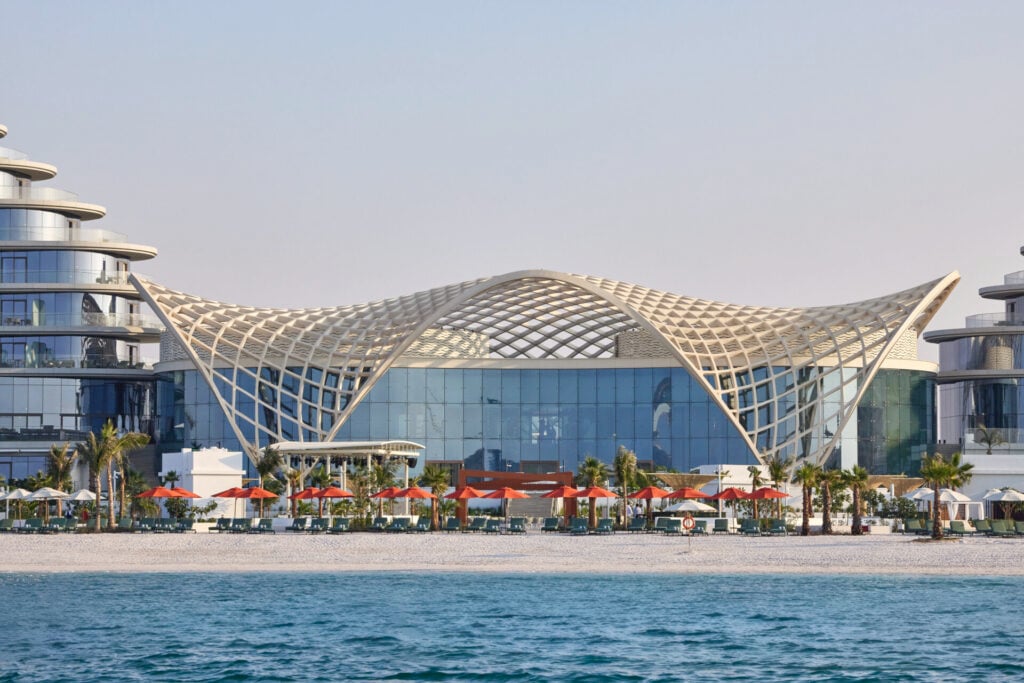
But at SO/ Ras Al Khaimah, a sleek new beachfront resort that opened in late 2025, sustainability is taking centre stage. Behind the scenes, Quality and Sustainability Manager Grace Nalogon is working to improve everything from waste management to community outreach, while navigating the unique challenges of operating a premium all-inclusive resort.
The Ethicalist sat down with Grace to discuss food waste, local sourcing, cat cafés and why the hotel refuses to remove the seagrass washing up on its beaches.
The Ethicalist: You’ve been involved with the resort since shortly after opening. Was sustainability part of the vision from the outset?
Grace Nalogon: Absolutely. We follow Ennismore’s ESG programme, so sustainability was already embedded in the hotel’s standards by the time I joined. One of our first priorities was waste segregation. We separate food waste, recyclables and general waste, and we have a dedicated Green Ambassador who oversees the process behind the scenes. We’re also measuring our food waste manually at the moment to understand where improvements can be made. The data is important because it helps us decide which initiatives to prioritise next.
The Ethicalist: Food waste must be particularly difficult in an all-inclusive hotel.
Grace: It is one of our biggest challenges. Guests are on holiday and they’ve paid for an all-inclusive experience. You can’t tell them to take less food or limit what they eat. There has to be a balance between educating people and allowing them to enjoy their holiday.
‘Guests are on holiday and they’ve paid for an all-inclusive experience. You can’t tell them to take less food or limit what they eat. There has to be a balance between educating people and allowing them to enjoy their holiday’
So our focus is on what happens behind the scenes. At the moment, we’re manually weighing food waste, but we’ll soon introduce Orbisk technology to help us track exactly what’s being thrown away and where it’s coming from. Longer-term, we’re bringing in a food digester, too, which will divert organic waste into either fertiliser or grey water for the landscaping. We’re also exploring ways to donate untouched surplus food from the buffet to RAK Animal Welfare Centre rather than throwing it away.
The Ethicalist: Some hotels reduce buffet plate sizes to encourage guests to take less. Is that something you’ve considered?
Grace: In luxury hospitality, it can be difficult because guests expect a certain experience. We have to find solutions that don’t compromise that, and one way is to become more creative with ingredients. That’s where our zero-waste comes in. We’re creating zero-waste cocktails and dishes using ingredients that would otherwise go unused, like surplus fruit, vegetables and garnishes from the kitchen. Our F&B director, Yusuf Kayir, is passionate about sustainability and is leading these initiatives, which are a great way to show guests that it isn’t restrictive. The team is even creating a dedicated mixology lab where syrups and other cocktail ingredients will be made on-site rather than shipped in.
‘The appetite is there, but the supply isn’t always enough. The UAE is investing heavily in agriculture and vertical farming, and I hope we’ll see more options become available over the coming years’
We’re also working on a zero-waste recipe book created by our chefs. The idea is to place it in guest rooms so people can discover recipes that use ingredients more thoughtfully and help reduce waste. Guests will be able to buy the book, and the money will go to charity. It’s still an ongoing project, but it’s part of our wider CSR plans and a way to make sustainability creative and easy for guests to take home.
The Ethicalist: Local sourcing is another big sustainability talking point in hospitality. How easy is it to source locally in the UAE?
Grace: It’s not always easy. The appetite is there, but the supply isn’t always enough. We currently source oysters from Dibba Bay, which is fantastic, and we’re looking at increasing the amount of locally grown produce we use. The UAE is investing heavily in agriculture and vertical farming, and I hope we’ll see more options become available over the coming years. We’re also planning to create our own sustainable garden at the resort, growing herbs and ingredients that can be used in our kitchens and bars.
The Ethicalist: And what about reducing plastic?

Grace: Yes, we’ve partnered with BE WTR, which provides filtered still and sparkling water in reusable glass bottles, eliminating the need for single-use plastic water bottles in guest rooms. We’re trying to become plastic-free wherever we can, and while we’re not there yet, it’s an important step for us.
The Ethicalist: Hotels go through huge amounts of linen. Are you looking at ways to reduce waste there?
Grace: Yes. At the moment, because the hotel is still new, we don’t have large amounts of discarded linen, but when we do, we’re planning to repurpose it or donate it to animal shelters. In previous roles, I’ve repurposed old towels into small cleaning mitts for guests to polish their shoes with! It’s a simple idea that prevents perfectly good towels from being thrown away or stained. Inside the rooms, we’ve already moved towards more sustainable amenities. Our bathroom products are refillable to reduce single-use waste, and the amenities are presented in recyclable packaging with soybean ink. Even our towels and linens are eco-certified.
‘We have four feeding stations – cat cafés – and shelters for our furry friends living around the property, and we work with local animal welfare groups on trap-neuter-return programmes’
The Ethicalist: Tell us about the decision not to remove seagrass from your beach.
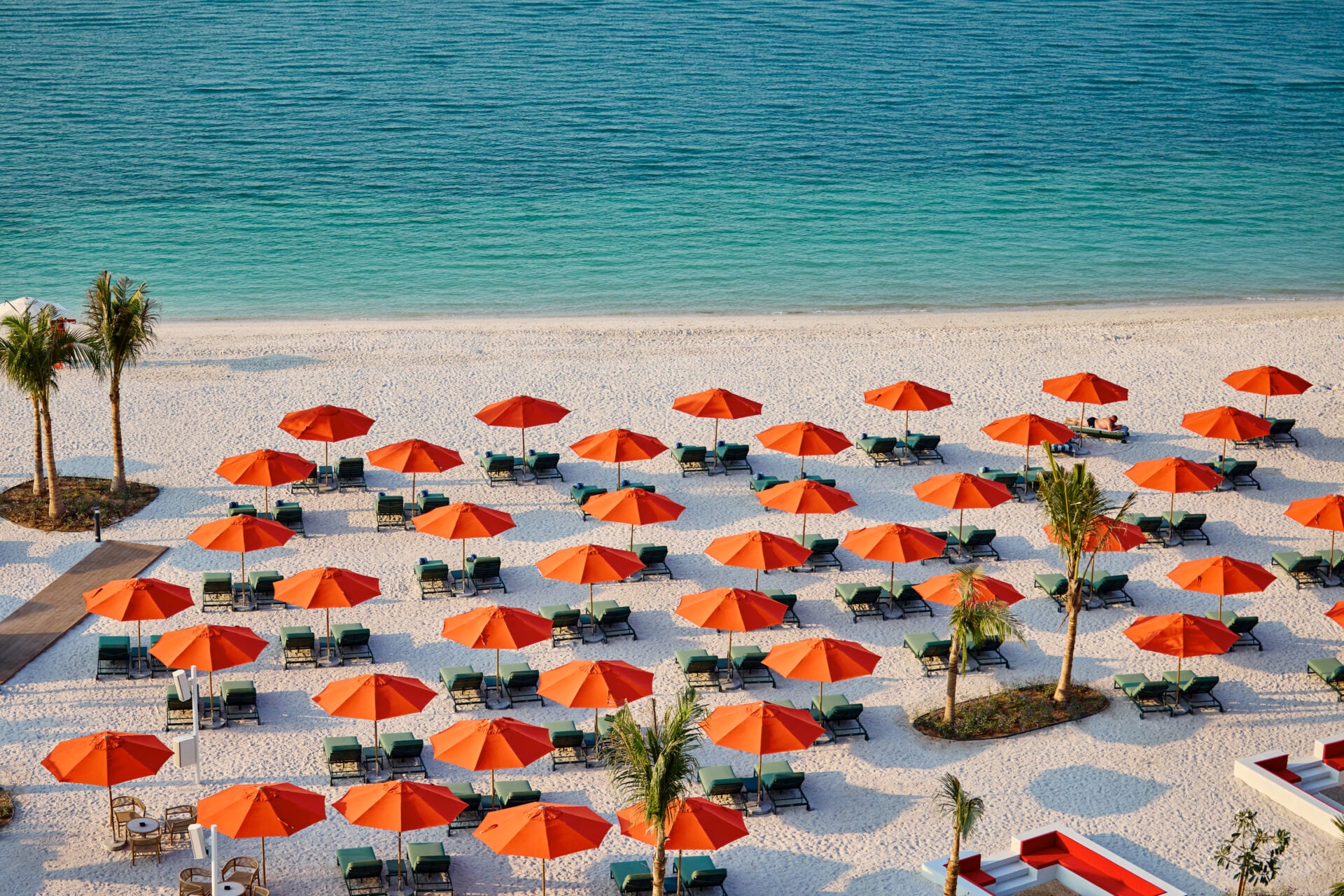
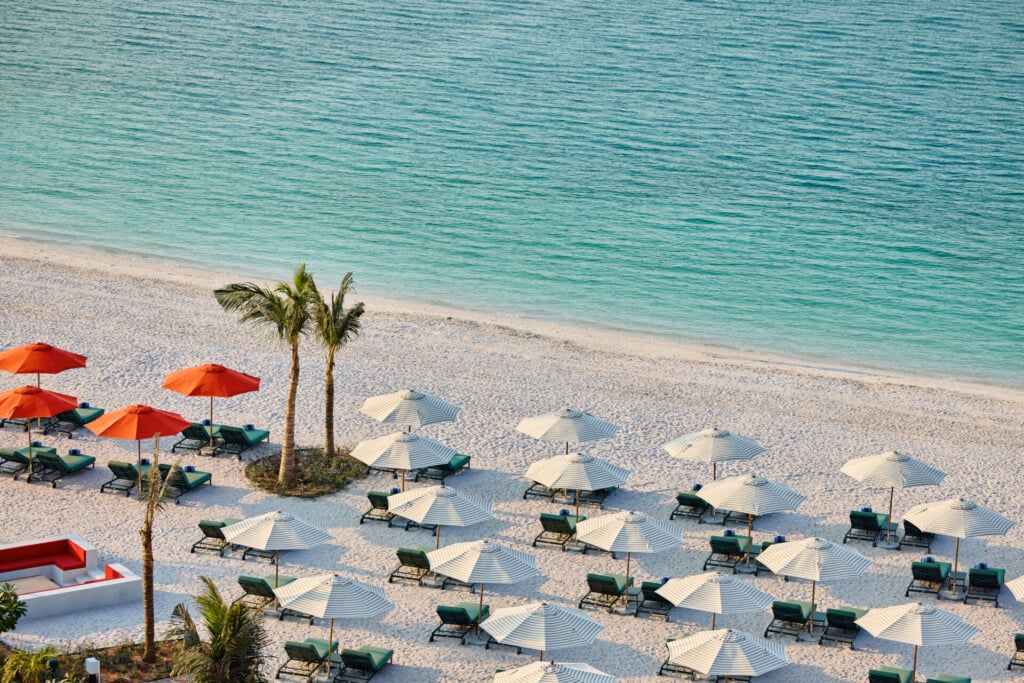
Grace: Yes, we made that a conscious decision. Some guests don’t understand why it’s there, and they ask us to remove it, but seagrass is incredibly important for marine ecosystems. It provides a habitat for marine life and helps store carbon. Rather than removing it, we’re creating signage to explain what it is and why it’s important. Education is a big part of sustainability.
The Ethicalist: Talk to us about your community focus.
Grace: Since January, we’ve organised beach clean-ups, tree planting and recycling campaigns, and activities for children around World Environment Day. We’ve also partnered with local organisations for autism awareness initiatives, Ramadan giving campaigns and blood donation drives. We try to make sustainability part of the hotel’s culture, not just something guests see on a sign.
The Ethicalist: And the cat café…
Grace: It’s one of our most popular initiatives. We have four feeding stations – cat cafés – and shelters for our furry friends living around the property, and we work with local animal welfare groups on trap-neuter-return programmes. We want to care for the animals already living here while responsibly managing the population.
The Ethicalist: What does success look like for you?
Grace: Green Key certification is a major goal for us. Because we’re still a new property, we first need to build a baseline of water and energy use before we can apply. We’re already using water-saving aerators, sensors to reduce electricity consumption and encouraging every department to think about how they can reduce their environmental footprint. Sustainability is a journey, and while we’re not perfect yet, the important thing is to keep moving forward.