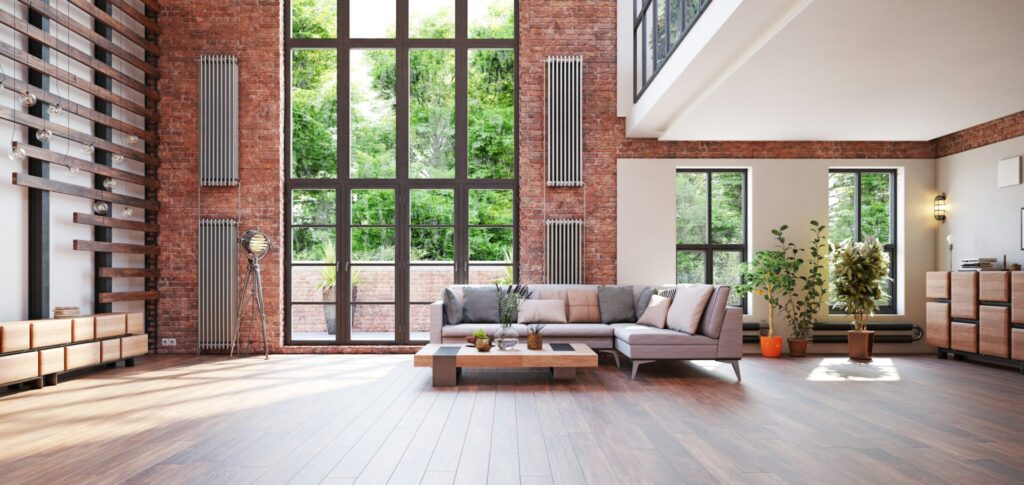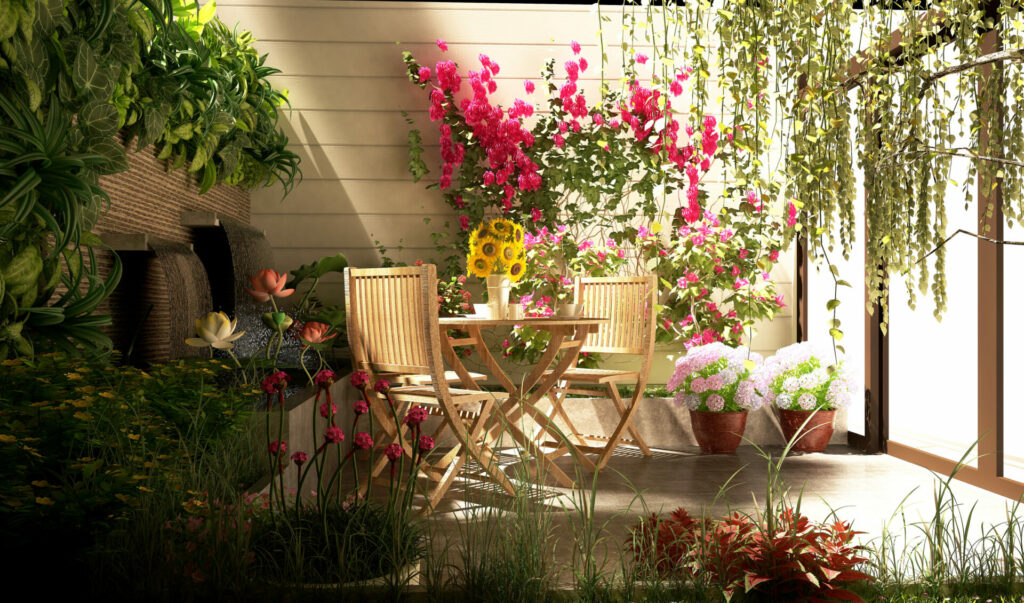
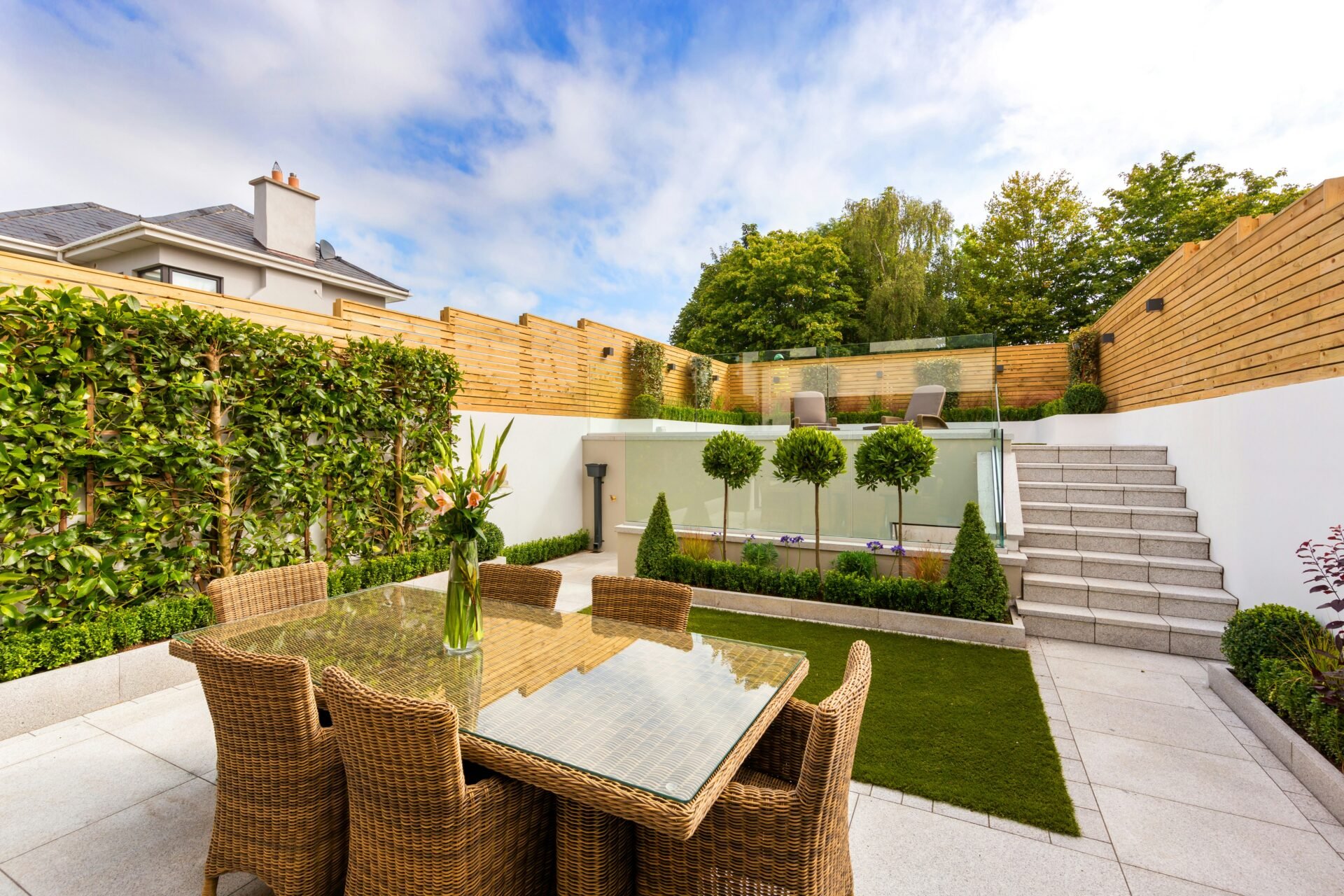
The way we design our living spaces has undergone a profound transformation in recent years. Gone are the days when aesthetics alone dictated our choices for interiors and exteriors. Today, homeowners are embracing conscious home design, a thoughtful approach that considers environmental impact, personal well-being, and long-term sustainability.
This shift represents more than just a trend; it reflects a fundamental change in how we understand our relationship with the spaces we inhabit and the world around us. Every choice we make, from the paint on our walls to the layout of our rooms, now carries deeper meaning and consequence. We’re learning to ask better questions about what we bring into our homes and why. The result is living spaces that feel more intentional, healthier, and genuinely reflective of who we are.
Creating Mindful Outdoor Sanctuaries
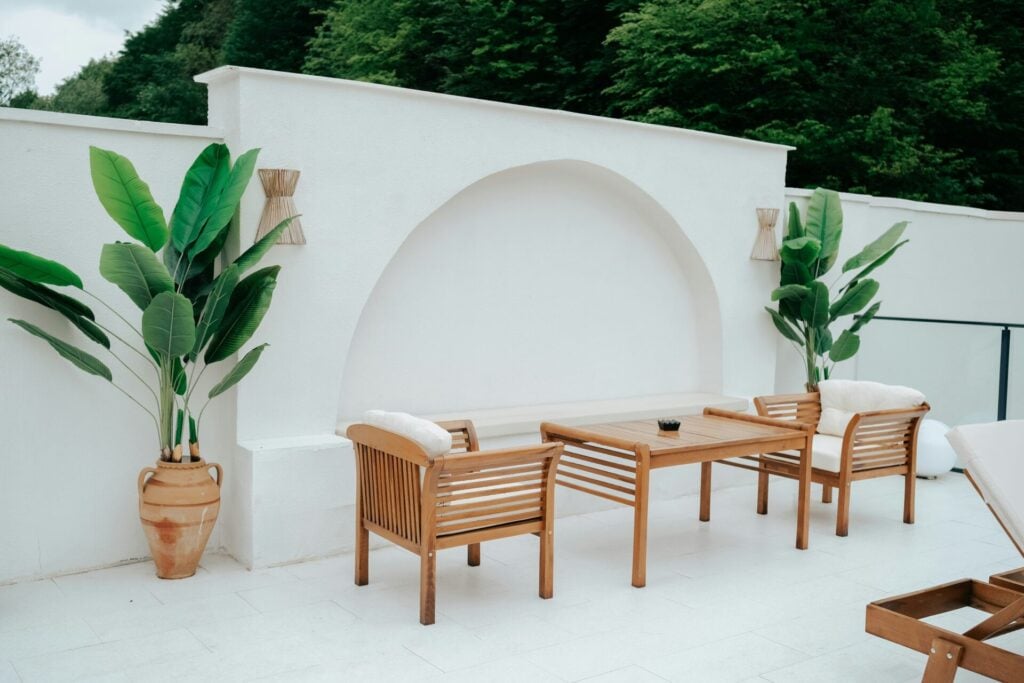
The exterior of our homes deserves the same thoughtful consideration as our interiors. As we extend conscious design principles beyond our walls, outdoor spaces become vital areas for reflection and connection with nature. These areas offer opportunities to create havens that align with our values while providing comfort and functionality. When designing outdoor spaces, conscious choices extend to every element, from the materials we select to how we arrange our living areas.
Selecting garden furniture crafted from recyclable aluminum frames with durable Sunbrella fabrics and powder-coated finishes allows us to create beautiful outdoor retreats that last for years without compromising our environmental principles. These spaces become extensions of our homes where we can truly unwind while maintaining alignment with our values.
Understanding What Conscious Design Really Means
Conscious home design goes beyond selecting eco-friendly products or following the latest green building trends. It requires a holistic perspective that examines every decision through multiple lenses. This approach asks us to consider where materials come from, how they’re produced, who makes them, and what happens to them at the end of their lifecycle. It also means thinking about energy consumption, water usage, and the overall footprint our homes leave on the planet.
At its core, conscious design recognizes that our homes are living ecosystems that interact with both the natural environment and our personal health. Every paint color, textile, and building material either contributes to or detracts from the quality of our indoor air.
The Connection Between Home Design and Personal Well-being
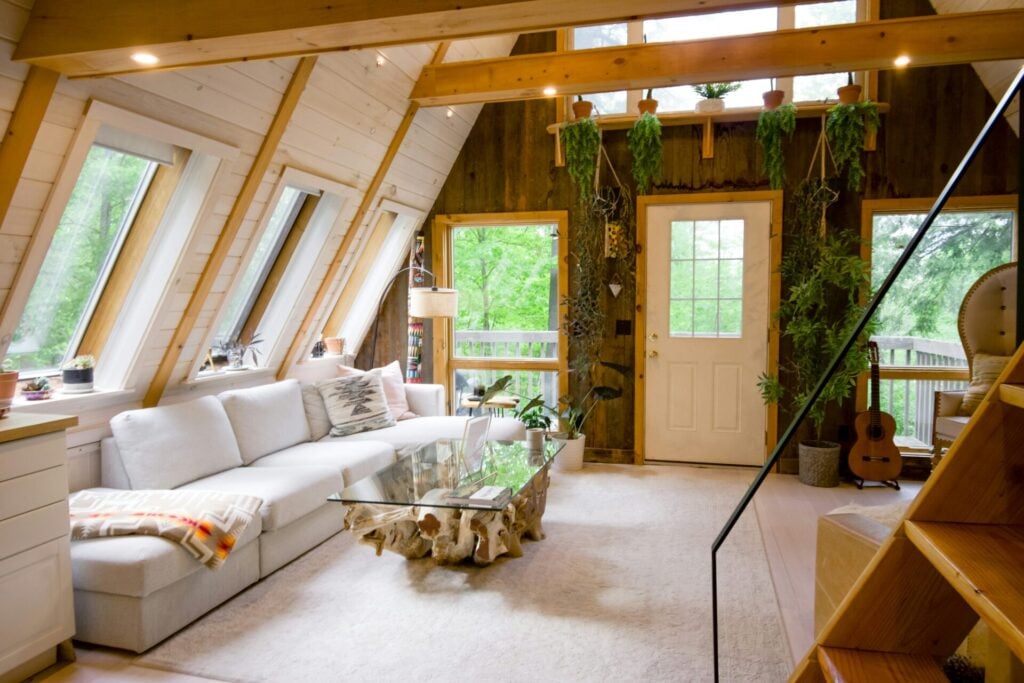
Our living environments profoundly affect how we feel, think, and function daily. Conscious design acknowledges this connection by prioritising elements that support human health and happiness. Natural light becomes a crucial consideration rather than an afterthought. Proper ventilation ensures fresh air circulation. Space planning considers how we actually live and move through our homes, rather than forcing us into rigid, impractical layouts.
The materials surrounding us matter more than many realise. Conventional building materials and furnishings often release harmful chemicals into our indoor air for years after installation. Conscious design opts for natural, non-toxic alternatives that don’t compromise our health. This might mean choosing solid wood over particle board, natural fiber textiles over synthetic ones, and low or zero-VOC paints over conventional options.
Why Environmental Impact Can No Longer Be Ignored
The environmental case for conscious home design has never been more compelling. Buildings account for a massive portion of global energy consumption and greenhouse gas emissions. Our homes use enormous quantities of water and generate substantial waste. These facts make residential spaces a critical frontier in addressing environmental challenges.
Conscious design tackles these issues through thoughtful material selection, energy-efficient systems, and water conservation strategies. It means choosing renewable or recycled materials when possible, investing in proper insulation, selecting energy-efficient appliances and lighting, and incorporating passive heating and cooling strategies that work with rather than against natural climate patterns.
The Social Dimension of Design Choices

Often overlooked in discussions about home design is the social and ethical dimension of our purchasing decisions. Conscious design considers the human story behind every product. Who made this furniture? Were they paid fairly? What were their working conditions? This perspective encourages support for companies with transparent, ethical supply chains.
This social consciousness extends to supporting local businesses and craftspeople when possible. Choosing locally made items reduces transportation emissions while strengthening community economies.
Practical Steps Toward More Conscious Spaces
Transforming a home through conscious design doesn’t require a complete overhaul or unlimited budget. Small, intentional changes accumulate into a significant impact over time. Starting with a single room or even a single category of items allows for manageable progress without overwhelming financial or logistical challenges.
Begin by assessing current needs honestly. What spaces aren’t functioning well? What items need replacement? These natural transition points offer opportunities to make more conscious choices. Research alternatives before purchasing. Ask questions about materials, manufacturing, and company values. Choose quality items built to last over cheap disposables requiring frequent replacement.
The Long-Term Benefits That Make It Worthwhile
While conscious design sometimes involves higher upfront costs, the long-term benefits typically outweigh initial investments. Durable, well-made items last longer, reducing replacement frequency and overall spending. Energy-efficient systems lower utility bills month after month. Healthier indoor environments can mean fewer illnesses and medical expenses.
Beyond financial considerations, conscious design delivers intangible rewards that prove equally valuable. There’s genuine satisfaction in knowing your home aligns with your values. Living spaces feel more peaceful and authentic when every element reflects thoughtful consideration rather than impulse purchases or default choices.
The movement toward conscious home design represents a maturation in how we think about our living spaces. It acknowledges that our homes exist within larger systems, environmental and social, that we affect through our choices. As more people embrace this approach, the cumulative impact grows. Individual decisions to prioritize sustainability, health, and ethics create ripples that extend far beyond single households, contributing to broader cultural shifts in how we produce, consume, and value the objects and spaces shaping our daily lives. This isn’t about perfection but rather about making progressively better choices as we create homes that truly serve us and the world we all share.