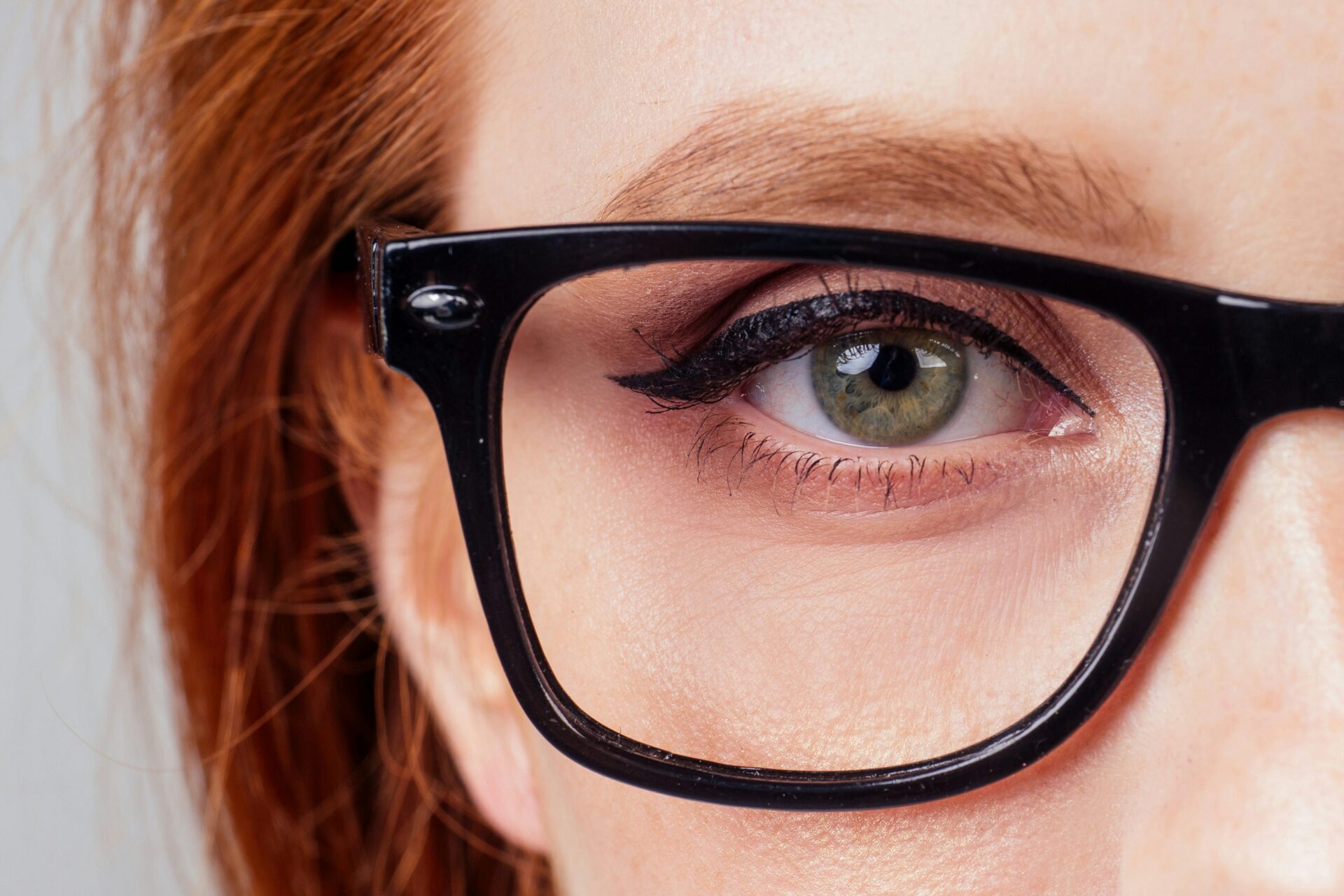
Clear vision depends on more than just having the right prescription. Over time, lenses scratch, coatings degrade, and clarity fades — often so gradually that many people don’t realise how much their vision has been compromised. Knowing when lenses need replacing can prevent headaches, eye strain and daily frustration.
Many wearers notice they’re cleaning their glasses constantly, squinting more often, or struggling with glare before recognising the real issue. Subtle signs such as halos around lights or cloudy patches that never fully clear are often early warnings that lenses are no longer performing as they should. Understanding these indicators helps maintain clear, comfortable vision without waiting for more serious problems to develop.
This guide explains the most common signs of lens wear, how long different lenses typically last, and when replacement is the best option.
Frequent Headaches and Eye Strain

Recurring headaches, tired eyes or sensitivity to light often mean your eyes are working harder than they should. This is especially noticeable after long periods of screen time or close work. Even if vision seems ‘mostly fine’, outdated or damaged lenses can force the eyes to overcompensate.
Other symptoms might include dry or watery eyes, neck tension, sensitivity to bright light or difficulty concentrating. When these persist, replacing glasses with an updated prescription usually restores comfort quickly.
Changes in Vision Clarity
Gradual blurring, difficulty focusing, or halos around lights, particularly at night, can signal that your lenses are no longer providing accurate correction. While these symptoms may indicate a prescription change, scratches or worn coatings can cause similar issues.
A checkup can confirm whether lens age, scratches, or outdated correction cause the issue. Short-term fixes like cleaning make little difference once the glasses lose optical accuracy. Fast and professional services offering replacement lenses for glasses with fast shipping allow users to update prescriptions quickly without replacing frames, which saves both time and cost.
If cleaning no longer improves clarity, it’s worth having them checked. Continuing to use compromised glasses can lead to headaches, eye strain when reading, driving or using a screen.
Visible Scratches or Damage
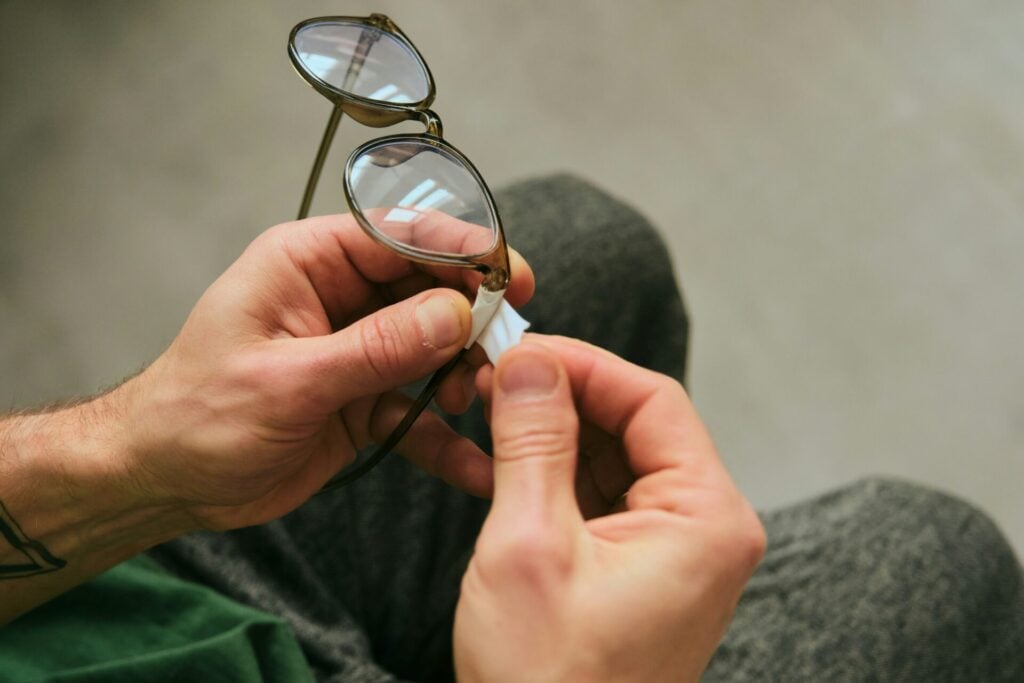
Even small scratches scatter light and increase glare, reducing contrast and sharpness. Over time, repeated cleaning with unsuitable cloths or exposure to dust and debris can wear your glasses down. Chips or cracks along the edges may also distort vision or weaken frame stability.
Once lenses show visible damage, replacement is far more effective than repeated cleaning or polishing attempts. Proper care like rinsing before wiping, using microfiber cloths and storing glasses in a case, helps prevent future damage, but worn ones ultimately need replacing.
Deteriorating Lens Coatings
Modern lenses often include anti-reflective, scratch-resistant and UV-protective coatings. As these degrade, they may appear cloudy, streaked or develop rainbow-like patches that won’t clean away. When coatings fail, lenses lose both clarity and protective benefits.
Heat, chemicals and general wear all contribute to coating breakdown. Once deterioration begins, vision quality declines quickly, even if the prescription itself is still correct.
Prescription Changes and Eye Exams
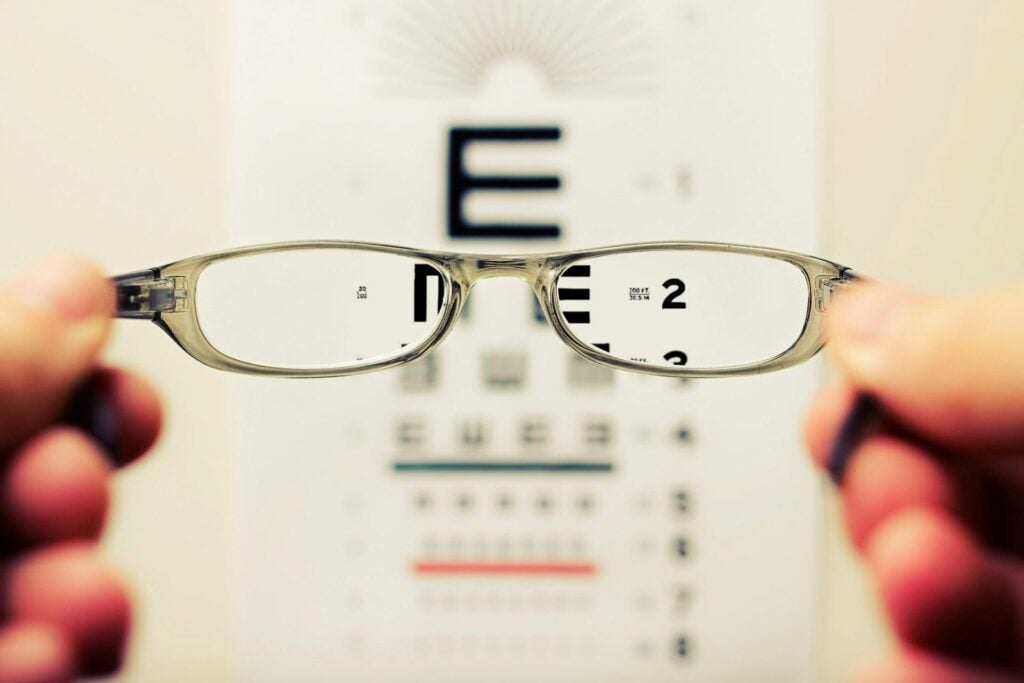
Eyes naturally change with age, often without noticeable symptoms. Most people benefit from an eye exam every one to two years to ensure prescriptions remain accurate. Updated lenses help reduce squinting, headaches and fatigue caused by outdated correction.
Regular eye exams also allow professionals to detect early signs of eye conditions before symptoms become obvious, helping maintain long-term eye health.
Physical Damage and Fit Issues
Scratched lenses, peeling coatings or cloudy surfaces are clear signs replacement is needed. Poorly fitting frames can also affect lens alignment, reducing visual accuracy and comfort. Glasses that slide down the nose or sit unevenly may place stress on lenses and make cleaning more difficult.
While adjustments and proper cleaning can extend lens life, physical damage or persistent fit issues usually signal it’s time for new lenses.
Clear, comfortable vision relies on lens quality, proper care and timely replacement. Scratches, degraded coatings or prescription changes quietly reduce performance, often leading to headaches and eye strain before wearers realise what’s wrong.