From Biochar to Black Soldier Flies: The FoodTech Solutions the UAE Is Betting On
5 mins
by Staff Writer
As climate pressure tightens its grip on global food systems, the question is no longer whether innovation is needed, but which solutions can actually work in hot, water-scarce and climate-vulnerable regions.
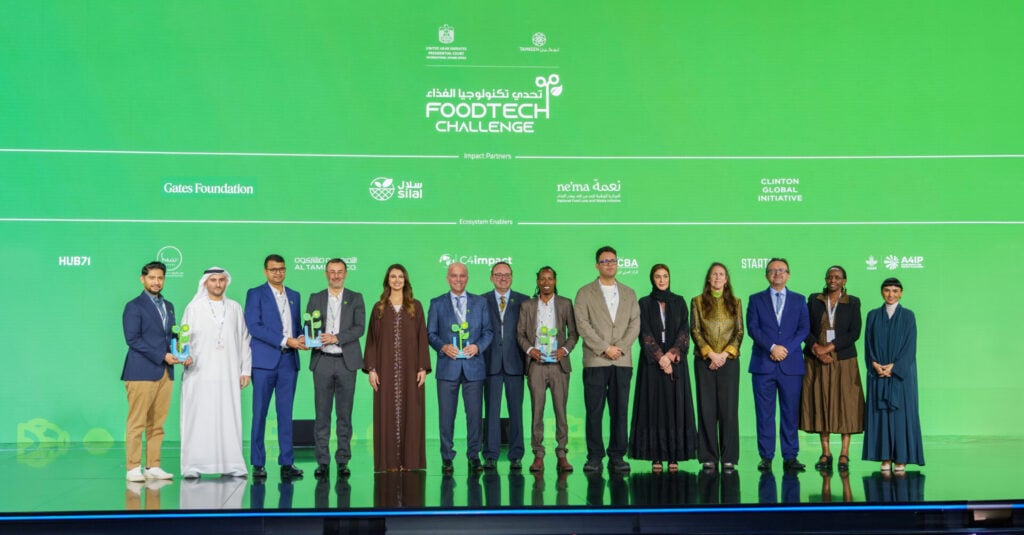
At Abu Dhabi Sustainability Week, the UAE FoodTech Challenge announced four winners whose technologies aim to do just that: tackling food production, food waste and soil degradation to scale beyond pilot projects and into real-world use.
Selected from more than 1,200 submissions across 113 countries, the four startups will share USD 2 million in funding and gain access to the UAE’s agri-tech ecosystem, with a clear brief: test, refine and scale solutions that can strengthen food security in the UAE and the Global South.
‘Building resilient and secure food systems is central to the UAE’s long-term vision for a prosperous future,’ said Rima Al Mokarrab, Chair of Tamkeen and Co-Chair of the FoodTech Challenge.
‘As they begin this next phase of their journey, support from our network of partners and the UAE’s world-class innovation ecosystem will serve as a launchpad for their solutions, enabling them to contribute to more resilient and sustainable food systems in the UAE, the global south, and worldwide.’
FoodTech Built for a Hotter World
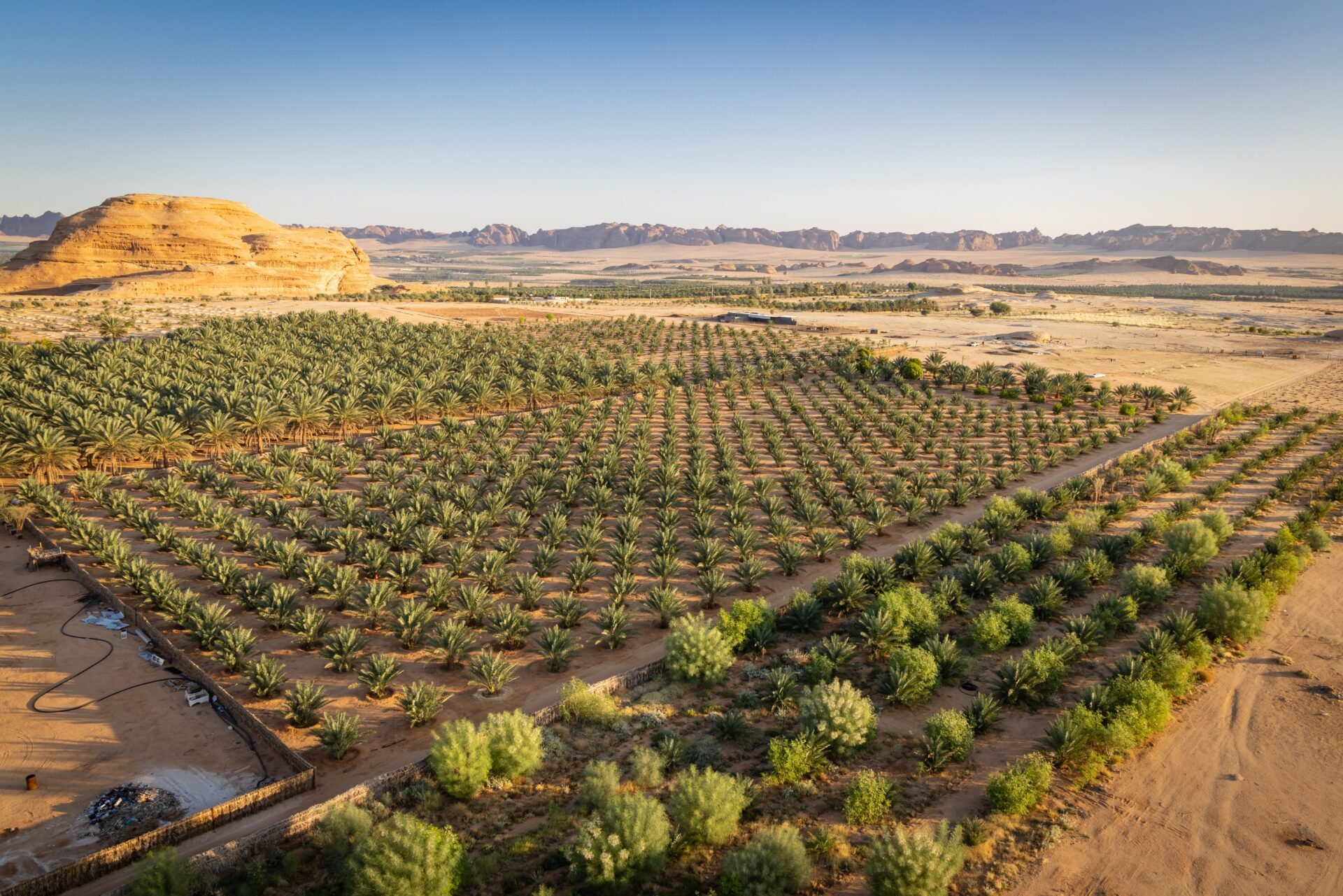
The UAE offers a proving ground for technologies designed to operate under heat stress, water scarcity and rapid urbanisation, all conditions that are becoming increasingly common worldwide.
Backed by a network including Tamkeen, the International Affairs Office at the UAE Presidential Court, Gates Foundation, ne’ma and Silal, the FoodTech Challenge wants to move beyond awards and into deployment.
Past winners have gone on to raise more than USD 48 million in follow-on funding and launch 50+ pilot projects across the UAE and internationally — a reminder that scaling, not showcasing, is the real test.
Permia Sensing
Rather than reacting to crop failure once it’s visible, Permia Sensing focuses on early detection across coconut, date, areca, and oil palm plantations. Using AI, drone imaging and bioacoustic sensors, its system ‘listens’ to trees, identifying stress caused by dehydration, pests or disease before damage becomes irreversible.
Already deployed across 15,000 hectares of palm plantations in Sri Lanka, the technology allows farmers to intervene earlier, boosting yields while reducing waste and unnecessary chemical inputs. The company now plans to localise its system for the UAE’s climate and expand across the Middle East.
HyveGeo
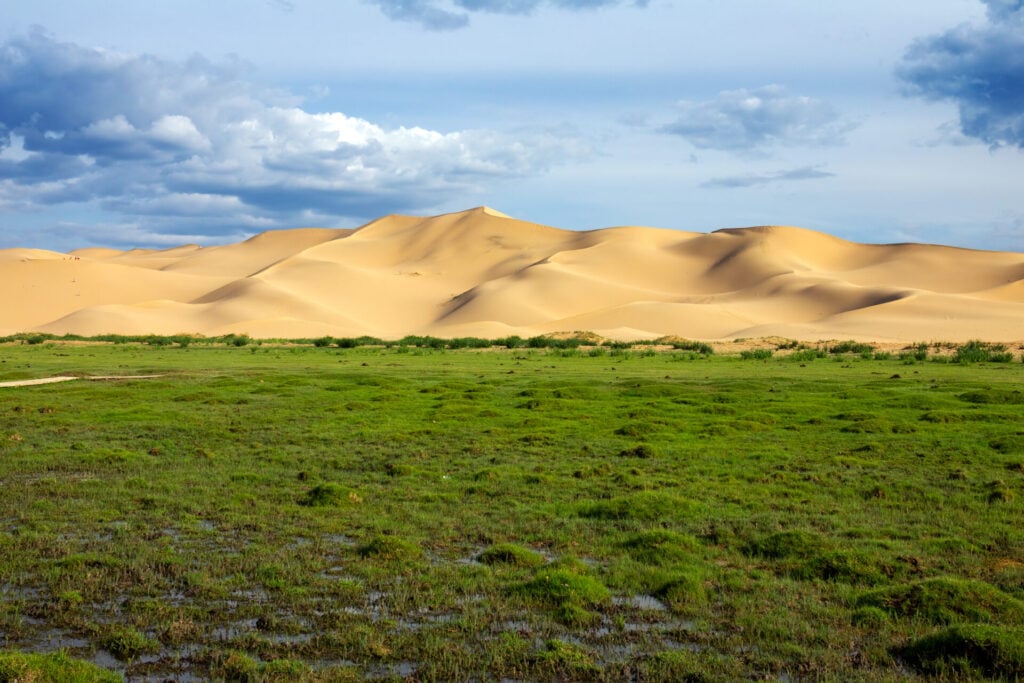
HyveGeo tackles one of the toughest challenges in arid regions: soil health. Using a combination of biology and engineering, the company transforms agricultural waste into carbon-rich biochar, which is then enriched with beneficial microbes to create a high-performance soil enhancer capable of restoring degraded and desert soils.
Already used by farmers and landscape managers across the UAE, HyveGeo’s circular approach locks carbon into the soil while improving water retention, fertility, and crop resilience. As winners of the FoodTech Challenge, the team plans to expand research and launch pilot projects across markets in the Global South.
Akorn Technology
Post-harvest loss remains one of the least visible, yet most damaging, parts of the global food system. Akorn Technology tackles this with a natural, edible coating for fruit and vegetables that slows ripening and reduces moisture loss.
Already used in Egypt and Ghana, the coating combines plant proteins, vegetable waxes and oils to extend shelf life without synthetic additives. Optimised for arid climates, the technology will now be refined for UAE conditions, with the potential to significantly reduce food waste across the region.
Flybox
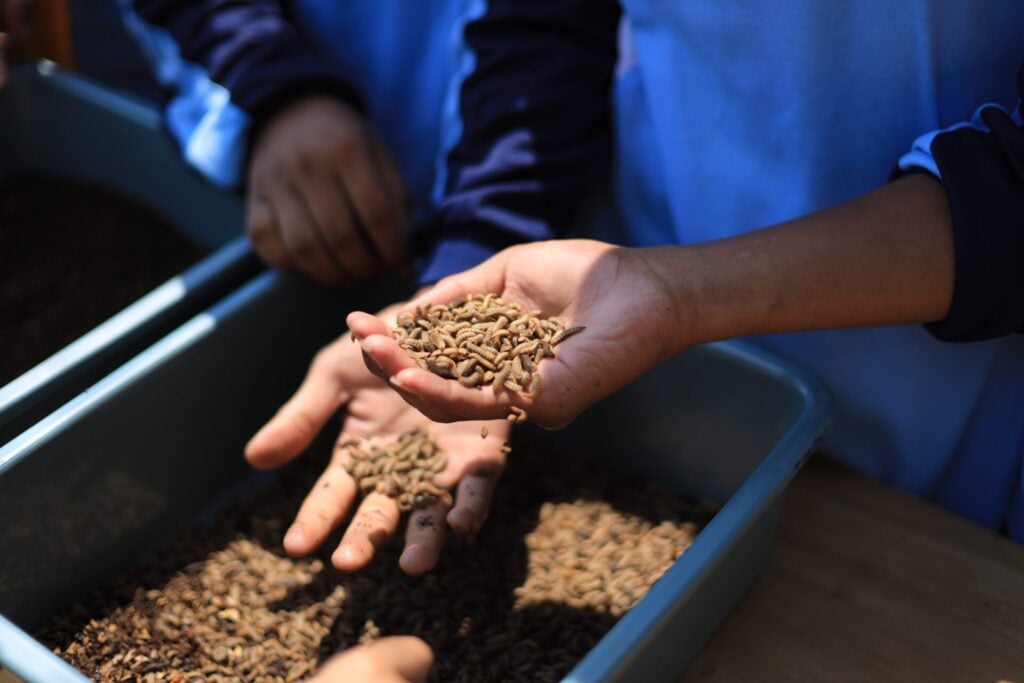
Flybox uses insects like black soldier fly larvae as a waste-management tool, converting rejected food and agricultural by-products into high-value outputs including protein, bio-oil and fertiliser. Rather than focusing on insect protein alone, the system is designed first and foremost for reliable organic waste treatment, using insects as natural recyclers.
Housed in modular, off-grid shipping containers, Flybox’s Insect Waste Management™ model is adaptable to different climates and infrastructures. Already operating in Uganda, Kenya and Nigeria, the company plans to launch in the UAE next, working with local waste partners to reduce landfill use while recovering value from food waste, a growing challenge as cities expand and resources come under pressure.
Over the coming months, the four winning FoodTech teams will begin piloting their technologies in the UAE, supported by research facilities, market access, mentorship and investor introductions. From there, the focus shifts toward regions where climate volatility and food insecurity are already a daily reality.
As Shelly Sundberg, Deputy Director of Adaptive and Equitable Food Systems at the Gates Foundation, said: ‘The UAE FoodTech Challenge plays an important role in advancing practical, scalable, and accessible solutions that can strengthen food security across underserved and climate-vulnerable populations. At the Gates Foundation, we are proud to support initiatives that translate innovation into real-world impact, helping food systems reduce loss, improve sustainability, and expand access to safe, affordable and nutritious food. These are essential to building more resilient food systems in the face of climate and economic pressures.’
SIGN UP TO OUR NEWSLETTER
AND GET OUR LATEST ARTICLES DELIVERED TO YOUR INBOX EACH WEEK!
THE ETHICALIST. INTELLIGENT CONTENT FOR SUSTAINABLE LIFESTYLES