A new study found that nearly three-quarters of the world’s marine protected areas (MPAs) are contaminated with sewage.
In the ocean regions most critical for coral reefs and tropical sea life, the problem is even worse: between 87 per cent and 92 per cent of protected areas are affected, and typical pollution levels inside these zones are ten times higher than in surrounding unprotected waters.
Over 16,000 MPAs globally were evaluated in the study, carried out by the Wildlife Conservation Society (WCS) and the University of Queensland and published in Ocean & Coastal Management.
‘We mapped wastewater exposure across thousands of protected areas and compared it to unprotected waters nearby. In region after region, the areas set aside for conservation were actually receiving more pollution than the areas with no protection at all.’
David E. Carrasco Rivera, lead author at the University of Queensland.
‘What we found was striking,’ said David E. Carrasco Rivera, lead author and Ph.D. candidate at the University of Queensland. ‘Using global pollution data, we mapped wastewater exposure across thousands of protected areas and compared it to unprotected waters nearby. In region after region, the areas set aside for conservation were actually receiving more pollution than the areas with no protection at all.’
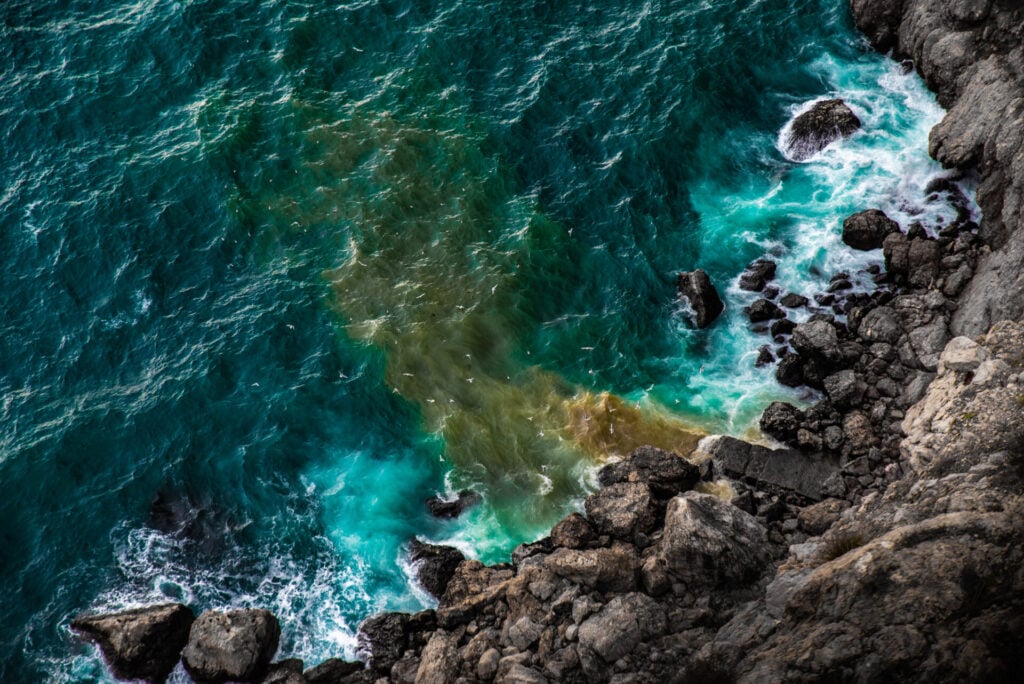
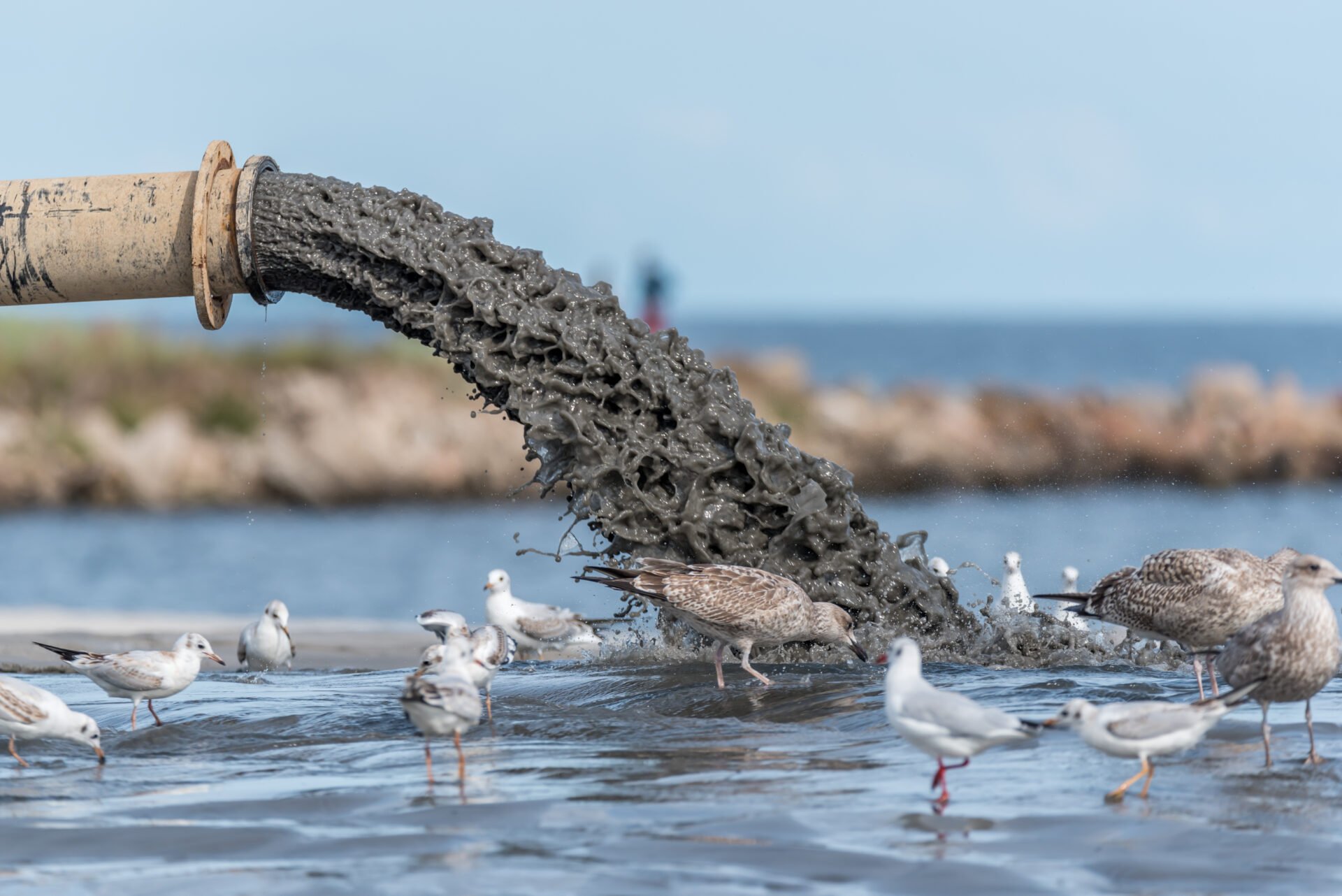
Wastewater—water from homes and businesses that flows through sewage systems into rivers and the ocean– carries nutrients, pathogens, and chemicals that damage important coral reef and seagrass ecosystems and harm coastal wildlife.
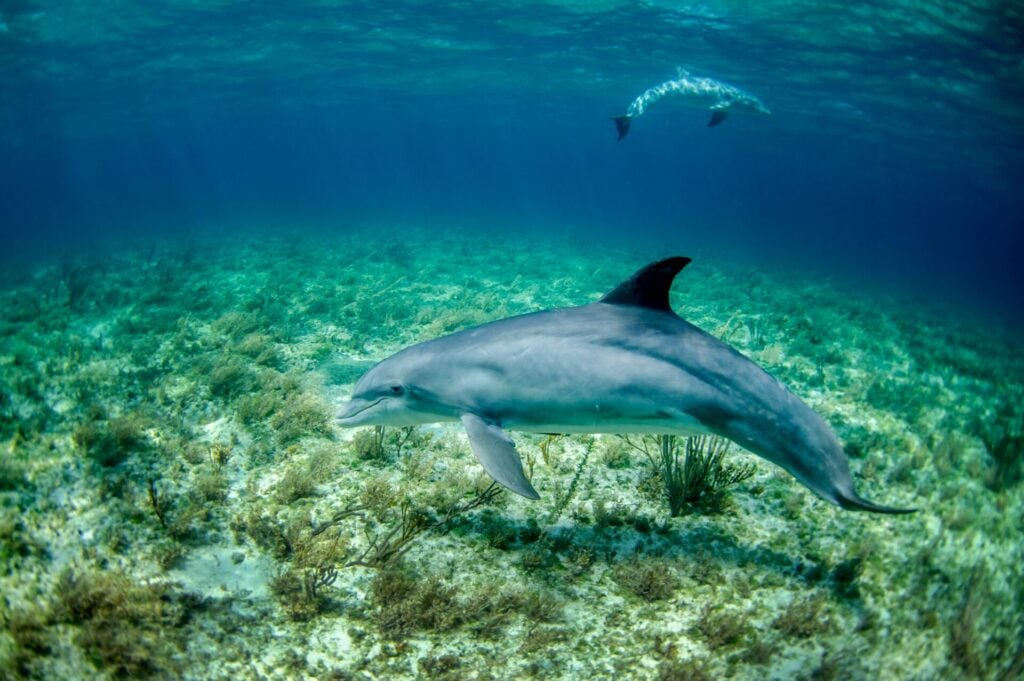
Previous studies have linked wastewater pollution in marine protected areas to coral reef decline around the world, harmful algae blooms, and even Alzheimer’s-like brain disease in dolphins.
The consequences for people are just as serious: polluted drinking water is estimated to cause up to 1.4 million deaths a year from diseases like cholera and typhoid fever, and as much as $12 billion in economic losses.
A critical turning point for marine protected areas
The findings arrive at a critical moment for global ocean conservation.
World leaders have committed to protecting 30 per cent of the ocean by 2030, a goal known as ’30 by 30′. But this study suggests the push to protect more ocean areas may be missing a fundamental problem: protected areas cannot do their job if pollution keeps flowing in.
‘You cannot put up a barrier inside a protected area to stop pollution from coming in. The solution has to happen on land, upstream, and it has to be part of how governments plan and fund ocean protection’
Dr. Amelia Wenger, WCS Global Water Pollution Lead
The researchers analysed pollution exposure across 16,491 marine protected areas worldwide, focusing closely on 1,855 protected areas within 50 kilometers of the coast in six tropical regions: Australasia and Melanesia, Mesoamerica and the Caribbean, the Coral Triangle, East Africa, the Indian Ocean, and the Middle East and North Africa.
They used a geospatial model to measure how much nitrogen from sewage was reaching each protected area, then compared those levels to nearby unprotected waters.
‘Even a perfectly managed marine protected area will fail to achieve benefits for conservation and for people if wastewater keeps flowing in from upstream,’ said Dr. Amelia Wenger, WCS Global Water Pollution Lead. ‘You cannot put up a barrier inside a protected area to stop pollution from coming in. The solution has to happen on land, upstream, and it has to be part of how governments plan and fund ocean protection. Right now, it’s not.’
The study calls on governments and conservation planners to account for sewage and other land-based pollution when designing marine protected areas and when measuring whether those protections are working.
The researchers point to the Global Biodiversity Framework, the international agreement that sets the 30×30 goal across 23 interconnected targets, and warn that the area protection goal cannot succeed without also delivering on other targets for land and sea use planning, restoration, and pollution reduction.