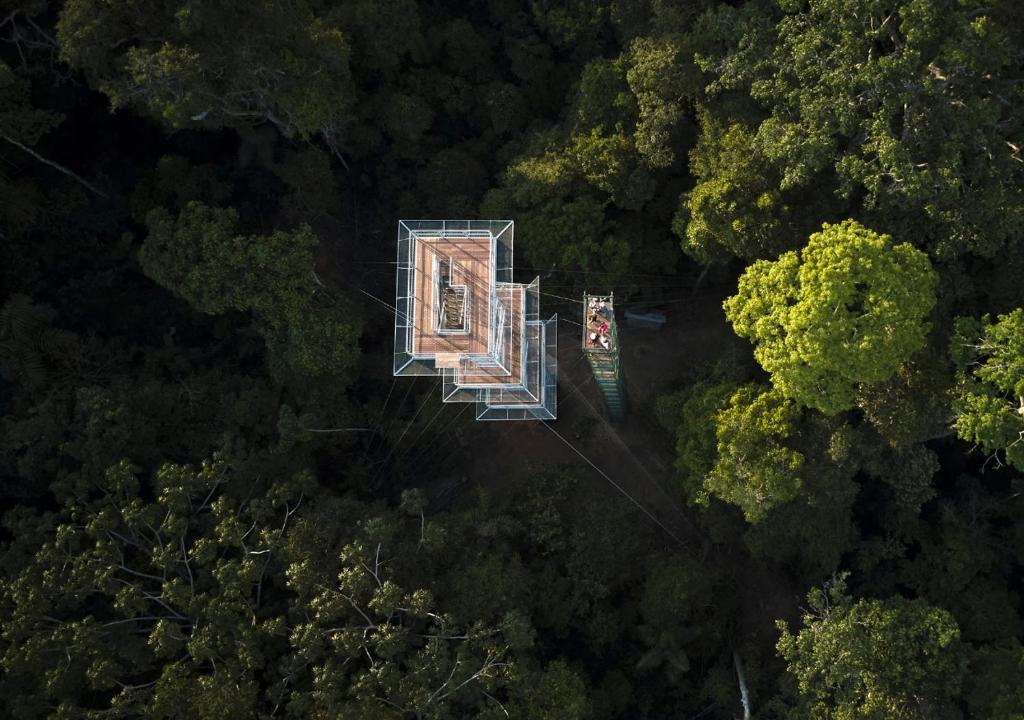
The idea that travel should ‘do less harm’ is no longer enough. Increasingly, the focus is shifting towards something more ambitious: regeneration. The concept of leaving a place stronger, healthier and more resilient than before.
Luxury hotel group Six Senses is leading the way, expanding a series of environmental and community-led initiatives funded through its Regenerative Impact Fund. The scheme, which directs 0.5 per cent of total hotel revenue into local projects, now supports more than 120 initiatives across its global portfolio.
For travellers, the impact is invisibly woven into the landscapes and communities surrounding each property, offering a glimpse of what the future of eco travel could look like.

‘Hospitality operates within living ecosystems and communities,’ says Jeffery Smith, Vice President of Sustainability at Six Senses. ‘Through the Regenerative Impact Fund, each property invests directly in initiatives that strengthen both.’
From reef restoration to rural healthcare
Across its destinations, the projects reflect the specific environmental and social challenges of each region.
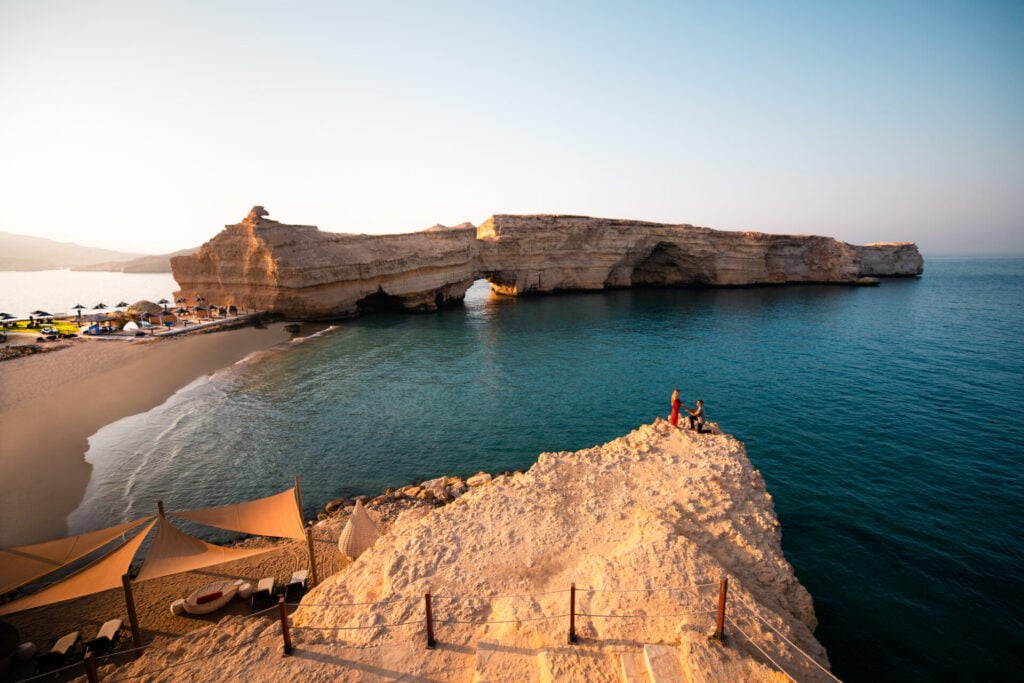
In Oman, at Six Senses Zighy Bay, marine teams are working to remove ghost nets and debris from coastal waters, while supporting turtle conservation and coral restoration programmes.
In the Maldives, efforts are focused on reef regeneration, with coral larvae collected during spawning events and reintroduced to strengthen biodiversity and long-term ecosystem resilience.

Elsewhere, the impact extends beyond the natural environment. On Malolo Island in Fiji, funding has enabled the installation of solar power at a local health clinic, improving access to reliable electricity and essential medical services for island communities.
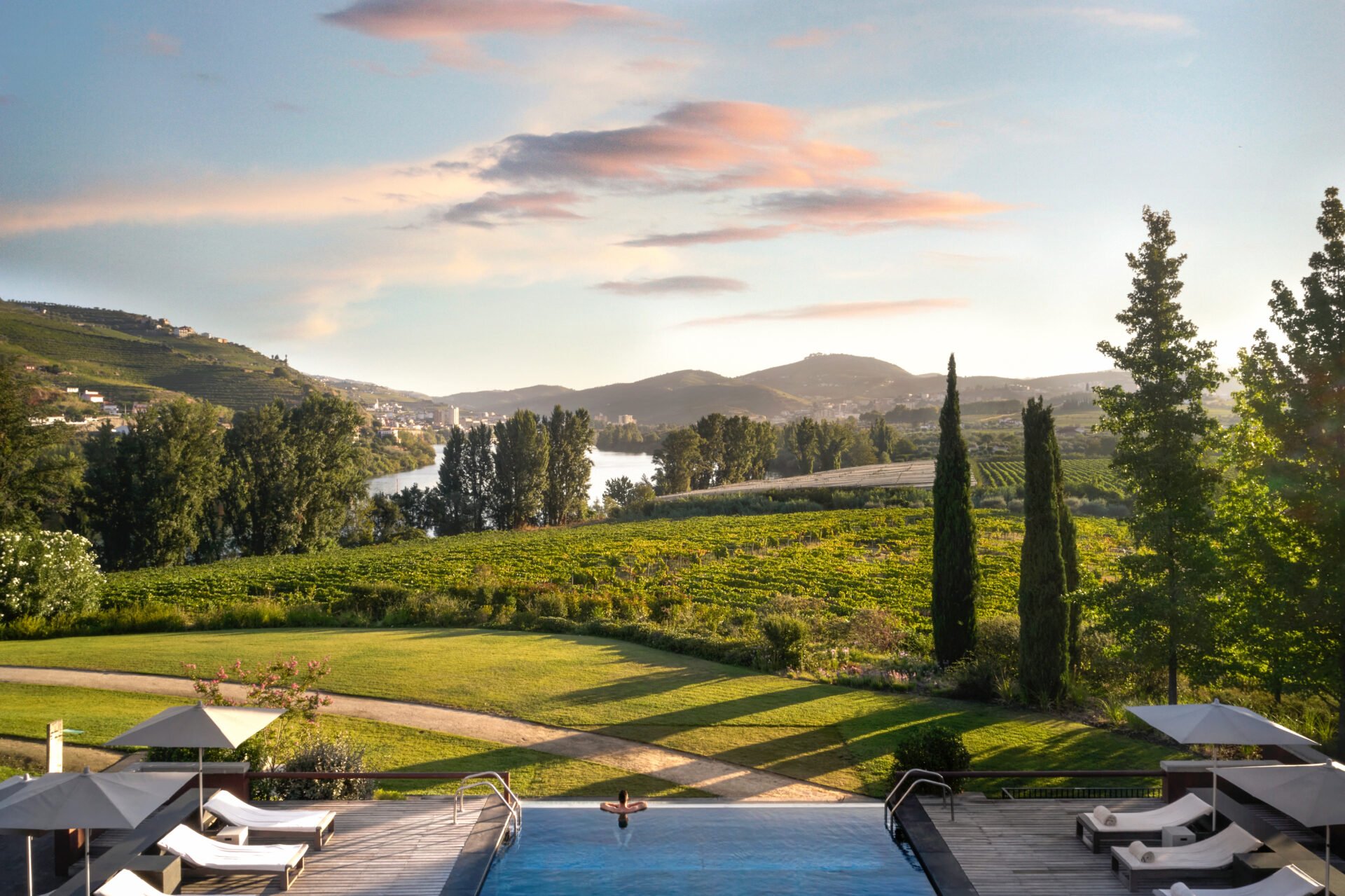
The projects continue across very different contexts. In Portugal’s Douro Valley, an electric vehicle now provides transport for people with disabilities, supporting access to education, therapy and community life.
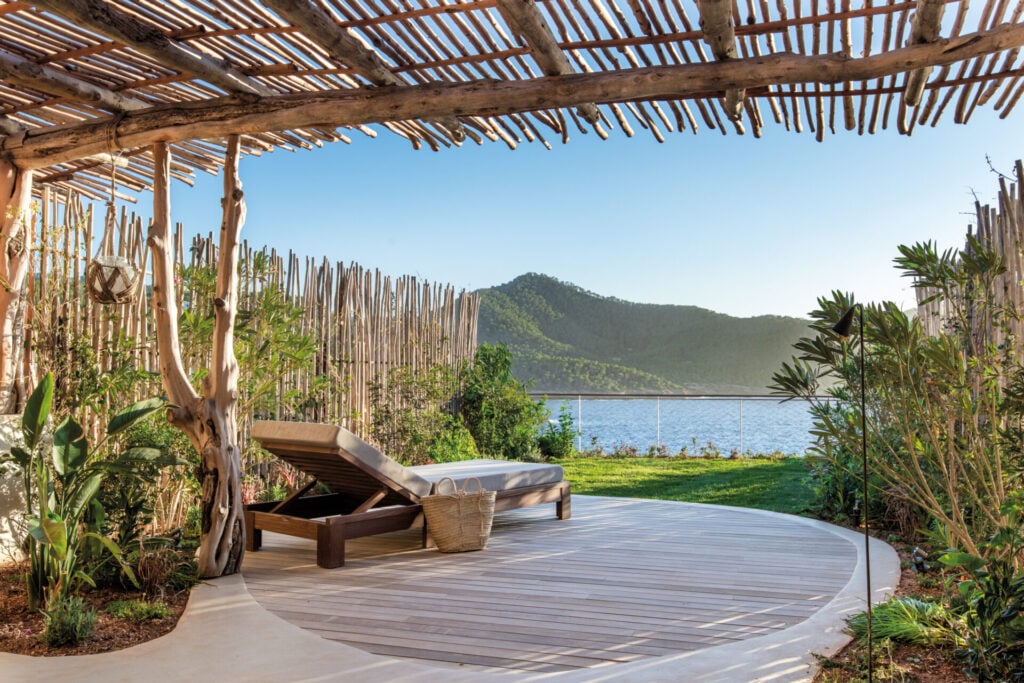
In Ibiza, reforestation and biodiversity monitoring programmes are restoring native ecosystems, while local schools are involved in planting initiatives to embed environmental awareness across generations.
Even in urban settings, the approach holds. In Rome, projects along the River Tiber combine education and hands-on clean-ups to tackle plastic and microplastic pollution in one of the city’s most iconic waterways.
Six Senses Redefining luxury travel
Six Senses’ approach reflects a broader shift within the travel industry, as sustainability moves from a marketing add-on to a core expectation—particularly among high-end travellers.
The concept of regenerative tourism goes further than traditional sustainability by asking a more challenging question: not just how to minimise impact, but how to create a net positive one.
At its best, that means supporting biodiversity, strengthening local economies and investing in infrastructure that benefits communities long after guests have checked out.
For now, initiatives like these remain relatively niche within the wider hospitality sector. But as climate pressures intensify and travellers become more conscious of their footprint, models that prioritise long-term impact over short-term gain are gaining traction.
Six Senses’ Regenerative Impact Fund may represent a small percentage of revenue, but its reach is expanding, demonstrating how even incremental changes, when scaled across a global portfolio, can begin to reshape the relationship between travel and the places it touches.