

Everyone is layering actives, from acids and retinol to vitamin C, and often all at once. But instead of better skin, many are seeing the opposite: sensitivity, breakouts, and routines that don’t work. The industry is calling it ‘skin burnout’.
According to recent dermatology reports, cases of sensitive or reactive skin have risen significantly in the past decade, with studies suggesting that up to 60–70 per cent of women now identify as having sensitive skin, often linked to a compromised barrier. Add to that the rise of multi-step routines, potent actives and ‘skin cycling’ trends, and it’s easy to see how the balance has tipped.
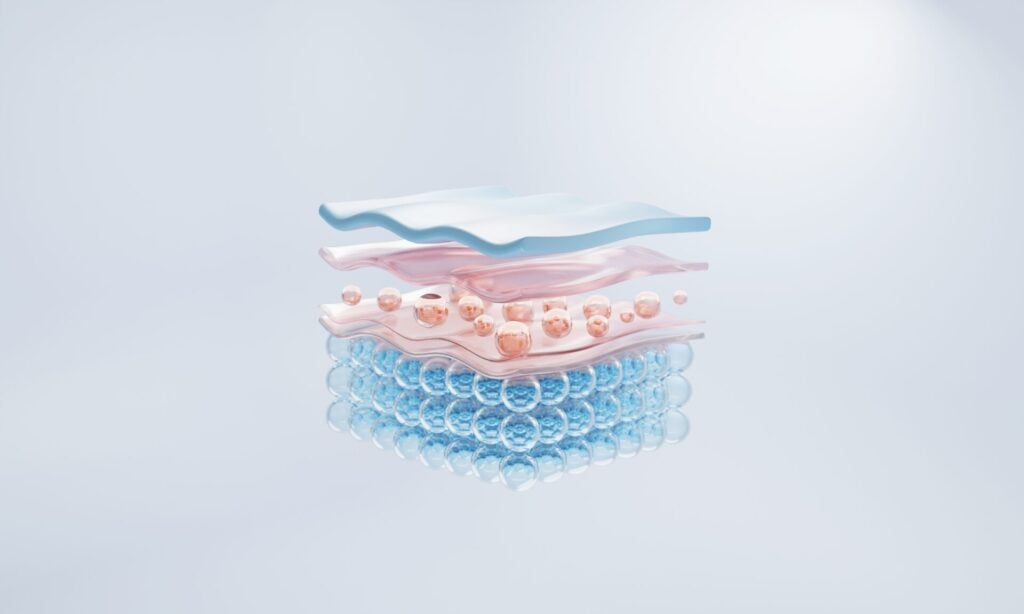
At the centre of it all is the skin barrier: a thin yet critical layer that keeps moisture in and irritants out. When functioning well, it protects, repairs and regenerates in line with the body’s natural circadian rhythm. When pushed too far, it begins to falter.
We reached out to Jitin Jaggi, Managing Director of Circadia Skincare SAMENA – a professional, chronobiology-led brand that formulates its products based on the skin’s natural rhythms, protecting by day and repairing by night – to unpack what ‘skin burnout’ actually means, why it’s happening now, and how a more restrained, rhythm-led approach may be the key to restoring balance.
TE: ‘Skin burnout’ is a term we’re hearing more often—what exactly is it?
Jitin Jaggi: Skin burnout is essentially a state where the skin barrier and its natural repair processes are under continuous strain, to the point where the skin becomes reactive, unpredictable, and less resilient. It is not really a clinical diagnosis, but rather a practical way of describing skin that has lost balance. You typically see a combination of sensitivity, dehydration, dullness, breakouts, and a general ‘nothing is working anymore’ feeling, even when the products used are high-quality and appropriate.
It closely aligns with what we see when the skin’s natural circadian rhythm is disrupted over time. The skin is designed to protect itself during the day and repair at night, but when it is repeatedly pushed with actives, environmental stress, or inconsistent routines, that cycle becomes less efficient. The result is skin that is functioning below its optimal level.
TE: Why is it happening now? Are we overdoing skincare?
JJ: In many cases, yes, the issue is overcorrection rather than neglect. Skincare has become more active, more layered, and more experimental. People are using exfoliating acids, retinoids, and treatment-based products more frequently, often without enough recovery built in between.
At the same time, external factors like pollution, climate, and lifestyle stress are placing additional pressure on the skin. When this is combined with disrupted circadian rhythms, the skin is constantly being asked to defend and repair at the same time, which it simply cannot sustain long term. Over time, this leads to barrier fatigue and reduced skin resilience.
TE; What are the early signs that your skin barrier is compromised?
JJ: The earliest signs of skin burnout are often subtle. Skin may start to feel more reactive than usual, products that were previously well tolerated may suddenly cause stinging or irritation, and there can be a general loss of glow. Some people also notice their skin feels tight shortly after cleansing, even when using hydrating products.

As it progresses, you may see increased redness, uneven texture, or breakouts that feel more inflamed and take longer to heal. These things are often less about a single concern and more about a breakdown in overall skin function and regulation.
TE: What’s the biggest mistake people make when trying to fix it?
JJ: The most common mistake is trying to treat skin burnout aggressively. When the skin feels unstable, there is often a tendency to add more active ingredients, increase exfoliation, or switch products frequently in an attempt to ‘correct’ the issue quickly. In reality, this usually prolongs the problem; patience and gentle care are key.
The skin at this point is not asking for stimulation, it is asking for stability. Continuing to push it only further disrupts the barrier and delays recovery. A more effective approach is to step back, simplify, and allow the skin to re-establish its natural rhythm and function.
TE: If someone stripped their routine back today, what should they focus on?
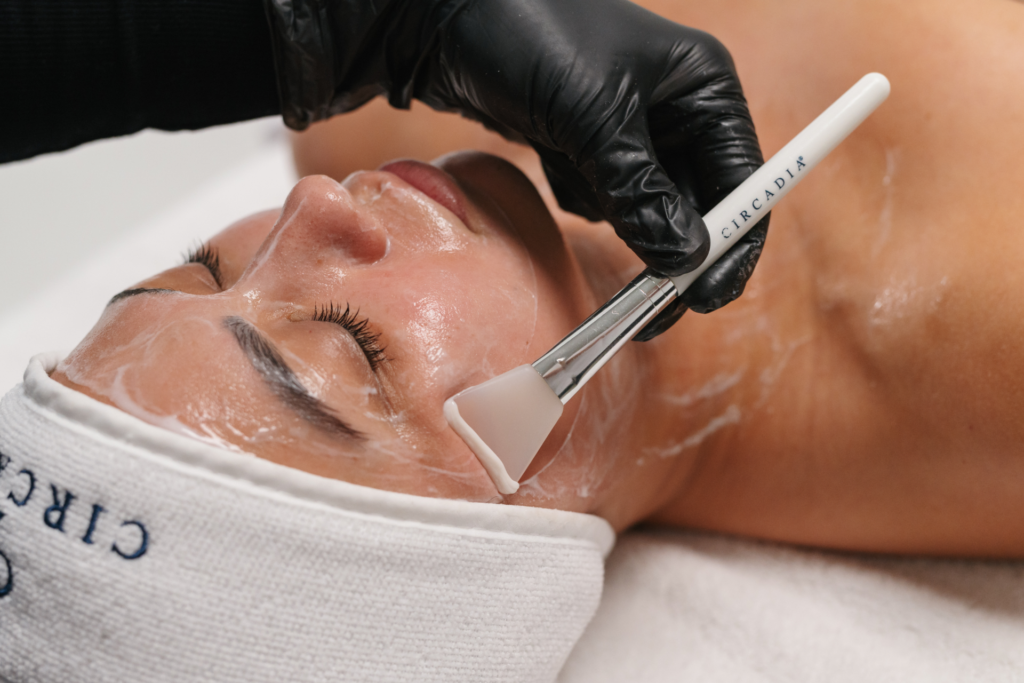
JJ: The priority should be calming, hydrating, and supporting barrier function while respecting the skin’s natural circadian rhythm. In practical terms, this means a gentle cleanse, a hydrating and barrier-supportive serum and/ or moisturiser, and consistent daily SPF during the day. At night, the focus should shift towards repair, using formulations that support regeneration without overstimulating the skin.
Ingredients such as peptides, antioxidants, and hydrating complexes are particularly helpful here, as they support function rather than forcing change. The goal is not to treat everything at once, but to restore balance so the skin can begin responding normally again. Once stability returns, more targeted treatments can be reintroduced gradually and with better results.
Made in the USA, Circadia combines 24 years of skin science and over 50 years of research in skin physiology with clinic-tested protocols trusted by professionals worldwide. Every formula is purpose-built to target real concerns with intelligent ingredients delivering powerful results that works in sync with the skin’s natural rhythms.