

Intensive care units have always been stressful places to work. Nurses and doctors make fast decisions every day while caring for patients in critical condition. But in many hospitals, the pressure has become harder to manage because there are not enough healthcare workers to handle the workload. Long shifts, emotional stress, and constant patient demands continue to push ICU teams to their limits.
Many people notice crowded hospitals and longer wait times, but they may not realise how deeply understaffing affects healthcare workers and patient care. Burnout in ICUs does not only harm nurses and doctors. It also creates ethical problems, increases medical risks, and affects families who depend on quality care during difficult moments.
Hospitals across the country continue searching for solutions, but staffing shortages remain one of the biggest challenges in healthcare today.
Why ICU Staffing Shortages Keep Getting Worse
Several factors continue to increase staffing problems in intensive care units. Many experienced nurses have left bedside care because of stress, emotional exhaustion, and demanding schedules. At the same time, hospitals continue seeing higher patient numbers, especially among older adults with complex medical needs.

Critical care nursing requires advanced training and quick decision-making skills. Not every nurse wants to work in such a high-pressure environment, which makes recruitment more difficult for hospitals already struggling with shortages.
Many healthcare professionals now look for ways to expand their skills and move into advanced practice roles through online AGACNP programs. Northern Kentucky University offers an online MSN – Adult-Gero Acute Care Nurse Practitioner program designed for working nurses who want advanced clinical training to care for adolescent, adult, and geriatric patients in acute care settings. Programs like these help prepare nurses for the growing demand in critical and acute care environments.
Another major problem involves scheduling. Many ICU nurses work long shifts with very little recovery time between them. Some hospitals rely heavily on overtime to cover gaps in staffing. Over time, this creates physical exhaustion and emotional fatigue that become difficult to manage.
The Emotional Toll Burnout Takes on ICU Nurses
Burnout affects ICU nurses both mentally and physically. Many nurses deal with emotional exhaustion after spending long hours caring for critically ill patients. They often support families during painful moments while also managing complicated medical responsibilities.
Over time, constant stress can lead to compassion fatigue. Nurses may feel emotionally drained and disconnected from work they once enjoyed. Some struggle with anxiety, sleep problems, and depression. Others begin questioning whether they can continue working in critical care at all.
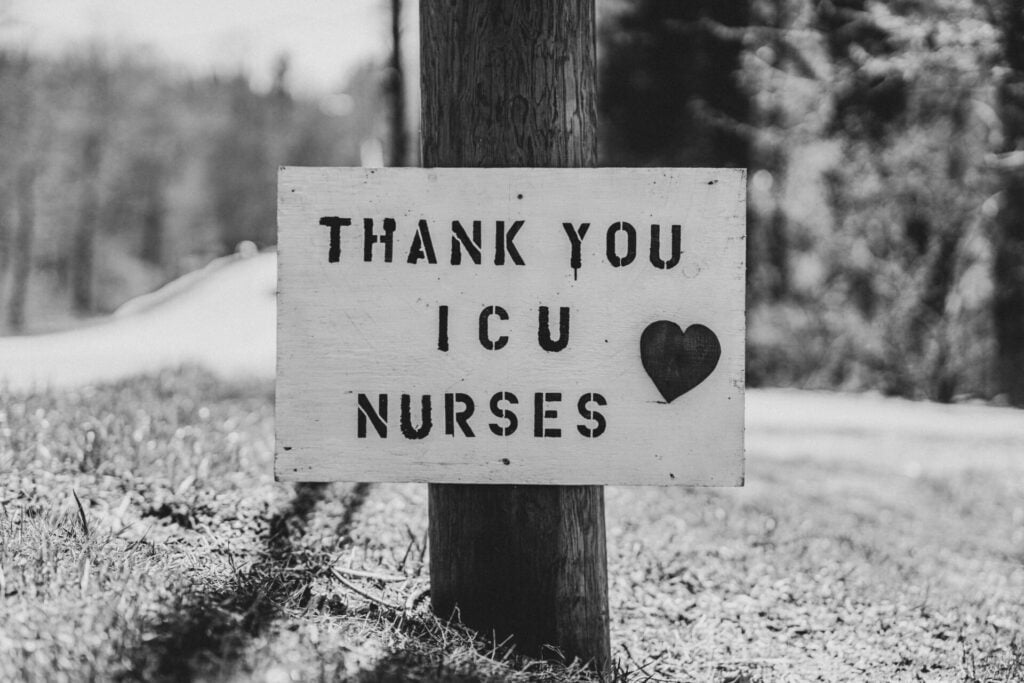
Work-life balance also becomes difficult when staffing shortages force nurses to work overtime or pick up extra shifts. Missing time with family and losing opportunities for rest can increase frustration and emotional stress.
Burnout also affects teamwork inside the ICU. Exhausted staff members may struggle with communication or lose patience more quickly during stressful situations. In healthcare settings where teamwork matters greatly, emotional strain can create additional pressure for the entire staff.
Ethical Problems Created by Under-Staffed ICUs
Understaffing creates difficult ethical challenges for healthcare workers every day. Nurses often face situations where they cannot spend enough time with every patient because too many people need urgent care at once.
Most ICU professionals want to provide safe, compassionate, and attentive care. When staffing shortages prevent that level of care, many nurses experience moral stress. They know what patients need, but they may not have enough time or resources to deliver it fully.
These situations can create feelings of guilt and frustration. Nurses may leave shifts feeling that they could not meet their own professional standards, even though they worked as hard as possible.

Ethical stress also appears when hospitals continue accepting high patient volumes without enough staff support. Healthcare workers may feel caught between hospital demands and patient safety concerns.
The Conflict Between Hospital Budgets and Patient Safety
Hospitals face financial pressure like many other organisations. Staffing costs remain one of the largest expenses in healthcare systems, which sometimes leads administrators to limit hiring or reduce staffing levels.
While these decisions may lower short-term costs, they can create bigger problems over time. Burned-out professionals are more likely to leave their jobs, forcing hospitals to spend additional money on recruiting and training replacements.
High turnover also hurts patient care because experienced ICU nurses play a major role in managing emergencies and mentoring newer staff members.
When hospitals fail to support healthcare workers properly, both staff morale and patient safety can suffer.
The Hidden Cost to Patients and Families
Patients and families often experience the effects of understaffing even when they do not fully understand the cause. Delayed responses, shorter conversations, and limited emotional support can increase stress during already difficult situations.

In some cases, understaffing may affect recovery times and patient outcomes. ICU patients often require close monitoring and fast interventions. When nurses care for too many patients at once, it becomes harder to provide constant attention.
Families also depend on clear communication from healthcare providers. Overworked staff members may struggle to answer every question thoroughly or provide regular updates throughout the day. This can leave families feeling anxious, confused, or disconnected from the care process.
Why Trust in Healthcare Can Decline
Repeated negative experiences can slowly affect public trust in healthcare systems. Patients and families may feel frustrated when hospitals appear disorganised or rushed.
Sometimes, overwhelmed healthcare workers may seem distant or impatient, even when they care deeply about their patients. Emotional exhaustion can affect communication style and energy levels during stressful shifts.
When people lose confidence in the healthcare experience, it can create long-term concerns for hospitals and healthcare organisations trying to rebuild trust within their communities.
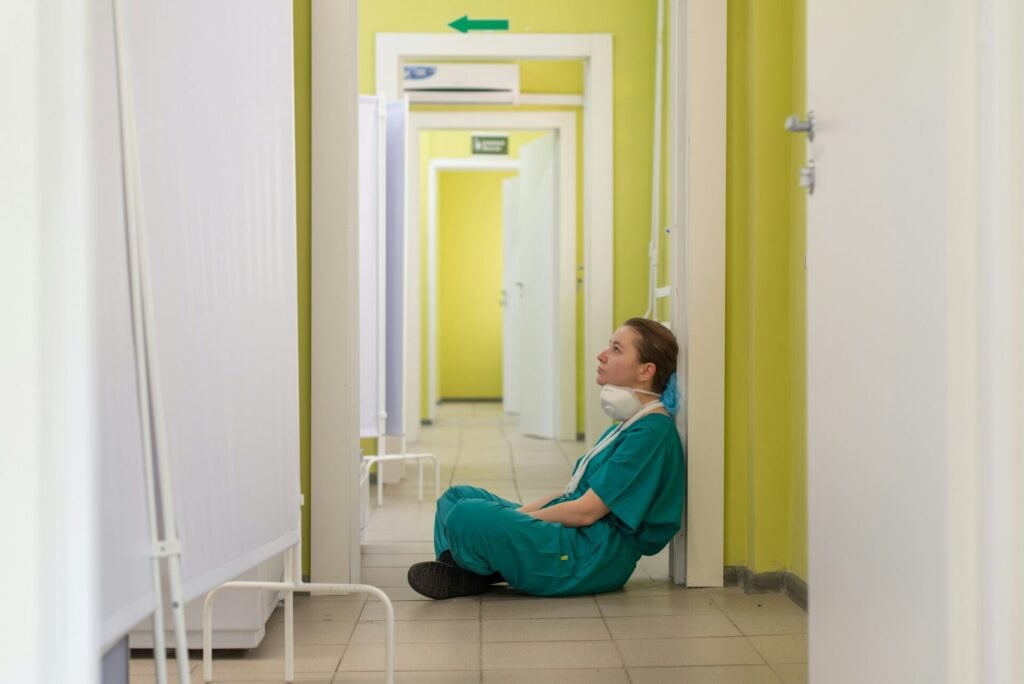
Under-staffed ICUs create challenges that affect everyone involved in healthcare. Nurses and doctors face emotional exhaustion, ethical stress, and overwhelming workloads while trying to provide the best possible care for critically ill patients.
Healthcare organisations must recognise that supporting ICU professionals is not optional. Better staffing, stronger mental health support, and continued education can help reduce burnout and improve patient care at the same time.
ICU teams continue showing incredible dedication every day. With the right support systems in place, hospitals can help protect both the people giving care and the patients depending on them most.