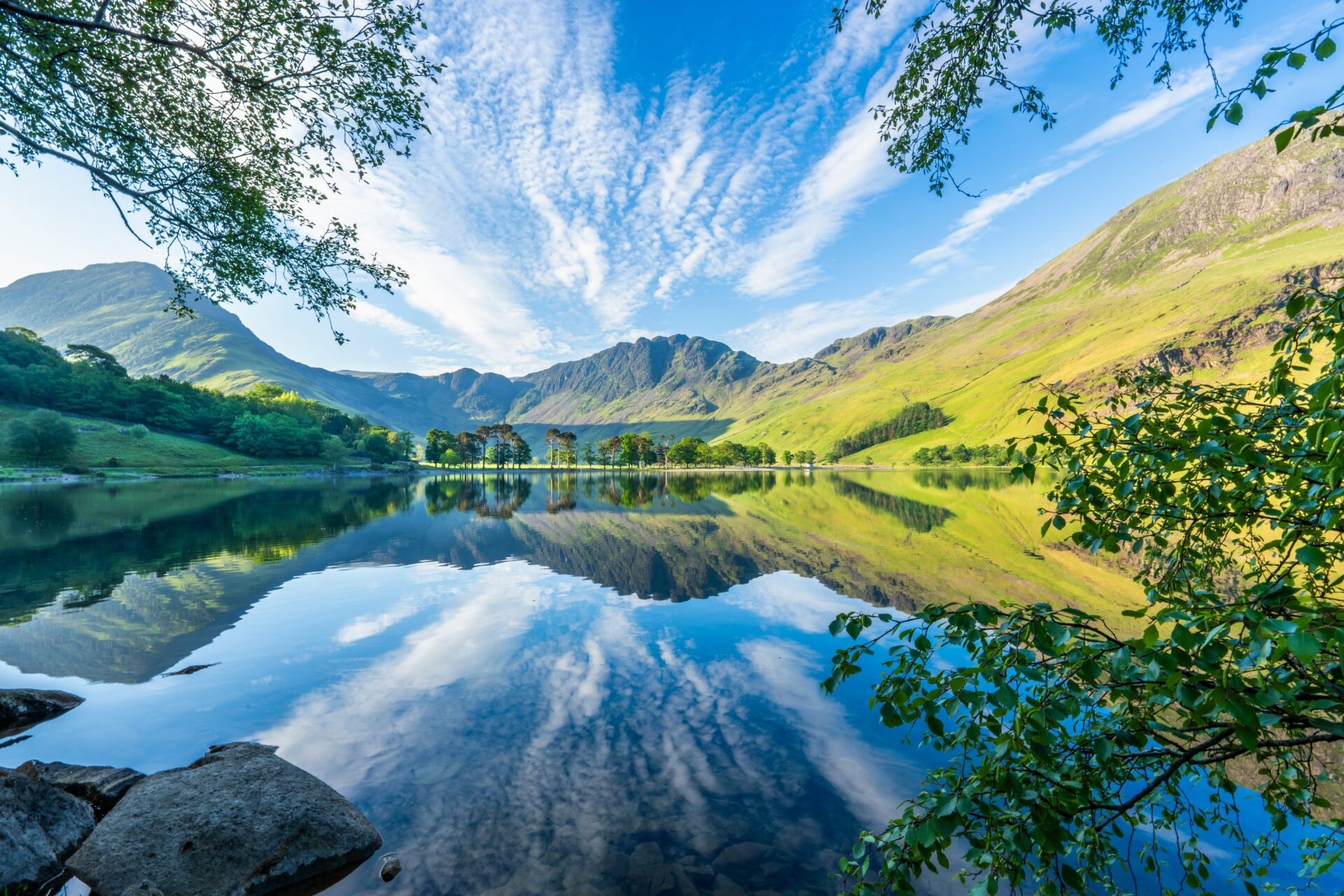
Climate disasters. Plastic pollution. Species extinction. If environmental headlines have left you feeling overwhelmed, you’re not alone. But while bad news often dominates the news cycle, environmental wins rarely attract the same attention.
This World Environment Day, it’s worth remembering that progress is happening. Across the globe, conservationists, scientists, governments and communities are proving that environmental action can work.
From one of the greatest wildlife recoveries in modern history to record-breaking clean energy milestones, here are ten environmental wins that deserve a moment in the spotlight.
1. Amazon Deforestation Has Fallen to Its Lowest Level in Years
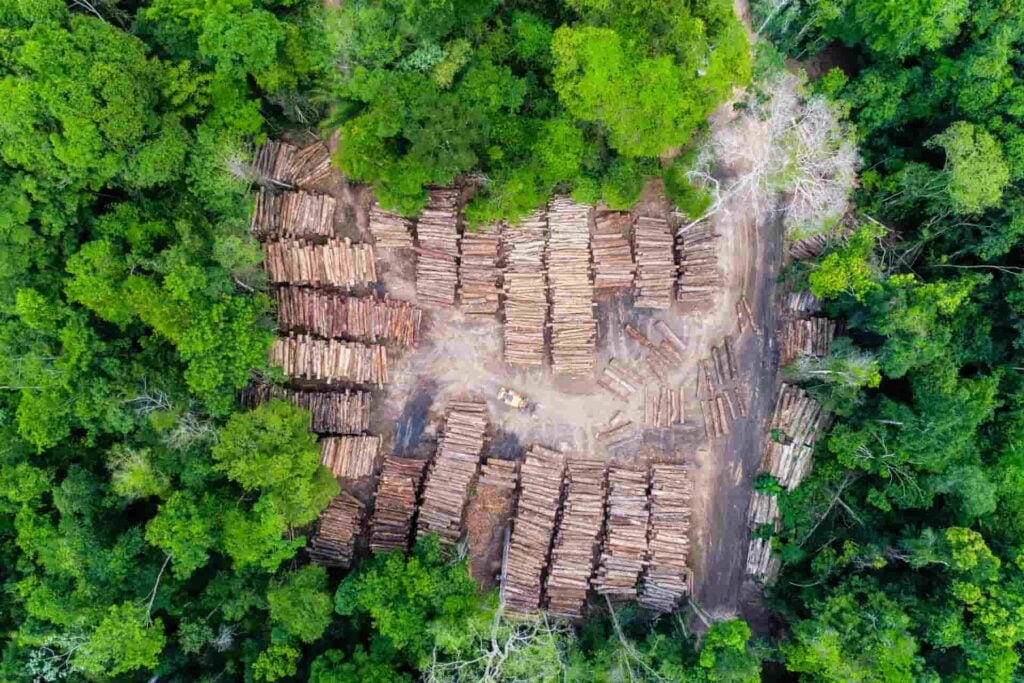
The number of deforested kilometres in Brazil’s Amazon between August 2025 and March 2026 fell by 36 per cent compared to the previous year, according to a recent report published by the Brazilian Human and Environment Amazon Institute. In total, 1,460 square kilometers (564 square miles) of land were cut down, the lowest figure since 2018. Stronger enforcement, satellite monitoring and renewed environmental protections have helped slow forest loss.
2. The Saiga Antelope Has Made an Extraordinary Comeback

Few wildlife stories are as remarkable as that of the saiga antelope. Once roaming the Eurasian steppes in vast numbers, the species suffered a catastrophic decline due to poaching, disease and habitat loss. By the early 2000s, populations had plummeted alarmingly.
Today, thanks to intensive conservation efforts, Kazakhstan’s saiga population is estimated to have rebounded to more than four million animals. Conservationists are describing it as one of the most successful wildlife recoveries ever recorded.
3. The World’s Largest Marine Protected Area Was Created
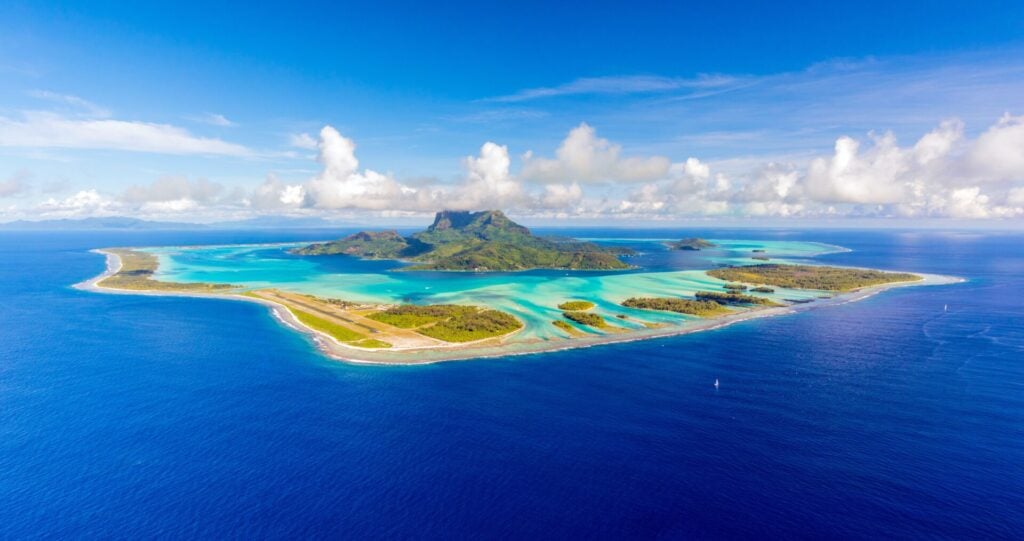
Among this year’s biggest environmental wins for the oceans, French Polynesia announced the creation of the world’s largest marine protected area, covering an astonishing 4.8 million square kilometres of ocean. The protected zone will help safeguard critical marine ecosystems, including coral reefs, migratory routes and important feeding grounds for marine life. More than one million square kilometres will receive particularly strong protections, offering a significant boost for ocean conservation.
4. France Made It Illegal to Destroy Unsold Clothing
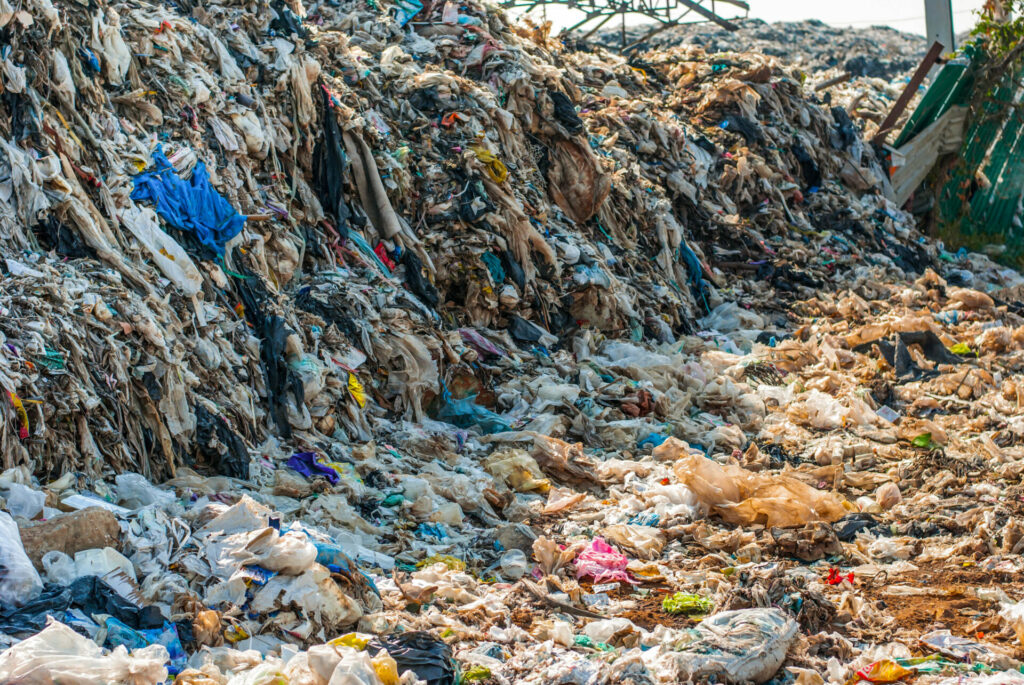
For years, fashion brands have burned, shredded and discarded unsold stock to protect exclusivity and avoid discounting. France recently became the first country in the world to outlaw the practice, requiring companies to donate, reuse or recycle unsold non-food products instead. The legislation has forced brands to rethink overproduction and helped accelerate the shift towards a more circular fashion economy. As one of the world’s fashion capitals, France sent a powerful message with its decision that waste should no longer be built into the business model.
5. The High Seas Treaty Moved Closer to Reality
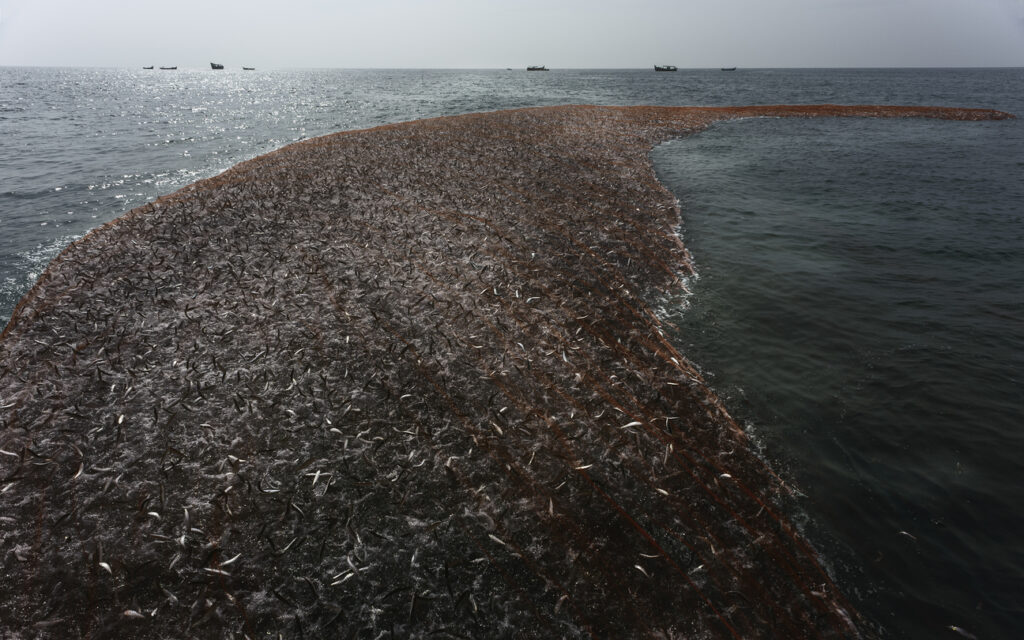
For decades, vast areas of the ocean beyond national borders have lacked meaningful protection. That is beginning to change. The landmark High Seas Treaty secured the ratifications needed to move towards implementation, creating the first international legal framework specifically designed to protect biodiversity in international waters.
Given that nearly two-thirds of the world’s oceans lie outside national jurisdictions, the treaty represents a major step forward for marine conservation.
6. China’s Renewable Revolution Reached a Historic Turning Point
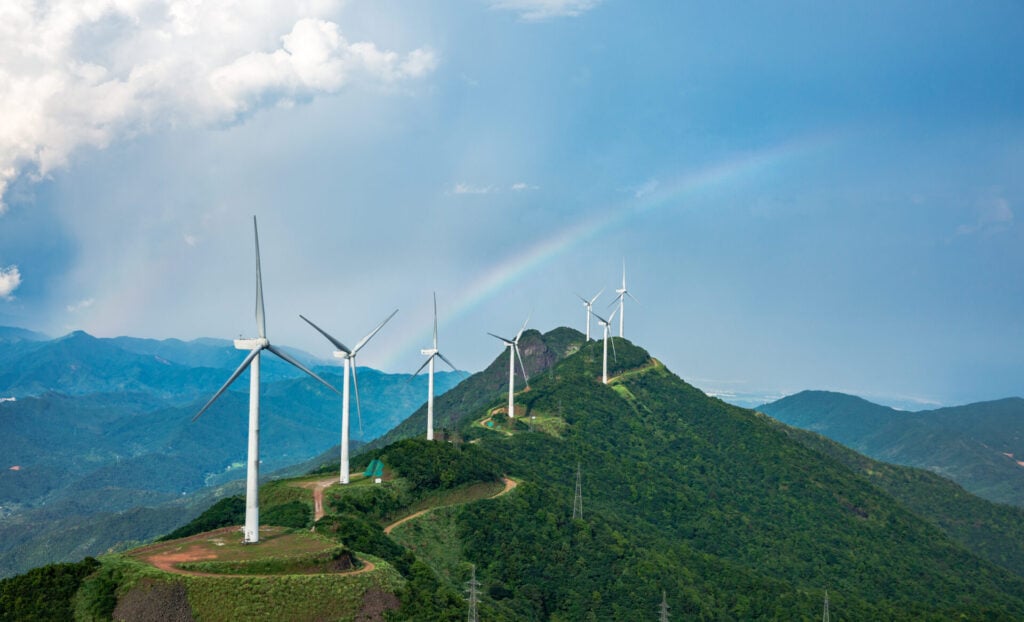
While wildlife recoveries often dominate lists of environmental wins, some of the most important progress is happening on power grids. In 2025, China reached a landmark moment when combined wind and solar capacity overtook thermal power capacity for the first time in history. Even more significantly, coal-heavy thermal power generation fell despite rising electricity demand. As the world’s largest carbon emitter, China’s energy transition has global implications, making this one of the most consequential environmental wins of the year.
7. Europe Is Making Throwaway Culture Harder

One of the most significant environmental wins for consumers in recent years came when the European Union approved landmark Right to Repair legislation designed to make products last longer. The new rules require manufacturers to offer repairs for a range of products, provide better access to spare parts and make repairs more affordable for consumers. With the average European generating around 16kg of electronic waste each year, the move aims to reduce waste, conserve resources and challenge the culture of disposable consumption.
8. The Ozone Layer Continues Its Recovery
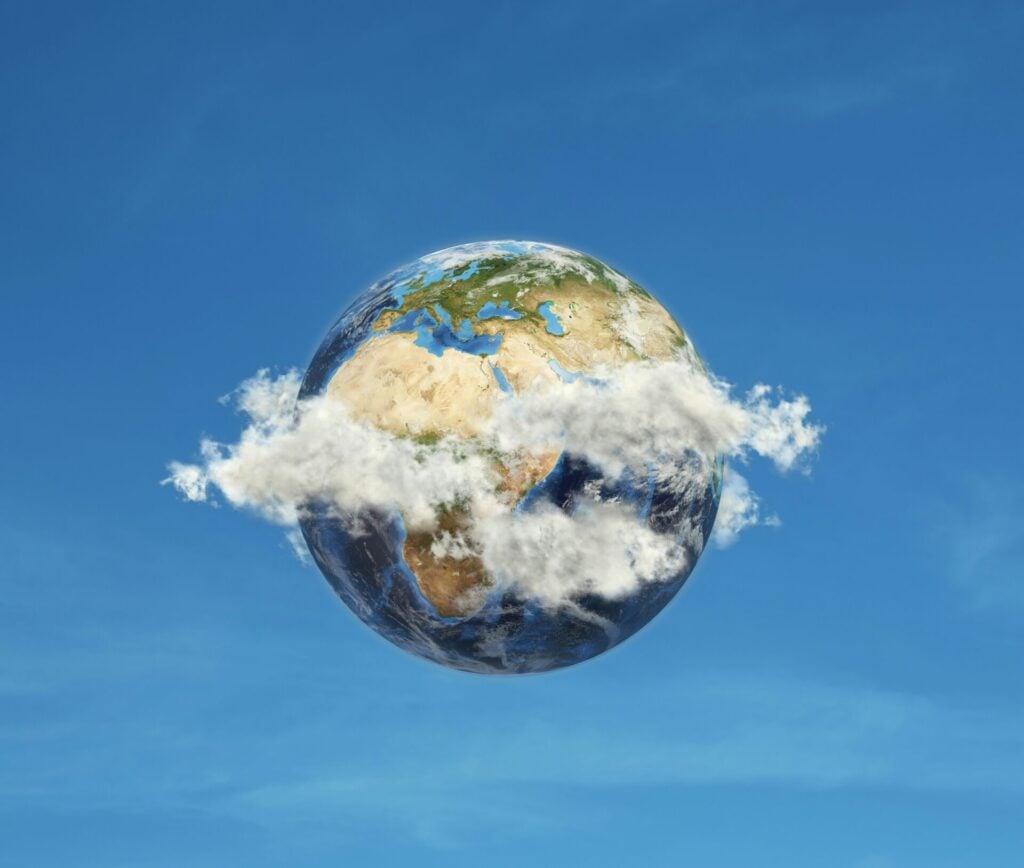
The ozone hole was once one of the defining environmental crises of the late 20th century. Today, it stands as one of the world’s greatest environmental wins, demonstrating how global cooperation can solve complex environmental challenges. Scientists reported that the Antarctic ozone hole was among the smallest and shortest-lived seen since 2019, continuing a long-term recovery trend following the global phase-out of ozone-depleting chemicals under the Montreal Protocol.
9. Beavers Have Returned to Portugal After 600 Years
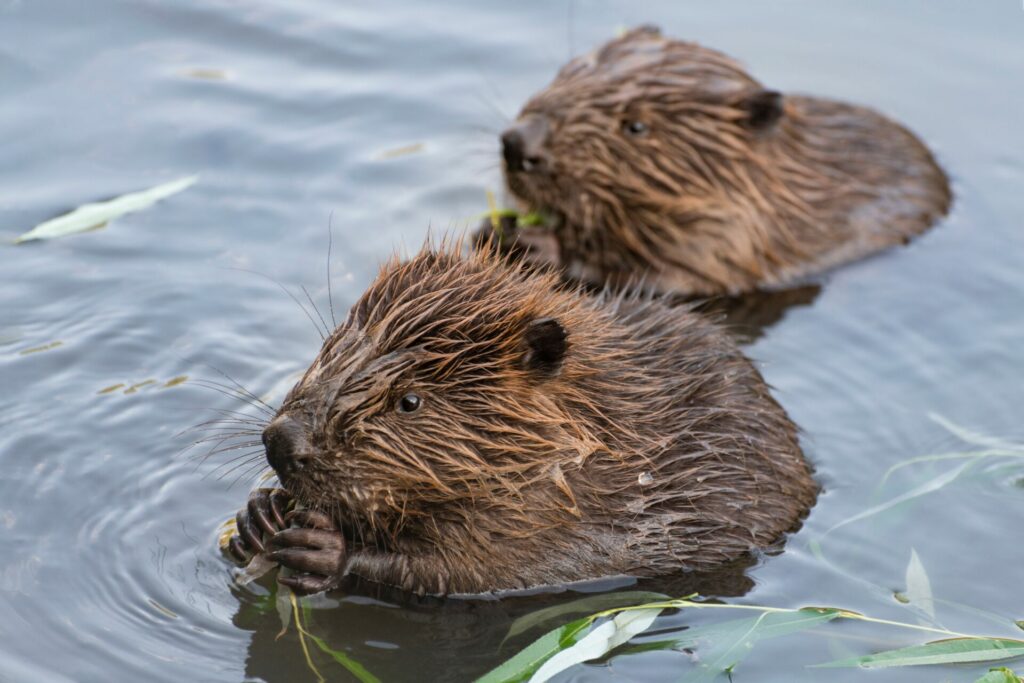
In Portugal, beavers have been recorded once again after an absence of around six centuries. Their return is linked to improving river ecosystems and expanding populations elsewhere in Europe. Known as ecosystem engineers, beavers create wetlands that support biodiversity, improve water quality and help landscapes become more resilient to drought and flooding.
10. A Million Hectares of Nature Are Being Restored

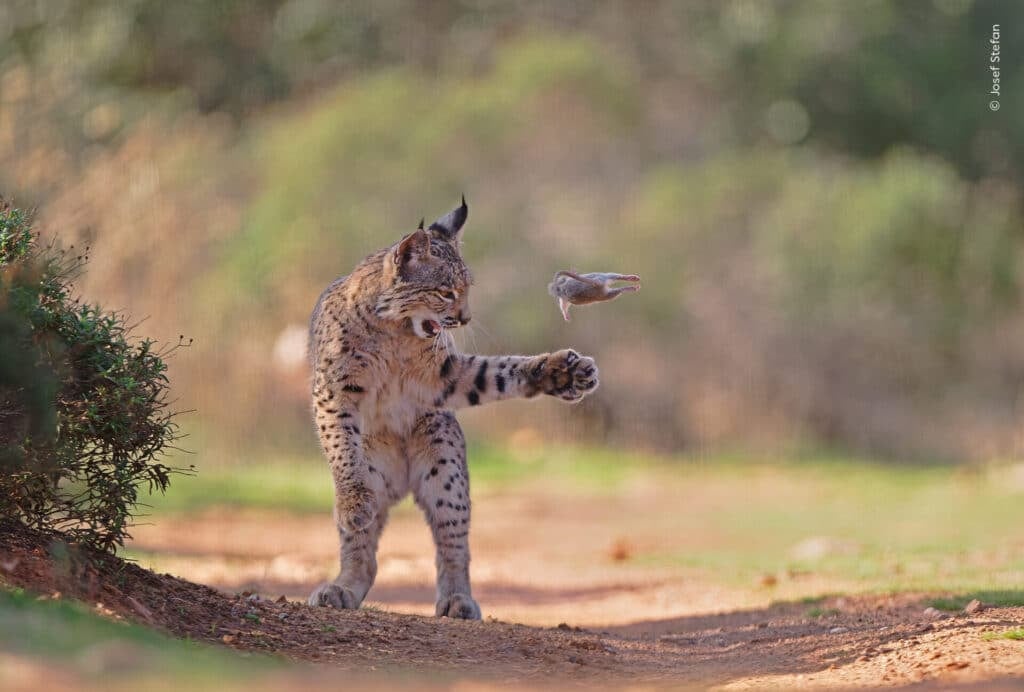
From the Scottish Highlands to the Iberian Peninsula, large-scale rewilding projects are restoring forests, wetlands and grasslands on a scale that would have seemed ambitious just a decade ago. Conservation groups are increasingly moving beyond simply protecting what’s left and are actively rebuilding ecosystems, creating connected habitats that allow wildlife to thrive once again. The European Wildlife Comeback Fund supported 23 wildlife reintroduction projects across nine countries in 2025 alone, covering 17 species ranging from vultures to large herbivores. Since its launch in 2022, the fund has committed more than €3 million to wildlife recovery efforts across the continent.