Best known as a gym supplement for men, creatine has long been overlooked by women and largely ignored by researchers. But a growing body of evidence suggests it could play an important role in preserving muscle, supporting cognitive function and helping women age more healthily, particularly during perimenopause and menopause.
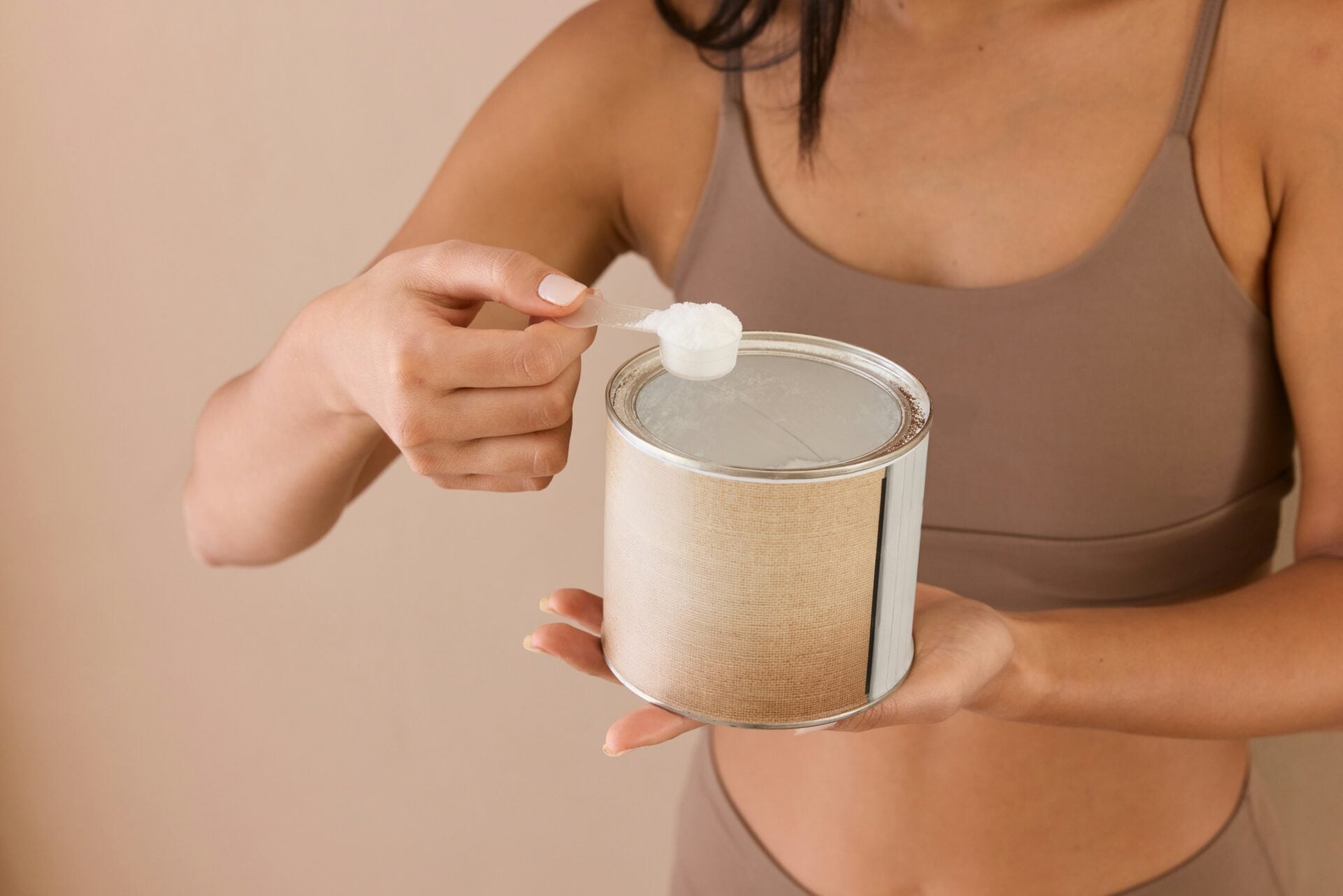
Creatine is not a steroid, not a stimulant and not exclusively a sports product. It is a compound your own body makes, found naturally in muscle and brain tissue. Its primary role is to help cells produce energy quickly, which is why it has traditionally been associated with athletic performance. But researchers are increasingly discovering that its benefits may extend far beyond the gym.
So why has it taken so long for women to enter the creatine conversation? Largely because the early research didn’t include them.
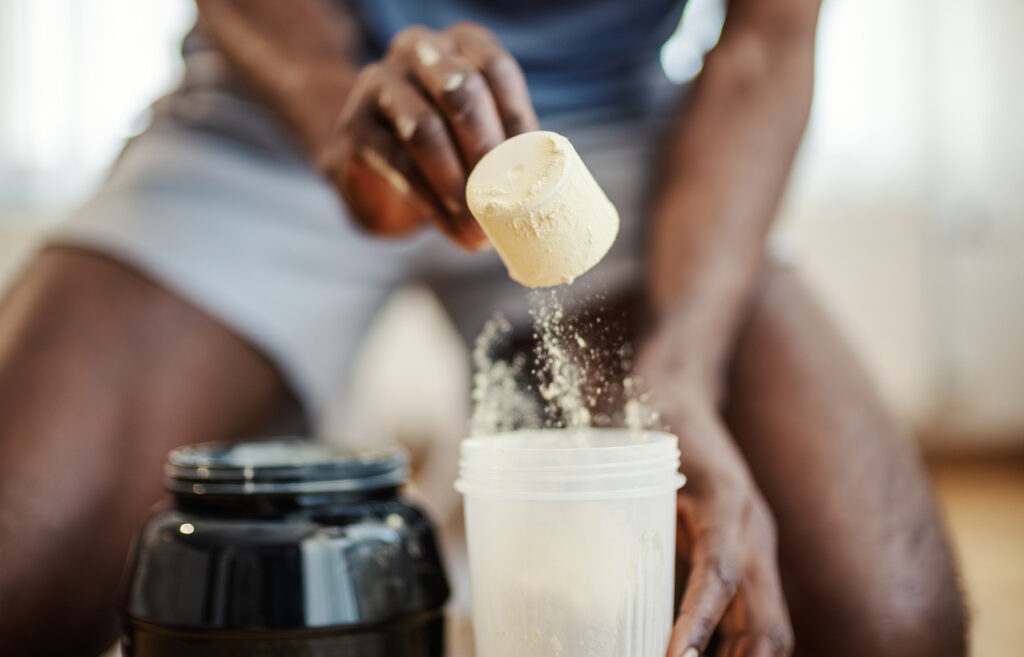
For years, studies were run almost exclusively on young men, and the findings were assumed to apply to everyone. They don’t translate neatly. Women store and metabolise creatine differently, and those differences shift across the menstrual cycle, pregnancy and menopause.
Only recently has research begun to account for this. A 2025 review in the Journal of the International Society of Sports Nutrition explicitly set out to bridge that gap, examining creatine across the female lifespan, and concluding that women may have the most to gain from precisely the applications the old research ignored.
What it does is support the muscle you already have and help you get more from the training you do. Most women who take it notice firmer, more toned muscle rather than added size
Those benefits extend far beyond athletic performance. Research suggests creatine may help women preserve muscle mass and strength as they age, support cognitive function and mood, and potentially ease some of the challenges associated with perimenopause and menopause. In other words, creatine is increasingly being viewed not as a bodybuilding supplement, but as a tool for healthy ageing.
Yet despite this growing evidence, one concern continues to put many women off: the fear that creatine will make them bulky. It won’t.
Visible muscle growth requires months of demanding training combined with a sustained calorie surplus, creatine alone does not create that. What it does is support the muscle you already have and help you get more from the training you do. Most women who take it notice firmer, more toned muscle rather than added size; if anything, clothes tend to fit better, not tighter.
Benefits of Creatine for Women
That matters more than many women realise, because muscle is not just about appearance. From our thirties onwards, we gradually lose muscle mass and strength, a process called sarcopenia, and for women it accelerates around menopause, as falling oestrogen compounds the decline.
Creatine is a tool that amplifies effort, not a substitute for it. The honest message is that it rewards movement rather than replacing it
Muscle is what keeps us strong, stable and metabolically healthy; its loss is closely tied to frailty, falls and fractures in later life. Preserving it is one of the most powerful investments a woman can make in how she will age. Creatine, paired with resistance training, is one of the few well-evidenced, low-cost tools that genuinely helps.
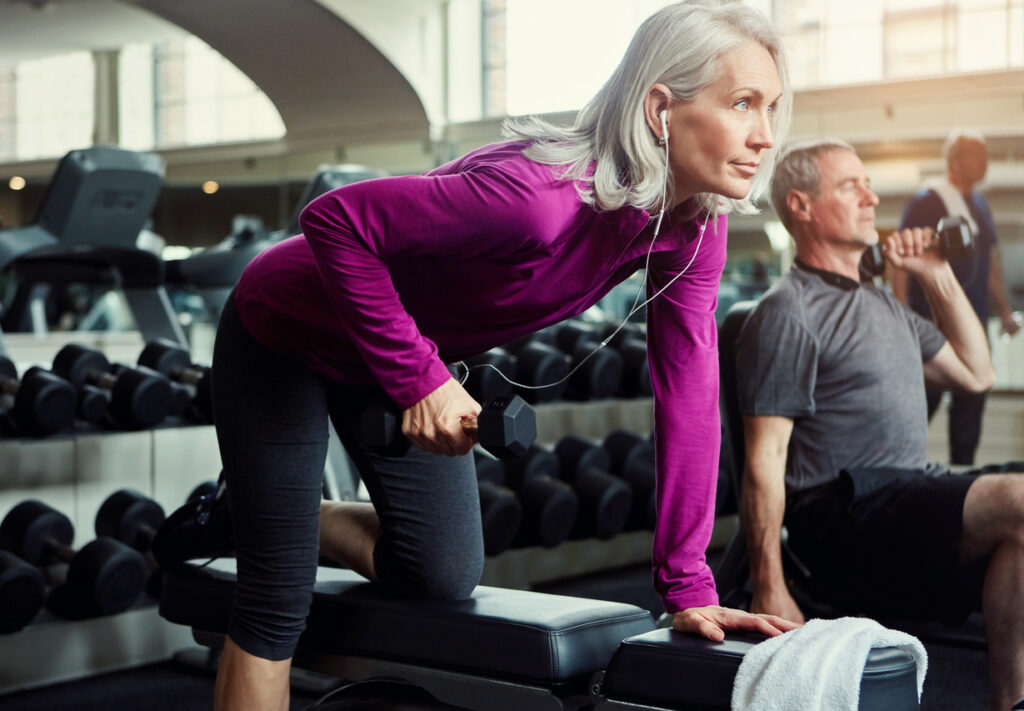
A fair question follows: does it help women who aren’t lifting heavy weights?
Creatine works best alongside resistance exercise; that partnership is where the strongest evidence sits. Also, ‘resistance training’ is not restricted to Barbells and Gyms, things like bodyweight work, resistance bands and the loaded movements of ordinary life all count, but consistency always matters. Creatine is a tool that amplifies effort, not a substitute for it. The honest message is that it rewards movement rather than replacing it.
Body and Brain Health
Some of the most intriguing recent findings concern the brain. Creatine fuels not only muscle but also neural tissue, and emerging research suggests it may support mood and cognition. A 2024 analysis of clinical trials found creatine may aid memory, attention and processing speed, with effects most noticeable when the brain is under stress, during sleep deprivation, for instance.
Perimenopause and beyond stand out, the convergence of muscle loss, bone-density decline, disrupted sleep and cognitive ‘brain fog’ is exactly the cluster creatine appears best placed to support
A small 2025 trial in peri- and post-menopausal women reported improvements in reaction time and reductions in mood-swing severity after eight weeks. These studies are early and modest in size, and I want to be clear that creatine is not a treatment for depression or a replacement for mental-health care. But the signal is real enough to take seriously.
This points to the life stages where women may benefit most. Perimenopause and beyond stand out, the convergence of muscle loss, bone-density decline, disrupted sleep and cognitive ‘brain fog’ is exactly the cluster creatine appears best placed to support. It is not a hormone therapy and shouldn’t be sold as one, but as part of a broader strategy it has a credible place.
Finally, the practical worry: water retention. Here, expectations matter. The bloating reputation comes from old ‘loading’ protocols of around 20 grams a day. Using a sensible maintenance dose, 3 to 5 grams daily, without a loading phase, we see little to no visible retention. Any early water shift is drawn into the muscle cells themselves, not under the skin or into the stomach, and it typically settles. You may notice a small change on the scale in the first week; you are very unlikely to see it in the mirror.
Creatine is among the most studied and best-tolerated supplements available, but it is not for everyone, anyone with kidney disease, or who is pregnant or breastfeeding, should speak to a clinician first. With that caveat, the broader point stands: Creatine is a safe, inexpensive and genuinely evidence-backed way to protect strength, mind and independence for the decades ahead. It is long past time women were part of the conversation.
Dr. Mahmoud Al Darabie is a General Practitioner and Medical Manager at Valeo Health ME in Dubai. He is a prominent wellness and lifestyle expert in the UAE, frequently featured for his insights on metabolic health, weight management, and preventative car