
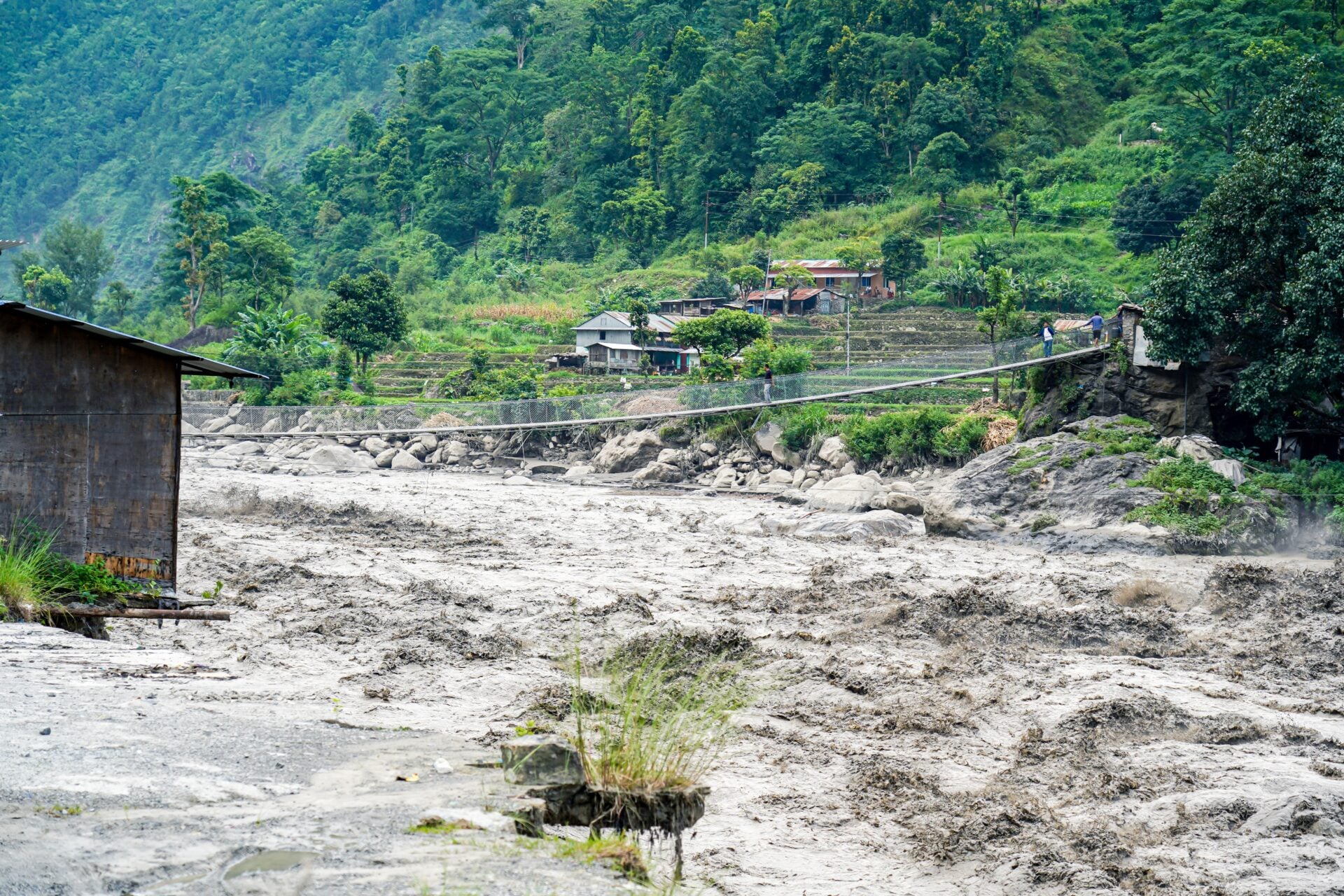
More than 160 people have been killed, and hundreds remain missing after a catastrophic glacier collapse triggered devastating flash floods in the mountainous Rasuwa district just north of Nepal’s capital Kathmandu
The disaster struck close to Nepal’s border with Tibet on August 26, sending an enormous torrent of water, mud, ice and rock through river valleys and communities below.
The US Geological Survey has confirmed that a glacial collapse and debris flow caused the disaster.
By Thursday morning, Nepal’s National Disaster Risk Reduction and Management Authority reported 826 people missing, including local residents, members of the security forces and hundreds of tourists.
Among those unaccounted for are foreign visitors from India, the US, Ukraine, Australia, Canada, and the UK.
Many of the victims were on a pilgrimage to Kailash Mansarovar, a high-altitude site in Tibet revered by Hindus and Buddhists among others.
Search-and-rescue operations are continuing across the affected region, with emergency teams searching riverbanks and downstream areas while helicopters have been deployed to reach survivors and communities cut off by the destruction.
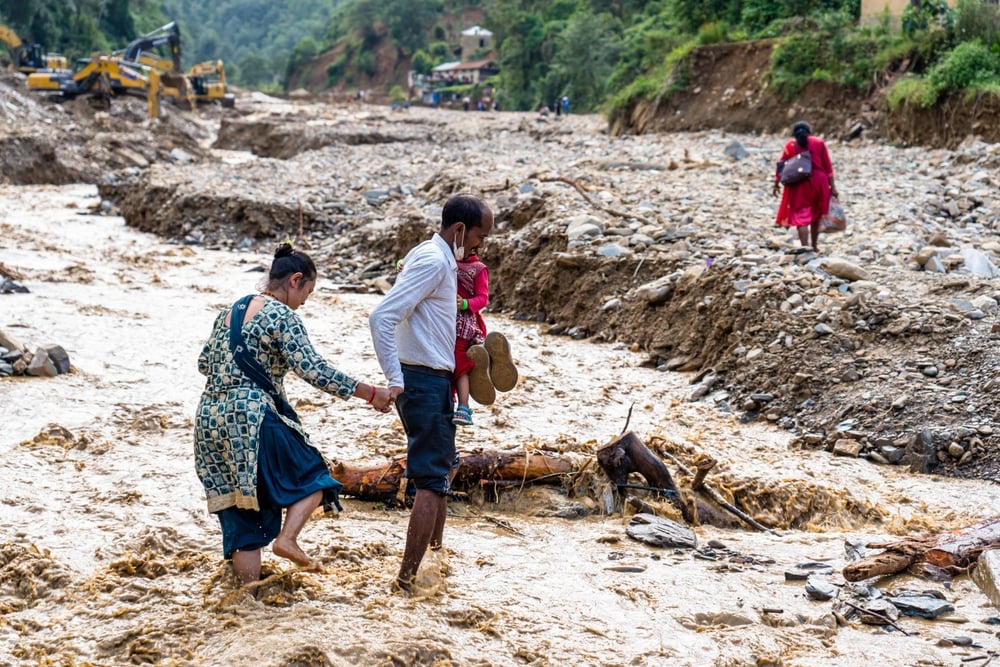
Homes, roads, bridges and other infrastructure have been swept away, while mudslides and damage to communications have made reaching some areas extremely difficult.
Several areas downstream of the Bhote Koshi River, which flows from Tibet to Nepal, are on high alert and roads, communications and power in the region have been disrupted. Authorities say the main road to Kathmandu is closed.
Verified videos from Nepal show a bridge being swept away and multi-storey buildings collapsed by the force of floodwaters, as well as a town with many buildings destroyed.
What Caused The Floods?
Early reports suggested an earthquake might have triggered the disaster, but later analysis showed that seismic instruments detected the massive movement of ice and rock.
Scientists believe an ice-and-rock avalanche from a glacier fell into or blocked a tributary of the Trishuli river system before unleashing the destructive surge downstream.
The event demonstrates the extraordinary power of so-called cascading disasters in high-mountain environments, where the collapse of ice or rock can rapidly trigger landslides, block rivers, and cause catastrophic flooding far below the original event.
Experts are still investigating precisely what caused this particular glacier to collapse.
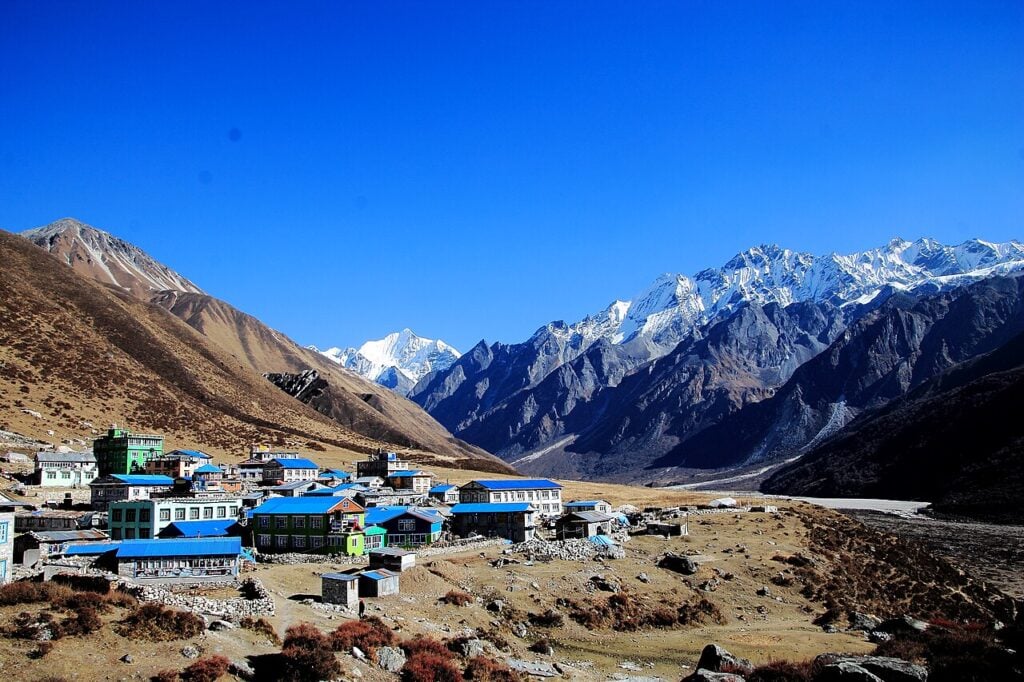
However, the tragedy comes amid mounting concern about the transformation of the Himalayan cryosphere, the region’s glaciers, snow and permafrost, as global temperatures rise.
The Hindu Kush Himalaya contains the largest volume of ice outside the polar regions and provides water to river systems on which billions of people ultimately depend.
But its glaciers are retreating as the climate warms, fundamentally changing mountain landscapes and creating new hazards for communities living downstream.
Melting glaciers can enlarge glacial lakes, while thawing permafrost can destabilise mountain slopes. Scientists warn that avalanches, landslides, and glacial lake outburst floods pose a growing threat across parts of the region.
For Nepal, a country that has contributed only a tiny fraction of historic global greenhouse gas emissions yet sits on the frontline of some of climate change’s worst impacts, adapting to those changes is becoming increasingly urgent.
International Aid Arrives In Nepal
Countries and international organisations have begun mobilising emergency assistance. The World Health Organisation has dispatched medicines, emergency medical supplies and multipurpose tents and is working with Nepalese authorities to maintain essential healthcare in affected communities.
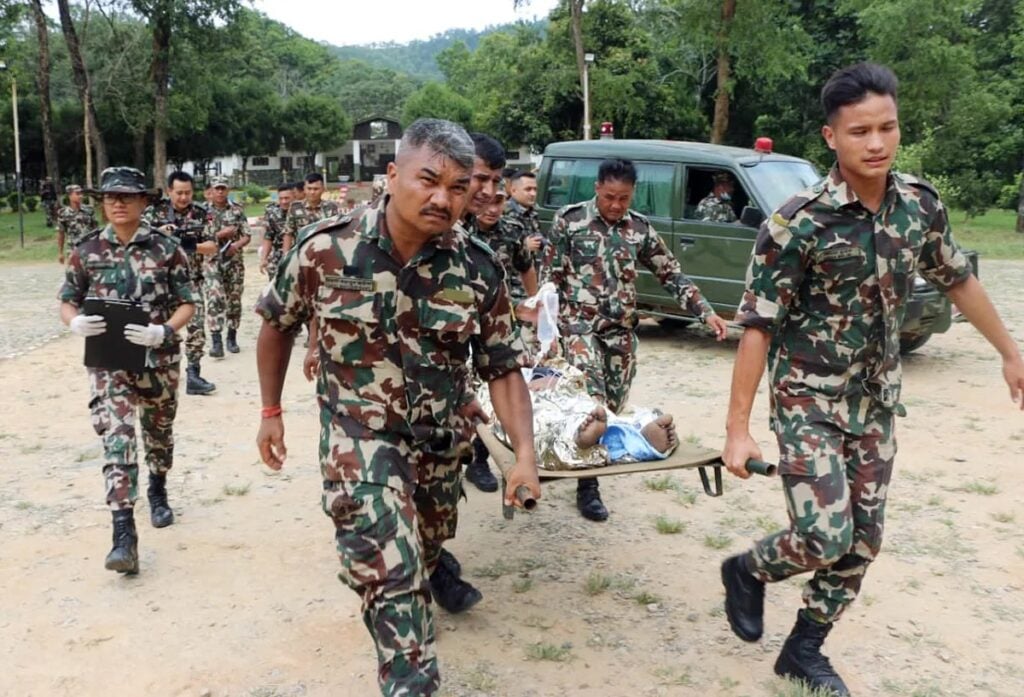
The United Nations Secretary-General, António Guterres, said UN teams and partners were mobilising supplies and personnel while the US government said it would provide $500,000 in emergency assistance.
Tibet government officials deployed nearly 800 emergency workers and 150 vehicles, along with sniffer dogs and speedboats, to support the rescue efforts. The Chinese president, Xi Jinping, said: ‘The most urgent task is doing everything possible to search for and rescue the missing people.’
India has also sent disaster-relief supplies, while international agencies including the Red Cross and United Nations are supporting the response.
For now, the priority remains finding those still missing. Hundreds of families are waiting for news as rescuers continue searching an immense landscape of mud and debris, while authorities also monitor the possibility of further flooding from rivers blocked by the disaster.
The final scale of the tragedy is not yet known, but the death toll is expected to rise significantly in the coming days.