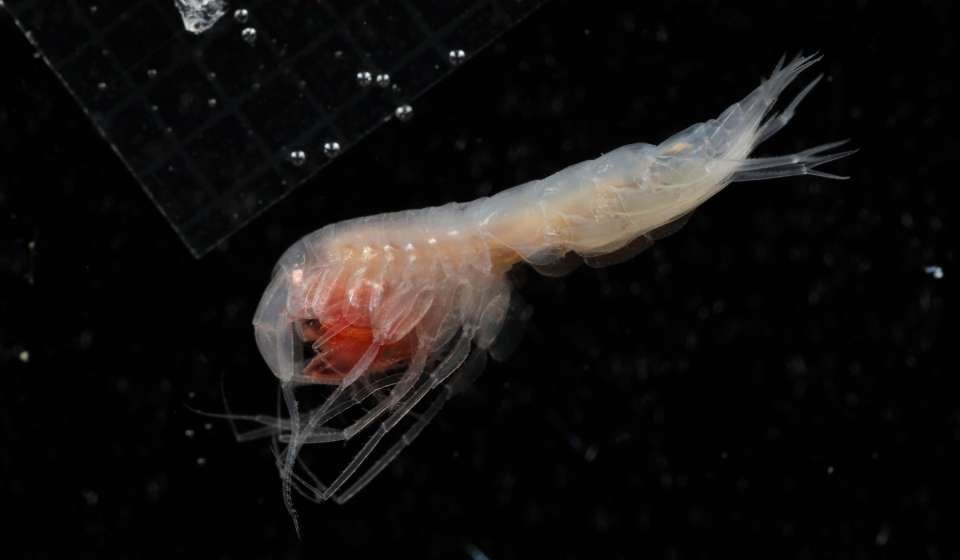
A single deep-sea sample collected nearly 3,700 metres below the surface of the Atlantic Ocean has revealed 47 genetically distinct species, suggesting that scientists may have dramatically underestimated biodiversity in one of Earth’s least-explored habitats.
Researchers studying the newly established North Atlantic Current and Evlanov Sea Basin (NACES) marine protected area in the northeastern Atlantic Ocean believe more than 120 species of amphipods – tiny shrimp-like crustaceans – may inhabit the region, many of them previously unknown to science.
Published in Frontiers in Marine Science, the study adds to growing evidence that the deep ocean remains one of the least explored ecosystems on Earth. Despite covering the majority of the planet, scientists believe many deep-sea species have yet to be discovered, described or even observed.
The creatures at the centre of the research in the Atlantic may be small, but they play an important role in ocean ecosystems. Amphipods help break down organic matter on the seafloor, acting as nature’s clean-up crew. Because they carry their young in a brood pouch and lack a free-swimming larval stage, they tend to remain relatively close to where they are born, making them particularly useful for understanding how marine species are distributed across the globe.
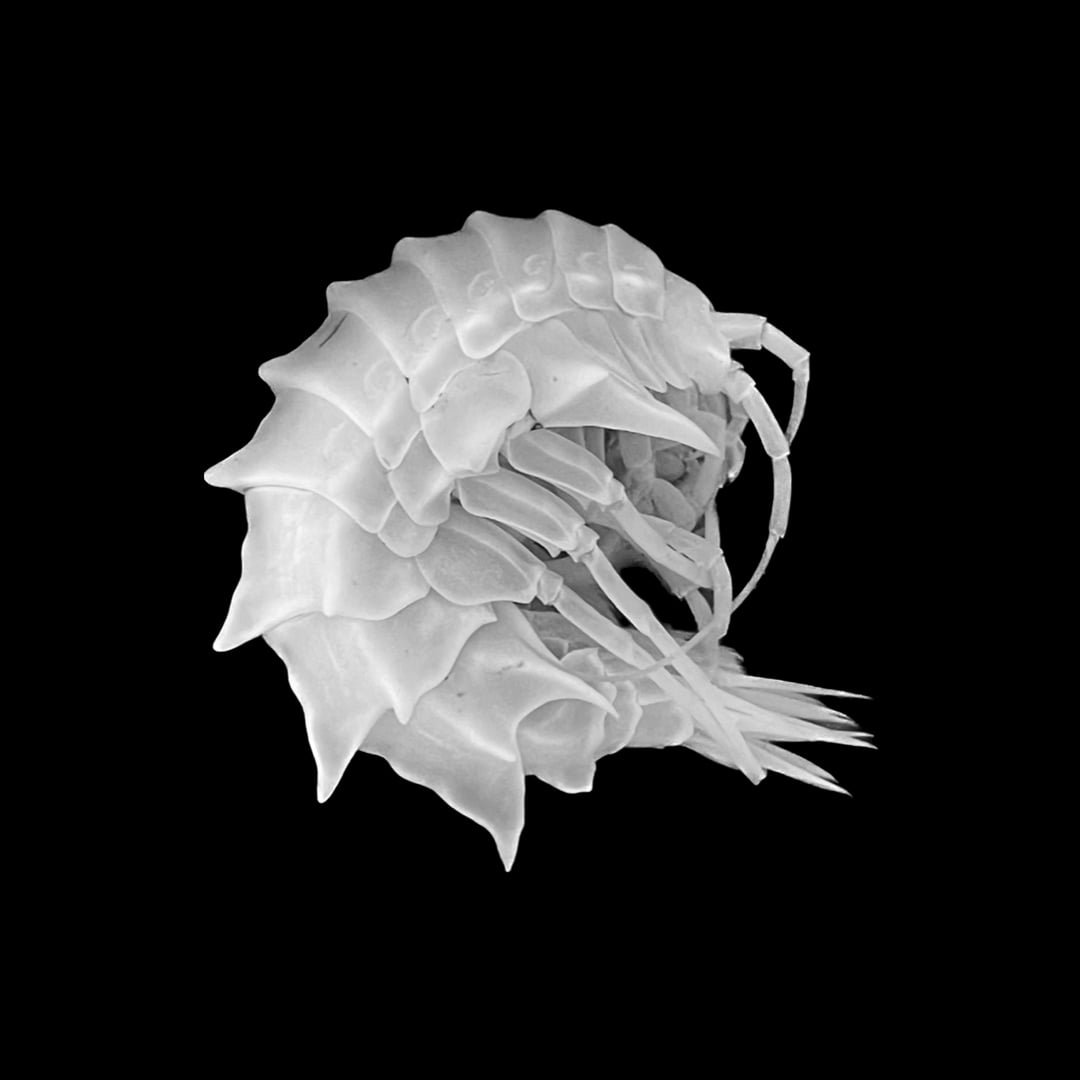
What surprised researchers most was not only the sheer number of species discovered, but the fact that many could not be matched to any previously known species. The team believes a significant proportion may be entirely new to science.
‘Our extrapolations suggest that over 120 species may actually live there. This shows that even in a small area, biodiversity on the seafloor is surprisingly high,’ said Lörz, the study’s lead author. ‘Most of these genetic units could not be assigned to any known species – many are likely undescribed, meaning they are new to science.’
Atlantic Discoveries
Two of the Atlantic discoveries have already been formally described and named: Cleonardo helga, named after the grandmother of one of the study’s authors, and Cleonardo davinci, in honour of Leonardo da Vinci.
‘The decline of marine species due to human impacts threatens key ocean services, including the provision of food and carbon sequestration, which are of great importance to the global climate system and stable ecosystems’
Dr. Anne-Nina Lörz, Senckenberg by the Sea
The findings also revealed an unexpected global connection. Genetic comparisons showed that some of the newly identified species appear to occur thousands of kilometres away in other oceans, including the Pacific.
For scientists, this raises new questions about how deep-sea species disperse and how little we still understand about life beneath the waves.
The study arrives at a critical moment for marine conservation. In 2022, countries agreed to the global “30×30” target, which aims to protect at least 30 per cent of the world’s oceans by 2030. Yet less than one per cent of the high seas is currently under strict protection, and many deep-sea habitats remain poorly studied.
Scientists warn that this knowledge gap could make conservation efforts more difficult just as threats from climate change, pollution and potential deep-sea resource extraction continue to grow.
‘The decline of marine species due to human impacts threatens key ocean services, including the provision of food and carbon sequestration, which are of great importance to the global climate system and stable ecosystems,’ emphasises Lörz.
If a single sample can reveal dozens of previously unknown species, they argue, there may be far more biodiversity hidden in the depths than anyone realised.
The deep sea may be out of sight, but it is becoming increasingly clear that it should not be out of mind.