Watch a fish stay in place while a smaller one picks at its body, and it would be fair to assume something is about to become lunch. On a coral reef, however, this can be an example of how different species depend on one another. Shrimp and cleaner wrasse – as the name implies- are small fish that clean other fish, removing parasites and dead tissue from larger fish, getting a meal while their clients get a grooming service.
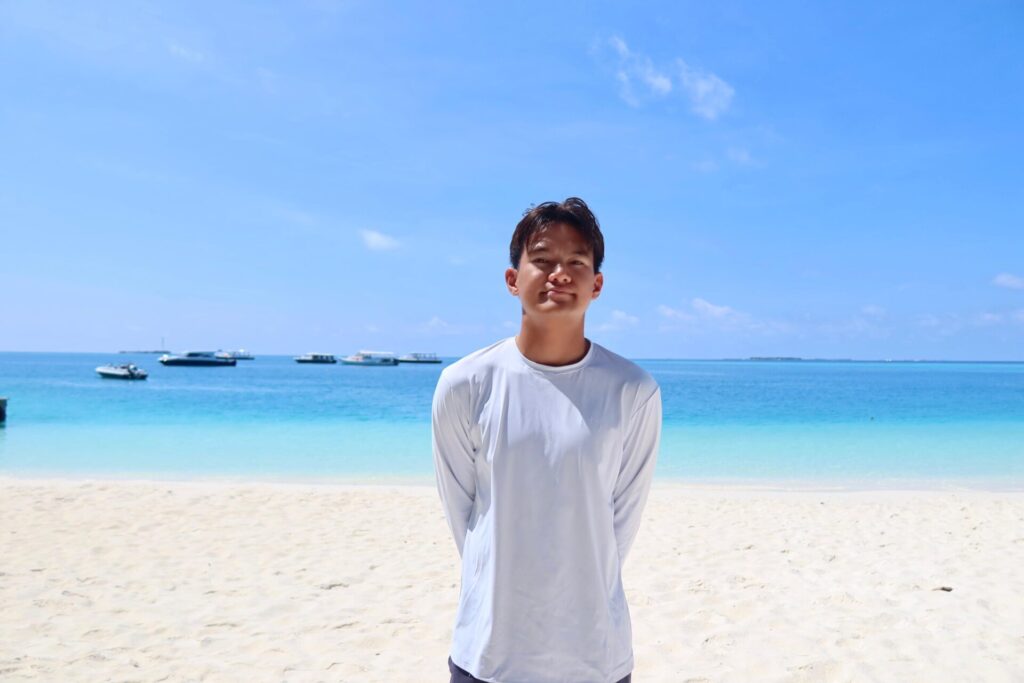
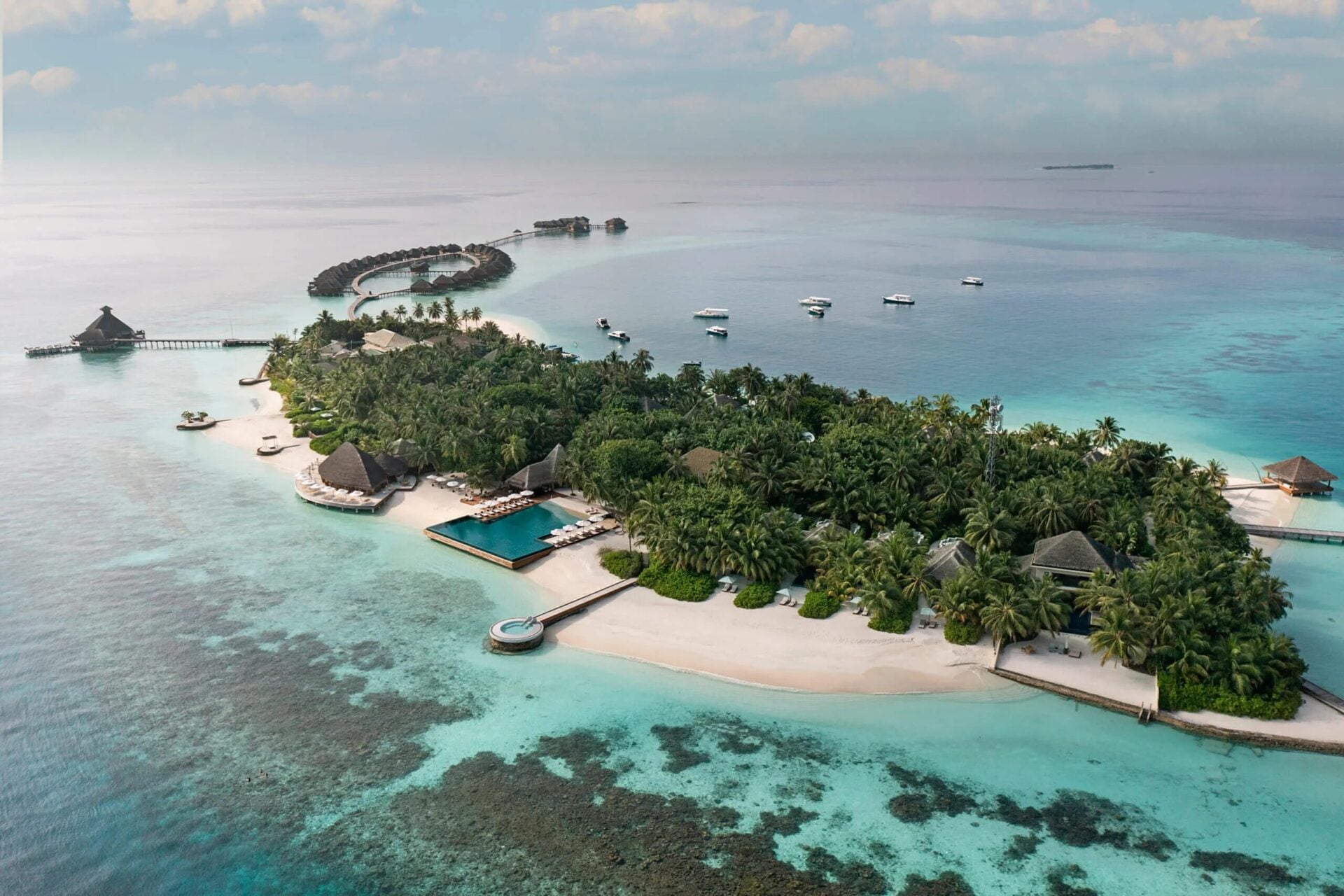
Nearby, young fish slip between coral branches to shelter from predators, a critically endangered hawksbill turtle searches for sea sponges to eat, while a stingray disturbs the sandy seabed, hunting for small invertebrates. Even the coral is alive, and if you spend any amount of time with Mohd Ridhwan, Marine Biologist at Huvafen Fushi in the Maldives, you’ll soon learn that the relationships unfolding around coral reefs are just as fascinating as the animals.
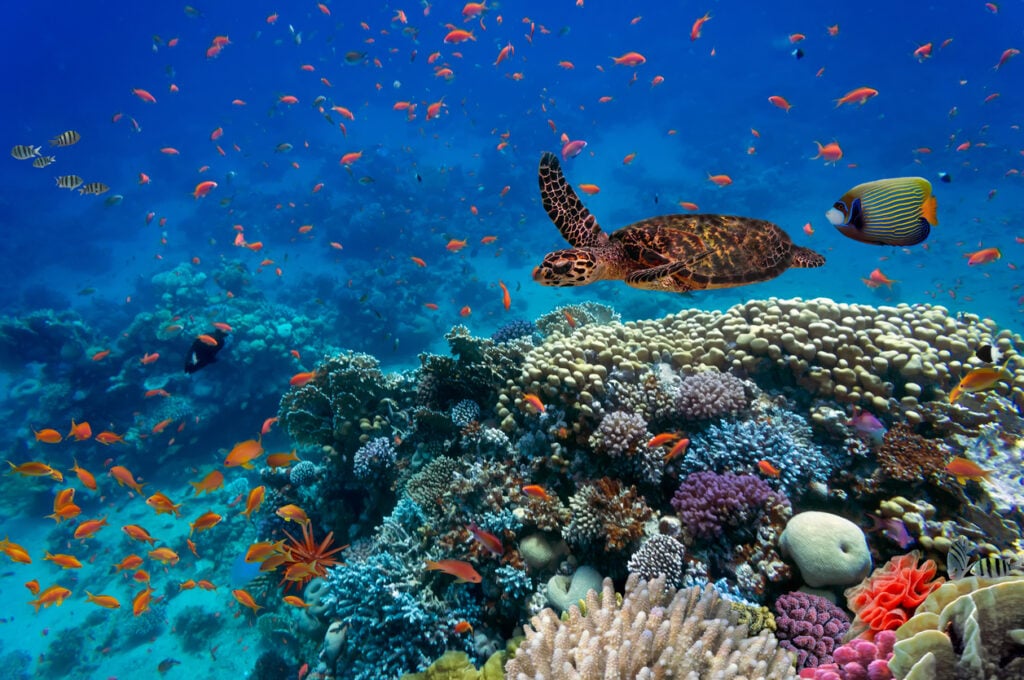
‘The reef is really a network of interactions rather than just a collection of individual species,’ Mohd tells The Ethicalist. ‘And importantly, coral isn’t just a rock or a plant. A coral colony is made up of tiny animals called polyps, and these animals work together with microscopic algae called zooxanthellae, which provide much of their food and give them their colour.’
What Causes Coral Bleaching
Often called the ‘rainforests of the sea,’ coral reefs cover less than 0.1 per cent of the ocean floor but support at least 25 per cent of all marine species.
They also play a critical role for coastal communities, preventing coastal erosion, protecting coastlines from hurricane damage, and generating $36 billion in annual income worldwide. Coral reefs offer a protective barrier during major storms and have proven to be 97 per cent effective in preventing damage to both natural and built environments.
But these critical habitats face mounting pressures. When seawater becomes too warm, stressed corals expel their zooxanthellae, which exposes the white skeleton under their transparent tissues, causing coral bleaching. Pollution adds further stress. Soil and sediment washed into the sea cloud the water, blocking sunlight the algae need to make food. Meanwhile, nutrients from sewage and fertiliser runoff can fuel excessive algae growth that smothers coral reefs.
‘I wish more people realised how slowly some corals grow. What may look like a small piece of coral to us can represent years of growth, so even a small amount of physical damage can have a long-term impact’
‘Because corals are living animals, they can grow, reproduce, become stressed, suffer from disease, and die,’ Mohd explains.
Anchors, damaging fishing practices and even something as simple as swimmers stepping on colonies can also destroy years of growth.
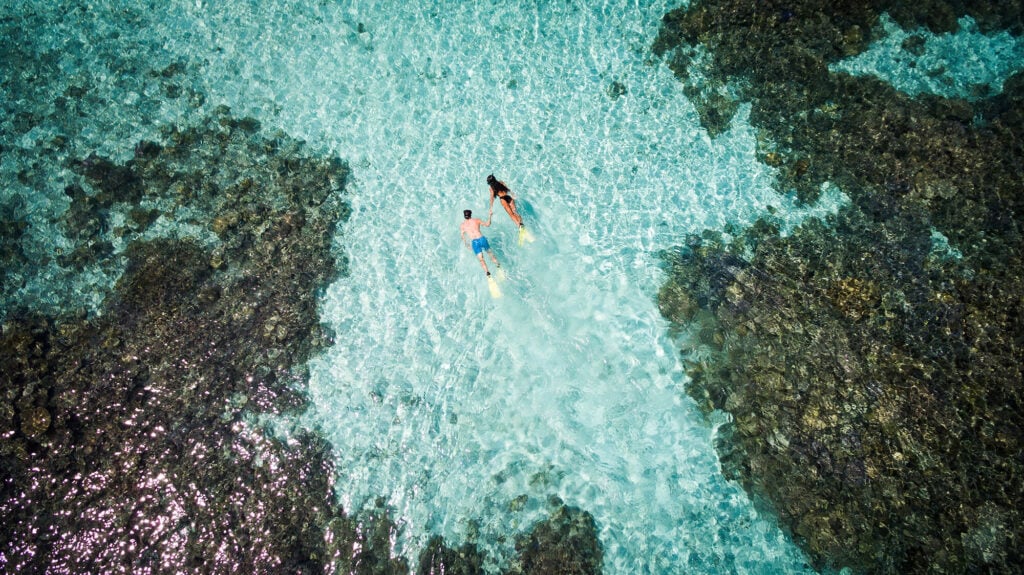
People may not realise that standing on or holding onto coral can break colonies or damage living tissue,’ says Mohd. ‘Even kicking fins too close to the reef can break delicate corals or stir up sediment.
‘I wish more people realised how slowly some corals grow,’ says Mohd. ‘What may look like a small piece of coral to us can represent years of growth, so even a small amount of physical damage can have a long-term impact.’
Bringing Coral Reefs Back
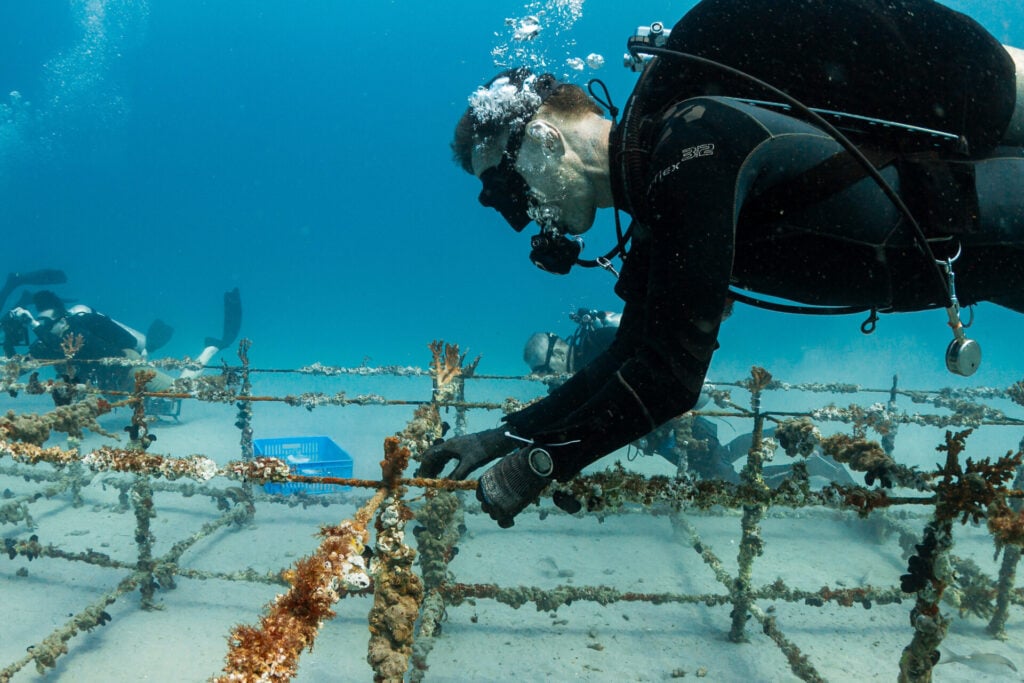
The good news is that bleached corals can recover if conditions improve, allowing the microscopic algae to return to their tissues. At Huvafen Fushi, that work involves tending coral nurseries, monitoring the colonies’ health and moving them onto the reef when they are ready.
‘Planting coral is only one part of the process,’ Mohd explains. ‘We have to monitor the colonies, maintain the nursery, manage threats and predators, and make sure that the corals are healthy enough before being outplanted.’
‘We aren’t restoring coral simply to have more coral. We’re trying to maintain a habitat where turtles, fish, invertebrates, and countless other organisms can continue to live’
To assess progress, the team looks beyond growth alone, monitoring survival, health, diversity and the amount of living coral cover. These observations also help them identify more stress-resilient specimens, known as “super corals”, to prioritise for outplanting.
Mohd says the team has watched restoration structures become increasingly active as growing corals provide shelter and feeding areas.
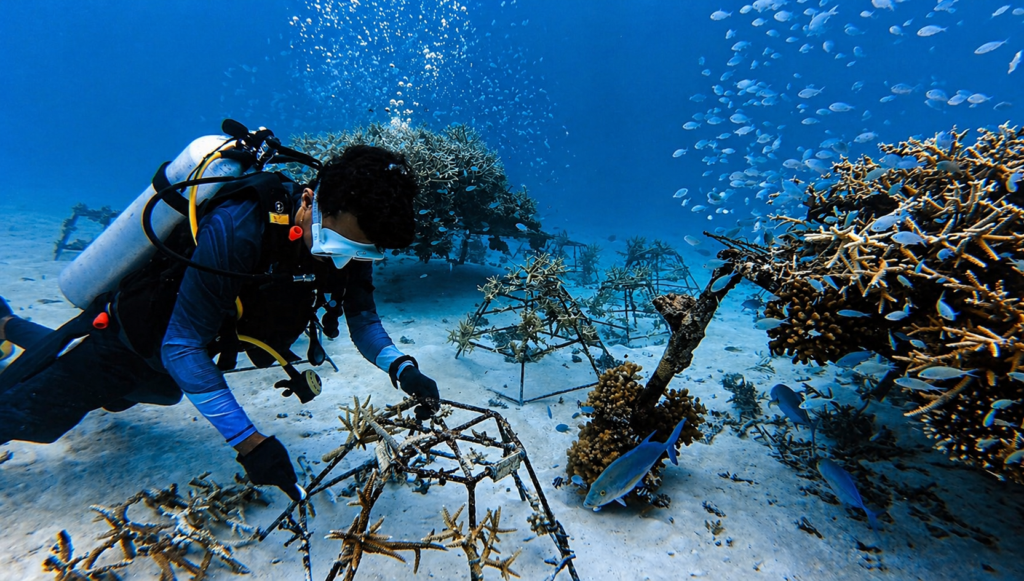
‘The coral isn’t just growing; it’s creating a three-dimensional habitat for other organisms,’ Mohd explains. ‘We aren’t restoring coral simply to have more coral. We’re trying to maintain a habitat where turtles, fish, invertebrates, and countless other organisms can continue to live.’
Creating these healthy living colonies gives other animals a space to hide, feed and grow. For a small fish, the gaps between coral branches offer a place to hide, while turtles get both food and a place to rest. Mohd’s team encounters crabs, lobsters, octopuses, and shrimp, as well as juvenile fish that use the reef as a nursery.
‘If more species begin using the area for shelter, feeding, or other activities, that’s an encouraging sign that the restoration is becoming a functioning habitat rather than simply a collection of transplanted corals,’ he adds.
The turtles, meanwhile, have provided the team with some particularly personal insights into reef life.
‘Some individuals become quite recognisable over time because their facial scales and markings are unique, almost like a fingerprint,’ he says. ‘We have two resident turtles that are regularly sighted and that we can recognise. One is registered as HK6642 in the North Malé Atoll database.
‘Being able to identify individuals from previous sightings allows us to build a longer-term record of their behaviour and use of the reef. A fun fact is that they always sleep in the same spot at night, making them easier to spot during night snorkelling sessions.’
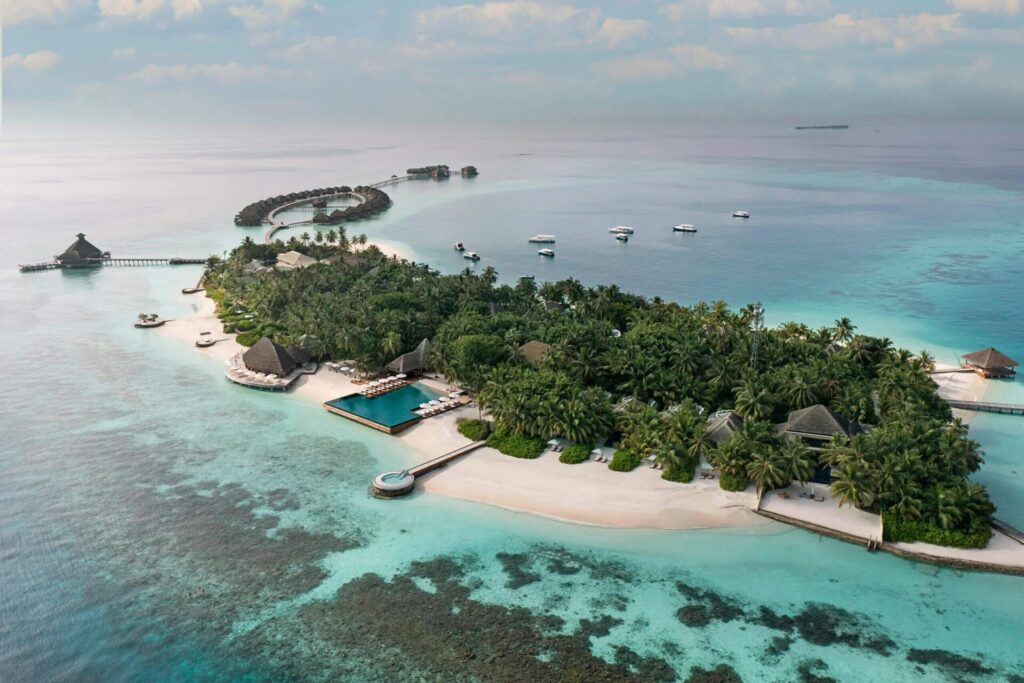
While the island is not a turtle nesting ground, the reef is an important foraging habitat for hawksbills, thanks to the abundance of sea sponges that provide food.
A considerate visitor
Seeing these relationships so close comes with a responsibility to give reef animals space. Chasing a turtle for a photograph can disturb it, while touching coral can damage years of growth. Mohd also encourages guests to choose sunscreen without ingredients such as oxybenzone, which can harm corals.
‘Look, don’t touch; keep your distance; and let the animals behave naturally,’ he advises.
The hope is that future visitors will encounter the same busy underwater neighbourhood, and for Mohd, a recent conversation gave him an encouraging glimpse of that continuity.
‘We recently spoke to some returning guests who first visited 30 years ago. They mentioned that our reef is just as healthy as it was back then,’ he says. ‘This really moved me.’
With care, there’s every reason to hope that in another 30 years, the fish will still visit their grooming stations and the turtles will still return to their favourite beds. After all, why shouldn’t Huvafen Fushi offer its reef residents a five-star stay, too?
For more information visit huvafenfushi.com