Fresh from securing 30 placements in the 2026 Condé Nast Traveller and Traveler Readers’ Choice Awards, Minor Hotels has plenty to celebrate. With properties recognised across four continents, the international hospitality group is demonstrating its success in the luxury travel arena. But as its footprint expands, so does its responsibility to protect the destinations, ecosystems and communities on which the industry depends.
The Ethicalist speaks to Ian Di Tullio, Chief Operating Officer of Minor Hotels, about moving beyond greenwashing, protecting biodiversity, rethinking hotel operations and why AI could become an unexpected ally in the pursuit of more responsible travel.
TE: Minor Hotels has experienced considerable growth over the past year. Are you still on track to reach 800 properties?
IDT: We’re still aligned with our aspiration of 800, but we’re not married to 800 as a magical number. It’s a directional number, a North Star. We have around 640 hotels either in operation or signed and confirmed, so we believe 800 is still a fair number.
At the same time, we’re increasingly obsessed with the quality of what we’re building and bringing into the network. For us, it’s quality over quantity. If we have to sacrifice a few hotels to make sure that, from a brand, sustainability, partnership or customer perspective, everything works, that’s okay.
If you push the pedal too hard just for the sake of having the right numbers, typically you start seeing a deceleration down the road. You’re better off building a good foundational base of partners. If you make the wrong choices today, you pay for them tomorrow.
TE: With so many independent properties joining Minor Hotels, how do you preserve their individuality?
IDT: The reality is that at least half of the brands under Minor Hotels were created by us. Anantara, Avani, Colbert and Minor Reserve are all homegrown brands. And because we have this fibre of brand creation, we also have this fibre of brand respect.
We spend a lot of time looking at properties, looking at how storytelling evolves on that property, and making sure we allocate the right brand to the right property. For example, with Anantara, we’ve doubled down on the need to have localised experiences, local artisans and that connection with the community. We’ve now made that part of our brand standards. Every Anantara around the world must have its own programme covering community outreach, sustainability, and connections with local culture and wildlife.
Alongside introducing The Wolseley Hotels and iStay, we’ve created two soft brands, Minor Reserve Collection and Colbert Collection, to support independent hotels. There are a lot of families out there with second- or third-generation investments, and it’s tough to run a hotel. You’ve got to manage distribution yourself, get onto digital platforms, make sure you’re visible on ChatGPT and Claude. These families are increasingly asking for help.
‘We often forget how important the owners and partners we choose to collaborate with really are. If you find partners who take a long view, sometimes beyond the purely economic one, then I think we can really change the world’
Sometimes there’s so much emotional attachment. The family’s had the hotel for two, three, four, and in some cases six or seven generations. They want to keep the asset because they feel so attached to it, but they just may not want to run it, or they may want to run it through a group that can offer more professional services.
So Minor acts as an accelerator for these beautiful hotels, bringing them into our distribution ecosystem while allowing them to retain their identity, almost as independents.
Colbert Collection is a good example. It’s focused on community and food. The hotels have a lot of creative freedom in how they express themselves, but they have to deliver a community space, somewhere people actually want to congregate.
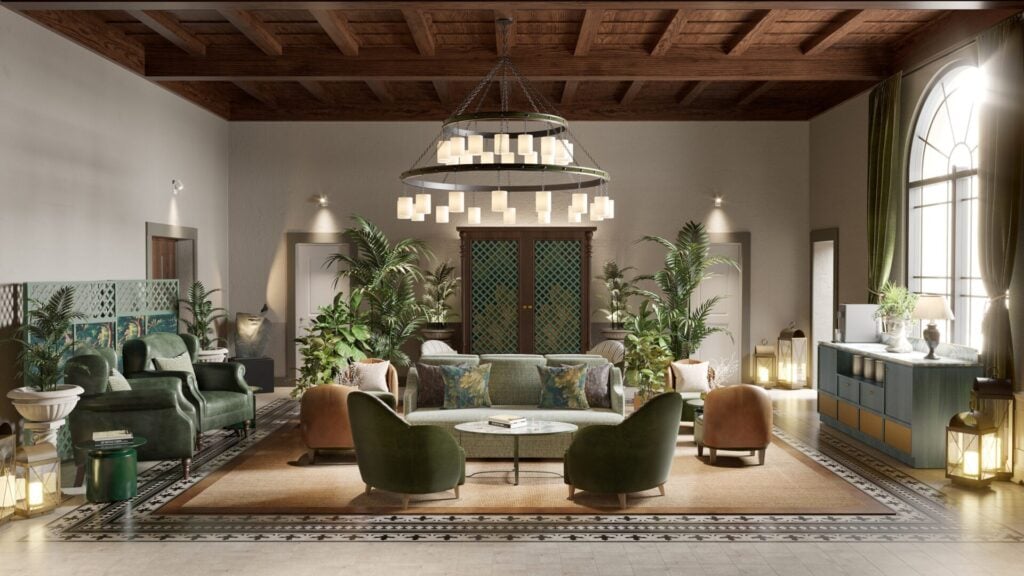
Our original Colbert was a restaurant in London, a Parisian bistro. And there’s no more community-driven space than a Parisian bistro! So we’ve taken that essence and said these hotels need to create the same community atmosphere. It might not be a Parisian bistro. It might be coffee and cannoli in Milan, or something entirely different. But there has to be that unique connection through food that brings the community together.
‘We’re building a new economic system in a community where one didn’t historically exist. We’re bringing wildlife back into an area that’s been decimated for years, and we’re doing it through an off-the-grid, solar-powered resort’
For families who want to retain ownership and the character of their properties without having to manage every aspect of the business themselves, it’s a win-win. And it’s been a huge success.
TE: When we spoke last year, we discussed sustainability across individual brands. What’s changed since then?
IDT: We’ve probably started doing things a bit differently. Every brand under Minor Hotels has sustainability goals, and as a group we have a sustainability report. We’ve checked all the boxes. But if we want to be held accountable, we’re now creating a group-wide sustainability framework built around three pillars.
The first is sustainable operations, the most impactful pillar. Everyone wants to talk about community outreach, saving animals, corals and mangroves, which are super important. They’re also high-visibility and look great on paper. But when you think about a group like ours, with 600 hotels, if we want to be a sustainable actor, we can’t be greenwashing on the back of luxury brands.
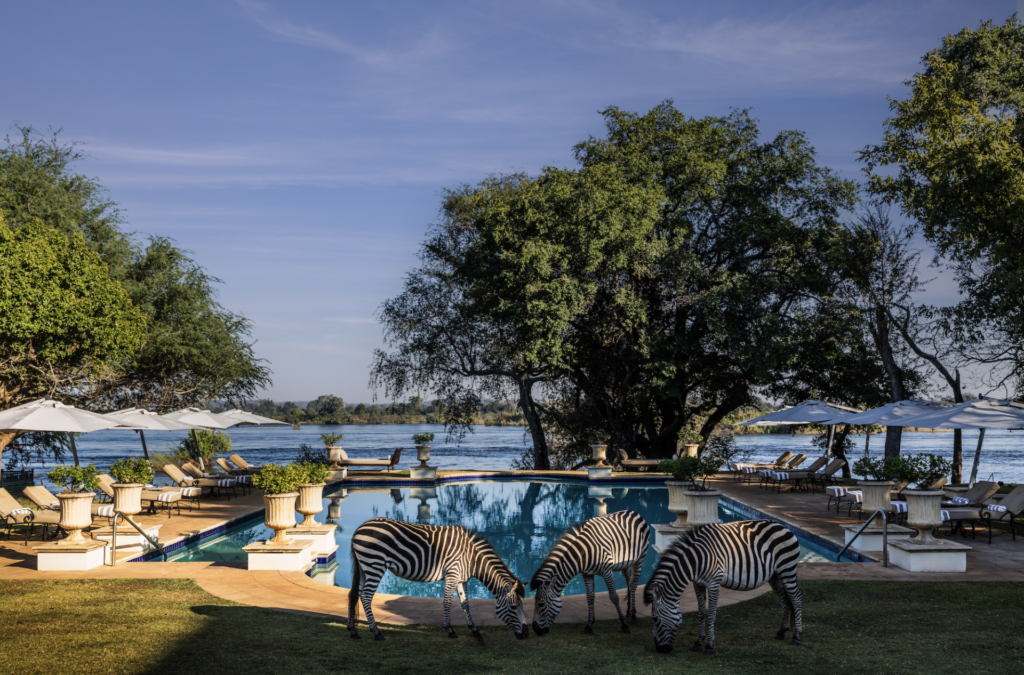
Sustainable operations means procurement practices, cutting energy consumption and focusing on water preservation. These practices affect 100 per cent of our hotels and likely account for 50 per cent of our sustainability efforts, if not more.
The second is community outreach and caring for people. We have our own hotel school, and we’re increasingly putting our people through it. Hospitality should be a social elevator, helping people grow, especially those who haven’t had the chance to complete their schooling. Community outreach is also something that can happen everywhere. You can do community outreach in London or Paris. It’s not just for less developed countries.
‘I think people are now expecting sustainability to be built into the experience rather than thrown in their faces. If you’re putting sustainability as one of the differentiating factors in your statement, you’ve probably done something terribly wrong’
The third pillar is wildlife preservation, which is more destination-specific. Not every brand can focus on coral preservation or wildlife. Anantara and Elewana have much greater scope than some of our economy brands.
Together, these pillars give us a framework that works across the group rather than having to tell the story hotel by hotel.
TE: Anantara Kafue River Camp in Zambia seems to bring those ambitions together. Is it something of a flagship for Minor Hotels?
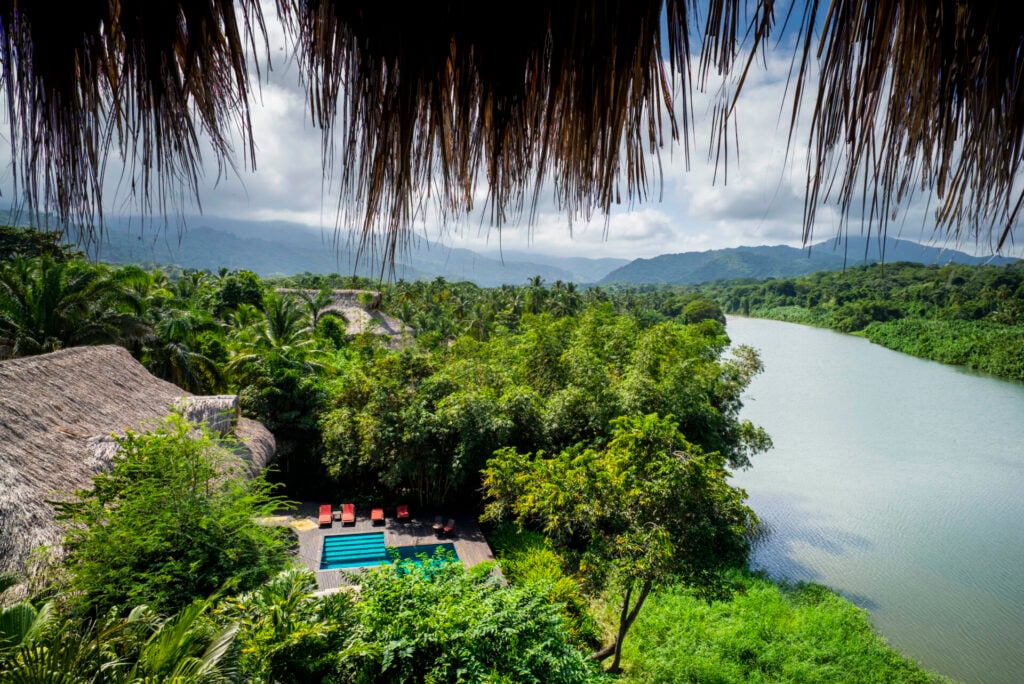
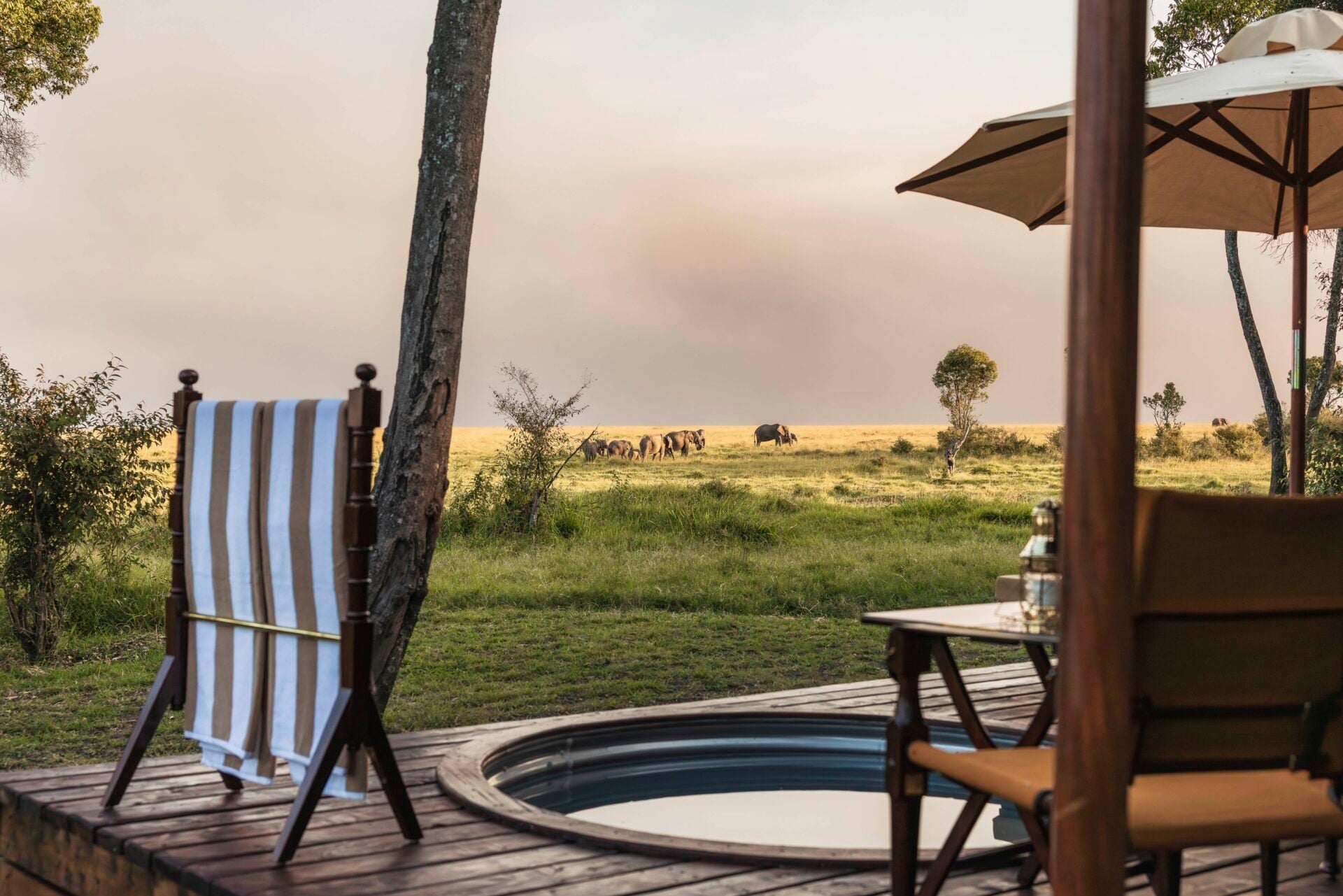
IDT: Kafue is what I’m most excited about because it touches on so many things. We’re building a new economic system in a community where one didn’t historically exist. We’re bringing wildlife back into an area that’s been decimated for years, and we’re doing it through an off-the-grid, solar-powered resort.
It’s completely autonomous from an energy perspective, which is a first for Anantara, and I think it starts acting as an example as we build future resorts. Every time we build, we try to consider how much further we can push the envelope.
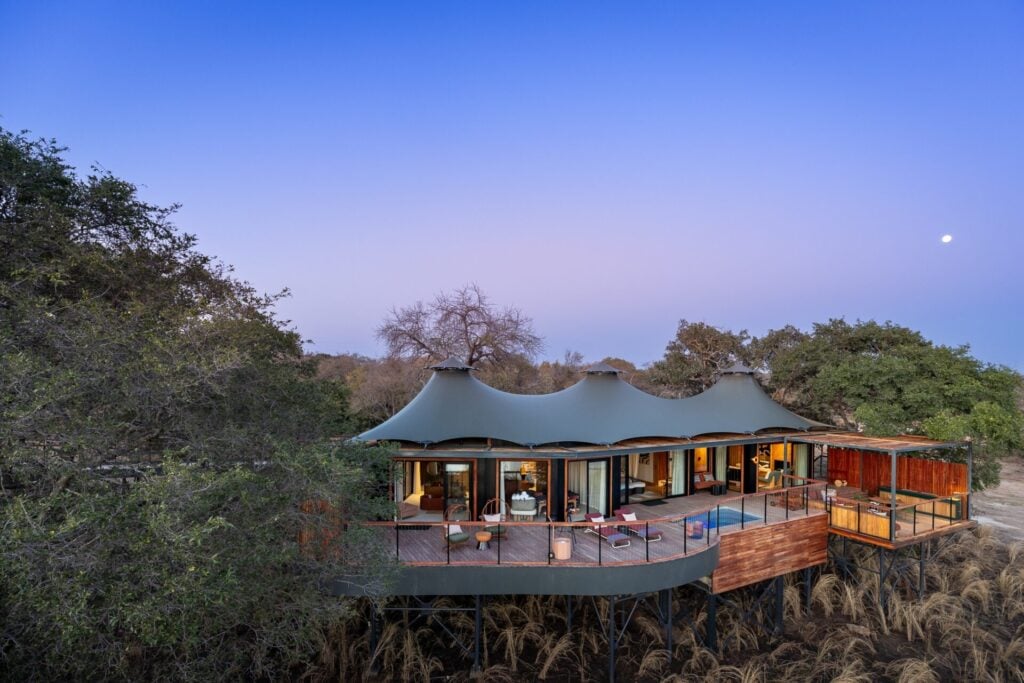
What’s particularly interesting is that we’re rebuilding a whole habitat that’s had decades of being decimated. The African Parks teams are bringing back species that were historically endemic to the area, and we’re now in the process of allowing the resort to settle into its surroundings so the animals start returning naturally.
The camp is elevated three and a half metres, so animals can literally walk beneath the hotel. As they gain confidence and start moving around the resort, I think it will become a real communion between guests and wildlife. It will take a few years for the wildlife to return to the levels we’d like, but that’s part of the process.
‘We’ve removed some [bathroom amenities] from rooms where they’re not being used and put them at reception so guests can ask for them. Sometimes it blows up in our faces, and we put them back! Some people just love having everything in the room’
For us, Kafue touches on community, wildlife preservation and sustainable operations, so it becomes our flagship sustainability hotel. You can’t expect an NH hotel in London or Paris to do all those things, but it sets the bar for what’s possible when you put your mind to it.
We’ve worked with African Parks historically, particularly through Elewana, but this is probably our deepest collaboration. We’re talking about restarting biodiversity practically from scratch.
And as much as we want to take credit, our owners are central to this. These projects require passion, commitment and continuity, and in this industry, that’s rare. The industry is driven largely by growth, net unit growth and profitability metrics. But we often forget how important the owners and partners we choose to collaborate with really are. If you find partners who take a long view, sometimes beyond the purely economic one, then I think we can really change the world.
TE: Are guests increasingly choosing hotels based on sustainability, or does price still win?
IDT: I think the view is changing. We’ve done a number of surveys, and what we see is that when there are economic headwinds, people have to make choices about how they allocate their budgets. Through economic cycles, the relative importance of sustainability changes, but that doesn’t mean we should follow those cycles.
I think people are now expecting sustainability to be built into the experience rather than thrown in their faces. If you’re putting sustainability as one of the differentiating factors in your statement, you’ve probably done something terribly wrong.
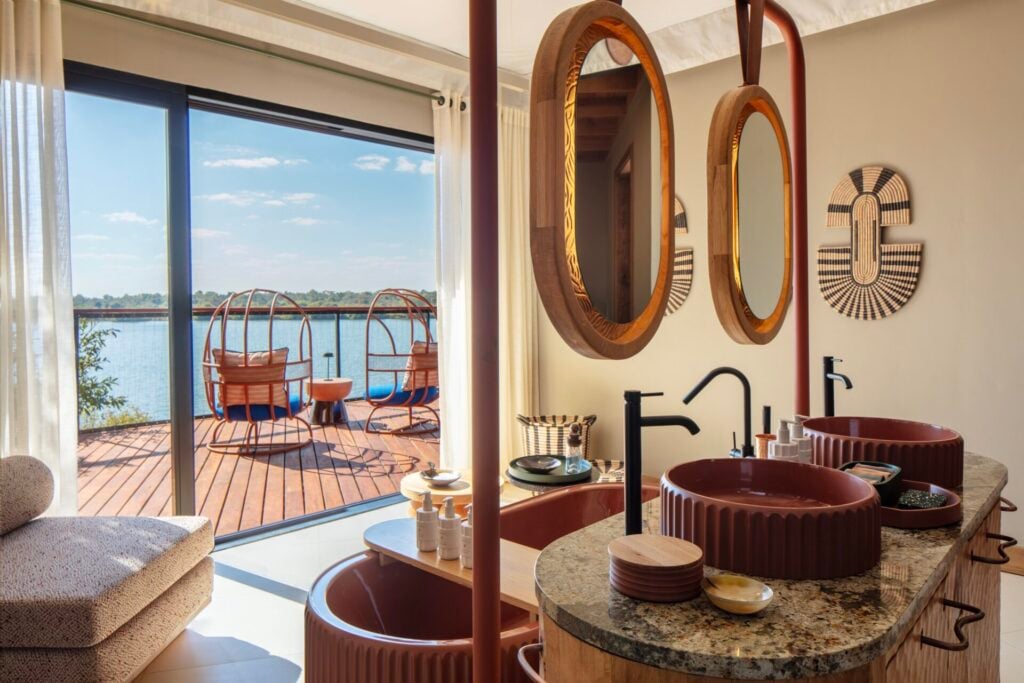
We need to give people the proof points so they understand that the experience of a sustainable resort can be as good as, if not better than, a non-sustainable resort.
Last year we discussed eliminating plastic water bottles. How much progress have you made?
IDT: Pretty good. I think we’re about 95 per cent there. Sometimes it’s a supply-chain question, and as we’ve grown, we’ve also grown our procurement division, and we’re consolidating our spending with selected partners.
‘There’s a lot of noise about AI these days, and certainly there need to be controls. But if it’s done right, it can improve every aspect of how we operate, whether that’s sustainability, food or wellness’
If you control increasing parts of your supply chain, you can lean into those partners to make sure they have the right stock and don’t substitute glass bottles with plastic ones when it’s convenient. It’s a series of small changes that makes a difference.
We’ve also revised our bathroom amenities. We’ve removed some from rooms where they’re not being used and put them at reception so guests can ask for them. Sometimes it blows up in our faces, and we put them back! Some people just love having everything in the room. As a man, I still don’t understand why somebody doesn’t bring their own shaving kit. Your own blades are usually better than what you get in a hotel anyway!
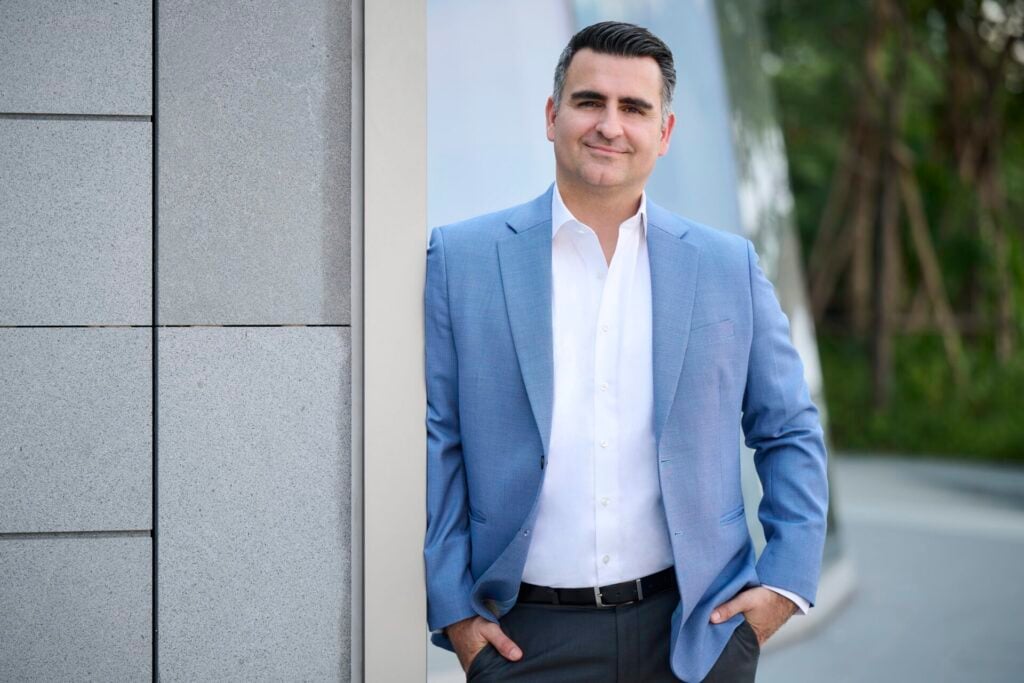
TE: You also mentioned that AI could help reduce this kind of waste. How would that work?
IDT: We’re investing in personalisation and data, and our new app will have a conversational interface using Gemini. You’ll be able to ask for a toothbrush, shaving kit or whatever you need, and over time we’ll start recognising those behaviours.
Instead of putting everything in every room, we can say, well, this guest always asks for a toothbrush, so let’s make sure there’s one there. It’s smart personalisation, but it’s also smart sustainability.
Today, we react to complaints by putting everything back, and then our sustainability scores suffer. It’s like whack-a-mole. Technology allows us to have a one-to-one relationship with guests while reducing unnecessary consumption.
There’s a lot of noise about AI these days, and certainly there need to be controls. But if it’s done right, it can improve every aspect of how we operate, whether that’s sustainability, food or wellness. Ultimately, it’s a relationship of trust. If that trust is there, and it’s two-way, it completely changes the dynamic of the industry.
Discover the Minor Hotels world at minorhotels.com and connect with them on Facebook, Instagram, LinkedIn, TikTok and YouTube.