Nearly 50,000 acres of coastline in northwest Alaska are set to receive permanent protection under a new conservation agreement designed to safeguard more than 200,000 Pacific walruses displaced by disappearing Arctic sea ice.
Environmental non-profit The Conservation Fund has reached an agreement with the Cully Corporation, an Alaska Native village corporation, to protect the barrier islands near Point Lay, where enormous numbers of walruses now gather each autumn.
The deal will restrict activities that could disturb the animals, including commercial development and tourism, while providing financial support to the local Indigenous community.
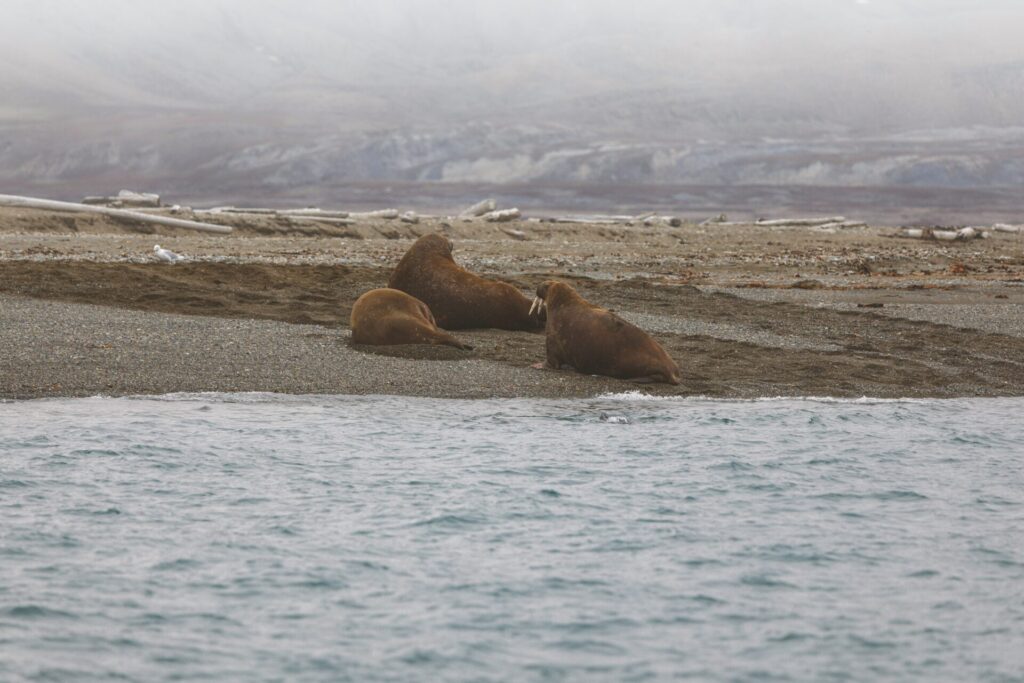
Every autumn, the remote coastline becomes the setting for one of the Arctic’s most extraordinary wildlife spectacles.
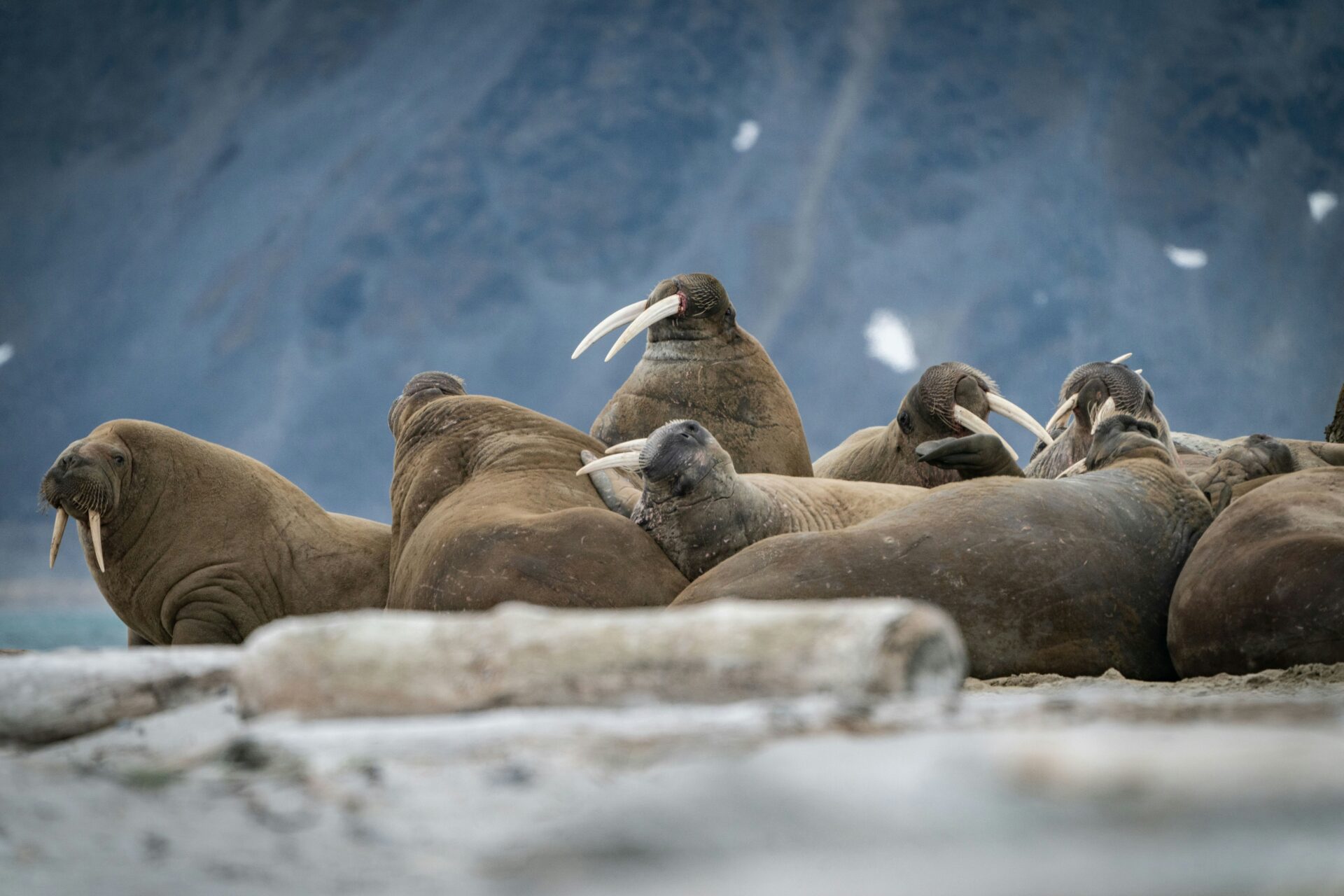
More than 200,000 walruses haul themselves onto the narrow islands, their enormous brownish-pink bodies packed so tightly together that barely an inch of ground remains visible. But the remarkable gathering is also a visible consequence of climate change.
Melting Habitats
Pacific walruses traditionally depend on floating sea ice as platforms from which to rest, nurse their young and access feeding grounds. As rising temperatures cause the ice to retreat further north, the animals are increasingly being forced onto land.
The phenomenon was first recorded at Point Lay in 2007, when a few thousand females and their calves began gathering along the coastline. Today, numbers can exceed 200,000, making it the largest walrus haulout in North America.
The phenomenon was first recorded at Point Lay in 2007, when a few thousand females and their calves began gathering along the coastline. Today, numbers can exceed 200,000, making it the largest walrus haulout in North America
Scientists believe almost the entire population of female Pacific walruses and their young now uses the site.
While the animals have demonstrated an ability to adapt to changing conditions, gathering in such enormous numbers creates significant risks.
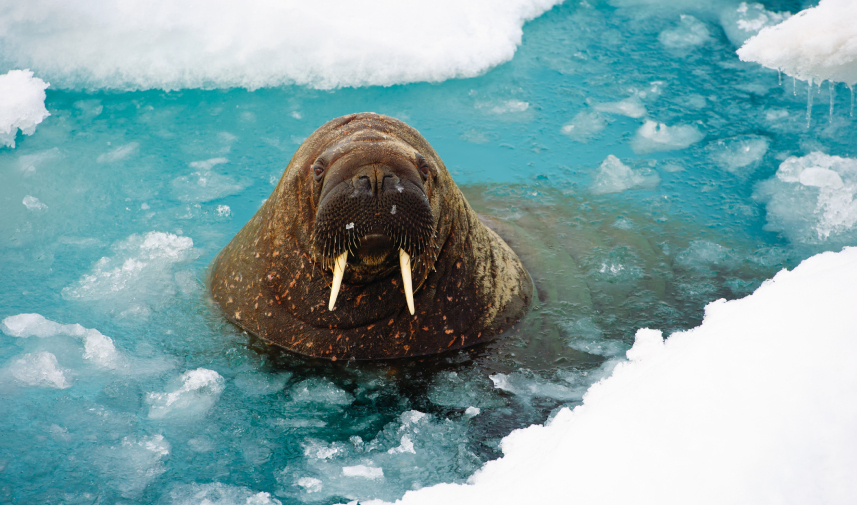
Walruses can weigh up to two tonnes and are easily startled by disturbances including low-flying aircraft, passing vessels and approaching tourists. When frightened, thousands may rush towards the ocean simultaneously, triggering stampedes in which hundreds of calves and younger animals can be crushed.
The new agreement aims to reduce these risks by limiting human activity around the gathering sites and preventing future industrial development.
Land Under Threat
Point Lay is situated near Alaska’s National Petroleum Reserve, an area that has attracted interest from the oil and gas industry.
Under the conservation arrangement, the Cully Corporation will receive an undisclosed payment in exchange for permanently restricting certain development rights. The agreement will also preserve access for the local Iñupiaq community, whose cultural traditions and livelihoods have been closely connected to walruses for thousands of years.
When frightened, thousands may rush towards the ocean simultaneously, triggering stampedes in which hundreds of calves and younger animals can be crushed
Willard Neakok, chairman of the Cully Corporation Board, said the partnership would help protect the community’s heritage. ‘We respect our land, we respect our tradition, history, culture. So we’re doing this for future descendants,’ he told CNN
The agreement follows approximately a decade of negotiations and represents an approach to conservation that combines wildlife protection with economic opportunities for Indigenous landowners.
However, scientists caution that protecting coastal habitats cannot replace the sea ice the animals are losing.
As Arctic temperatures continue to rise, summer sea ice increasingly retreats into waters too deep for walruses to reach the seabed, where they feed on clams and other marine organisms.
Chelsea Koch, a marine scientist at American University, said the animals’ movement onto land demonstrated their ability to respond to environmental change, but warned that terrestrial habitats could not fully replace their traditional Arctic habitat.
John Wros, Alaska state director at The Conservation Fund, described the mass gatherings as evidence of wildlife adapting to climate change in real time. ‘The damage has been done, and this is adaptation in real time,’ he said. ‘This is what we’re choosing to do about it to ensure that those animals can persist.’