For almost four years, Ukraine has been defined by images of bombed cities, displaced families and lives turned upside down. Far less visible are the countless wild animals caught in the crossfire.
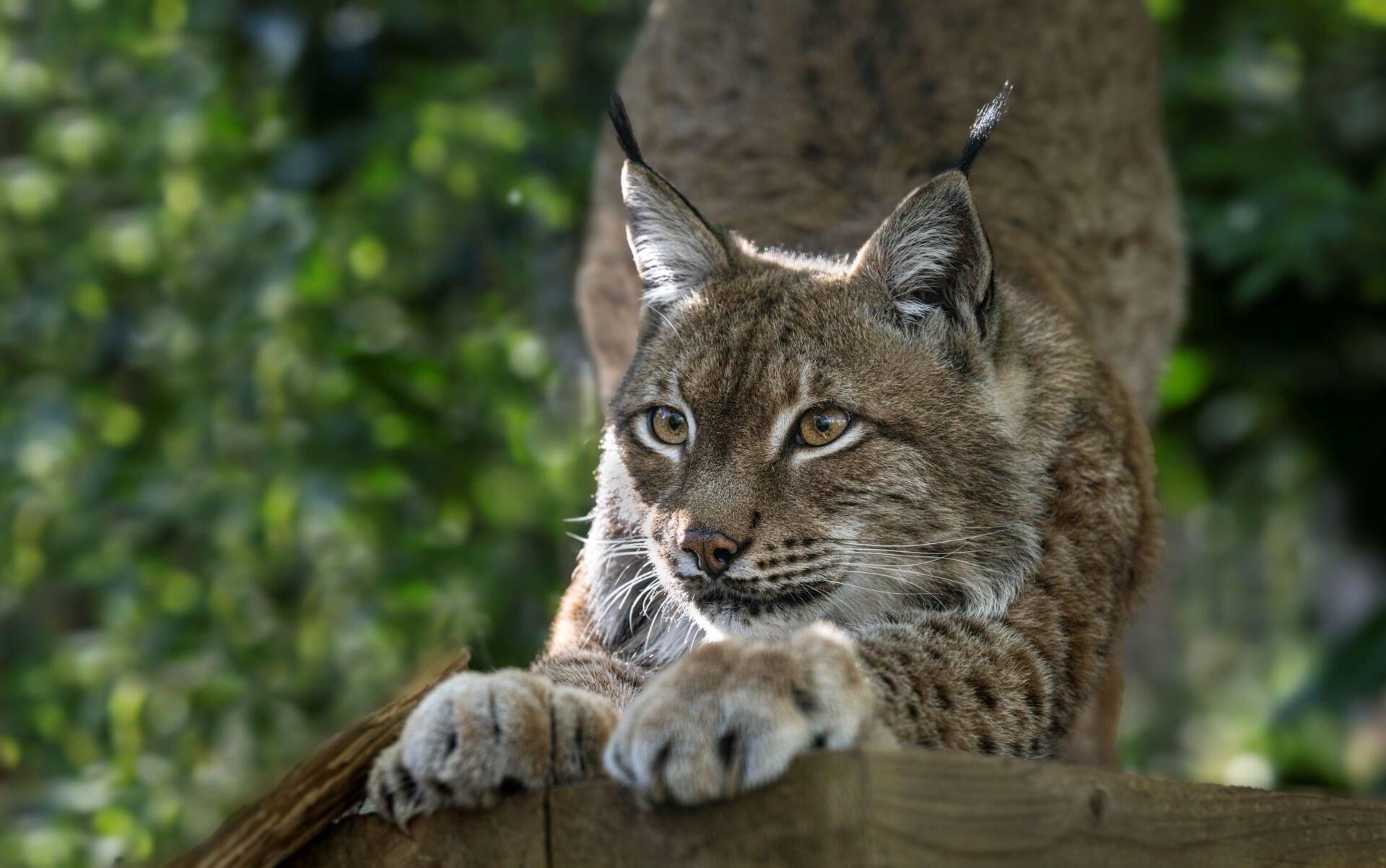
One of them is Ursa, a Eurasian lynx rescued from war-torn Ukraine. Born into captivity and kept in a barren enclosure as conflict engulfed the country, she had never known what it was like to walk on grass.
Last week, her story took a remarkable turn as she became the first resident of The Big Cat Sanctuary’s newly opened Small Cat Rescue Centre in Kent.
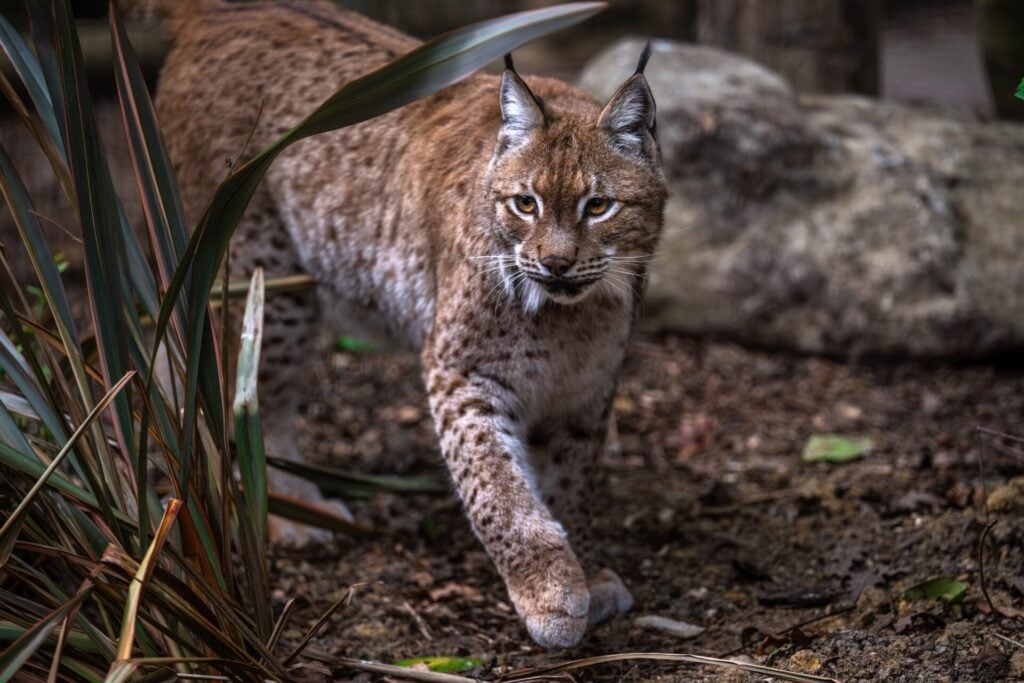
Ursa is not alone. The new rescue centre is also home to Rhys, a Eurasian lynx, Boson, an endangered fishing cat, and Blob, a rescued bobcat – all given a second chance after lives shaped by neglect or displacement.
The World’s Smallest Wild Cat
Yet the Sanctuary’s latest development is about more than rescue. Opened alongside the rescue centre is a dedicated conservation facility for the rusty-spotted cat – the world’s smallest wild cat. Native to India, Sri Lanka and Nepal, the elusive species is currently listed as Near Threatened on the IUCN Red List, with habitat loss placing increasing pressure on its future.
Designed to replicate the species’ natural environment, the new conservation centre will support an international breeding programme using specialist welfare technology, from thermal imaging cameras for non-invasive monitoring to automated climate control and carefully managed breeding spaces.
The aim is to establish a healthy, genetically diverse population that can help safeguard the species for generations to come.
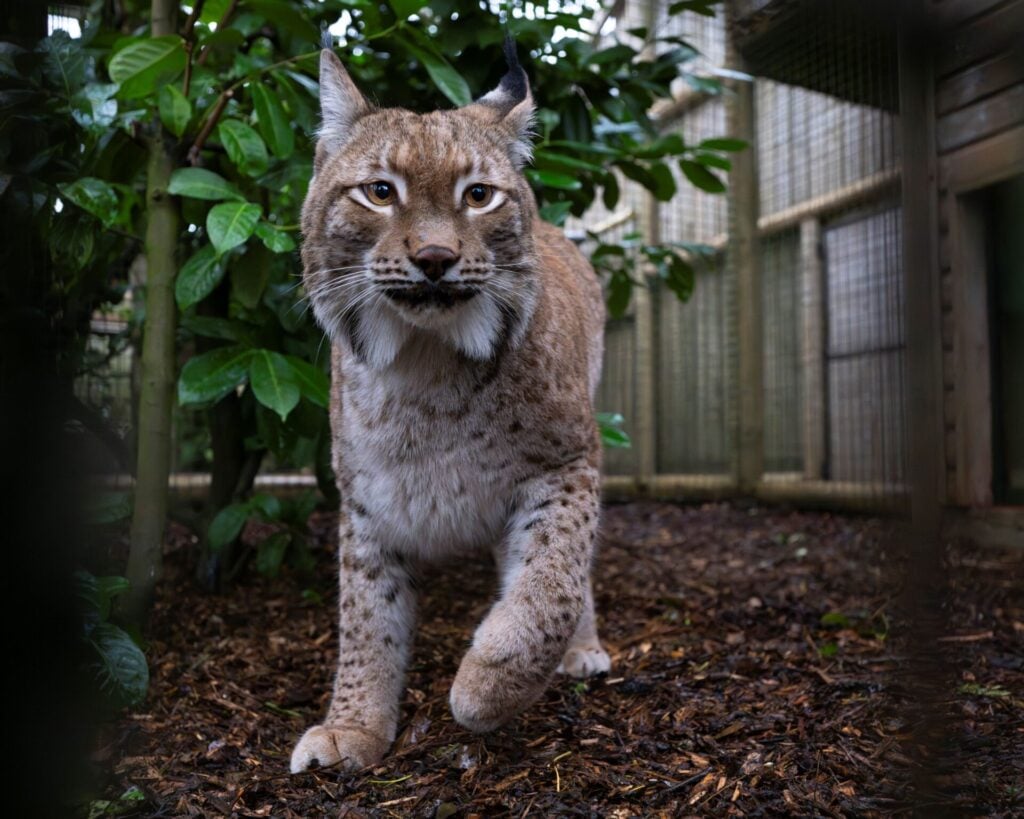
The contrast between the two facilities is striking. One represents conservation after tragedy, offering safety to animals whose lives have been irrevocably changed by conflict or neglect. The other represents conservation before crisis, working proactively to ensure threatened species never reach the point where rescue is their only option.
As Cam Whitnall, Managing Director of The Big Cat Sanctuary, points out, smaller wild cats are often overshadowed by their larger relatives despite facing many of the same threats. ‘While the larger apex predators often dominate the headlines, these smaller cats face severe threats in the wild from habitat loss and human encroachment,’ he says. ‘By combining world-class welfare with cutting-edge technology, we are securing a sustainable future population and ensuring these remarkable animals are no longer overlooked.’
While Ursa’s story is remarkable, it reflects a growing challenge facing conservationists around the world. As armed conflicts become longer and more widespread, wildlife rescue is increasingly extending beyond traditional threats such as habitat destruction, poaching and climate change.
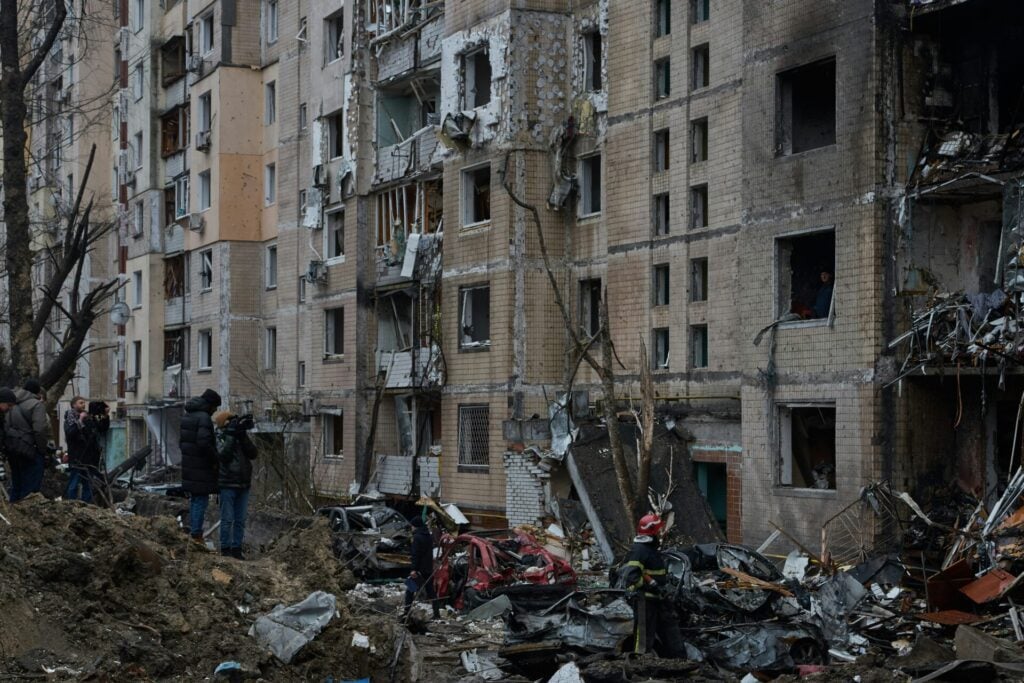
Animals displaced by war now require the same long-term commitment to rehabilitation and care as those rescued from neglect or the illegal wildlife trade.
Ursa’s journey may have begun in a war zone, but it ends with hope. And perhaps that is the real significance of these new facilities. Conservation is no longer only about protecting wildlife in pristine landscapes. Increasingly, it is about responding to a rapidly changing world – one where conflict, climate change and human activity are creating new challenges for species already under pressure.
For Ursa, that future begins with something as simple as grass beneath her feet.
To learn more visit The Big Cat Sanctuary