

It’s a new year, and for many people that means finally turning their attention to the health issues they’ve been putting on the back burner – no pun intended. Although millions of us suffer from back pain across the globe, it is one of the most common ailments to be brushed aside, managed with painkillers, or accepted as part of modern life. Often we fail to address back pain until it starts to affect our quality of life.
But as more people look for ways to support their health naturally, there’s a growing shift away from simply masking discomfort, and turning towards understanding what the body needs, restoring balance and choosing natural approaches that work with the body rather than against it.
Fortunately, professional interventions like physical therapy (PT) and chiropractic care offer effective, non-invasive relief for back pain. Both therapies focus on the root cause, helping you to achieve fast and long-term recovery.
Understanding Back Pain
Back pain manifests in various forms, but common causes include muscle or ligament strains from overuse or injury, herniated or bulging discs that compress nerves, and conditions like arthritis or osteoporosis that degrade spinal structures.
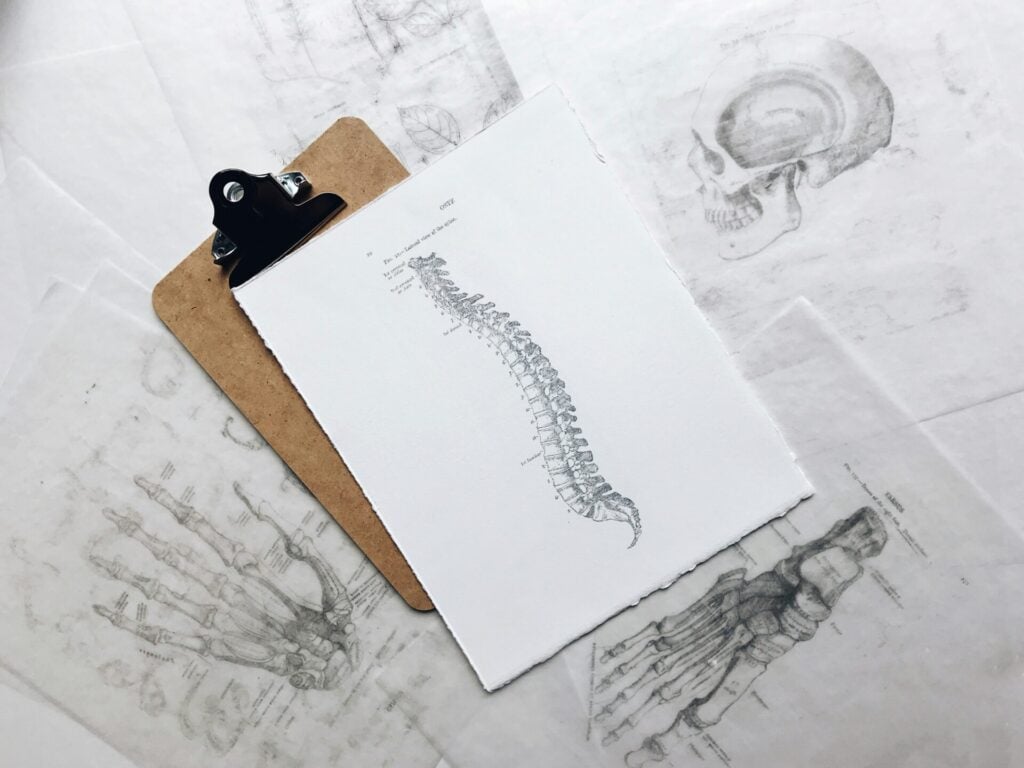
Types of back pain are broadly classified as acute (lasting less than six weeks, often from sudden trauma), sub-acute (four to 12 weeks), or chronic (persisting beyond 12 weeks). Symptoms can include localised soreness, radiating pain down the legs (sciatica), stiffness, numbness, tingling, or weakness in the limbs.
Lower back pain is frequently linked to poor ergonomics, sedentary lifestyles, or even organ-related issues like kidney problems, while upper back pain often stems from inflammation in muscles, tendons, or ligaments. Chronic cases might involve spinal nerve irritation.
Physical Therapy vs. Chiropractic Care
Physical therapy and chiropractic care both aim to alleviate back pain without surgery or medications, but they differ significantly. PT emphasises on exercises and stretches to improve strength and flexibility. It focuses on restoring mobility after injuries or surgeries for example, and often includes the use of tools like ultrasound or electrical stimulation.
In contrast, chiropractic care centers on spinal manipulation and adjustments to correct misalignments, improving the nervous system and reducing pain from joint restrictions.
Despite the differences, they complement each other well.

PT builds muscular support around the spine, preventing re-injury, while chiropractic makes sure you have proper alignment to help healing. Studies show that combining them can lead to better outcomes, such as reduced pain and disability in acute low back pain cases, making them a powerful duo for comprehensive care.
What are the Benefits of Physical Therapy for Back Pain?
Physical therapy provides multifaceted benefits for back pain sufferers. It primarily reduces pain by addressing inflammation and nerve irritation through exercises that strengthen core muscles, improving spinal stability and posture. Better circulation from aerobic activities promotes tissue healing, while stretches increase flexibility, reducing stiffness. Early intervention with PT has been shown to lower healthcare costs and opioid use, with patients experiencing faster recovery and better long-term function.
What are the Benefits of Chiropractic Care for Back Pain?
Chiropractic care is good for providing rapid relief for back pain, particularly acute lower back issues. Spinal adjustments realign vertebrae, taking pressure off nerves and discs, which can significantly reduce pain and improve range of motion. It addresses various types, including sciatica, herniated discs, and muscle strains, often leading to fewer sessions than other therapies. Research indicates it’s cost-effective and associated with lower opioid prescriptions, making it a safe alternative for many.

Combined PT + Chiropractic Treatment Plan
Integrating PT and chiropractic care creates a synergistic treatment plan that accelerates recovery. Chiropractic adjustments provide immediate alignment and pain reduction, while PT’s exercises reinforce stability, leading to faster and more sustained results. This combination is particularly effective for subacute low back pain, improving short-term pain and medium-term disability.
Plans often start with chiropractic for quick relief, followed by PT to build strength, with sessions tailored to individual needs. For those seeking back pain recovery help, consider visiting a Mississauga physical therapy clinic that offers integrated services, such as those combining manual therapies with rehab programs for optimal outcomes.
What to Expect
Your initial visit to a PT or chiropractor begins with a detailed health history review, discussing symptoms, lifestyle, and past injuries. A physical exam follows, assessing posture, range of motion, reflexes, and muscle strength, possibly including X-rays. Treatment options are then discussed, with a personalized plan outlined.
For quick relief, chiropractors use spinal adjustments to reduce nerve pressure, while PTs apply heat/cold packs and gentle stretches. Techniques like massage or trigger point therapy ease muscle spasms, often providing immediate comfort.
Long-term strategies involve ongoing exercises, posture correction, and lifestyle changes like diet and stress management. Combined care prevents recurrence by maintaining alignment and strength, reducing chronic pain risks.

While PT and chiropractic handle most cases, seek further medical help for red flags like fever, unexplained weight loss, bowel/bladder issues, or numbness indicating serious conditions such as infections or tumors. Persistent pain beyond six weeks or after trauma warrants specialist evaluation.
Addressing back pain doesn’t have to mean invasive procedures or a lifetime of medication. For those seeking a more considered, low-impact approach, therapies that focus on alignment, movement and the body’s own ability to heal offer a compelling alternative. They encourage awareness, prevention and long-term resilience, not just short-term relief.