

With thousands of supplements available in today’s stores, it can be overwhelming to pick out the right one. Labels often highlight health benefits but aren’t always transparent about where ingredients are sourced, tested, or manufactured. Learning what to look for helps you choose the right supplement with confidence.
Not All Supplements Are the Same
Two supplements may look identical on the shelf, but their quality may differ completely. Where a supplement’s ingredients come from, how it is manufactured, and the quality control measures in place can all impact the final product. For example, one manufacturer may use highly purified raw materials and closely monitor each stage of production, while another may use lower-quality ingredients and follow less consistent manufacturing practices.
To avoid buying a lower-quality supplement, start by reading the label.
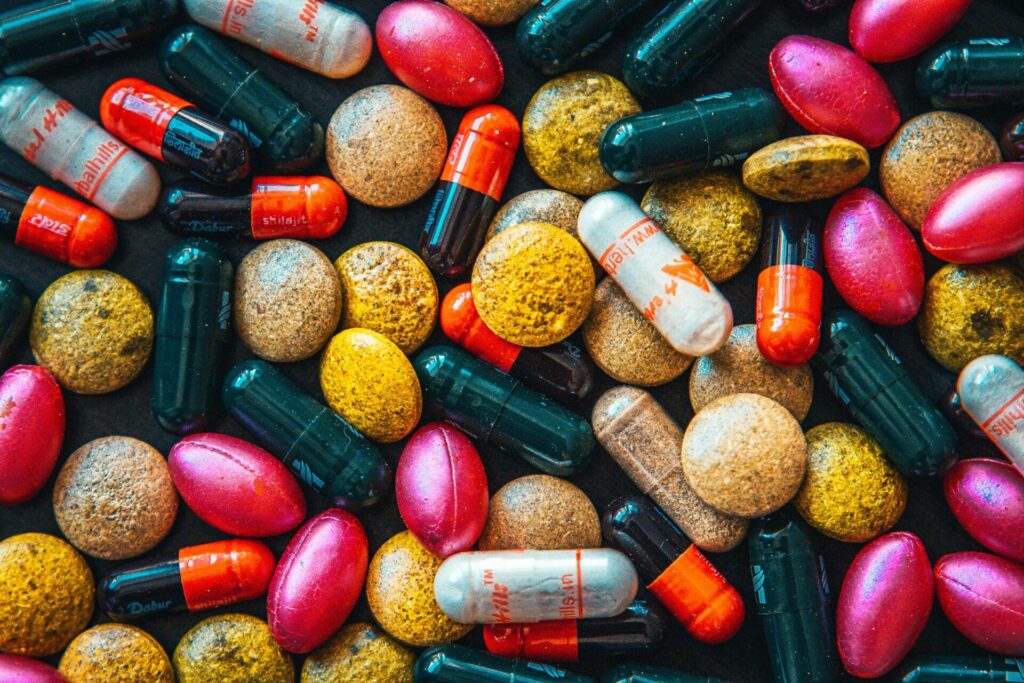
Look for supplements that clearly list their active ingredients, dosage amount, and any additional fillers or additives. A reputable manufacturer will be transparent about where their ingredients come from and whether they follow Good Manufacturing Practices (GMP).
Third-Party Testing Adds Confidence
Sometimes the nutritional label doesn’t tell the whole story. Third-party testing adds an extra layer of verification to a supplement’s claims by confirming a product’s quality and helping you make a more informed decision.
Third-party testing typically screens for potentially harmful contaminants, such as heavy metals, microbes, and residual solvents that may be introduced through ingredient sourcing or manufacturing. It can also verify that active ingredients are present at the amounts stated on the product label.
Many supplement manufacturers work with an analytical testing lab to evaluate their product before it reaches the shelves. Additionally, some companies may have their testing results or certificates of analysis publicly available to consumers, allowing you to do an in-depth review of a product.
Natural Does Not Always Mean Safe
When a product is labelled as natural, it’s easy to assume that means it’s safe, but natural ingredients can still have powerful effects on the body. Herbs and plant-based supplements contain active compounds, and how they affect you can depend on everything from the dose you take to your individual health and any medications you’re using.
Avoid storing supplements in your bathroom medicine cabinet. Instead, try a bedroom drawer or kitchen cabinet that’s away from the stove and sink
Certain supplements can interact with prescription medication or existing medical conditions. For example, St. John’s wort can interact with many medications, including some antidepressants and birth control pills, potentially reducing their effectiveness or increasing the risk of adverse effects.
Ginkgo biloba and garlic supplements may increase the risk of bleeding, particularly when taken with anticoagulants or other medications that affect blood clotting. Even common nutrients, such as vitamins A and D and iron, can cause harmful effects when taken in excessive amounts over time.
Storage and Expiration Matter
Even supplements made with high-quality ingredients can lose their effectiveness if they aren’t stored properly. Exposure to heat, moisture, and direct sunlight can cause certain ingredients to degrade over time, potentially reducing their potency before the expiry date.

Store supplements in a cool, dry place, away from humidity. Avoid storing them in your bathroom medicine cabinet. Instead, try a bedroom drawer or kitchen cabinet that’s away from the stove and sink. If possible, keep supplements in their original containers to help protect them from moisture and preserve important information such as lot numbers, the expiration date, and dosage instructions.
Check the expiry dates regularly to ensure safe usage. Expired supplements can lose potency over time and become ineffective. Any product that shows signs of damage, such as unusual odours, discolouration, clumping, or broken seals, should be discarded.
Dietary supplements can support a healthy lifestyle, but choose them carefully. Take the time to evaluate a product’s quality and look beyond its marketing claims. By taking a more thoughtful approach when buying supplements, you can better protect your health and wellness.
Pete Kinney is the Director of Marketing for BA Sciences, a cGMP-compliant, FDA/DEA-registered, ISO/IEC-17025:2017-certified analytical laboratory in Salem, NH.