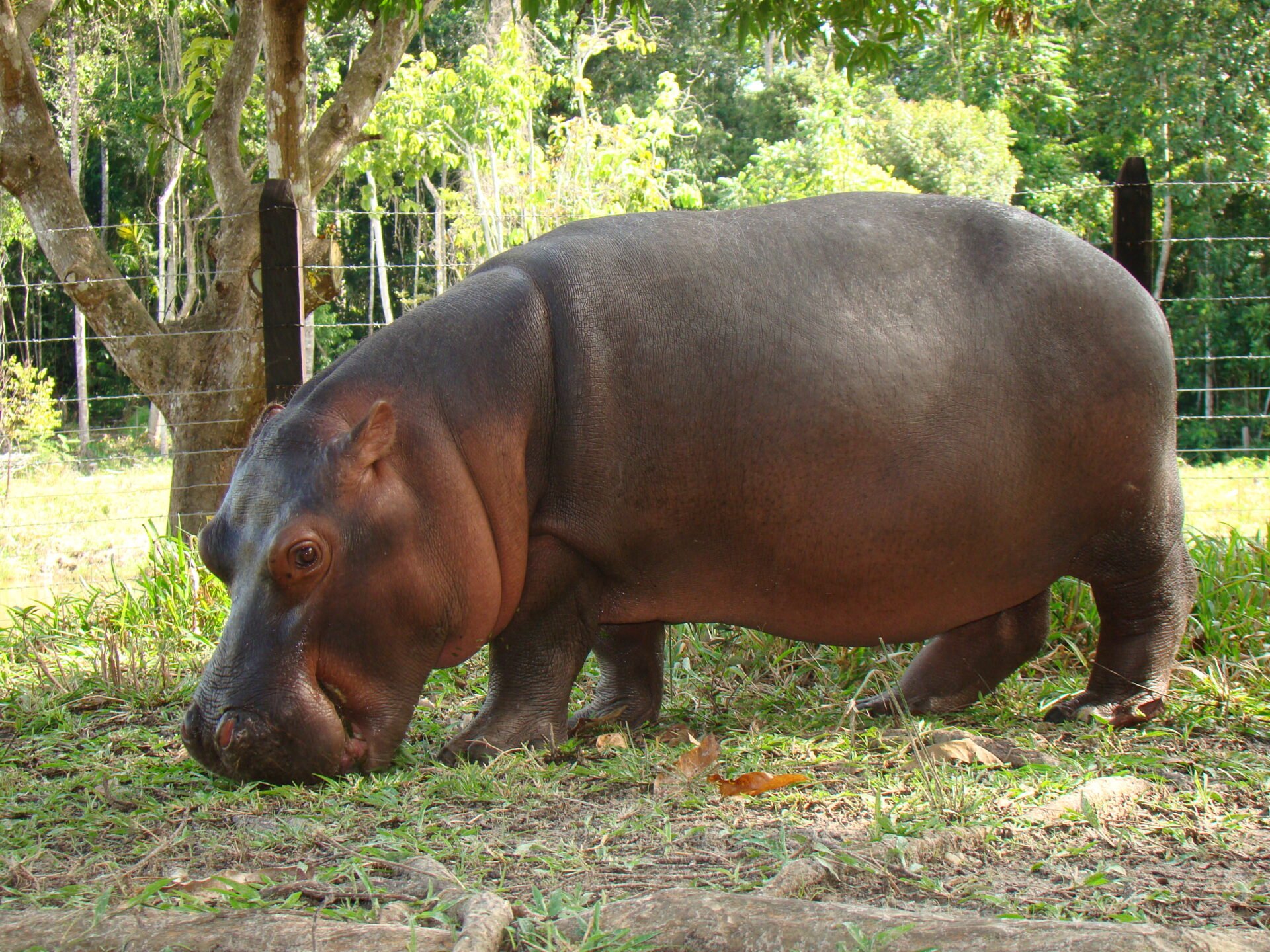
Colombia is preparing to cull dozens of feral hippos descended from animals once owned by drug lord Pablo Escobar, as authorities struggle to contain a population that has rapidly expanded beyond control.
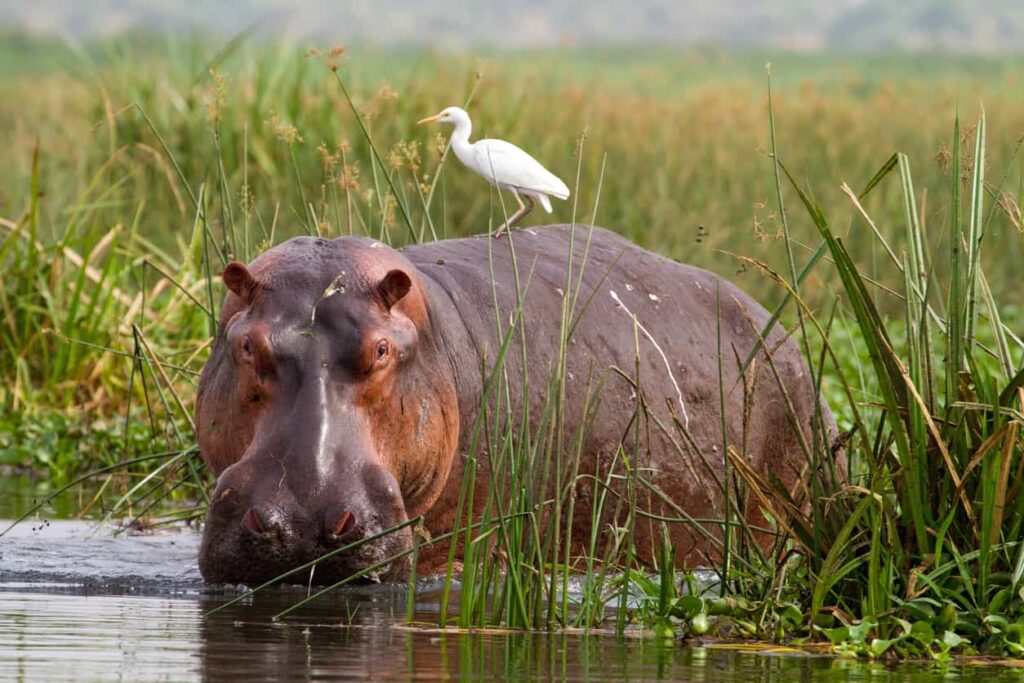
The hippos, originally brought to the country in the 1980s as part of Escobar’s private zoo, have multiplied in the wild and are now widely considered a threat to both local ecosystems and nearby communities.
Officials say up to 80 animals could be killed under the proposed plan. Even then, around 90 are expected to remain roaming freely in the Magdalena River basin, where the population has steadily spread far beyond its original range.
Efforts to manage the feral hippos through non-lethal means have proved costly and largely ineffective. Attempts to sterilise individuals and relocate them to zoos have failed to keep pace with population growth, while proposals to move groups to India and Mexico were abandoned over concerns the hippos could carry diseases harmful to other species.
Environment Minister Irene Vélez said the decision was not taken lightly, but insisted action was necessary.
‘It is out of responsibility to our ecosystems that we must take these actions,’ Vélez said at a press conference as reported by Spanish newspaper El País. ‘Today we are announcing a euthanasia protocol so that environmental authorities can implement it with the support of scientific institutions, because without this action it is impossible to control the growth of the species.’
Colombia remains the only country outside Africa with a wild hippo population – all descended from just four animals imported by Escobar to his Hacienda Nápoles estate, around 150 kilometres from Medellín. Following his death in 1993, the property was seized by the government and later transformed into a tourist attraction.
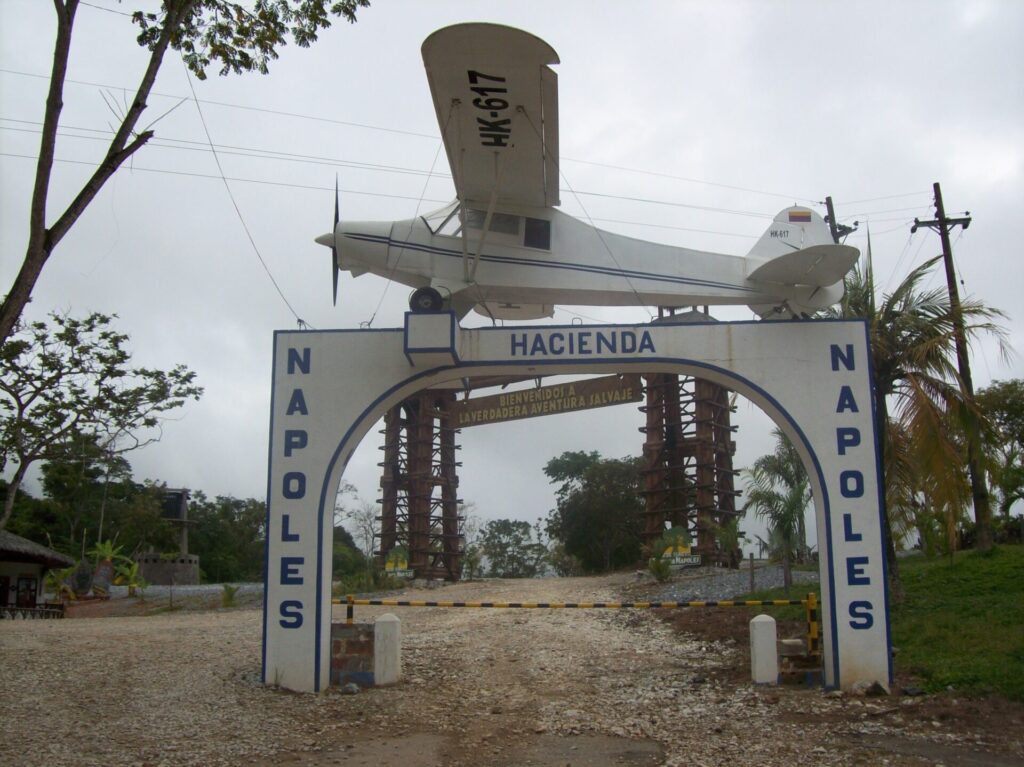
Today, the hippos have become part of that legacy, drawing visitors while also creating growing concern.
Sightings have been reported more than 100 kilometres from the original site, with feral hippos appearing on farmland, in rivers, and even near major roads.
In one recent incident, three hippos were seen walking alongside a motorway between Bogotá and Medellín, causing panic among drivers during the Easter holidays.
Earlier incidents have turned dangerous. In 2023, a collision between a vehicle and a hippo crossing the same road left the animal dead and two people injured.
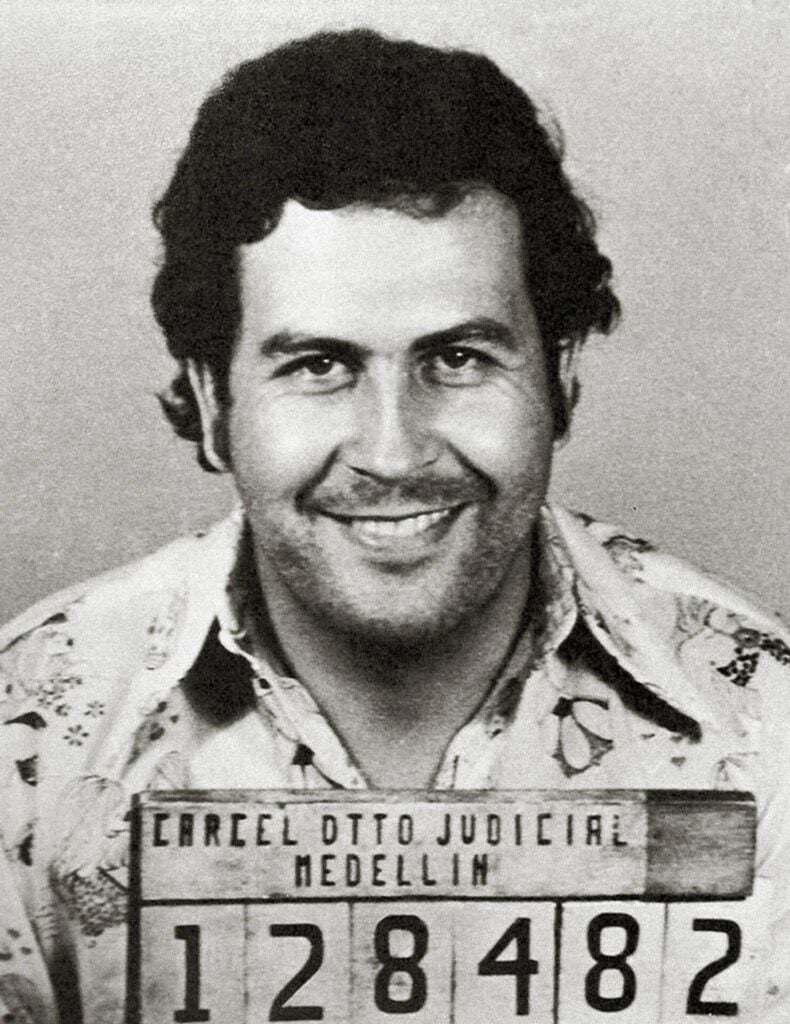
Beyond safety risks, conservationists warn that the feral hippos are disrupting delicate ecosystems. Hippos compete with native species such as manatees for food and space, while their waste alters water quality, contributing to pollution and blockages in rivers.
The decision to cull has sparked backlash from animal welfare advocates, who argue the animals, while invasive, are not to blame.
Andrea Padilla, a senator and activist who helped draft a law against bullfights in Colombia, described the plan to cull the hippos as a ‘cruel’ decision and accused government officials of trying to take the easy way out.
‘Killings and massacres will never be acceptable,’ Padilla wrote on X. ‘These are healthy creatures
who are victims of negligence.’