Owning a home brings pride, comfort, and stability, but it also comes with ongoing responsibilities that are easy to overlook. For homeowners in Kansas City, Missouri, staying attentive to regular upkeep plays an important role in preserving both comfort and long-term durability because changing weather conditions can place added strain on different parts of a home throughout the year.
Many people intend to keep their homes in good condition, yet small oversights can slowly turn into serious problems. These mistakes rarely happen out of neglect alone. They often stem from a lack of awareness, busy schedules, or misunderstanding how different parts of a home work together. When maintenance is delayed or handled incorrectly, it can affect safety, daily comfort, and the overall condition of the property.
A thoughtful approach to home care focuses on prevention rather than reaction. By understanding the most common home maintenance mistakes and learning how to avoid them, homeowners can protect their living space and reduce unnecessary stress.
Ignoring the Roof
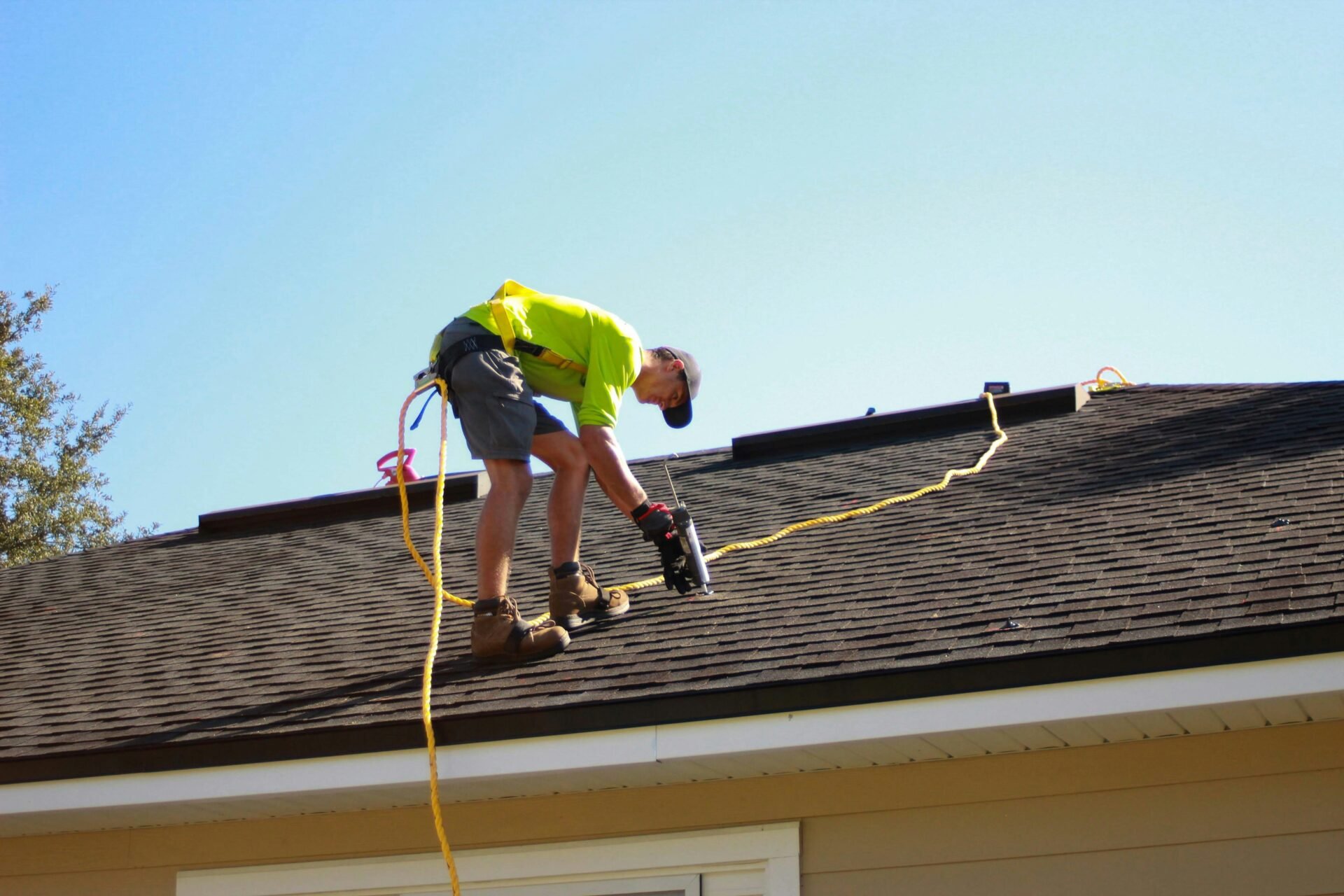
One of the most common and costly maintenance mistakes is overlooking the condition of the roof. Because it sits above daily sightlines, problems often go unnoticed until visible damage appears indoors. Small issues like missing shingles, blocked drainage paths, or minor leaks can quietly worsen over time. Water intrusion may damage insulation, ceilings, and walls long before stains become visible.
Routine visual checks from the ground after storms and seasonal changes can reveal early signs of trouble. Paying attention to uneven surfaces, debris buildup, or moisture near attic spaces makes a meaningful difference. Get in touch with a local Kansas City roofing company to check the condition of the roof and ensure issues are addressed before they spread. Remember, consistent roof care supports the entire structure of the home and prevents avoidable repairs.
Skipping Gutter Cleaning and Drainage Checks
Gutters play a critical role in directing water away from the home, yet they are often ignored until overflow becomes obvious. Leaves, dirt, and debris can clog channels and downspouts, causing water to spill over the edges. When water pools near the foundation or seeps behind exterior surfaces, it may lead to structural strain and moisture problems.
Regular cleaning during seasonal transitions helps maintain proper flow. Observing how water moves during rainfall also provides insight into potential blockages. Ensuring downspouts guide water away from the home reduces pressure on foundations and exterior walls. This simple task is one of the easiest ways to prevent water-related damage.
Neglecting Heating and Cooling System Maintenance
Heating and cooling systems work quietly in the background, making it easy to forget about their upkeep. Many homeowners assume these systems only need attention when they stop working. In reality, dust buildup, worn components, and airflow issues can develop gradually, affecting efficiency and indoor comfort.
Routine maintenance includes changing filters, keeping vents clear, and scheduling periodic inspections. Listening for unusual sounds or noticing uneven temperatures between rooms can signal early concerns. Addressing small issues promptly helps systems operate smoothly and extends their usable life. Consistent care also supports healthier indoor air quality.
Overlooking Plumbing Leaks and Moisture Issues
Minor plumbing leaks are often dismissed as harmless drips, yet they can lead to significant problems when ignored. Slow leaks under sinks, behind walls, or near fixtures may cause hidden water damage and encourage mold growth. Moisture weakens materials over time and may affect indoor air quality.
Checking visible pipes, monitoring water pressure, and paying attention to unexplained damp areas help detect problems early. Responding quickly to changes in water flow or unusual sounds within pipes reduces the risk of long-term damage. Simple awareness plays a key role in maintaining a healthy plumbing system.
Ignoring Electrical Safety Checks
Electrical systems are essential to daily life, yet many homeowners assume they are maintenance-free. Over time, outlets may loosen, switches may malfunction, and wiring connections may wear. These issues can increase safety risks if left unaddressed.
Being attentive to flickering lights, warm outlets, or frequent circuit interruptions helps identify concerns early. Keeping electrical panels accessible and free from clutter allows for easier inspection. Addressing issues promptly supports household safety and prevents disruptions.
Overlooking Attic and Basement Conditions
Attics and basements are easy to forget since they are not part of daily living spaces. These areas, however, offer valuable insight into the overall health of a home. Signs of moisture, poor ventilation, or insulation issues often appear here first.
Checking these spaces periodically helps identify problems early. Ensuring proper airflow, monitoring for dampness, and keeping areas clear of unnecessary storage supports better conditions throughout the home. These inspections help prevent issues from spreading to living areas.
Failing to Follow a Consistent Maintenance Routine
Without a clear routine, maintenance tasks are easy to forget. Many homeowners rely on memory rather than planning, which leads to missed inspections and delayed care. A structured schedule helps ensure that each part of the home receives attention at the right time.
Breaking tasks into manageable steps and spreading them throughout the year makes maintenance less overwhelming. Regular check-ins create awareness and confidence in managing home responsibilities. Consistency is key to avoiding common mistakes.
Misunderstanding How Systems Work Together
Another overlooked issue is failing to recognize how different home systems interact. Moisture problems may affect insulation, which influences heating efficiency. Poor ventilation may impact indoor air and comfort. Viewing each system separately can lead to missed connections.
Taking a holistic view of the home encourages better decision-making. Observing how changes in one area affect another helps identify root causes rather than surface symptoms. This understanding supports more effective maintenance practices.
Relying Solely on Visual Appearance
A home that looks clean and well-kept on the surface may still have hidden issues. Relying only on appearance can lead to missed warning signs. Problems often develop behind walls, under floors, or within systems that are not visible.
Listening, observing, and staying curious about how the home feels and functions provides deeper insight. Unusual odors, sounds, or changes in comfort deserve attention. Looking beyond appearance helps catch problems early.