The quest for thicker, shinier and healthier hair has sent many of us down a rabbit hole of TikTok tutorials and homemade remedies. Every month, around 135,000 people in the UK search for DIY hair treatments, hoping that ingredients already sitting in their kitchens might hold the secret to stronger strands and faster growth.
While there is nothing wrong with wanting healthier hair, experts stress the importance of separating maintenance from treatment.
‘We see patients regularly who have spent months trying these treatments at home, genuinely convinced they were helping their hair,’ says a spokesperson from Harley Street Hair Clinic. ‘The frustrating part is that many of them arrive with more damage than they started with.’
Experts at the clinic recently reviewed some of the UK’s most-searched DIY hair treatments and found that while a handful may offer cosmetic benefits, others could leave users with irritated scalps, brittle hair and even increased shedding.
Coconut Oil: Helpful for Hair, Not Growth
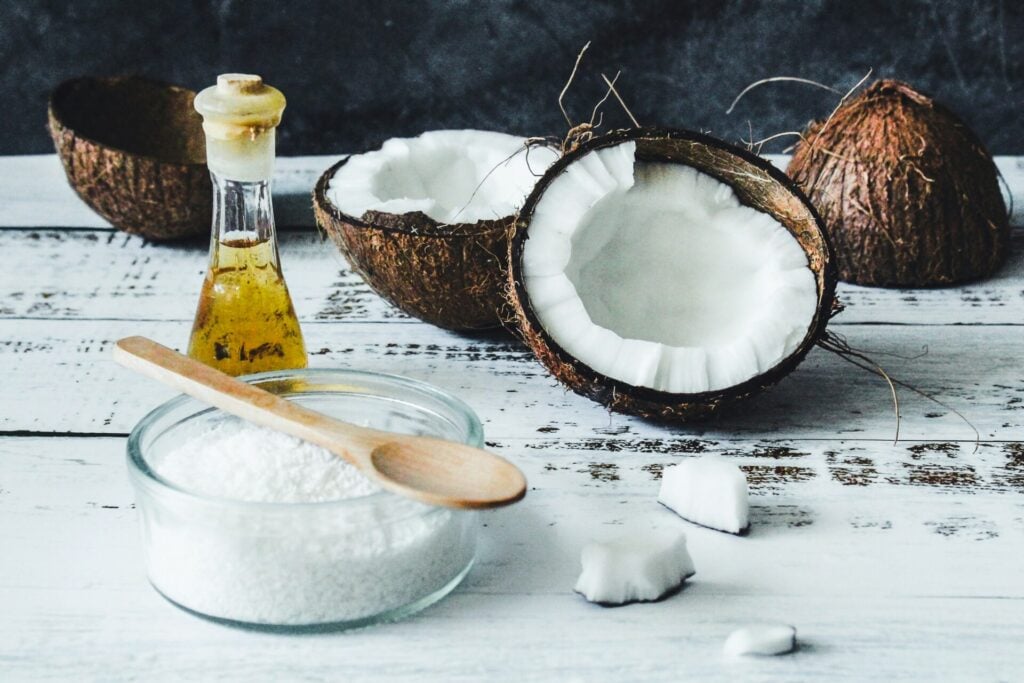
With almost 25,000 monthly searches, coconut oil remains one of the most popular DIY hair treatments.
The belief is simple: natural oils nourish the scalp and stimulate hair growth. While coconut oil can help reduce protein loss and improve the appearance and texture of hair, experts say there is little evidence that it encourages new growth.
In fact, applying large amounts directly to the scalp may create problems of its own. Because coconut oil is highly occlusive, it can contribute to product build-up and clogged follicles in some individuals, particularly those already prone to irritation, dandruff or scalp acne.
Onion Juice: A Viral Trend With Potential Side Effects
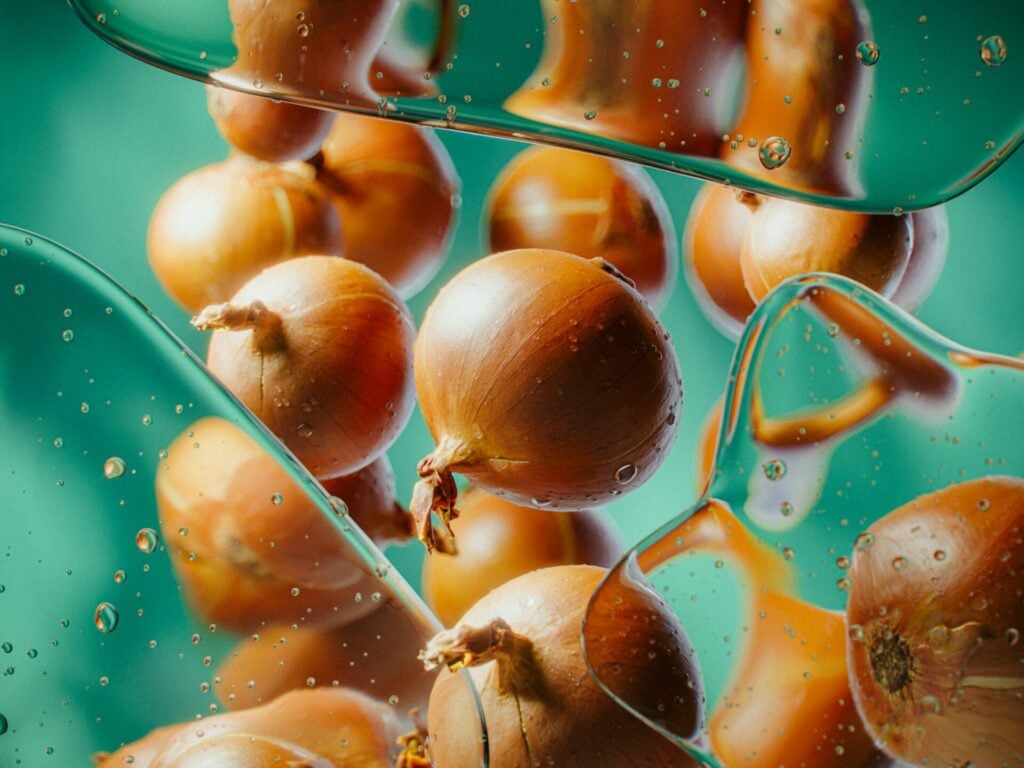
TikTok users have helped propel onion juice into the DIY hair treatment hall of fame, with almost 17,000 monthly searches.
Supporters claim its high sulphur content boosts keratin production and encourages hair growth. While sulphur is important for healthy hair structure, specialists say applying raw onion juice to the scalp is unlikely to be an effective delivery method.
More concerning is the risk of irritation. Onion juice is highly acidic and can trigger redness, itching and inflammation in some people. Ironically, chronic scalp inflammation can itself contribute to hair shedding, meaning users may inadvertently worsen the very issue they are trying to solve.
Raw Eggs: The Protein Treatment That Isn’t

At first glance, the logic seems convincing. Hair is largely made of protein, eggs contain protein, therefore eggs should strengthen hair. Unfortunately, biology isn’t quite that straightforward.
Experts explain that for protein to penetrate the hair shaft, it must first be broken down into tiny molecules through a process known as hydrolysis. Whole egg proteins are simply too large to be absorbed.
The temporary stiffness people often notice after an DIY hair treatment egg mask is merely a coating left on the surface of the hair, rather than genuine repair. Once washed away, any perceived benefit disappears with it.
Lemon and Baking Soda: A Recipe for Damage?
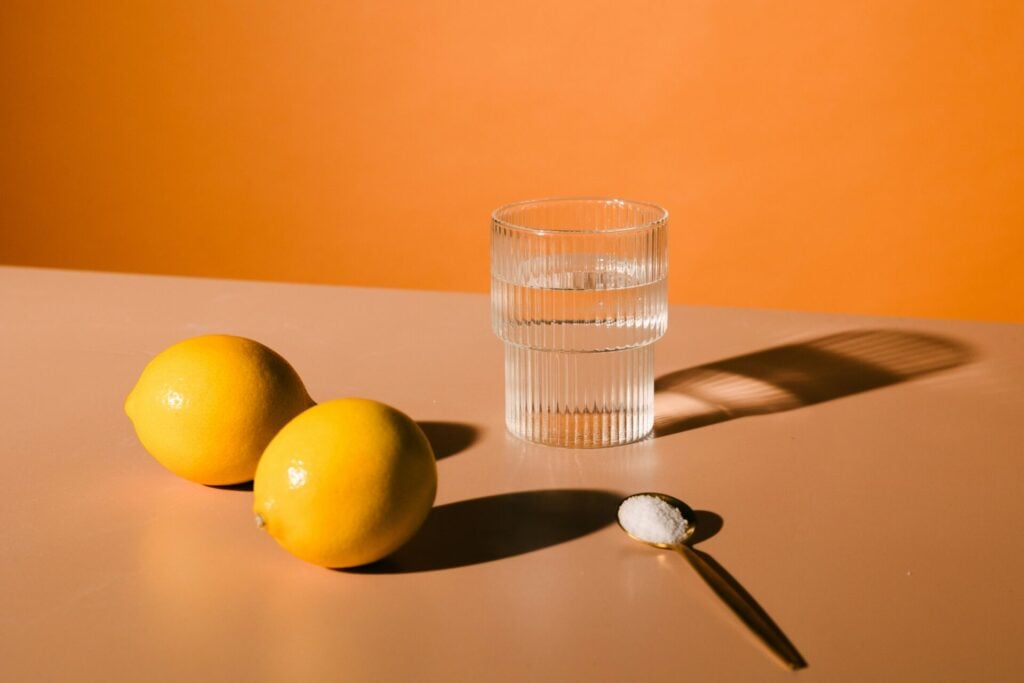
Another popular online remedy involves combining lemon juice and baking soda to remove product build-up and restore shine.
Hair specialists say this combination may be one of the harshest on the list.
The scalp naturally sits within a slightly acidic pH range of around 4.5 to 5.5. Baking soda is highly alkaline, while lemon juice is highly acidic. Repeatedly exposing hair to such dramatic pH swings can weaken the hair cuticle, strip away protective oils and increase dryness and fragility.
Although some people may tolerate the mixture occasionally, regular use could leave hair more vulnerable to breakage and damage over time.
The advice is simple: if your hair is becoming noticeably thinner, more brittle or your scalp is increasingly irritated, it may be time to seek professional advice rather than another viral hack.
After all, just because an ingredient is natural doesn’t automatically mean it’s good for your hair.