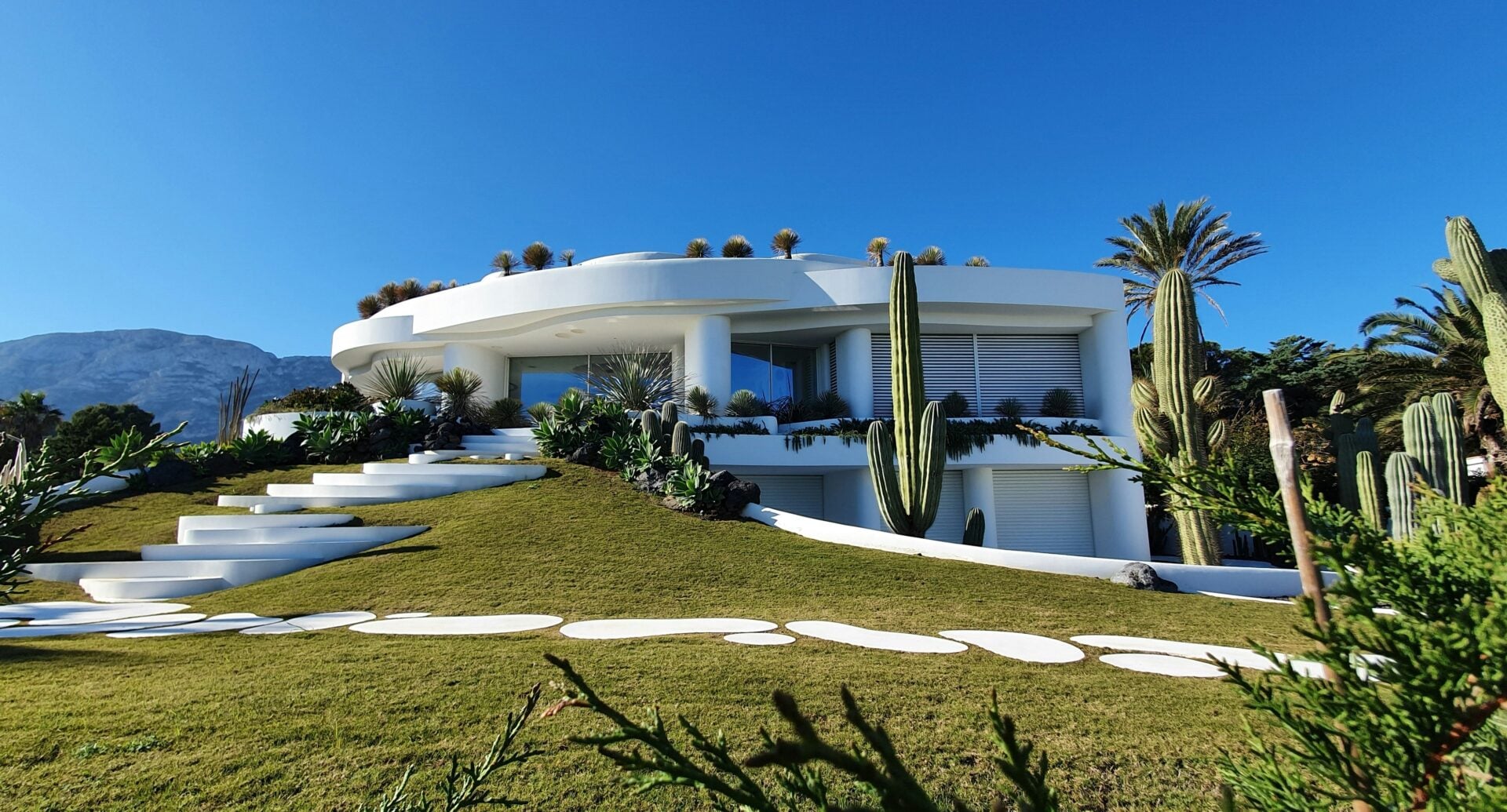
A front yard can tell a story before the front door is even touched. Grass may look healthy while hidden drainage issues quietly spread beneath the soil. Shrubs may appear neat, even though their roots are pressing against underground pipes. In places where warm weather stretches across much of the year, outdoor spaces are expected to remain attractive for longer, which often pushes homeowners into a never-ending cycle of upkeep. Increasingly, however, efficient landscaping is less about appearance alone and more about protecting a property’s long-term health.
The strange part is this: many property issues begin outside long before they are noticed indoors.
A trim-cut-and-water routine may seem enough at first glance. Still, a yard affects far more than appearance. Water flow, soil condition and tree placement can shape the condition of a home in ways many people rarely consider. The relationship between outdoor care and home preservation has become impossible to ignore because small exterior problems often lead to expensive structural trouble later.
Efficient landscaping is not about perfection. It is about smart choices that reduce strain on a property while supporting long-term maintenance goals. When outdoor spaces are planned with care fewer repairs tend to pile up unexpectedly.
The Yard Often Speaks Before The House Does
Many homeowners focus heavily on interior upgrades because kitchens and bathrooms are easier to notice. Meanwhile, outdoor warning signs are ignored until major damage has already been caused. A patchy lawn or standing water may seem minor, but these details can point to deeper concerns with irrigation or drainage systems.
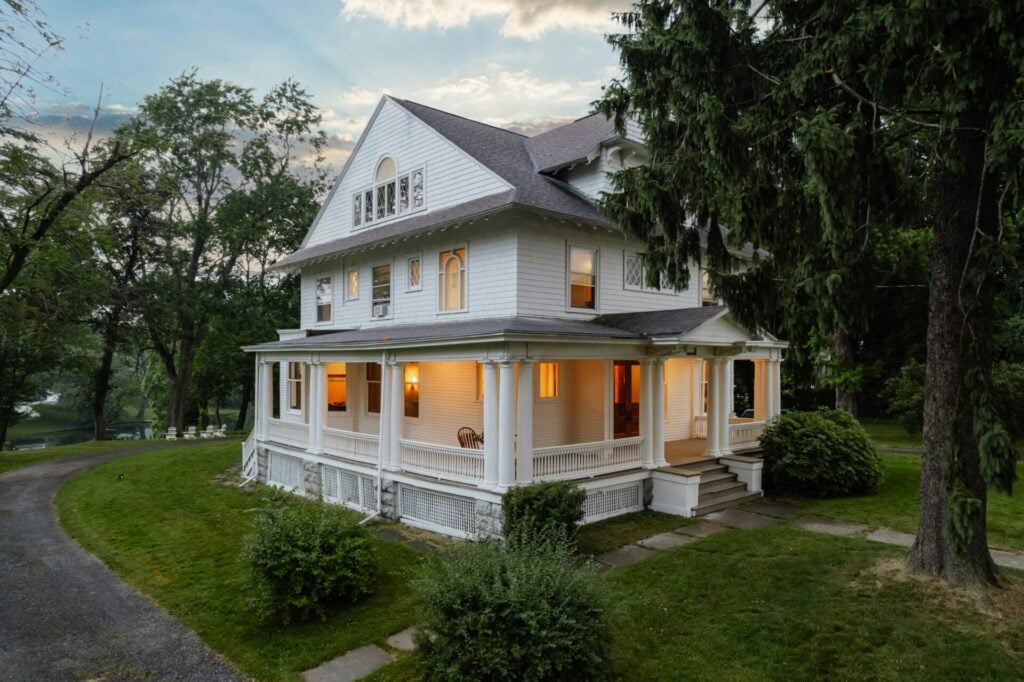
Sprinklers are one of the clearest examples. Water distribution must be properly controlled because too much moisture can weaken foundations, and too little can destroy vegetation around the property. If they become faulty, complacency should never be allowed to set in. Get in touch with a reliable company that offers sprinkler system repair in Clermont, immediately, so water damage, rising utility costs and unhealthy lawn conditions can be avoided before the problem spreads further.
Efficient landscaping also helps control erosion. Soil movement around foundations can create uneven pressure, which may eventually lead to cracks. Trees planted too close to structures may create shade that traps moisture near roofs and gutters. These issues develop quietly which makes them easy to dismiss during everyday routines.
Water Control Changes Everything
Water can support a healthy property or slowly damage it, depending on how it is managed. Efficient landscaping is heavily tied to moisture control because nearly every outdoor feature interacts with water in some way. Gutters, grading and irrigation systems must work together rather than compete against one another.
Poor drainage is one of the most common causes of exterior damage. Water that pools near a foundation places stress on concrete and encourages long-term deterioration. Grass may look greener in those spots, although hidden structural pressure may already be building underneath.
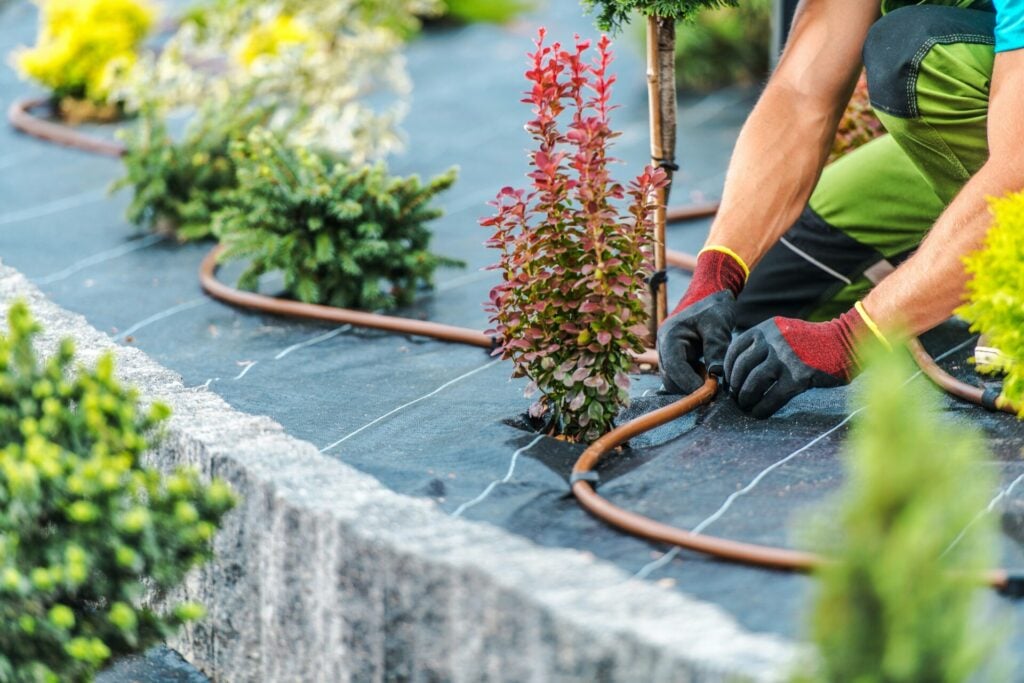
Homeowners who think carefully about outdoor water movement often avoid larger repair costs later. Sloped yards are usually designed to direct water away from structures. Gravel beds may be placed strategically near heavy runoff areas. Plants that require less irrigation are frequently chosen because excessive watering can create avoidable moisture problems.
Several outdoor features contribute to better moisture management:
- Drip irrigation systems that reduce oversaturation
- Native plants that survive with limited watering
- Gravel pathways that improve drainage
- Mulch placement that protects soil without trapping moisture
- Rain collection systems that reduce runoff pressure
These choices are not always made for appearance alone. Long-term durability is often the bigger goal. A healthy yard supports the condition of nearby structures, whether homeowners realize it immediately or not.
Trees Shade Homes But They Also Test Them
Trees are often loved for the comfort they provide. Shade lowers outdoor temperatures, and mature greenery can improve property value in many neighbourhoods. Still, trees can pose serious maintenance concerns when poorly placed.
Roots move toward moisture and underground systems may become targets. Pipes can crack while sidewalks shift under pressure from expanding roots. Branches hanging over roofs may trap leaves inside gutters, which increases the risk of water buildup during heavy rain. Would most homeowners connect a clogged gutter to poor yard planning? Probably not at first.
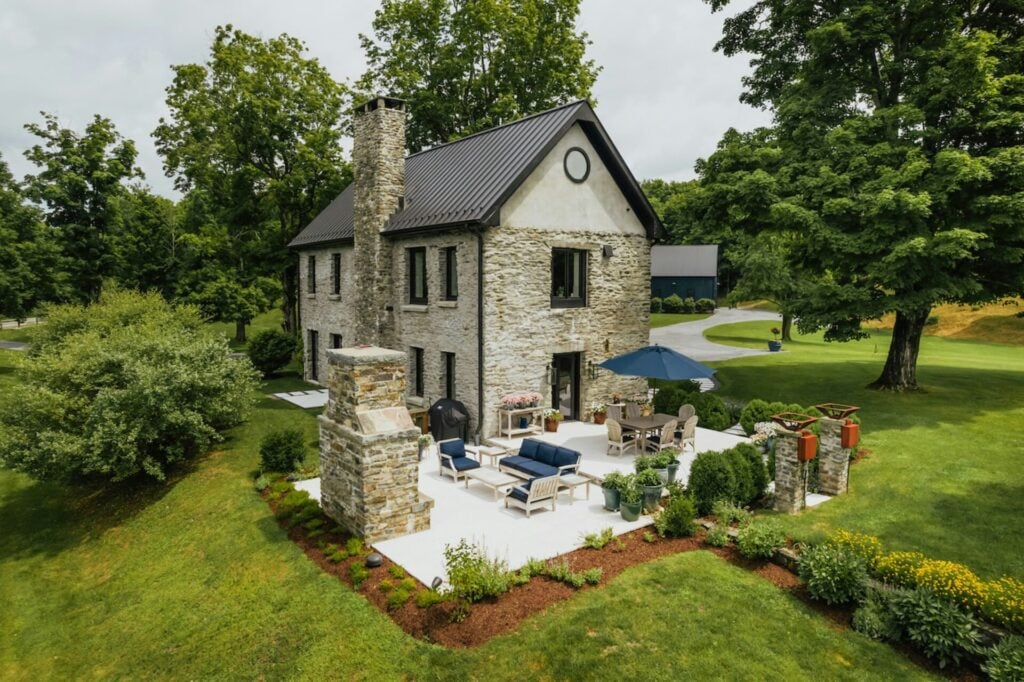
Maintenance also becomes easier when spacing is planned properly. Airflow around a property reduces moisture buildup, helping keep siding and roofing materials healthier. Sunlight reaching key areas can help prevent mildew growth around patios and walkways.
Outdoor beauty matters, but practical planning matters just as much. A property should work with the home rather than create additional strain.
Small Outdoor Habits Prevent Bigger Indoor Problems
Many expensive home repairs begin with overlooked outdoor maintenance. Common home maintenance mistakes often stem from habits that seem harmless during busy weeks. Leaves are left inside gutters. Sprinkler leaks are ignored. Overgrown plants are allowed to touch the siding for months at a time.
Those small details slowly create conditions that invite damage. Moisture becomes trapped where airflow should exist. Pests find easier entry points near thick vegetation. Soil may begin shifting after repeated water buildup around walkways and foundations.
Efficient landscaping helps homeowners stay proactive rather than reactive. A well-maintained yard allows problems to be noticed earlier because clutter and overgrowth are reduced. Outdoor inspections become easier when access points are not hidden behind uncontrolled greenery.
A Smarter Yard Supports A Stronger Home
Efficient landscaping is often misunderstood as a cosmetic goal, although its impact reaches much further. Water control, plant placement and consistent outdoor care all influence the long-term condition of a property. A healthy yard supports structural durability while reducing the chance of avoidable repairs.
Homeowners who think ahead usually spend less time reacting to sudden exterior problems. Smart irrigation habits help protect foundations. Thoughtful tree placement reduces pressure on roofs and underground systems. Drainage planning supports stability around walkways and patios.
The connection between landscaping and home care becomes clearer when small outdoor issues are allowed to grow unchecked. What begins as a leaking sprinkler or clogged drainage area may eventually affect siding, concrete, or indoor air quality. That chain reaction can be slowed significantly through consistent attention outside the home.
A well-maintained property is not built through appearance alone. It is shaped through practical decisions that support both beauty and durability for years to come.