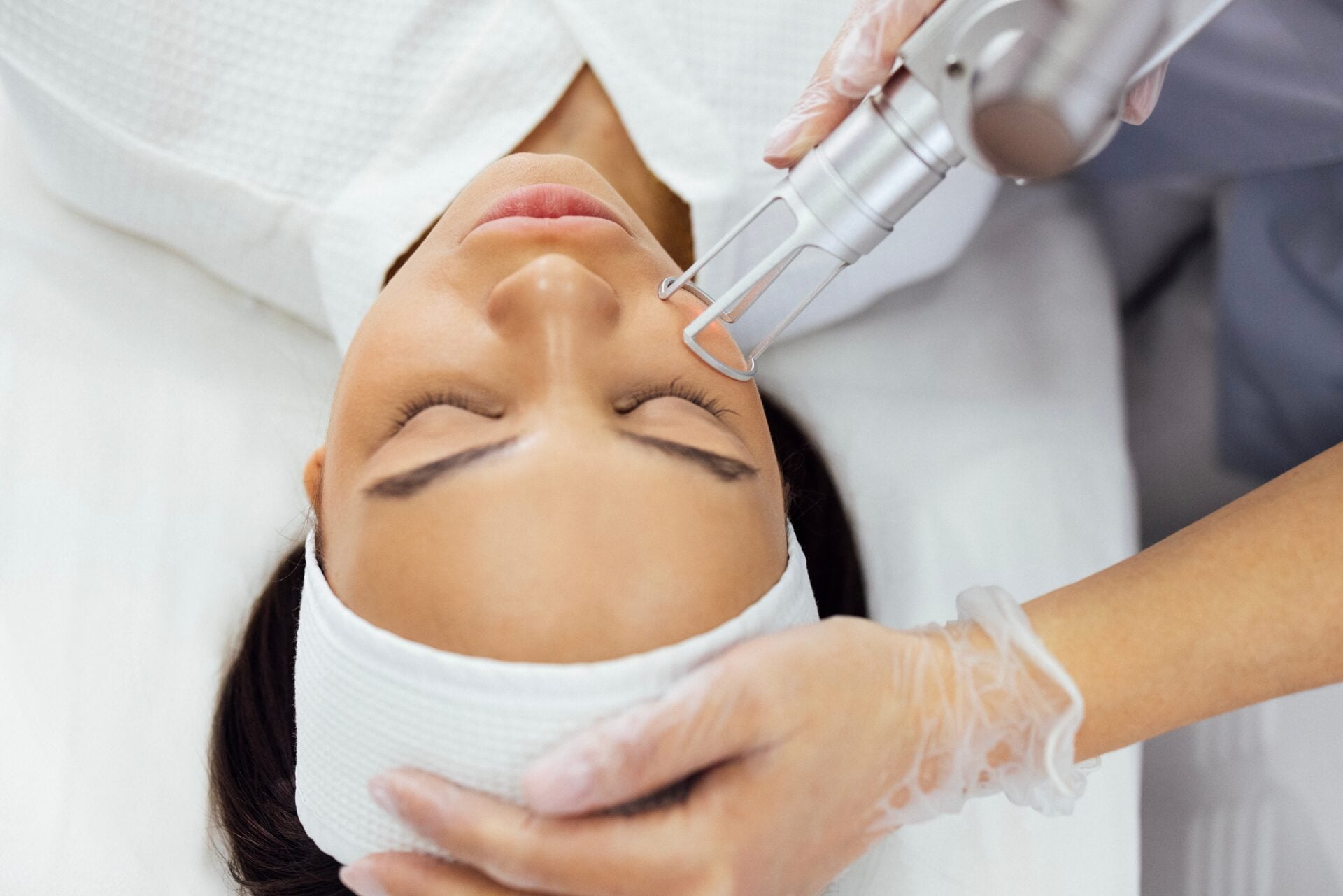
Tallulah, my beauty and laser therapist at Hortman Clinics, Dubai, had warned me that my face would feel hot after UltraClear laser resurfacing, and I’d nodded along quite happily, assuming I knew exactly what she meant. Twenty minutes later, lying in the clinic on Jumeirah Beach Road with a cooling mask on my face and firmly clutching the nozzle of a machine that blew icy air on me, I was beginning to appreciate what she’d been trying to explain.
But let me rewind, because that makes the whole thing sound far more alarming than it was. I booked an UltraClear laser resurfacing session after becoming increasingly interested in what could be done for skin that looked a little grey and tired, with fine lines inching toward the term ‘deep lines’. UltraClear was recommended as being a perfect solution to my concerns.
What is UltraClear?
UltraClear is a relatively new type of fractional laser resurfacing treatment that uses cold fibre laser technology to create tiny, controlled injuries in the skin, stimulating collagen production and encouraging the skin to repair and renew itself. The idea is to improve everything from fine lines and wrinkles to pigmentation, uneven texture and sun damage, without the prolonged downtime traditionally associated with more aggressive laser treatments.
‘Imagine a bouncy castle that’s slowly deflating. That’s essentially what’s happening to our collagen as we age. If we can stimulate enough collagen production to inflate that bouncy castle again, the question becomes: do we need to freeze those lines, or can we just plump up the skin’
Tallulah Billington, laser skincare specialist, Hortman Clinics.
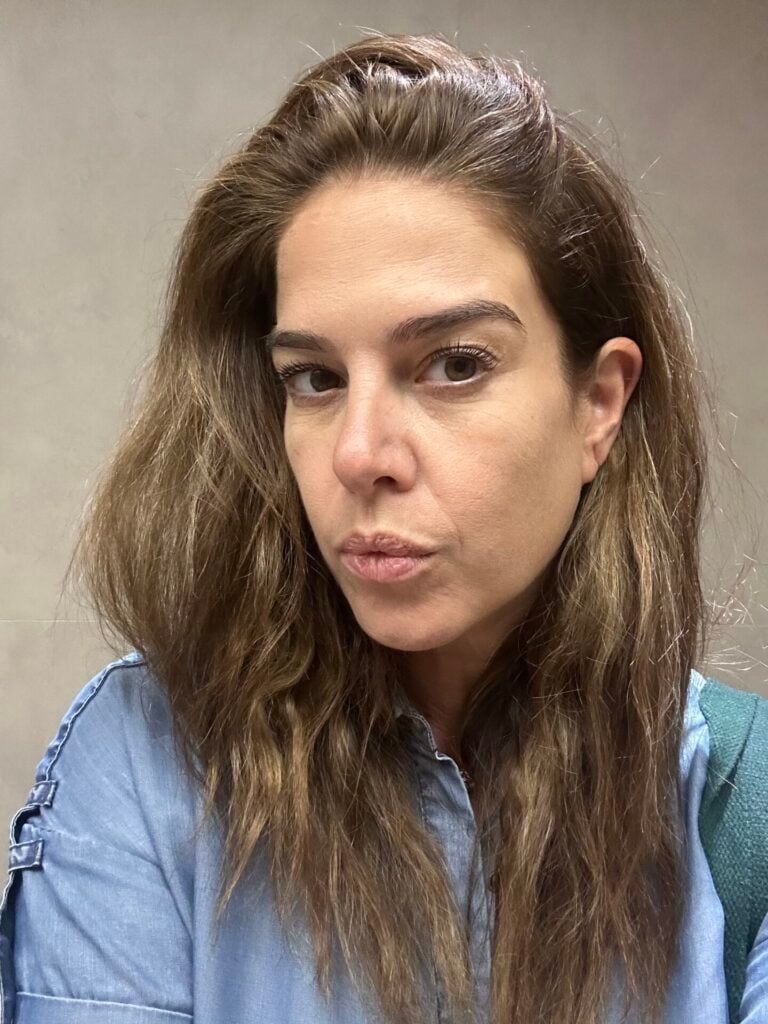
Having never tried laser before, I was curious to see whether it could offer an alternative to the treatments I’d relied on in the past. I’m 48, and although I’ve had Botox since my mid-thirties, I’ve never particularly liked how it looks on me for the first few weeks: yes, my forehead might be as smooth as a baby’s bottom, but my eyebrows and eyelids do things that make me look like a rabbit in headlights. I wanted to know whether treating the skin instead of freezing it could make a difference.
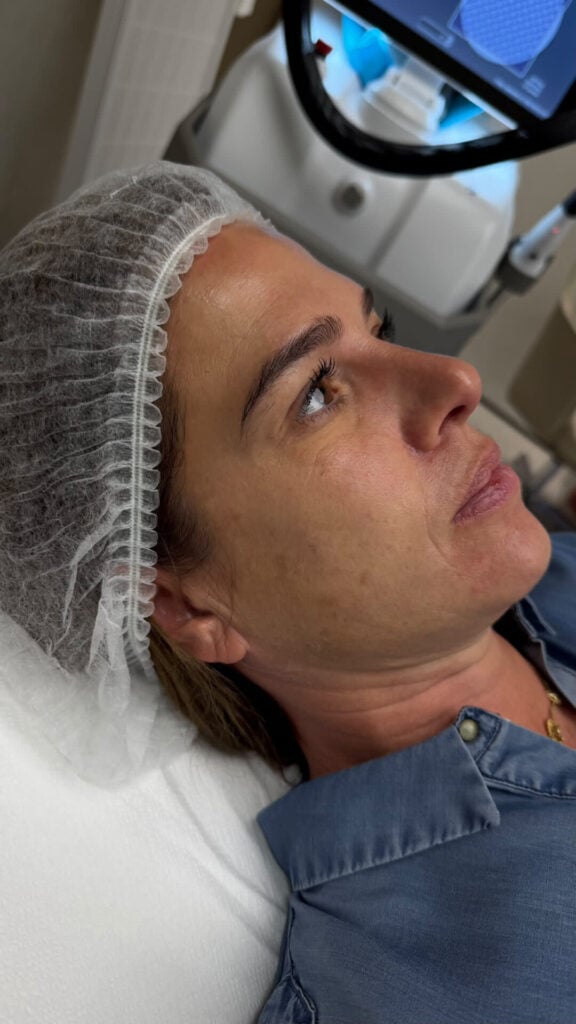
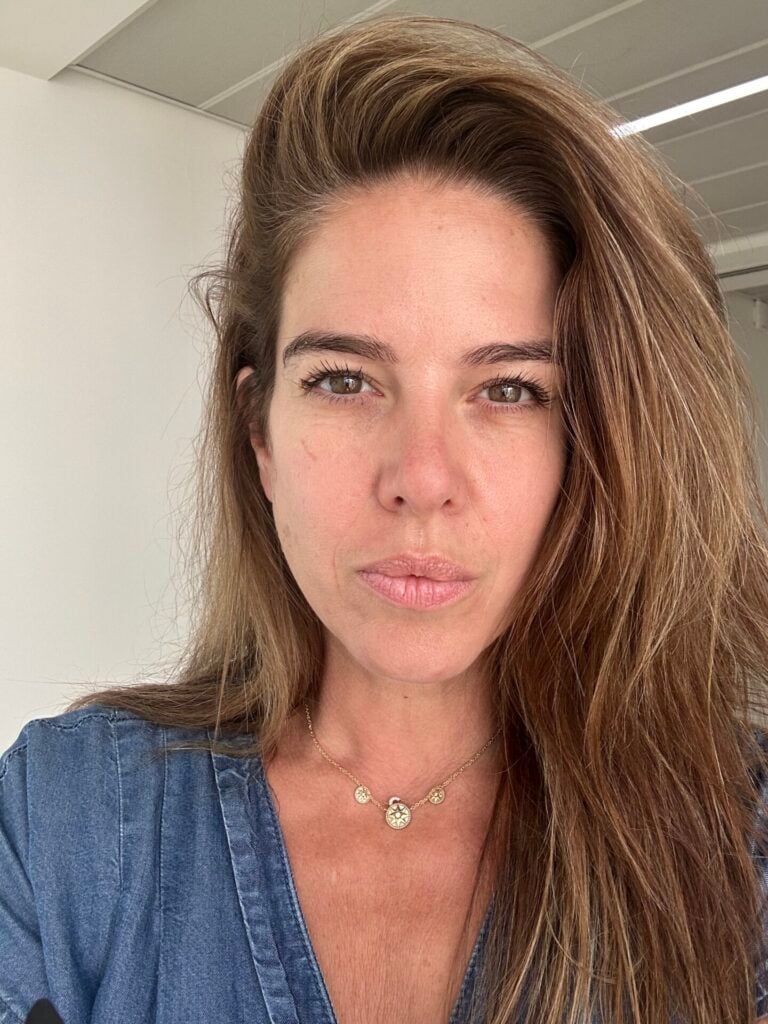
‘Imagine a bouncy castle that’s slowly deflating. That’s essentially what’s happening to our collagen as we age,’ explained Tallulah Billington, the lovely laser skincare specialist who treated me at Hortman Clinics. ‘If we can stimulate enough collagen production to inflate that bouncy castle again, the question becomes: do we really need Botox? Do we need to freeze those lines, or can we plump up the skin enough that they’re no longer visible when our face is at rest?’
She also offered a useful distinction for anyone – like me – who’s been using Botox as a solution to all signs of ageing. ‘I have them too. I love them. There’s a place for them,’ she said of injectables, but she sees lasers as a way to work on the quality of the skin, rather than only the movement of a wrinkle or the shape of a fold. None of this means a laser is a substitute for Botox or filler in every face; it simply gives you another option, particularly if you’d rather look a bit fresher.
What was the laser actually doing?
UltraClear is a fractional resurfacing laser, meaning it treats small areas of skin while leaving skin between them to help the healing process. Tallulah planned to work at two depths: deeper in the tissue to encourage collagen remodelling and address the appearance of the lower face and nose-to-mouth folds, and more superficially to tackle what I could actually see in the mirror, such as texture, enlarged pores, fine lines and dullness.
The first pass, which felt like a series of tiny, warm pinpricks, was uncomfortable but perfectly bearable; there was also a faint singed smell, which she explained came from the fine baby hairs catching the heat. I would put this part in the ‘I can chat through it’ category, and we did
Tallulah spent a good 20 minutes talking me through what I hoped to achieve with UltraClear before she went anywhere near the machine, and with more than a decade of experience in advanced aesthetics, she refreshingly didn’t pretend one appointment would turn me into a completely different person.
‘With laser, I tend to recommend at least three sessions, just so that you’re getting the full effects of the treatment,’ she told me, though she added that UltraClear can produce noticeable results after one session.
Did UltraClear hurt? (Spoiler Alert: You know the answer)
After our conversation, Tallulah applied numbing cream for around 20 minutes. The first pass, which felt like a series of tiny, warm pinpricks, was uncomfortable but perfectly bearable; there was also a faint singed smell, which she explained came from the fine baby hairs catching the heat. I would put this part in the ‘I can chat through it’ category, and we did.
The second, deeper pass across my forehead, cheeks, beneath my eyes and around my mouth was much sharper, although she moved so quickly that, thankfully, I barely had time to wail ‘please stop’ before it was over.
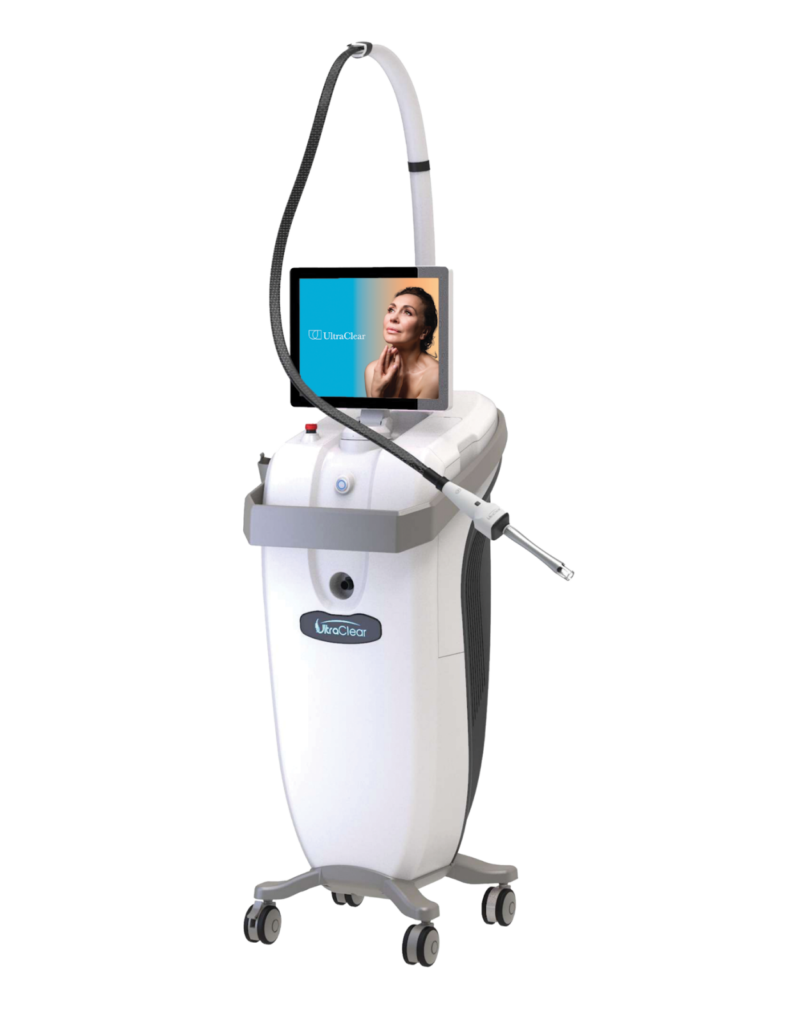
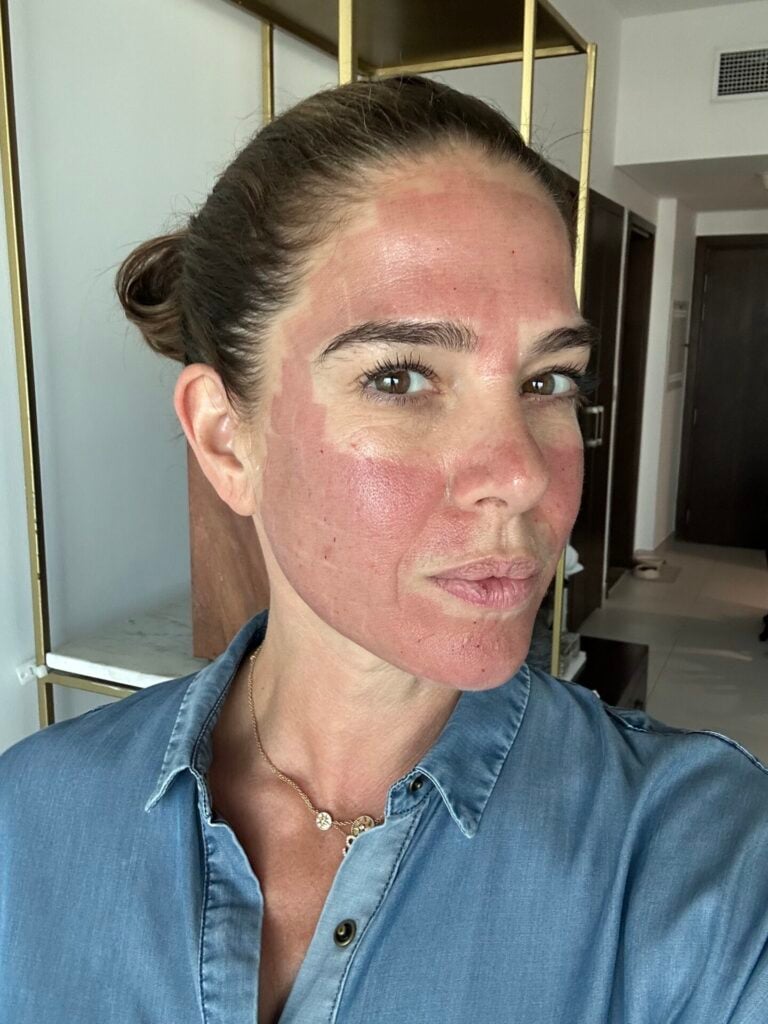
The real drama began afterwards. Tallulah had warned me that once the laser stopped, my skin would feel ‘hot and stingy’ for around 45 minutes to an hour and that I would have ’45 minutes of feeling spice’. At the time, I thought it was a funny description, but once I saw my face, bright red everywhere except around my eyes and across the bridge of my nose, I thought ‘spice’ was an understatement.
Every time I moved the nozzle away, it felt as though somebody had injected my face with chillies, so I stayed exactly where I was, wondering if it would be impolite to stay there all day
Thankfully, Tallulah handed me a refreshingly cool mask and a machine that was best described as a handheld air conditioner, and I stayed for 15 to 20 minutes, pointing the cold air onto my poor, burning face. Every time I moved the nozzle away, it felt as though somebody had injected my face with chillies, so I stayed exactly where I was, wondering if it would be impolite to stay there all day.
Tallulah showed me the redness, explained that it was what she expected, and offered a peptide gel mask to take home if I wanted it later, though she said I had endured the worst part as we bid farewell. The good news is, the heat did settle, just as she said it would.
The peeling, the grid marks and the temptation to interfere
Before I left, Tallulah laid out a simple aftercare routine: a gentle cleanser, moisturiser, daily sun protection and a short course of Fusidin cream as instructed.
‘Whilst you’re going through your healing and downtime, avoid harsh actives and ingredients, so no vitamin C, no retinol,’ she explained. ‘It’s kind skincare that you need: hydrating, moisturising, protecting. The more milky or cream cleansers, the better.’
‘Ceramides also really help to protect and build your skin’s barrier and help it repair,’ she advised. ‘I call it boring skincare; all the products that don’t look glamorous on the shelf are probably some of the best.’
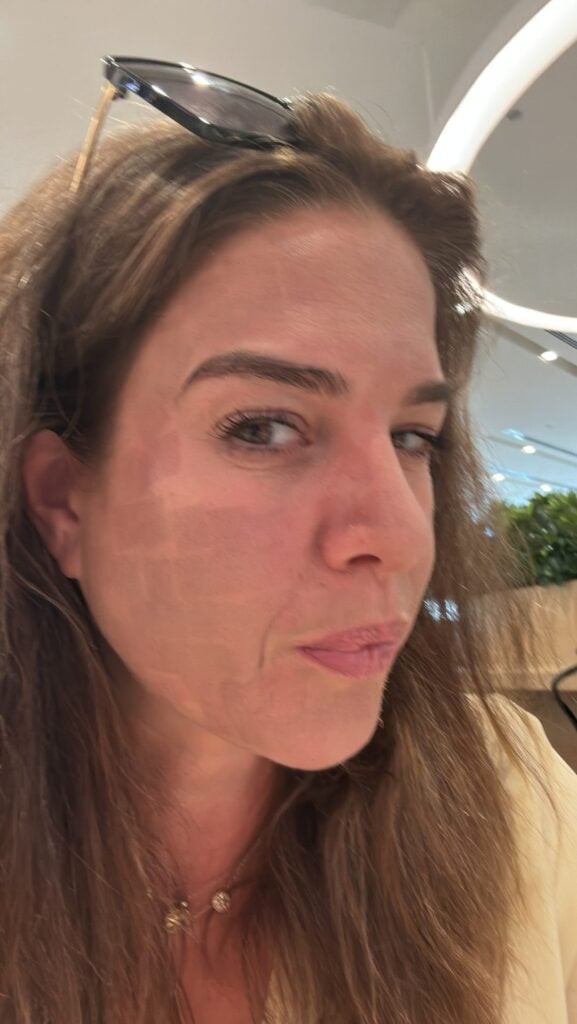
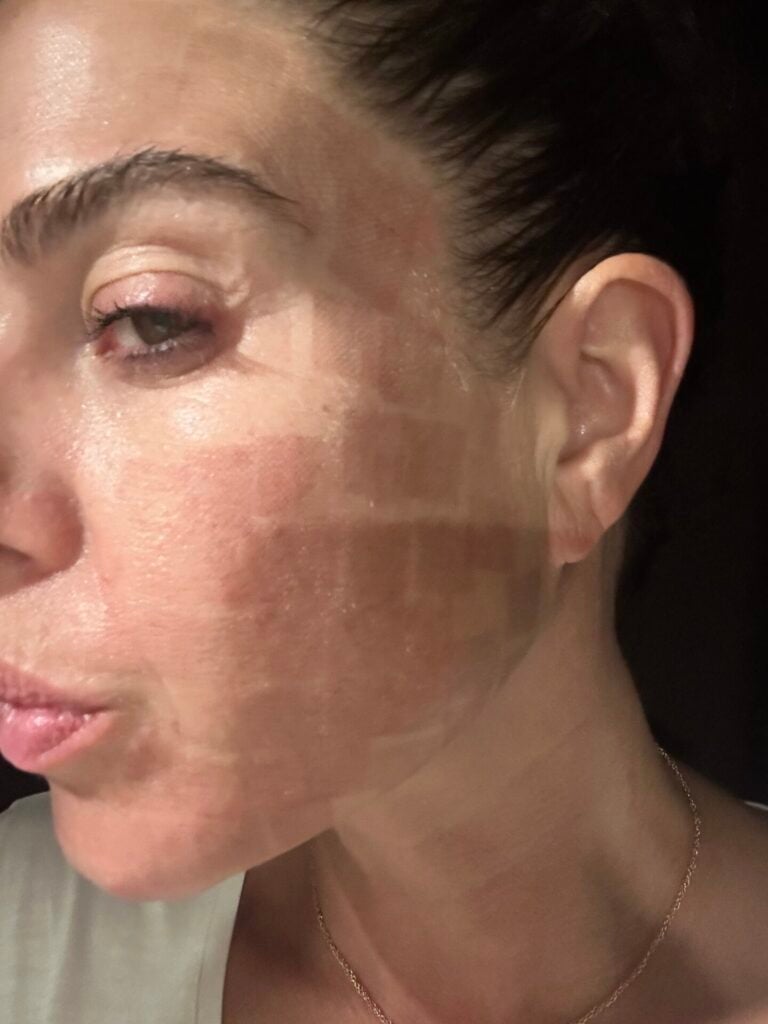
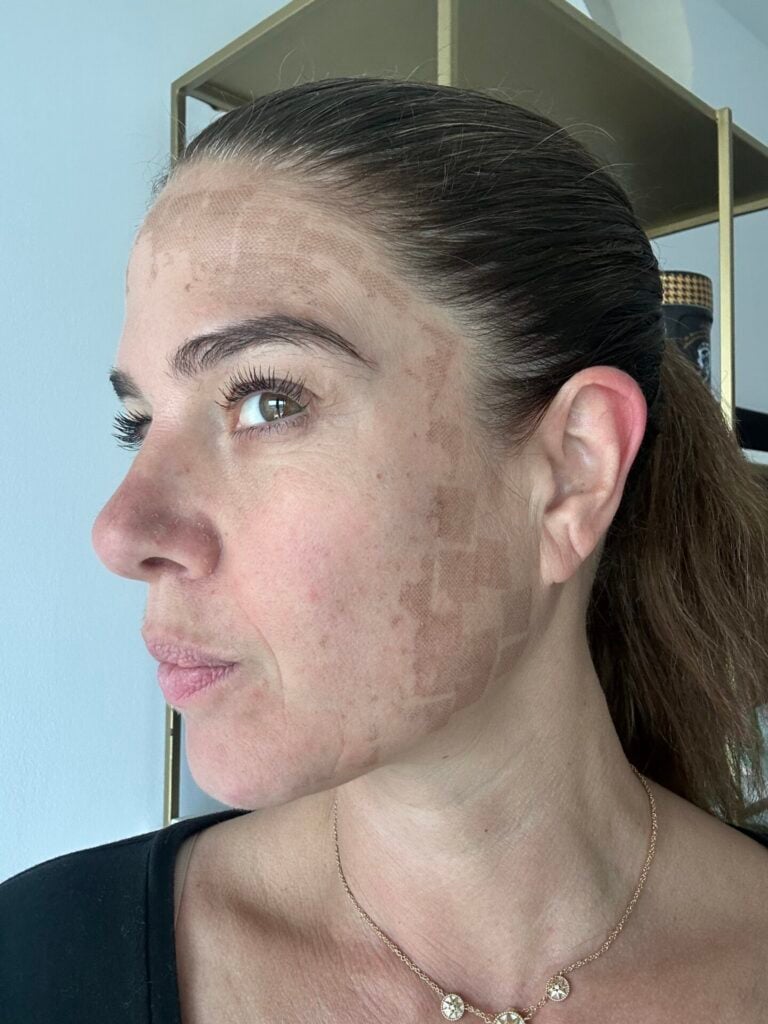
Tallulah also told me to give myself a week to ten days downtime. She warned me that I’d feel tight and dry, peel for a couple of days and then begin to see fresher skin. I left the clinic with skin looking like I’d sunbathed slathered in baby oil, but by the following day the fierce redness had eased; by the third I could still see the neat little squares left by the fractional treatment, and on day four much of the skin in the centre of my face came away while I was washing gently.
Tallulah had given me a far more appealing way to think about the unglamorous middle stage when my face would resemble a checkerboard. “Rather than seeing it as your skin peeling off, try to see it as your new skin pushing through,”
Naturally, I then became fixated on the stubborn grid marks around my forehead and jawline and wondered whether a tiny bit of exfoliation might hurry them along. It would not: gentle cleansing and moisturising can help loose skin shed, but picking, scrubbing or applying an exfoliating product to skin that is still healing is a very different proposition.
Tallulah had given me a far more appealing way to think about the unglamorous middle stage when my face would resemble a checkerboard. ‘Rather than seeing it as your skin peeling off, try to see it as your new skin pushing through,’ she said.
Would I do it again?
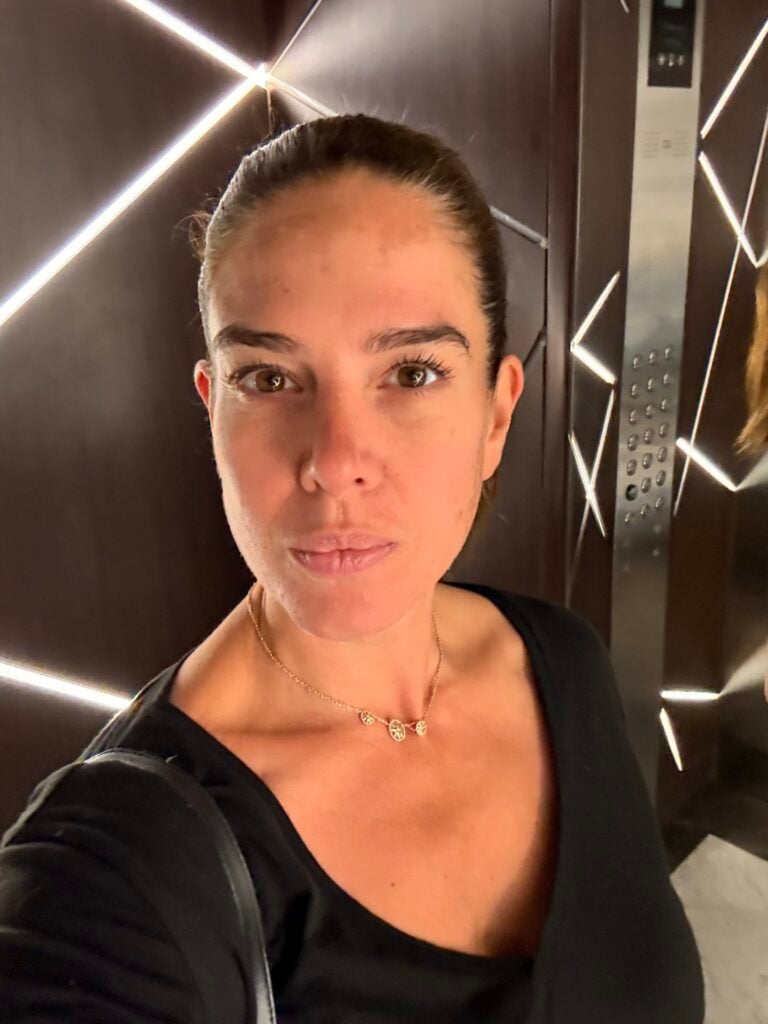
Once the peeling stopped, my skin definitely looked fresher, brighter, and a little younger, with enough unsolicited comments to reassure me. The improvement after one session was noticeable, not dramatic, which is to be expected when the recommended course is three treatments.

What I would take more seriously next time is the downtime, because when Tallulah suggested allowing a week, I privately thought she was being cautious and that I’d be presentable sooner. In reality, I would set aside five to seven days before anything particularly social.
For me, the appeal was the improvement in my skin’s overall look, rather than the more immediate change Botox offers, and I left encouraged by what one session achieved. There was some discomfort – no pain no gain as they say – and a decidedly unglamorous recovery, but there was also a fresher-looking face at the end of it, which was precisely what had brought me to their doors.
Tallulah, meanwhile, offered a useful reminder of what we were aiming for in the first place: ‘Ageing isn’t something we should be scared of. It’s more about combating tired, dull skin and keeping ourselves a little fresher, a little more radiant. It’s about supporting skin health and giving it a helping hand as it ages.’
Details
One session of UltraClear is priced at 5250 AED per session. For more information or to book an appointment, visit hortmanclinics.com
Treatment was provided for review. This account reflects my own experience; recovery and results vary according to treatment settings and skin type.