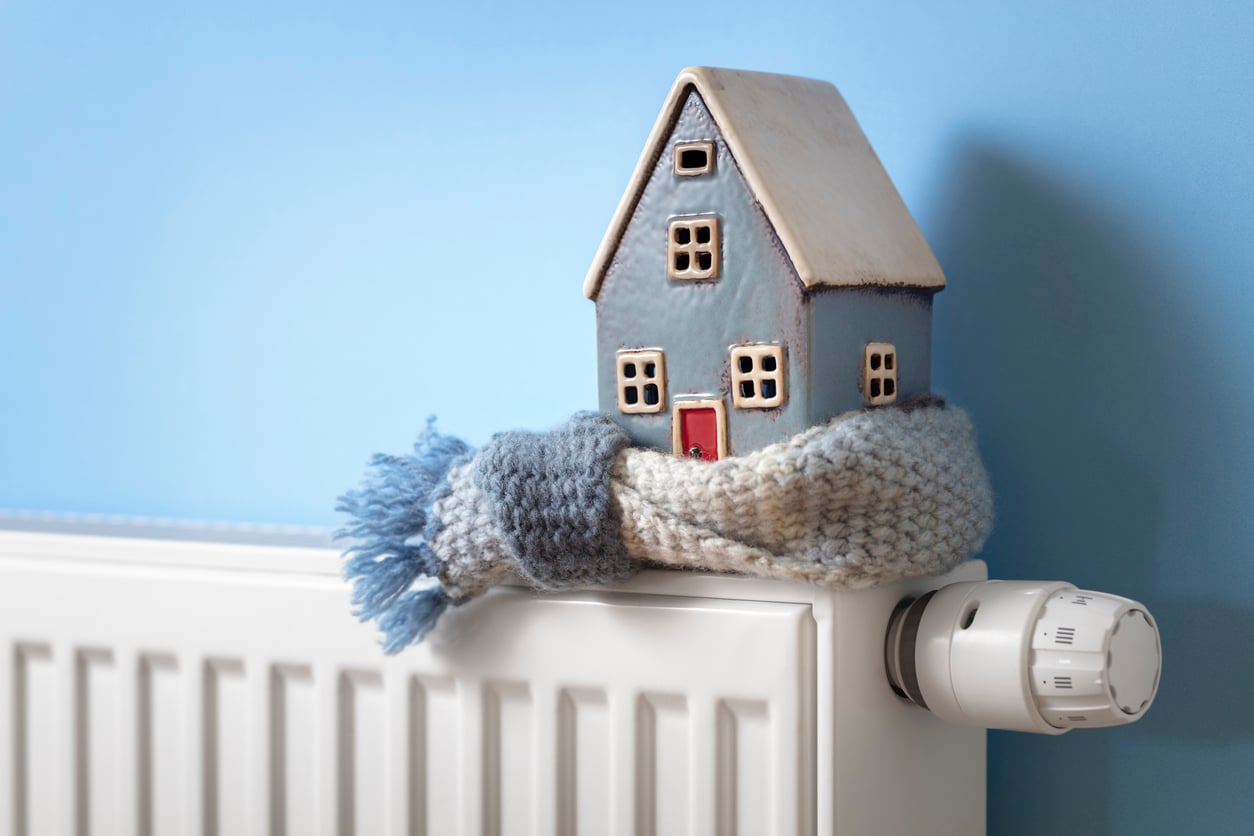
A $40 smart thermostat is the most oversold fix in home energy. I installed one in my first house, watched the savings graph for a month, and got maybe $9 back, because the real problem was a bedroom door that never closed and a vent buried under a sofa. Your thermostat can only manage what your house lets it manage.
So here is the promise: by the end of this piece you will know which rooms in your home are quietly burning money, how to test for that in one evening with no tools beyond your hand, and when a heating problem is worth calling someone about instead of guessing. You’ll also see why efficiency and comfort rarely conflict once the obvious leaks are gone.
Most of this costs nothing. That is the part nobody advertises. Efficiency advice gets sold as upgrades, and upgrades matter, but the free fixes come first, and if something mechanical does go wrong, a licensed professional for furnace repair Modesto will tell you the same thing: the cheap diagnostics happen before the expensive parts. Treat the list below in order and you’ll know within a week whether your system is inefficient or just badly used.
Where Does Your Home Actually Lose Heat?
Heat doesn’t disappear. It leaves through specific places, and you can go find them.
Walk your house on a cold evening and put the back of your hand near four spots: the gap under exterior doors, the rim of every window frame, the attic hatch, and any ceiling penetration for recessed lights. Air movement you can feel means money you can’t keep. The Department of Energy has long identified air sealing and insulation as among the most cost effective improvements a homeowner can make, which is a polite way of saying a $12 tube of weatherstripping beats a $6,000 system upgrade in a lot of houses.
I call this the Home Heat Leak Audit, and it takes about twenty minutes. You’re not measuring anything. You’re ranking rooms by draftiness so you know where the weekend work goes.
- Exterior doors and their thresholds, first, because they leak the most per dollar spent
- Windows on the prevailing wind side of the house
- Attic hatch and any unsealed openings into unconditioned space
- Basement rim joists, the forgotten band where the house meets the foundation
Two of those four usually solve most of the problem. In my experience, doors and the attic hatch cover it. Skip the caulk aisle until you’ve actually felt the drafts, though, because sealing a house tight without thinking about ventilation is its own mistake, and we’ll get to that.
Vents, Doors, and Other Things You’re Fighting Without Knowing It
Closed doors are the silent efficiency killer in most homes. If a bedroom door stays shut all day and a supply vent sits inside that room, you’ve capped the end of a duct run and pushed pressure back into the system. The furnace moves the same air either way, so the energy is spent and the heat lands nowhere useful.

Same story with furniture. A sofa pushed flush against a floor vent, a rug over a register, a curtain draped across a baseboard heater. Each one is a small tax you pay monthly. Fix those three habits and you’ll feel the difference in the rooms you actually sit in.
Comfort is a distribution problem before it’s a capacity problem. Most homes don’t need more heat. They need the heat they already paid for to reach the people in the room.
Ceiling fans deserve a mention too. Run them clockwise on low in winter and they push warm air off the ceiling back down where you live in it. It’s free, it’s reversible, and it’s the single easiest change on this list if you have ceiling fans already installed.
What Should Your Thermostat Setting Actually Be?
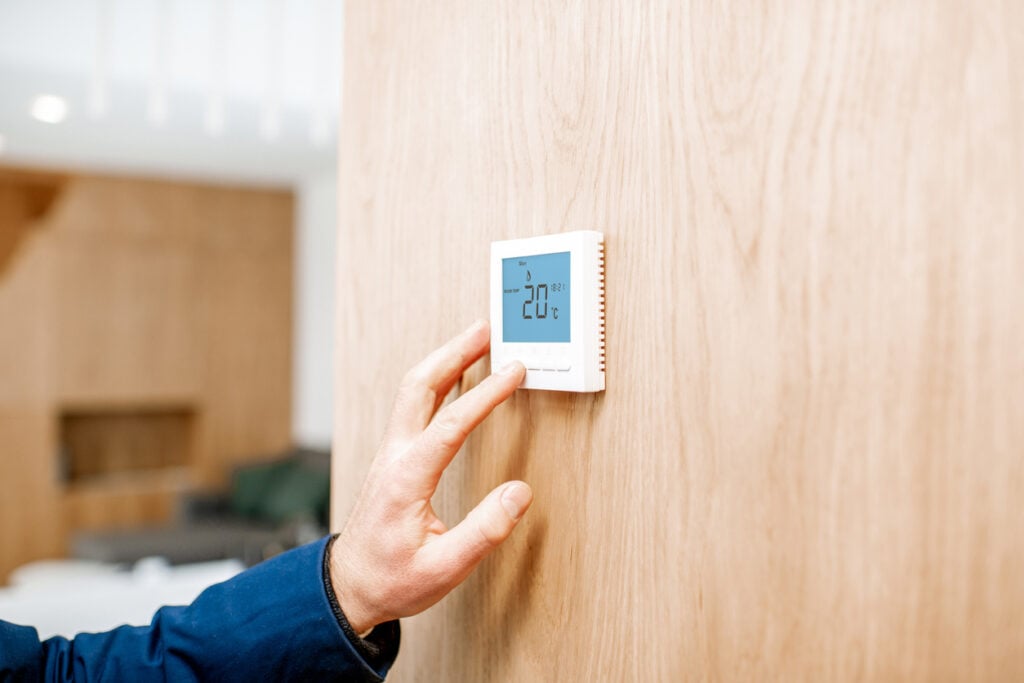
Pick a number, hold it, and stop negotiating with the dial. Wide setbacks sound clever, but a heat pump or a condensing furnace recovers slowly from a big drop, and it burns hard getting back. Setting the house to 68°F while you’re home and dropping it a few degrees overnight or during work hours is a reasonable default for most people.
The bigger win is scheduling instead of fiddling. According to ENERGY STAR, programmability and smart scheduling help homeowners cut heating and cooling waste without changing how comfortable the house feels, which matches what I’ve seen: people who set a schedule and leave it alone spend less than people who adjust all day. Two small additions do real work. A blanket on the couch beats a two degree bump, and a humidifier in winter makes 68°F feel warmer than dry air at 70°F ever will. Neither is glamorous. Both work.
The Monday Morning Furnace Test
Here’s the scenario I’d run in any home before spending a dollar on repairs. It’s Monday, the house is cold, and the furnace kicks on at 6 a.m. Answer these four questions honestly.
- Does warm air reach the far bedroom within about ten minutes, or does it arrive lukewarm and late?
- Is the sound steady, or does it cycle on and off in short bursts?
- Does the thermostat hit its target and hold it, or does it creep up and stall?
- Does any room stay cold no matter how long the system runs?

The pattern tells you the category of problem. Late, lukewarm air across the whole house points at the blower, filters, or ducting. Short cycling points at the system itself. One cold room in an otherwise warm house means distribution, not capacity.
So what do you do with that diagnosis? Change the filter first, always, and check the return vents aren’t blocked, because a choked filter mimics a failing blower convincingly. Seal the leaks you found in your audit. Fix the closed doors and the covered registers. If it’s still doing the short cycling thing after all that, stop poking at it.
Gas furnaces and their ignition, heat exchanger, and exhaust components are not DIY territory, and the Environmental Protection Agency has written at length about indoor air quality and combustion safety for good reason. Carbon monoxide is odorless and the failure modes are not forgiving. Get a technician for anything involving the burner assembly, gas lines, or exhaust venting, and get a carbon monoxide alarm regardless of what else you do.
Where Efficiency and Comfort Stop Competing
The interesting thing about all of this is how quickly the sustainability angle stops feeling like a sacrifice. You’re not choosing between a warm house and a low bill. You’re removing waste, and the warm house shows up as a side effect. Less leaked air means the furnace runs fewer cycles, which means less gas burned and fewer emissions for the same indoor temperature. That’s the trade, and it favors you both ways.
Run the audit this weekend. Fix the free stuff first. Change the filter on a schedule you’ll actually remember, first of the month works fine. Then watch one full billing cycle before you decide anything bigger is needed. What would you find if you walked your house tonight and felt every door frame with the back of your hand? My guess is you already know which room it is.