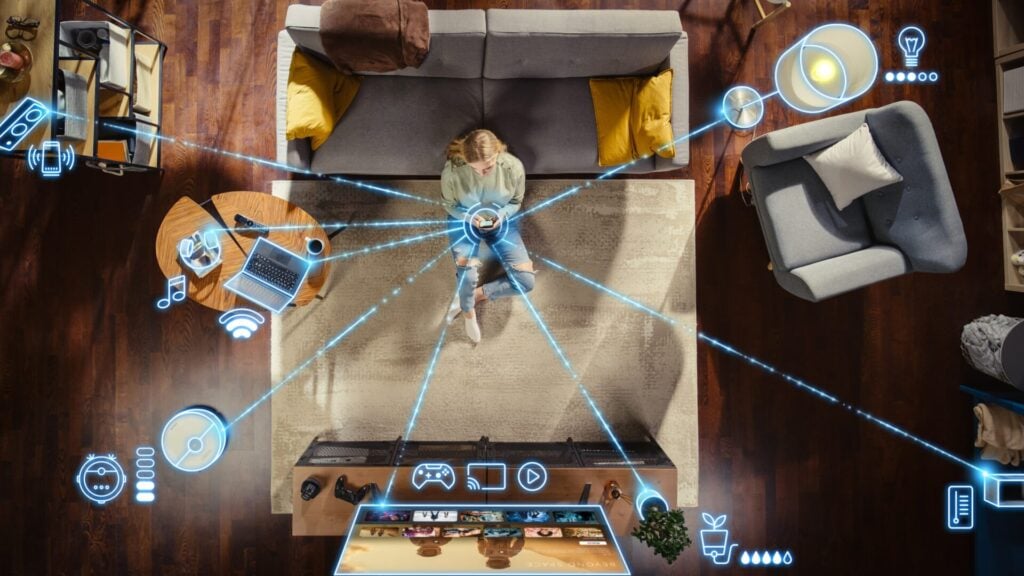
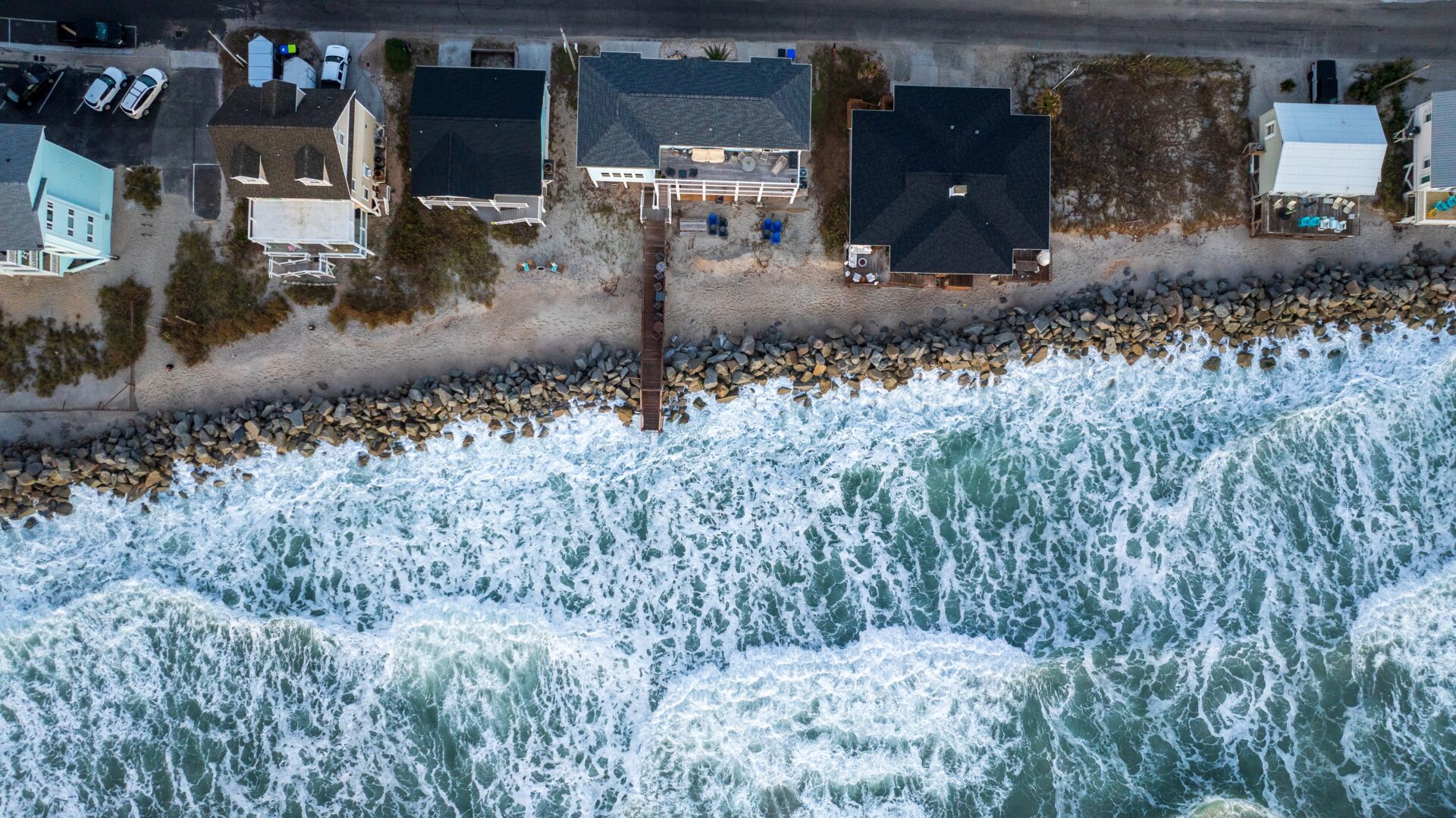
When was the last time you sat on your couch, glanced around your home, and genuinely felt safe? Not just safe from break-ins, but from the chaos of the world outside? In times when the news seems like a never-ending feed of stress, it’s no surprise that many families are rethinking what ‘home’ should mean. More than just a place to sleep or eat dinner, today’s resilient homes are becoming personal sanctuaries away from rising anxiety.
The Shift Toward Safe Havens
With growing concerns around everything from rising crime rates to extreme weather, people are redefining the purpose of their living spaces. No longer just about comfort, homes are being designed to function as shields. You see it in the growing interest in smart security systems, fireproof building materials, and even bullet-resistant windows in some urban areas. While those might sound extreme to some, it’s all part of a broader trend: families want to feel in control of their environment.
You see it in the growing interest in smart security systems, fireproof building materials, and even bullet-resistant windows in some urban areas
The pandemic only amplified this desire. Once forced to stay inside, families started looking more closely at how their homes could be improved for working and learning, but also for protection and peace of mind.
Structuring Security from the Top Down
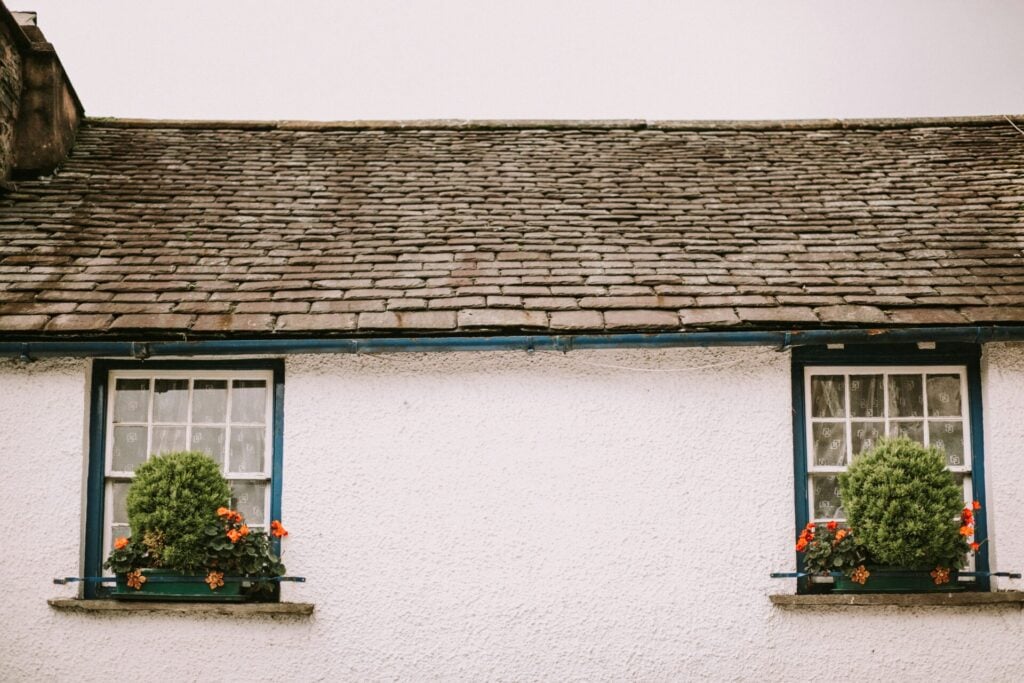
Protection often starts with the things you don’t usually notice until they go wrong. Think of your roof. If it leaks or is damaged, the whole house becomes vulnerable. Yet roof maintenance is often pushed to the bottom of the to-do list, somewhere between cleaning the gutters and learning how to reset the Wi-Fi router.
More families are starting to schedule regular inspections or budget for major upgrades. Some are even investing in impact-resistant shingles to deal with unpredictable weather. When damage goes beyond repair, homeowners increasingly prioritize roof replacement not just for aesthetics, but for genuine safety and long-term cost savings. As hurricanes, hailstorms, and wildfires become more frequent, protecting the literal top layer of your home isn’t just smart—it’s essential.
Beyond Locks and Alarms
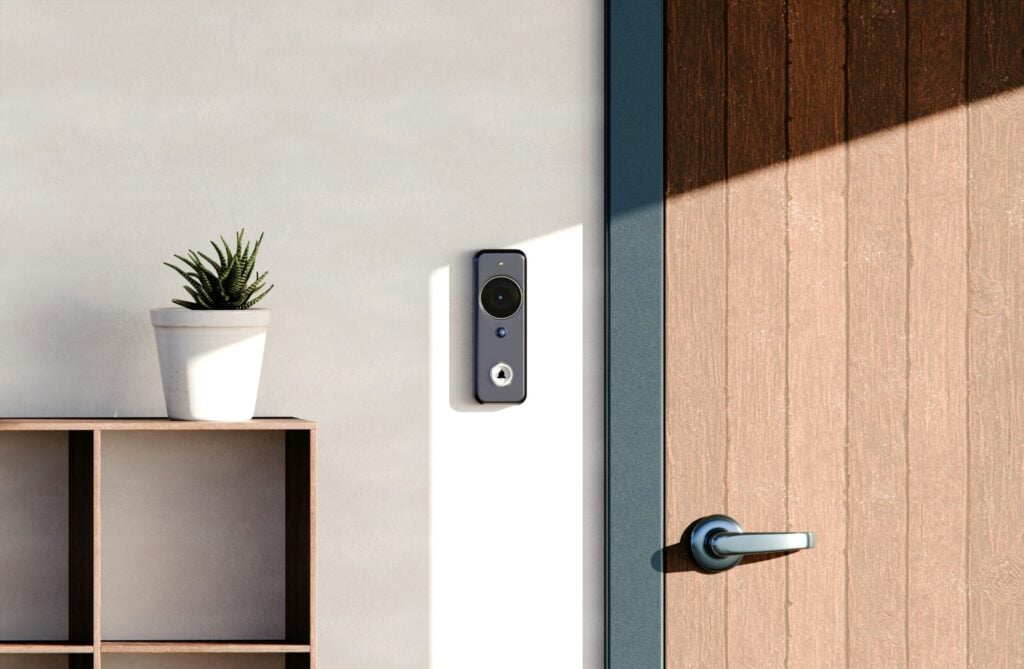
Of course, a home’s sense of safety isn’t built on roof shingles alone. Many families are looking to tech for backup. Smart doorbells, motion detectors, and automated lighting are becoming standard. But ironically, the more you automate, the more you have to worry about hackers. Digital protection has now become a layer of physical security, which feels like something out of a sci-fi movie but is very much real life. The key isn’t just installing devices—it’s understanding them. A camera you don’t know how to use won’t help in a crisis. So, before spending thousands on a sleek new system, it might be wise to spend a Saturday reading the manual.
Design That Defends and Comforts
Interior design has quietly joined the safety conversation. Open-concept layouts are being reconsidered because, while beautiful, they offer less privacy and fewer escape options during emergencies. More homeowners are choosing to add doors back in or create ‘quiet zones’ that can double as safe rooms. Even furniture choices are shifting. Rounded corners, softer materials, and non-toxic finishes are replacing harsh edges and synthetic fabrics. These choices might seem subtle, but they add up, creating a home that feels gentle and inviting. And in a world that can often feel anything but, that matters.
Emergency Planning for the Everyday Family
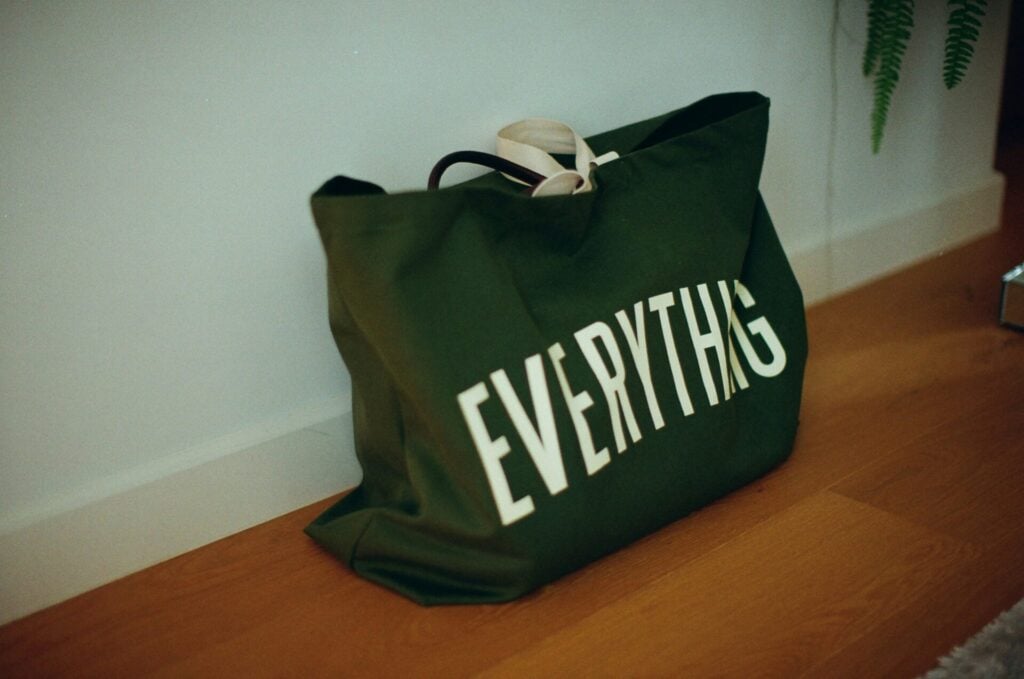
It’s easy to put off creating a family emergency plan, especially if you’ve never needed one. But current trends suggest that families who prepare—even just a little—feel far more secure. Keeping go-bags near the front door, knowing where the gas shut-off valve is, or having an actual meeting point outside the house aren’t just prepper fantasies anymore. These are the things that can offer peace of mind in very real situations. Parents are also teaching their kids age-appropriate safety protocols. Involving children in planning can reduce fear and increase confidence, giving them a sense of agency in a world that often feels out of their control.
Community Still Matters
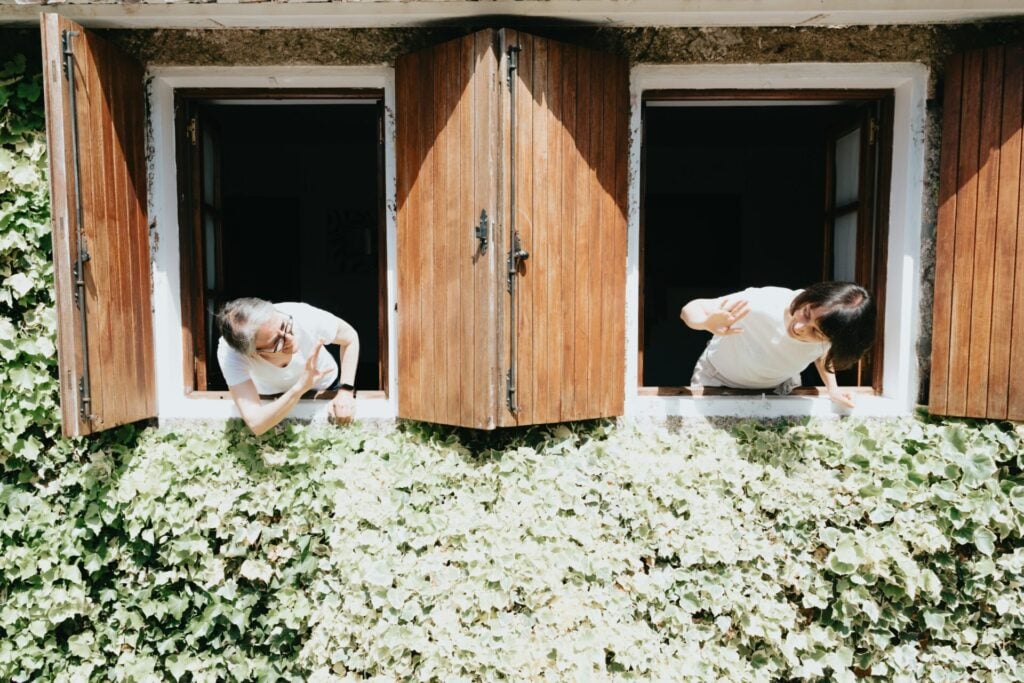
Ironically, one of the most effective ways to create a protected home has little to do with the house itself. It’s about knowing your neighbors. In neighborhoods where people say hello, lend sugar, or watch out for each other’s deliveries, there’s a measurable drop in crime and stress. During recent blackouts, snowstorms, or even civil unrest, neighbours were often the first line of support. Building those connections might take effort (and perhaps tolerating some awkward block parties), but the payoff is real.
Mental Safety Is Part of the Deal

Safety isn’t only physical. For many families, feeling protected means feeling emotionally secure. That means managing how much news comes into the home, creating screen-free zones, and making time to actually talk to each other—yes, even the grumpy teenager who insists on wearing noise-canceling headphones during dinner. The rise in anxiety, especially among kids and teens, shows that physical walls aren’t enough. Emotional support, predictability, and clear boundaries all contribute to a sense of protection. A well-designed room can be comforting, but the people in it—and how they interact—make the real difference.
Balancing Comfort and Preparedness
Creating a safe home doesn’t mean living in fear. You don’t need to turn your house into a bunker or cover every window with steel. It’s about finding a balance: adding layers of safety while still enjoying your space. Having a water filter doesn’t mean you expect the apocalypse. It means you’re paying attention. Knowing you have supplies, systems, and plans in place won’t just help in a crisis—it helps every day.
In the end, creating a home that helps your family feel protected isn’t about one big project. It’s dozens of little decisions—some practical, some emotional, and some that just make sense in a changing world. And while no home can shield you from everything, it can be the place where you feel most ready to face whatever comes next.