

You don’t realise how much stuff you have until it’s stacked in boxes around you, tape hanging off the edges. There’s always that pause, and the realisation that this will cost more than expected. Pack, load, drive, unload. It doesn’t seem like anything dramatic, but it all slowly adds up.
In St. Charles, where older homes sit beside newer builds and short local trips quickly turn into highway drives, relocation often means tight timelines and repeat trips across town. People are juggling work, school schedules, and lease dates. When that pressure builds, sustainability becomes an afterthought. Extra fuel gets burned. Usable furniture is left at the curb. Packing materials are bought in bulk and thrown out days later. The environmental cost doesn’t look urgent in the moment, but it adds up quietly.

Start Before the First Box Is Taped
The real footprint of a move begins long before moving day. It starts the moment you decide to box up everything without stopping to question it. Closets get swept into garbage bags. Kitchen drawers are tipped straight into cartons. Things you haven’t touched in years get wrapped carefully and marked ‘misc’ like that solves it. It feels efficient in the moment. It usually isn’t.
When that pressure builds, sustainability becomes an afterthought. Extra fuel gets burned. Usable furniture is left at the curb. Packing materials are bought in bulk and thrown out days later.
Every extra item adds weight. Every extra box takes space in the truck. More space and weight often mean more fuel. Taking the time to sort—keep, donate, recycle, toss—cuts that down. It also forces a hard look at what you’ve been holding onto, sometimes longer than you should have.
Working with Professional Movers

Before anything is carried outside, it helps to understand how the move itself will be handled. When shortlisting St. Charles movers, keep in mind that not all moving services operate the same way, even if the surface process looks identical. Some companies plan routes to reduce idle time. Some maintain newer, more fuel-efficient trucks. Others offer reusable crates instead of single-use cardboard. These details are rarely highlighted in bold letters, but they exist.
When comparing providers, it’s worth looking beyond cost and availability. Questions about packing materials, truck size, route planning, and donation coordination are reasonable. The goal isn’t to find perfection. It’s to understand how the work is done and what impact it carries.
Even small operational differences matter. A well-balanced load reduces strain on the vehicle. Clear scheduling reduces unnecessary waiting with engines running. These are technical points, but they translate directly into fuel use and emissions.
Rethinking Packing Materials

Waste becomes visible during packing. Plastic wrap, bubble cushion, foam edges, strips of tape layered again and again. It adds up fast. Protection matters, of course. No one wants chipped plates or gouged tables. Still, most of what’s used is designed for one trip, then the trash.
There are better options. Reusable bins can be rented, stacked, and sent back. It takes planning. Towels and blankets work well for fragile items, even if it looks less tidy. Cardboard isn’t the problem by itself; overuse is. Finding secondhand boxes keeps new ones from being produced. Even tape choice matters—paper tape can be recycled with boxes. Small adjustments, less landfill afterward.
Loading and Driving with Intention
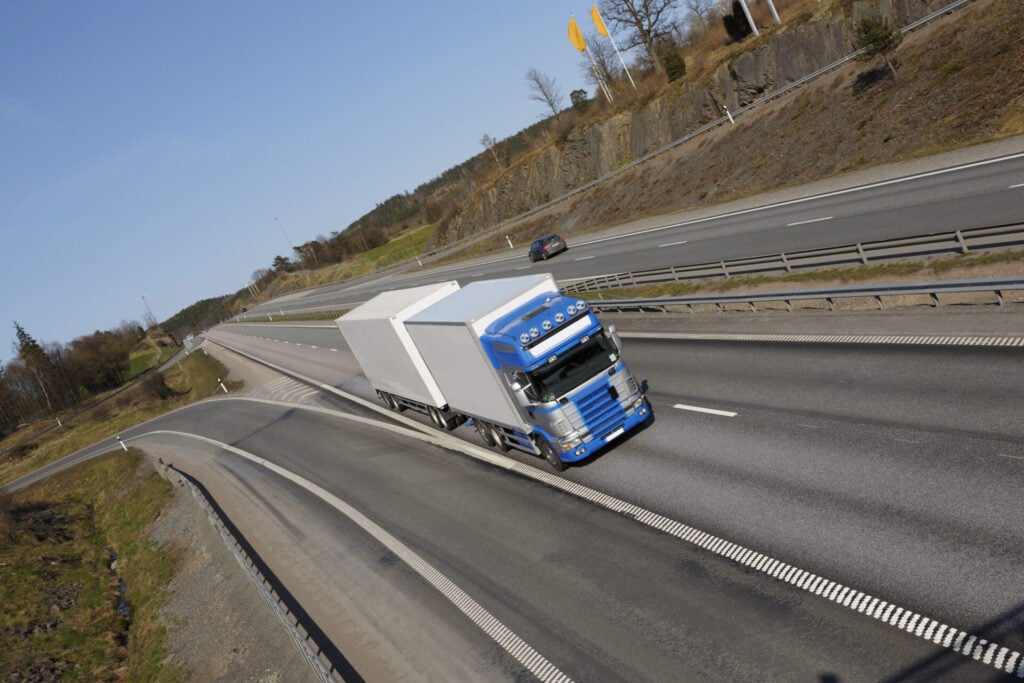
By the time the truck doors roll down, most of the environmental cost has already been decided. Too many boxes mean more weight. More weight means more fuel. If the load isn’t planned well, a second trip may be needed, and that’s where things really start to add up.
Loading isn’t just about fitting everything in. It’s about how it’s placed. Heavy items should anchor the base. Gaps should be minimised. When things shift in transit, space is wasted, and damage happens, which sometimes leads to replacement purchases later. Even on a DIY move, slowing down for twenty extra minutes to stack properly can prevent another drive across town.
Route planning also matters. Stop-and-go traffic burns more fuel than steady movement, though people often stick to familiar roads out of habit. Letting a navigation app suggest a smoother route can make a difference. Long idling during loading, paperwork, or breaks quietly drains fuel. It doesn’t feel dramatic, but it counts.
What Happens After the Truck Leaves
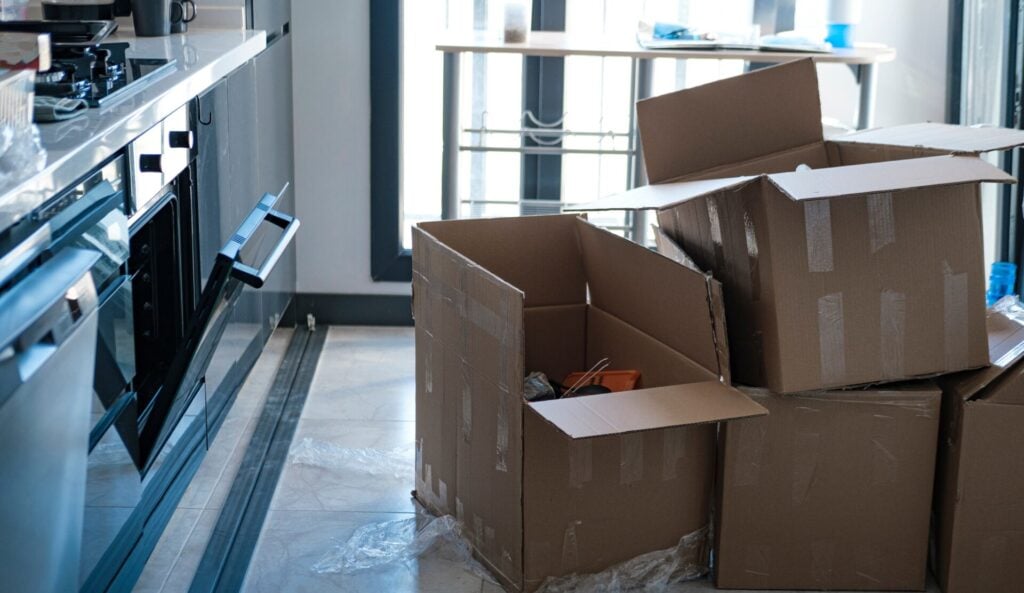
When the last box is carried in and the truck pulls away, most people feel done. That’s usually when the mess actually starts to show. Cardboard everywhere. Plastic wrap stuck to table legs. Tape wadded into tight balls on the floor. You’re tired, maybe hungry, and the easiest move is to shove it all into a few trash bags and deal with it later.
But later often means landfill. Clean, dry cardboard can be recycled without much trouble. Plastic film usually can’t go in curbside bins; it needs a separate drop-off spot, which many people don’t realize. Local rules change, too. A quick check online can prevent a pile of usable material from being buried.
Large items left behind deserve the same pause. Donation pickups, resale listings, even municipal bulk recycling programs exist for a reason. Not everything will be accepted, but some of it will.
Then there’s cleaning. Heavy chemical sprays get used fast during move-outs. Often, simple mixes, like vinegar, baking soda, mild soap, handle most surfaces well enough without lingering fumes.
The Larger Pattern
Relocation highlights existing habits. If convenience is usually chosen over planning, waste increases during a move. If excess buying is common, it becomes visible when packing. The move itself doesn’t create these patterns. It reveals them.
Remote work and shifting job markets have made moving more frequent. That mobility has benefits, but it also means more trucks on the road and more packing materials in circulation. As relocation becomes common, efficiency becomes more important.
There’s no way to move without impact. Fuel will be burned. Materials will be used. The aim is not to eliminate that impact but to reduce it in practical ways. Sorting before packing reduces volume. Choosing thoughtful service providers influences industry standards. Planning routes lowers fuel use. Recycling after unpacking keeps materials in circulation.
None of this feels impressive. Most of it feels mildly inconvenient. Yet these steady decisions, repeated across neighborhoods and cities, shape demand and behavior. Moving will always disrupt daily life. It doesn’t have to leave behind more waste than necessary.