If you’re anything like me, you’ve spent years drifting through the supermarket, dropping glossy apples, plastic-wrapped lettuce and January strawberries that taste of nothing, into the trolley without ever stopping to wonder how they got there.
Dig beneath the surface, however, and reality is a lot less charming. Our aisles are filled with ‘perfect’ foods because modern farming has become dependent on chemical inputs. We spray crops with chemicals to kill insects, weeds and fungi, administer antibiotics to millions of farm animals and manufacture increasingly elaborate food products designed to be cheap, convenient and irresistible. Then we wonder why our soils are deteriorating, biodiversity is disappearing and our food system is contributing so heavily to environmental destruction.
We now use close to four million tonnes of pesticides a year, and as pests develop resistance, growers reach for stronger or more frequent applications, which is like fighting a damp patch by painting over it again and again, when what’s really needed is someone to look at the roof
We now use close to four million tonnes of pesticides a year, and as pests develop resistance, growers reach for stronger or more frequent applications, which is like fighting a damp patch by painting over it again and again, when what’s really needed is someone to look at the roof.
Of course, modern agriculture has helped feed a growing global population. Pesticides protect harvests, antibiotics treat sick animals and food processing has made meals more accessible and affordable. But somewhere along the way, our reliance on these interventions has become difficult to ignore.
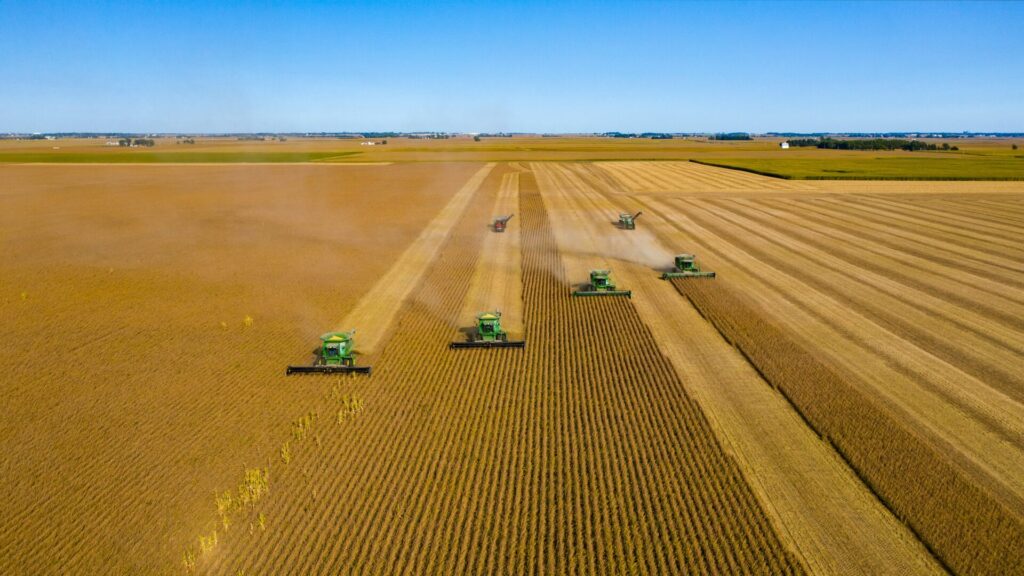
According to the United Nations Food and Agriculture Organisation (FAO), global agricultural pesticide use reached 3.92 million tonnes in 2024, more than double the amount used in 1990.
That’s almost four million tonnes of active chemical ingredients applied to agricultural land in a single year. And while pesticides vary considerably in their toxicity, the environmental consequences of excessive or poorly managed use can be devastating.
Why is soil health important
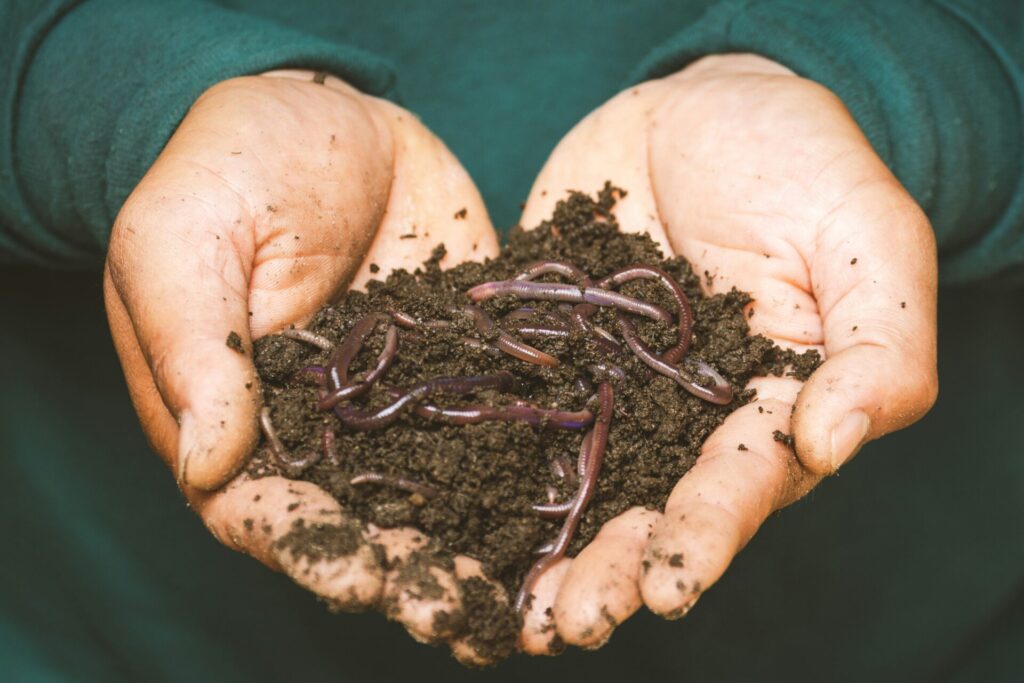
We tend to think of soil as little more than dirt. In reality, a single teaspoon of healthy soil can contain billions of microorganisms, alongside an extraordinary community of fungi, bacteria and other organisms that help plants grow, recycle nutrients and store carbon.
Pesticides can disrupt these delicate ecosystems, particularly when certain chemicals are repeatedly applied. Combined with intensive ploughing, monoculture farming and excessive fertiliser use, they can contribute to a wider pattern of soil degradation.
What nobody disputes is the arithmetic: producing just two to three centimetres of new soil can take up to 1,000 years and can be lost in a few seasons of careless farming
The FAO has estimated that approximately one-third of the world’s soils are already degraded, with erosion, pollution, nutrient depletion and declining organic matter among the contributing factors.
You may have heard the alarming claim that the world has only 60 harvests left, but thankfully, that isn’t scientifically established because soil degradation varies enormously between regions. What nobody disputes is the arithmetic: producing just two to three centimetres of new soil can take up to 1,000 years and can be lost in a few seasons of careless farming, so even the optimistic reading of the data isn’t comfortable.
The danger isn’t that every field will suddenly stop producing food. It’s that we are gradually undermining the natural systems upon which agriculture depends.
The Antibiotic Problem
The chemicals used on crops are only part of the story. The conversation gets even more uncomfortable when we move from the field to the farmyard, where antibiotics have become a routine insurance policy for animals raised in crowded conditions.
By some estimates, a majority of the antibiotics produced worldwide are used in livestock, often to prevent illness in healthy animals rather than treat sick ones, and the consequence is a steady breeding ground for resistant bacteria that can travel from farms into water, soil and eventually us.
Drug-resistant infections are already linked to more than a million deaths a year, and the medical community has been warning for years that we are edging toward a world in which common infections become dangerous again, which is a high price to pay for a cheaper chicken breast
The World Health Organisation identifies antimicrobial resistance as one of the world’s major public health threats. This doesn’t mean eating meat automatically exposes someone to dangerous antibiotic residues. It means that how animals are raised and how responsibly medicines are administered have consequences far beyond the farm.
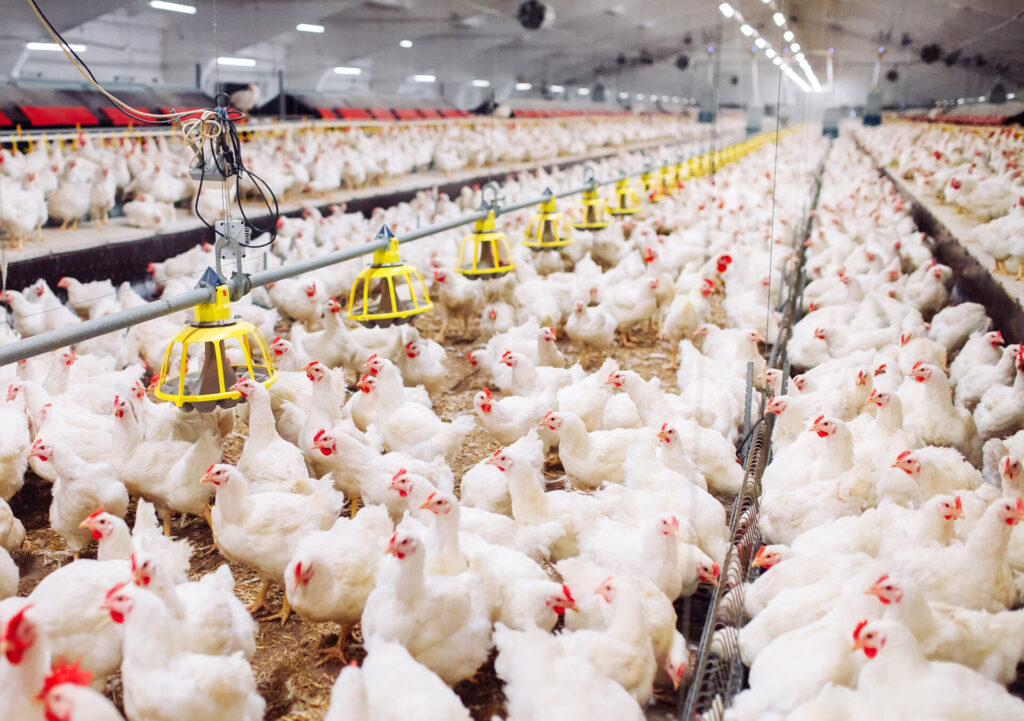
Drug-resistant infections are already linked to more than a million deaths a year globally, and the medical community has been warning for years that we are edging toward a world in which routine operations and common infections become dangerous again, which is a high price to pay for a cheaper chicken breast.
How to eat less pesticides
Then there is the manufactured end of the food chain: the ultra-processed products that line so many supermarket aisles and are built from cheap, heavily sprayed commodity crops such as wheat, corn and soy, blended with emulsifiers, flavourings and sweeteners until they resemble food.
Eating a little less meat, and buying better meat when you do, takes pressure off the intensive systems that depend on routine antibiotics, so that a Sunday roast from a pasture-raised farm becomes a treat rather than a Tuesday default
A growing body of research links diets high in ultra-processed foods with obesity, heart disease and type 2 diabetes, and while no single ingredient is the villain, the overall pattern is a diet that is engineered to be easy to overeat and very hard to feel properly nourished by, which explains why you can finish a grab bag of crisps and still be rummaging in the cupboard twenty minutes later.
None of this calls for panic or for a dramatic overnight conversion to living in a yurt, and the good news is that the alternatives are both more appealing and more achievable than the headlines suggest.
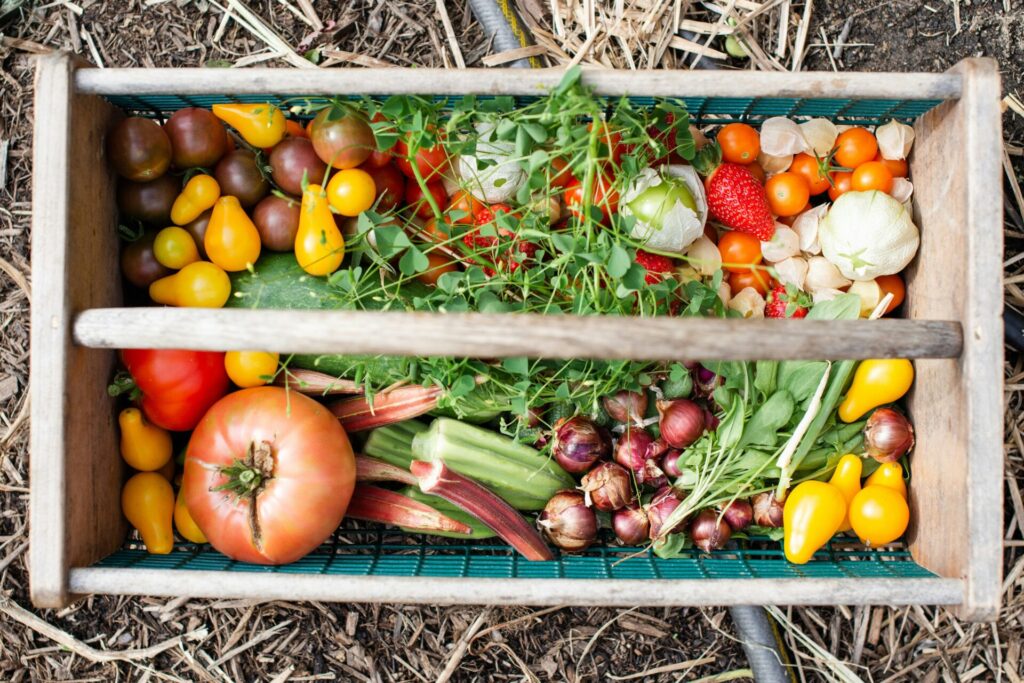
Choosing organic where you can, particularly for the produce that tends to carry the heaviest residues, such as berries, leafy greens and stone fruit, supports farming methods that rely on crop rotation and compost rather than synthetic chemicals, and it tends to leave the soil in better shape for the next generation of growers.
Eating a little less meat, and buying better meat when you do, takes pressure off the intensive systems that depend on routine antibiotics, so that a Sunday roast from a pasture-raised farm becomes a treat rather than a Tuesday default. Livestock production requires substantial areas of land for grazing – in fact, one-quarter of the land’s surface is taken up by cattle grazing alone – and for growing animal feed, while cattle and sheep produce methane, a powerful greenhouse gas. Shifting towards more plant-based diets can reduce agricultural land demand and food-related emissions, particularly when beef and lamb are replaced with beans, lentils, vegetables and grains.
Choosing organic for produce that carry the heaviest residues, such as berries and leafy greens, supports farming methods that rely on crop rotation and compost rather than synthetic chemicals
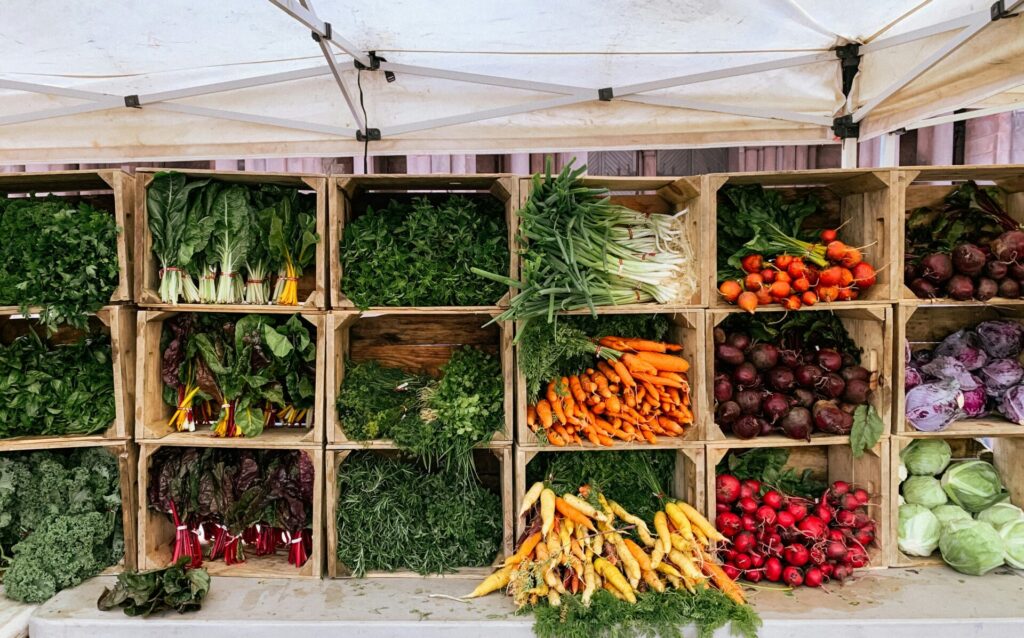
Shopping locally and seasonally shortens the distance between the farmer and your fork, which means fresher food, fewer preservatives and a better chance of knowing who grew your tomatoes and how. It encourages transparency and reduces some transport and storage demands, although locally produced food isn’t automatically lower-carbon.
Leaning toward a more plant-based way of eating, whether that means going fully vegan or simply letting lentils, beans, grains and vegetables take centre stage a few evenings a week, is perhaps the most powerful change of all, because it eases the demand on land, water and antibiotics in one sweep.
It’s also easier than ever, with cookbooks, restaurants, and even supermarket own brands now making plant-based food that is genuinely exciting rather than a sad bowl of steamed broccoli. The real shift is about direction, and every swap toward food that is grown with care, eaten closer to home and cooked from scratch is a small vote for the soil, for the animals and for your own long-term health.