
As burnout, digital fatigue, and anxiety continue to rise globally, the question shaping 2026 wellness is no longer how to optimise ourselves even further, but how to feel genuinely well, physically, mentally, and emotionally.
Few hospitality brands have had a longer relationship with this question than Six Senses. Long before wellness became an industry buzzword, the brand was building spaces and experiences around restoration, ritual, and reconnection.
‘The future of hospitality is holistic,’ says Wellness Pioneer Anna Bjurstam ‘Gone is the quick fix mindset, and in its place, we’re seeing well-being become an intentional strategy of our guests’ everyday lives.’
This shift is already visible. Millennials and Gen Z are spending disproportionately on wellness, while 84 per cent of the US population and 94 per cent of people in China say wellness is a ‘top’ or ‘important’ priority. In the UK, this is true of 79 per cent , with 76 per cent joining the gym to improve their mental health
‘This demonstrates that people are looking for a wellness ecosystem both when at home and as they travel – somewhere their well-being is considered throughout their entire experience. It’s moved from doing wellness, to being well.’
As trusted global wellness pioneers, Six Senses shares the 2026 wellness shifts they believe will define the year ahead.
Prioritising Wellness at Work
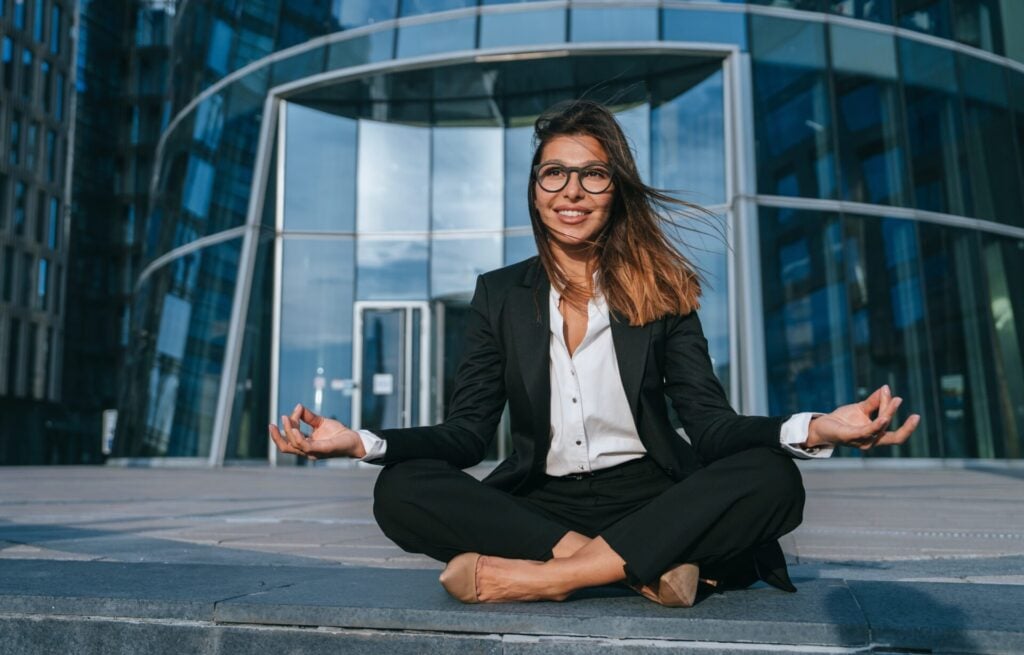
One of the most significant 2026 wellness changes Six Senses identifies is the rise of workplace wellness as a leadership imperative. Mark Sands, Vice President of Wellness, notes that CEOs and founders are beginning to acknowledge the unsustainable cost of high-performance cultures that sacrifice health for success.
‘Workplace well-being is coming to the fore of corporate conversations as more people are recognising the impacts of today’s working world on well-being,’ Mark explains. ‘They are no longer sacrificing health in pursuit of success. Instead they are increasingly investing in self-care as a necessity for effective leadership.’
Research increasingly shows that leaders who prioritise sleep, mindfulness, and movement demonstrate sharper judgment, greater emotional intelligence, and stronger long-term decision-making. For many, wellness has become the foundation of professional longevity rather than a reward at the end of it.
AI Meets Ancient Wisdom

Technology is reshaping how wellness is understood, but not in the way many expected. Rather than replacing human connection, Six Senses sees technology as powerful when paired with empathy, ritual, and ancient practices that have endured for centuries. Wearables, diagnostics, and biometric screening help illuminate stress, sleep, and energy patterns, but it is human-led care, touch, and awareness that will turn data into meaningful change as a trend for 2026 wellness.
‘AI is reshaping how we approach wellness,’ says Mark. ‘Increasingly, intuition is merging with intelligence, as technology is now viewed not as a replacement, but as a valuable tool to track behaviour and highlight where we need support.’
By bridging the two, Mark believes, ‘we are now able to unlock a far more personal and effective path to well-being.’
Contrast Therapy

Once a fringe pursuit, biohacking will be a 2026 wellness trend entering the mainstream. Thermal therapies, including hot, cold, and contrast bathing, are increasingly becoming everyday rituals rather than elite experiments. As people integrate saunas, cold plunges, and contrast therapy into their homes, wellness becomes less about novelty and more about practices that support long-term health.
‘The conversation has moved on from biohacking as a trend to biohacking as a lifestyle,’ Mark notes. ‘As an example, the home sauna market was valued at $1.2 billion in 202 and is now projected to reach $3.5 billion by 2033.’
The Power of Breath

Perhaps the most democratic 2026 wellness tool of all is now having its moment. Comparable in growth to yoga in the 1990s, breathwork reflects a wider return to practices that require no equipment, no technology, and no status, only presence. For many, it has become a daily anchor in an increasingly overstimulated world.
‘Breathwork is moving into the mainstream,’ Mark explains. ‘The simplest wellness tool we possess is also the most powerful. Breathwork teaches us how to regulate our nervous system with nothing more than the inhale and exhale.
‘It can shape your physical and emotional state, bringing about a sensation like a high-intensity workout: you feel simultaneously relaxed, focused, and euphoric,’ he adds. ‘It’s none of the exertion, all the feels.’
The Return of Analog

As digital fatigue deepens, Six Senses has identified a growing appetite for analog living as resistance. People are going further than the digital detox as a means of not just disconnecting from the virtual world; but intentionally reconnecting with the real world. From communal tables and journaling to craft and moments of awe, 2026 wellness travel will continue to be a rare opportunity to slow down and feel present again.
‘In 2026, analog living is poised to become the antidote to hyperconnectivity,’ Mark says. ‘What we’re able to do at Six Senses is allow our guests to log off completely through things that feel tactile, slow, and real, whether that’s in our Earth Labs, at the Alchemy Bar or through a range of crafted experiences’.
Finding ‘Soul’

The latest research confirms what ancient traditions have always known: people with strong spiritual practices and sense of purpose live not just longer, but better, with studies showing up to 33 per cent more longevity in those with regular spiritual engagement. For all the advances in longevity science, Six Senses believes one essential element has been overlooked.
‘We’ve mastered the science of extending lifespan – from cellular regeneration to AI-powered diagnostics – yet we’re missing the most critical variable: the soul,’ Mark says. ‘True longevity isn’t just about adding years to life, but about adding life to those years through purpose, meaning, and spiritual connection.’
‘We’re seeing a fundamental shift where guests understand that optimising biomarkers without addressing the soul is like tuning an instrument but never playing the music,’ he adds.
In 2026 wellness, it seems, will no longer be about optimisation alone. It will be about meaning.