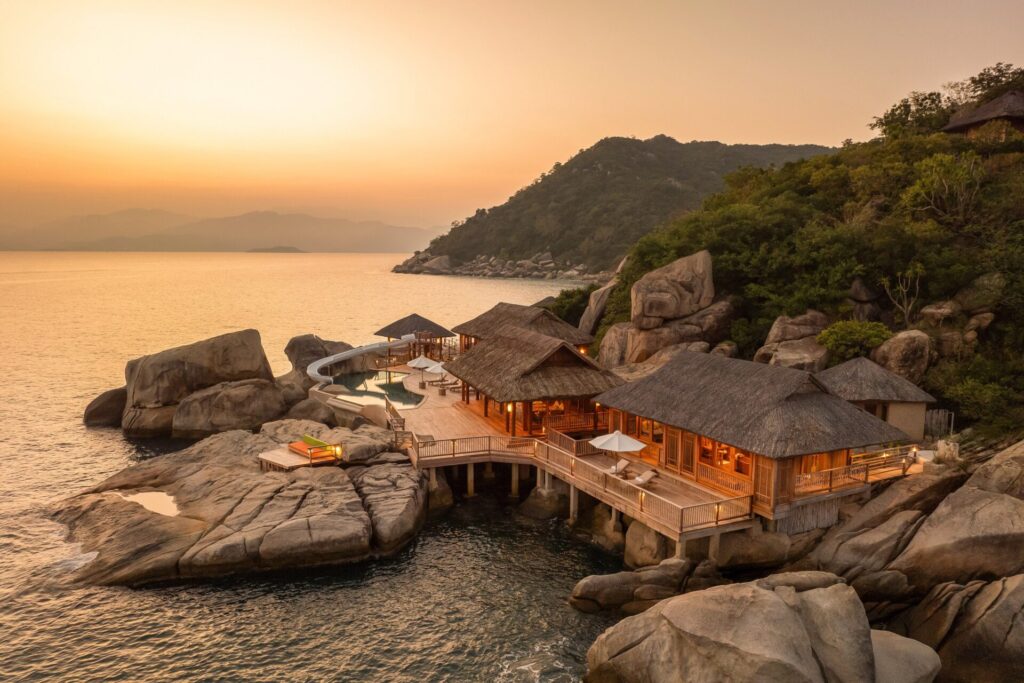

Soneva Jani has become the first resort in the Maldives to receive official recognition for the long-term conservation of its surrounding natural environment.
The Maldives’ Ministry of Climate Change, Environment and Energy has formally designated part of the resort as an Other Effective Area-Based Conservation Measure (OECM) – a recognition given to places outside traditional protected areas that are nevertheless managed in a way that delivers lasting benefits for biodiversity.
For Soneva Jani, the designation covers 0.41 square kilometres along the eastern side of Medhufaru island, encompassing coral reef, beach, mangrove and wetland habitats.
It follows a year of ecological surveys, mapping, monitoring, and documentation led by Soneva Conservation & Sustainability Maldives, with support from the Waitt Foundation and the resort’s own team.
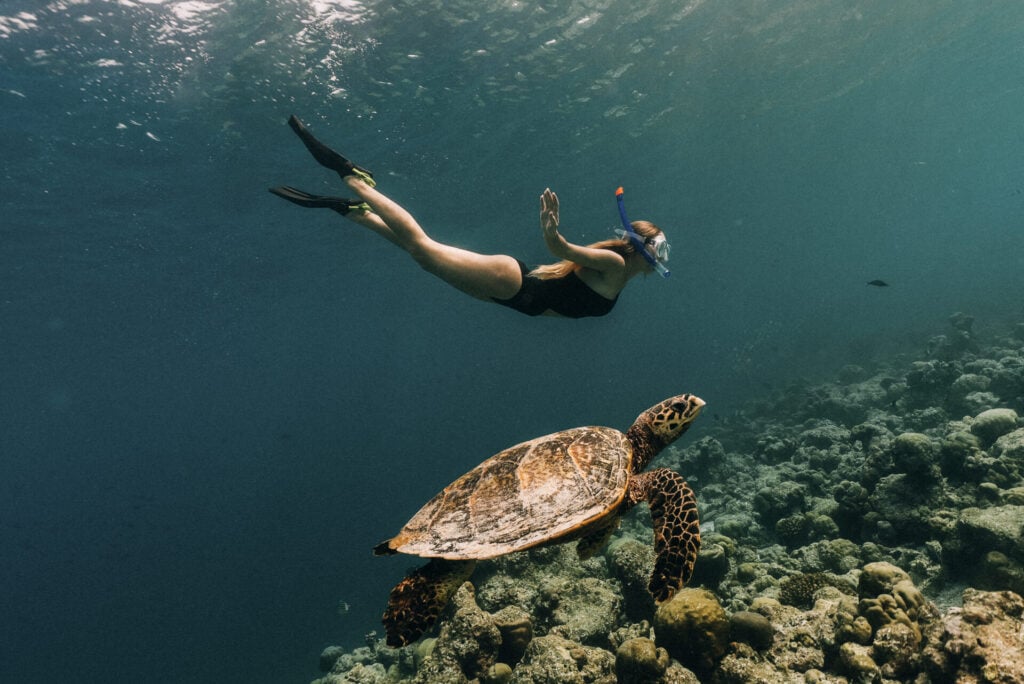
The Maldives has committed to the global 30×30 target, part of the Kunming-Montreal Global Biodiversity Framework – which aims to conserve 30 per cent of the planet’s land, freshwater, and oceans by 2030. Soneva Jani’s newly recognised conservation area now forms part of the country’s efforts towards that goal.
For guests, the landscapes being protected are also among the defining features of a Maldivian escape: clear lagoons, coral reefs, white-sand beaches, and mangroves alive with wildlife.
Supporting Biodiversity
These areas support a wealth of marine, bird, and plant life and are important nesting sites for critically endangered Hawksbill turtles, as well as Green turtles. Its mangroves and wetlands help to protect the shoreline, store carbon, regulate water, and create connected habitats for wildlife – particularly important for low-lying islands on the frontline of climate change.
‘Conservation and hospitality are often treated as competing priorities,’ said Neil Gallagher, Chief Executive Officer of Soneva. ‘This recognition for Soneva Jani says otherwise. It shows that the relationship can be symbiotic, when the work backing the effort is real and sustained.’
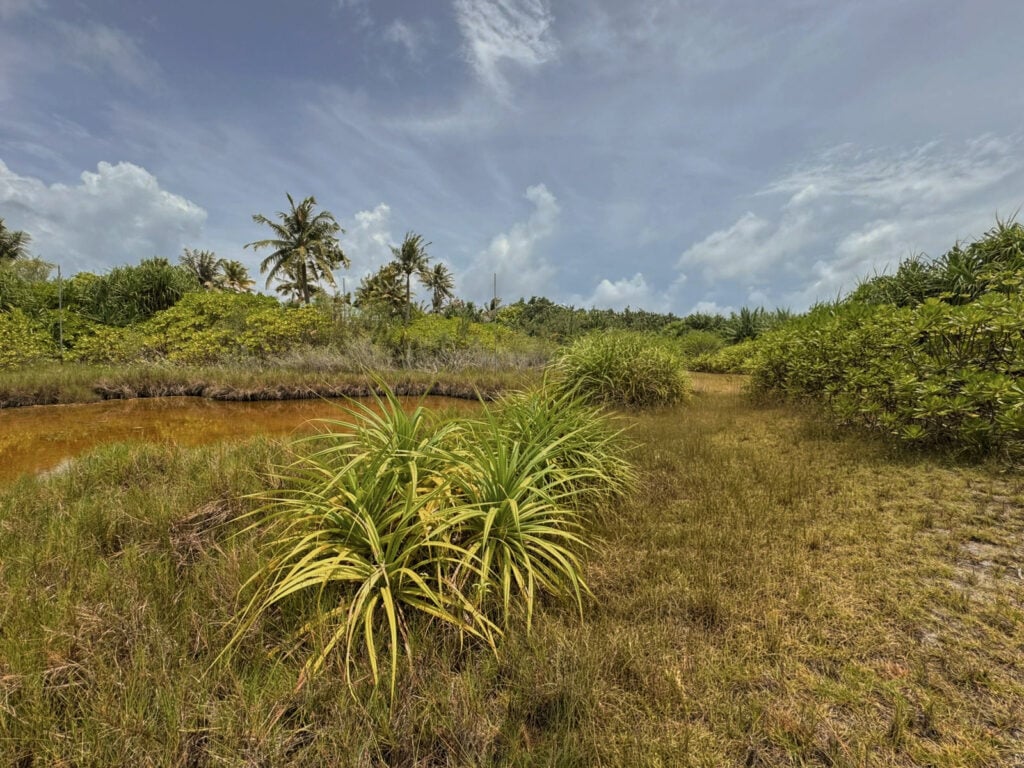
Crucially, the designation is not simply an environmental badge to add to the resort’s credentials. Soneva will be required to monitor the area and report on its condition annually, while its OECM status will be reviewed again in five years.
‘For the Maldives, conservation cannot be something that exists only on paper,’ said Dr Johanna Leonhardt, Director of Operations at Soneva Conservation and Sustainability Maldives. ‘This recognition reflects our commitment to demonstrating, year after year and through measurable evidence, that the way this area is managed is delivering real and sustained benefits for biodiversity.’
For an archipelago whose economy is so closely tied to tourism, and whose appeal depends upon the health of the very reefs, beaches and marine life travellers cross the world to experience, that distinction matters.
Soneva Jani’s recognition offers a compelling model for the wider luxury travel industry: rather than simply reducing tourism’s impact on nature, resorts can potentially play an active role in protecting it.
When conservation is built into the way a destination is managed – and backed by long-term monitoring, funding and accountability – tourism can become part of the machinery that keeps these extraordinary places wild.