

Every year on June 18, the world celebrates Sustainable Gastronomy Day to remind us that what we eat has an impact beyond our plates.
From the way ingredients are grown to how they are transported and cooked, food shapes our health, our communities and the planet. A single meal can involve water use, soil health, climate impacts, labour conditions, transportation networks, packaging waste, and cultural identity.
The global food system is also responsible for around a third of greenhouse gas emissions, while roughly one-third of all food produced for human consumption is lost or wasted. If food waste were a country, it would rank among the world’s largest emitters of greenhouse gases.

If food waste were a country, it would rank among the world’s largest emitters of greenhouse gases.
With that in mind, can our favourite meals nourish people and the planet at the same time? The good news is that the answer is often yes. Here are eight easy ways to make that happen.
1. Shop Local Ingredients
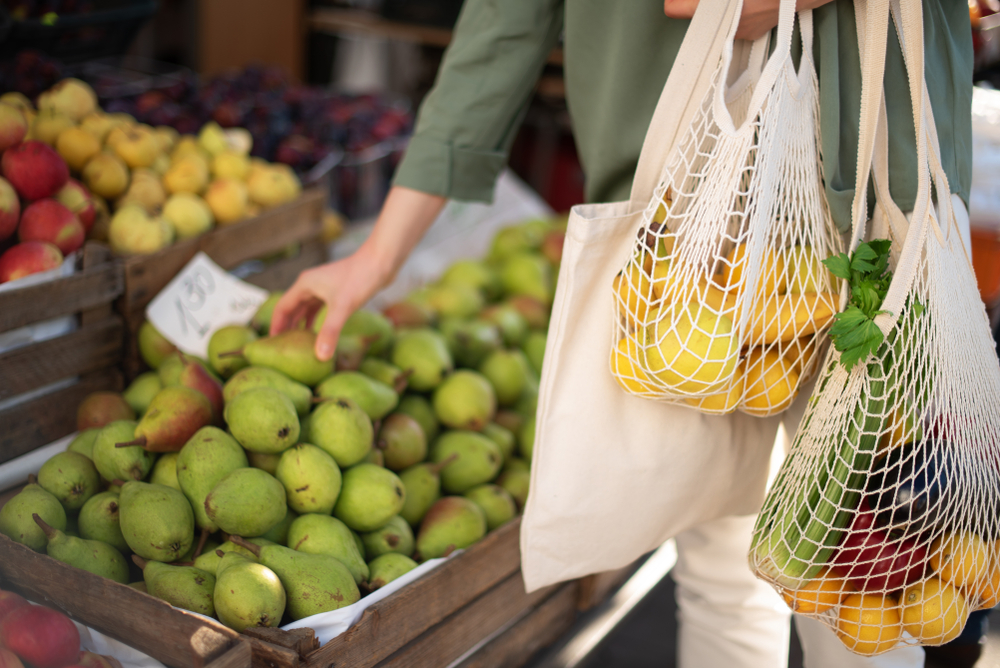
Visit a farmers’ market, food co-op or neighbourhood grocer and create meals around seasonal produce grown close to home. Local food often travels fewer miles, but the benefits go beyond carbon footprints. Supporting regional farmers helps preserve crop diversity, strengthens local economies and reconnects us with the seasons.
2. Let Plants Take Centre Stage
You don’t have to become vegan overnight to eat more sustainably. Try cooking one entirely plant-based meal by simply making vegetables, beans and grains the stars of the show. Lentils, chickpeas and beans are affordable, nutritious and endlessly versatile. Add roasted vegetables, fresh herbs and strong spices, and you’ll quickly discover that plant-forward eating isn’t a compromise.
3. Turn Food Waste Into Inspiration
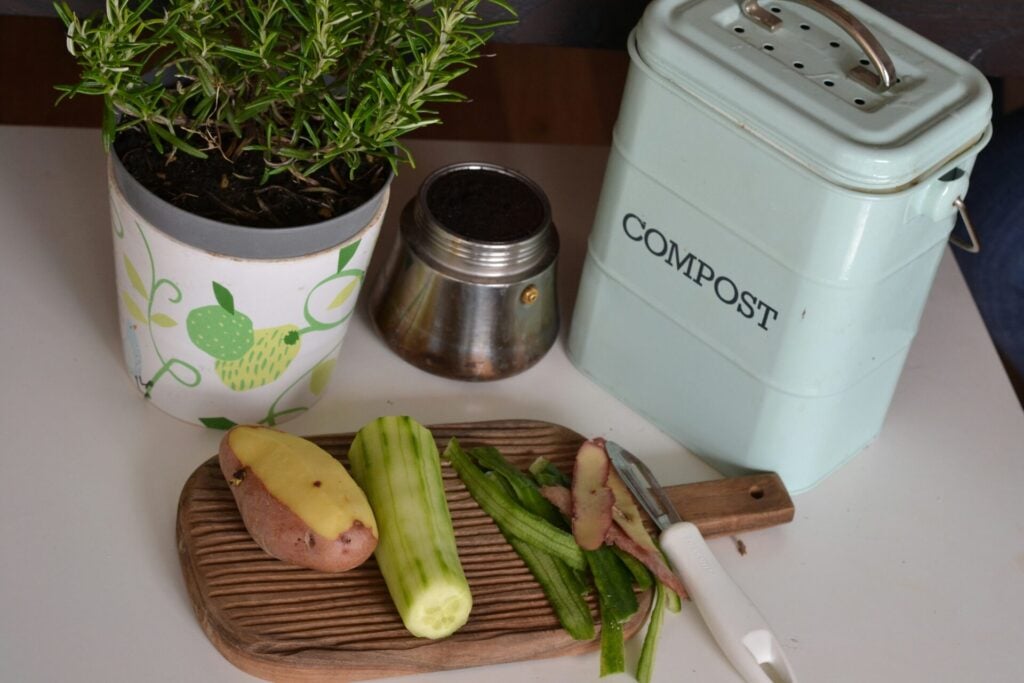
Roughly one-third of all food produced globally is lost or wasted. Sustainable Gastronomy Day is the perfect excuse to get creative. Broccoli stems make excellent soup (and are a delicious snack raw), beet greens can be sautéed with garlic and yesterday’s bread can become croutons or bread pudding. Treating leftovers as ingredients-in-waiting is one of the easiest ways to save money and reduce waste.
4. Support Small Producers
Seek out independent farmers, fishers and artisan food makers. Whether it’s local honey, a small-batch hot sauce or flour milled just a few miles away, these purchases help sustain diverse food systems and often introduce flavours and traditions you won’t find on supermarket shelves.
5. Rediscover Traditional Recipes
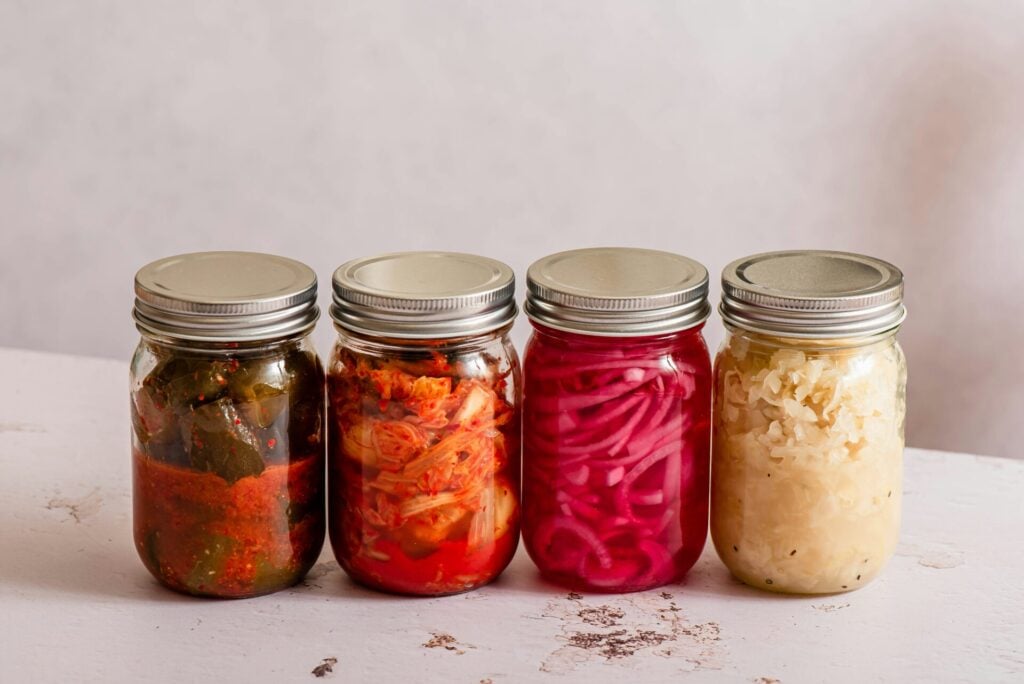
Many of the world’s traditional cuisines were sustainable long before sustainability became fashionable. Fermentation, pickling, drying and slow-cooking evolved as practical ways to make food last and maximise every ingredient. Preparing a family recipe or learning one from another culture is a delicious way to celebrate culinary heritage.
6. Grow Your Own Herbs
You don’t need a garden to become a grower. A sunny windowsill is enough for mint, rosemary, thyme or basil. Homegrown herbs reduce packaging, cut food waste and transform everyday dishes into something special.
7. Challenge Yourself to a Fridge Audit
Before heading to the shops, take stock of what’s already in your kitchen and build a meal around it. Think of it as a fun culinary puzzle. You might be surprised by what you create… and by how much food normally goes to waste simply because it gets forgotten at the back of the fridge!