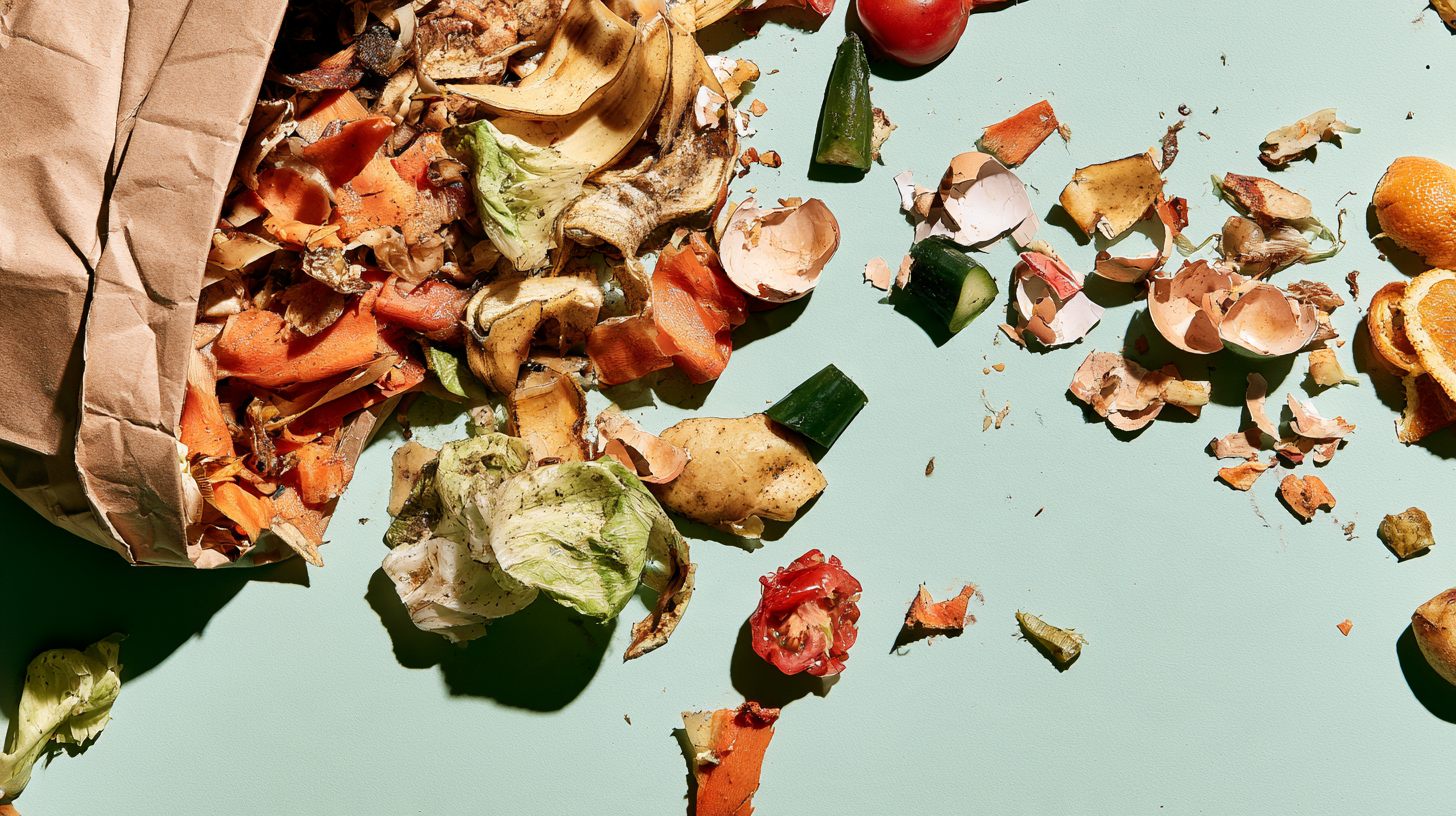
From forgotten vegetables at the back of the fridge to oversized restaurant portions and uneaten brunch spreads, food waste is something most of us contribute to, often without even realising it.
But with the UAE working towards a target of halving food loss and waste by 2030, finding ways to change our habits has become a national priority.
The scale of the challenge is considerable. An estimated 3.27 million tonnes of food are wasted in the UAE annually, according to figures cited by the Ministry of Climate Change and Environment. That’s costing the economy around AED 13 billion ($3.5 billion). In Dubai, earlier estimates suggested that as much as 38 per cent of prepared food was thrown away daily, rising to 60 per cent during Ramadan.
With the UAE working towards a target of halving food loss and waste by 2030, finding ways to change our habits has become a national priority.

Globally, the United Nations Environment Programme (UNEP) estimates that food loss and waste account for between eight and ten per cent of greenhouse gas emissions, making the issue as much an environmental concern as an economic one.
Now, a new partnership between the Environment Agency Abu Dhabi (EAD) and Emirates Foundation aims to accelerate progress, bringing scientific research, environmental expertise and community engagement to the country’s national food loss and waste initiative, ne’ma.
According to ne’ma’s published results, behavioural trials in the hospitality sector achieved food waste reductions ranging from eight to 62 per cent in 2023
Announced on October 12 during Global Food Week 2026, the agreement will see the organisations collaborate on research, pilot projects and behavioural trials designed to better understand why food is wasted and how households and businesses can be encouraged to consume more responsibly.
Changing habits, not just raising awareness
 6 Dubai Restaurants Fighting War On Food Waste
 While awareness campaigns have long encouraged people to reduce food waste, the new partnership will place greater emphasis on gathering data and testing practical solutions.
EAD will contribute its environmental monitoring and policy expertise, while drawing on its networks to engage businesses, communities and other stakeholders in initiatives aimed at reducing waste.
‘Food loss and waste is a direct environmental and climate challenge, and tackling it starts with science and data,’ says Dr Shaikha Salem Al Dhaheri, Secretary General of EAD.
The approach builds on work already undertaken by ne’ma, which was launched in 2022 to coordinate national efforts to reduce food loss and waste across the supply chain, from farms and food producers to supermarkets, restaurants and households.
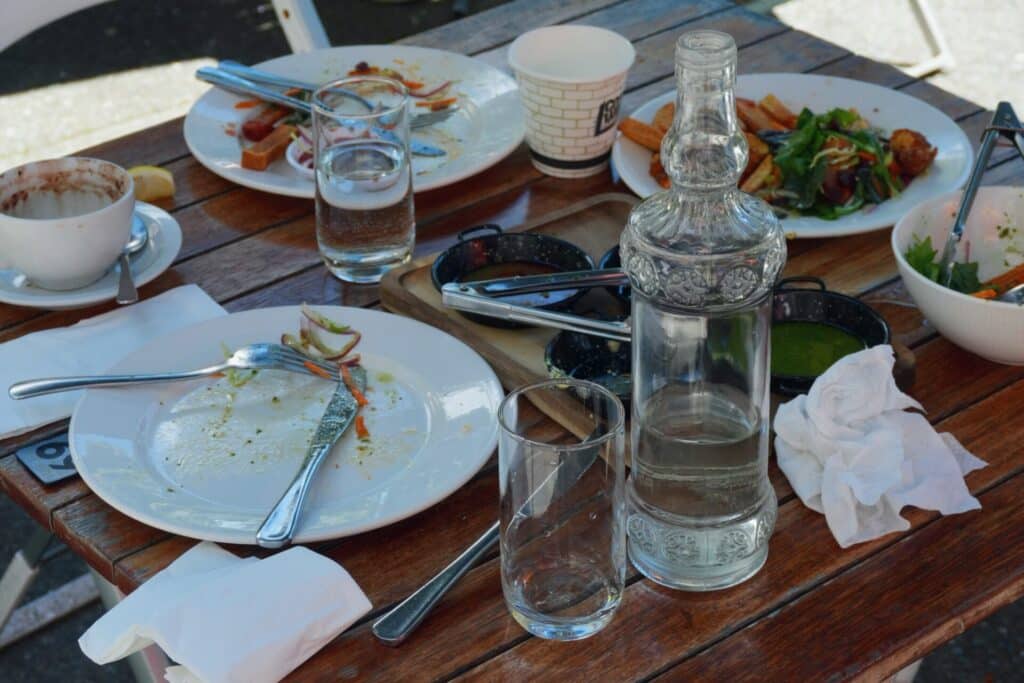
And there are encouraging signs that relatively small changes can make a measurable difference. According to ne’ma’s published results, behavioural trials in the hospitality sector achieved food waste reductions ranging from eight to 62 per cent in 2023. These trials explored how simple changes in the way food is presented and served can influence how much people take and ultimately throw away.
A national challenge with everyday solutions
Food waste is not simply about discarded meals. Every item thrown away also represents the water, energy, land and labour used to produce, transport and prepare it. UNEP’s 2024 Food Waste Index Report estimated that households worldwide wasted more than one billion meals every day in 2022, illustrating how everyday consumption habits contribute to a much larger environmental problem.
UNEP’s 2024 Food Waste Index Report estimated that households worldwide wasted more than one billion meals every day in 2022
In the UAE, ne’ma is also working to establish a comprehensive national database to identify where food is being lost or wasted and measure progress towards the 2030 target.
The latest partnership is intended to strengthen that work through better data, community initiatives and evidence-based interventions. For UAE residents, the message is straightforward: Planning meals, buying only what is needed, storing food correctly and making better use of leftovers are all practical ways to reduce waste at home.
And while no single household can solve the problem alone, understanding where waste occurs, and what actually changes behaviour, could help the UAE turn its ambitious national target into lasting results.