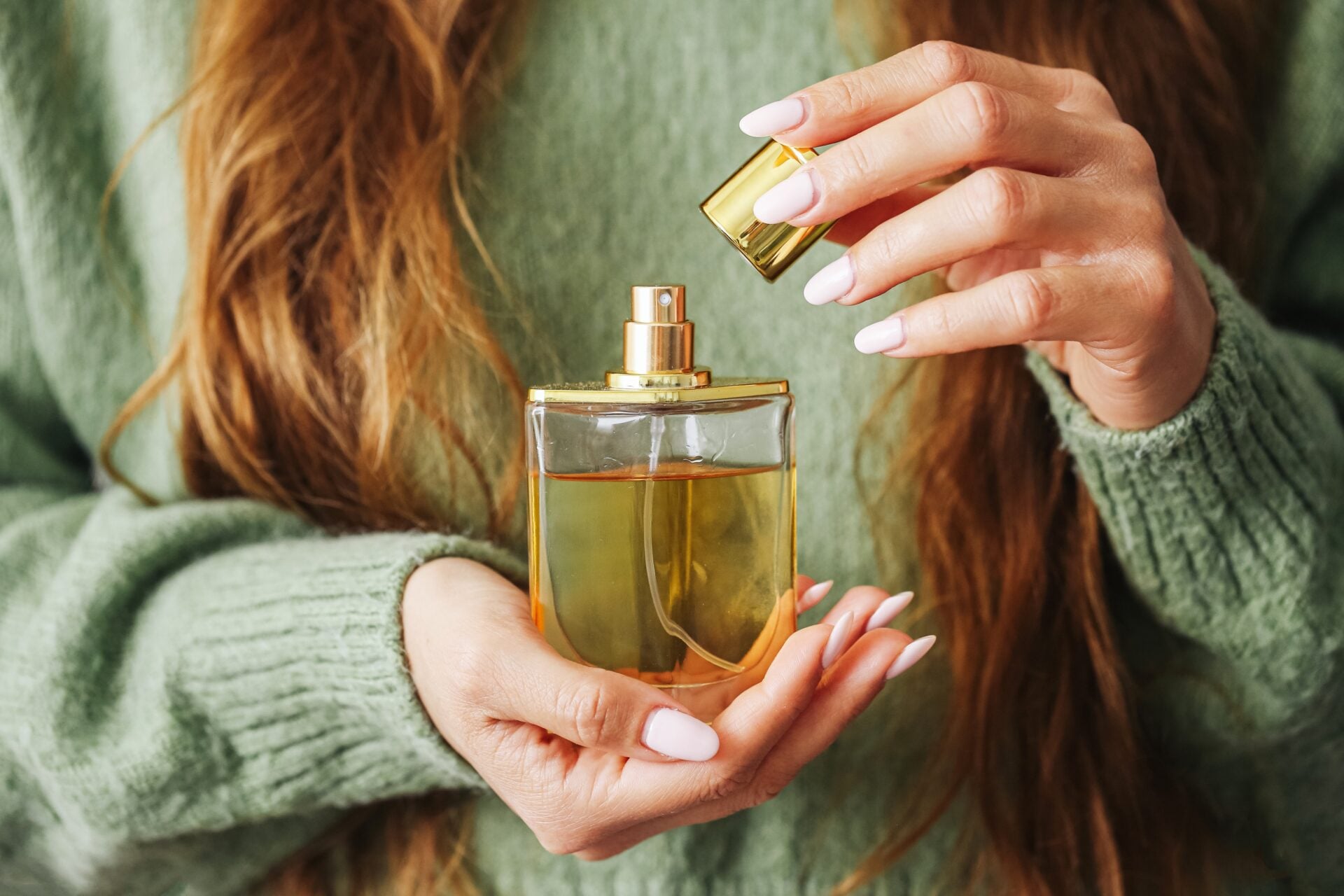
Perfume has been around for thousands of years, and for good reason. A spritz can instantly transport you somewhere else. Coconut and vanilla to summer evenings on the Mediterranean, rose to your grandmother’s back garden, or patchouli to your rebellious teenage years.
But the industry has evolved significantly since its humble beginnings as scented oils, resins, and balms used in religious rituals and burial ceremonies some 4,000 years ago. Today, the polished bottles and celebrity marketing campaigns are increasingly under scrutiny.
Over the past few years, fragrance has found itself caught in the crossfire of the wider ‘clean beauty’ movement. TikTok influencers warn of ‘toxic perfumes’ while wellness creators are encouraging us to ditch synthetic perfumes entirely.
Meanwhile, industry insiders argue that the reality is far more nuanced.
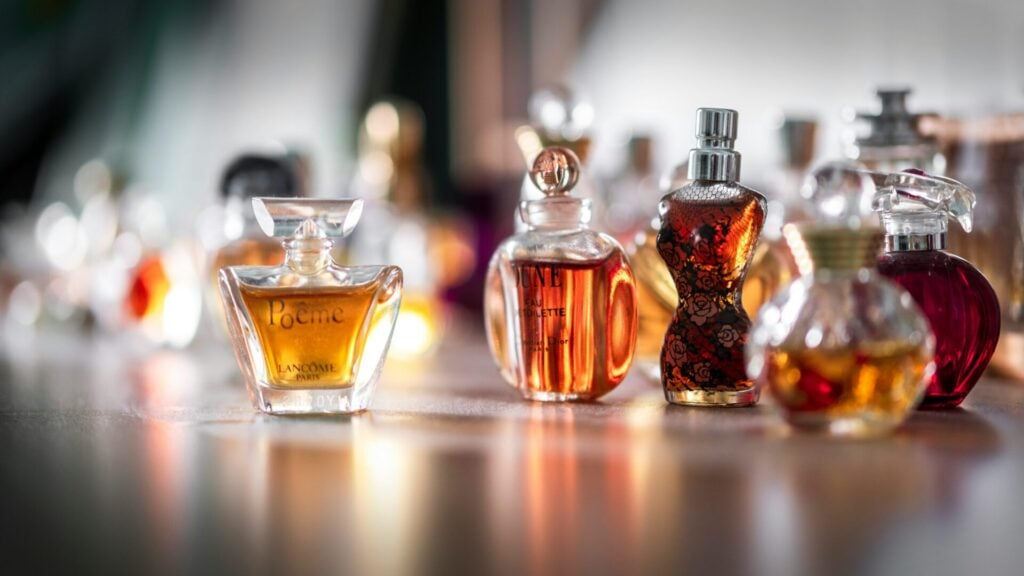
Globally, the fragrance market is booming. According to data from Statista, the global perfume market is expected to surpass $73 billion by 2030, fuelled by rising demand in regions including the Middle East, where scent plays a large cultural role.
But as consumers become more ingredient-conscious, questions are mounting: what exactly is inside modern perfume? And is fragrance really bad for us?
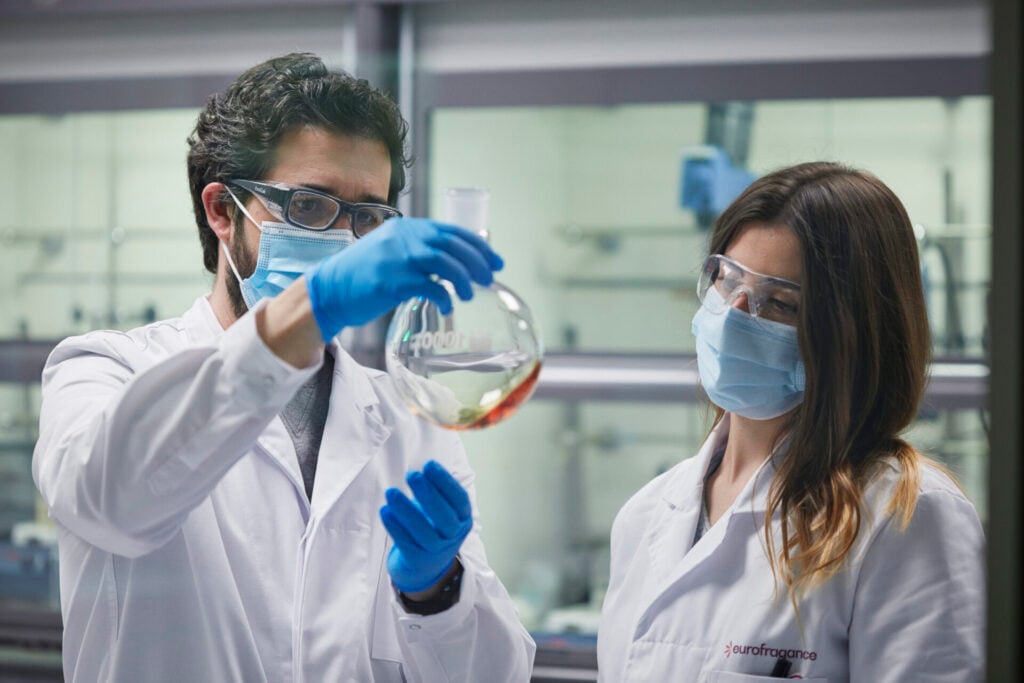
‘Modern perfumery relies on a careful balance between natural extracts and synthetic molecules to achieve performance, consistency and creativity,’ Felipe San Juan, PhD, R&D Manager Ingredients & Fragrance Performance at Eurofragance, tells The Ethicalist.
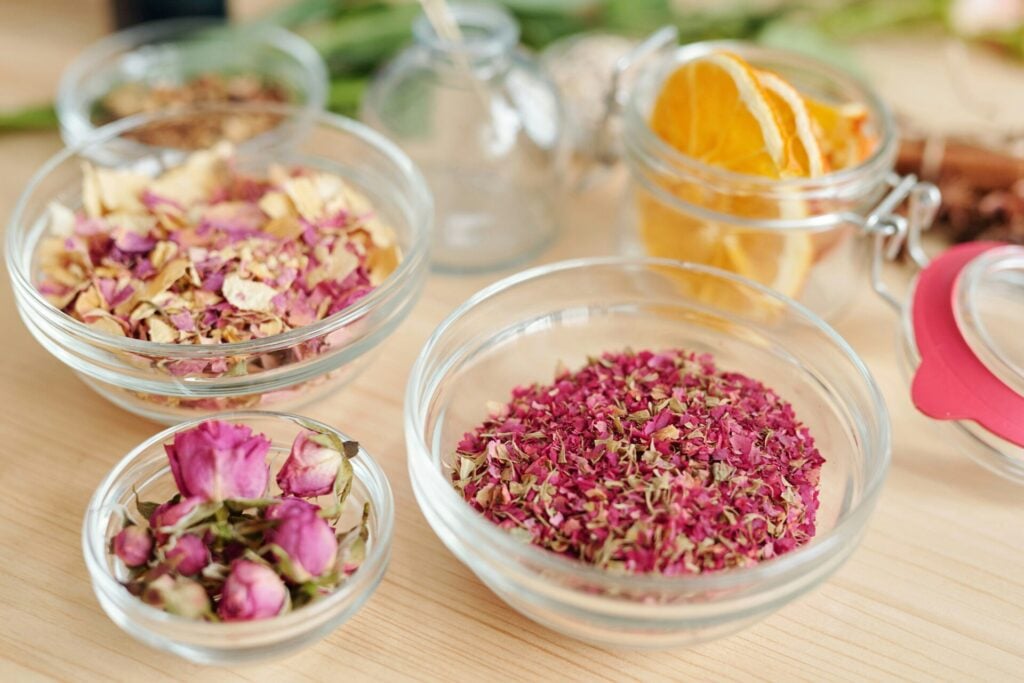
While classic ingredients such as rose, sandalwood and citrus oils remain at the heart of perfumery, many of today’s most popular scents use synthetic ingredients to boost staying power, strength and consistency.
‘Molecules like Hedione or Iso E Super are widely used because they provide diffusion and radiance, which are critical to how a fragrance is perceived in use,’ he explains. ‘Musks and amber materials, such as Ambroxan, are also fundamental, especially when long-lasting performance is required.’
This is where the fragrance debate becomes a little complicated.
Older ingredients once considered cutting-edge have, in some cases, fallen out of favour due to allergy concerns, environmental concerns, or changing attitudes about what consumers want to spray on their skin every day
Synthetic ingredients are often portrayed as inherently harmful, but many experts point out that natural ingredients are not automatically safer. Essential oils can also trigger allergies, phototoxic reactions, and skin sensitivities. In fact, according to the International Fragrance Association (IFRA), for those reasons, fragrance ingredients – whether natural or synthetic – are among the most rigorously assessed cosmetic materials in the world.
Still, concerns remain valid. Certain fragrance compounds have been linked to skin irritation, headaches, or respiratory sensitivities, while older ingredients once considered cutting-edge have, in some cases, fallen out of favour due to allergy concerns, environmental concerns, or changing attitudes about what consumers want to spray on their skin every day.
Synthetic musks, often found simply under the label ‘fragrance’, don’t break down naturally, wash down our drains, bypass standard sewage treatment, and enter rivers, lakes, and coastal areas. Even at very low concentrations, certain synthetic musks (such as musk xylene) can interfere with the hormone systems of aquatic wildlife, altering gene expression and reproductive development. They have been detected in human breast milk, body fat, blood, and umbilical cords. Studies show they can disrupt cellular function and hormones. Consequently, the European Union largely banned musk xylene and severely restricted musk ketone, classifying them as ‘substances of very great concern’.

Studies published by bodies such as the Environmental Working Group have also fuelled growing consumer unease around undisclosed fragrance blends and the possibility that some chemicals used in perfume could interfere with hormones or trigger sensitivities.
Part of the confusion stems from the word ‘fragrance’ itself. On ingredient lists, it can legally represent a complex mixture of dozens, sometimes hundreds, of compounds, many of which are protected under trade secret laws. That secrecy is increasingly clashing with a call for transparency.
‘Consumers are becoming noticeably more mindful about the products they spray on their skin and use around the home,’ says Felipe. ‘They are paying closer attention to labels and questioning claims such as ‘clean’, ‘natural’, ‘non-toxic’ and ‘sustainable’, particularly when these claims influence purchase decisions.’
In the GCC, this shift is taking on its own regional identity. Fragrance remains central to everyday life, from bakhoor to oud traditions, but younger consumers are increasingly interested in where ingredients come from and how they’re produced.
‘Fragrance in the region is not simply a beauty product; it is closely connected to identity, hospitality, status and everyday rituals,’ Felipe explains. ‘Consumers still appreciate powerful, long-lasting scents such as oud, amber, musk, rose and bakhoor, but they are becoming more curious and selective.’
The rise of sustainable perfumes
That curiosity is helping drive one of perfumery’s fastest-growing movements: sustainable fragrance innovation.
The perfume industry has historically depended heavily on resource-intensive natural ingredients. Sandalwood harvesting has contributed to deforestation concerns in parts of India, while the demand for natural musk once devastated deer populations before synthetic alternatives became widespread. According to reports, unsustainable sourcing of botanicals remains a serious environmental issue across multiple industries, including cosmetics and fragrance.
Now, companies are experimenting with biotechnology, fermentation and even waste materials to create new scent ingredients with a lower environmental footprint.
‘Sustainability is fundamentally changing fragrance creation. Rather than being a limitation, sustainability is opening up new possibilities’
Felipe San Juan, PhD, R&D Manager Ingredients & Fragrance Performance at Eurofragance,
Some brands are already trying to rewrite the perfume rules. Lush has long championed vegetarian, cruelty-free formulations, ethical sourcing, and reduced packaging, while heritage French perfume house Jardin Retrouvé has rebuilt its identity around refillable bottles, responsibly sourced ingredients, and environmentally-friendly packaging.
Across the industry, sustainability is no longer simply a niche selling point, it’s increasingly shaping how fragrance is formulated, packaged and marketed.
One example is Olivante®, a fragrance ingredient developed by Eurofragance using olive oil industry by-products. Rather than discarding leftover olive biomass, it’s been transformed into a refined scent material.

‘Materials like this show how something traditionally considered waste can be refined into a complex, elegant ingredient suitable for fine fragrance applications,’ says Felipe. ‘This goes beyond sustainability, and into discovering new olfactory territories.’
The ingredient, he says, can enhance fruity, floral, leathery and even oud-style notes while adding what perfumers describe as a more ‘natural’ dimension to compositions.
‘Sustainability is fundamentally changing fragrance creation,’ he adds. ‘Rather than being a limitation, sustainability is opening up new possibilities.’
Of course, perfume will likely always remain somewhat controversial. For every person obsessed with discovering the perfect signature scent, another is trying to eliminate fragrance from their home entirely. And while some clean beauty messaging can veer into fearmongering, the growing demand for transparency is undeniably reshaping the industry.
For most people, wearing fragrance in moderation is unlikely to pose serious harm. But consumers are increasingly justified in asking tougher questions: Where do ingredients come from? How sustainable are they? Are brands being transparent? And does luxury need to come at an environmental cost?
Because, as Felipe explains: ‘fragrance is moving beyond ‘smells good’ towards ‘smells good, feels safe, and reflects my values.’