The weeks of hot, dry weather many have seen across the world this summer may have meant more time outdoors for some, but for wildlife, drought conditions could become a fight for survival.
As ponds shrink, soils harden and flowers produce less nectar, animals can struggle to find the water, food and shelter they need.
The good news, however, is that even the smallest garden, balcony, doorstep, or windowsill can provide a much-needed refuge. And many of the things that make the greatest difference are really quite simple.
1. Put Out A Shallow Bowl Of Water
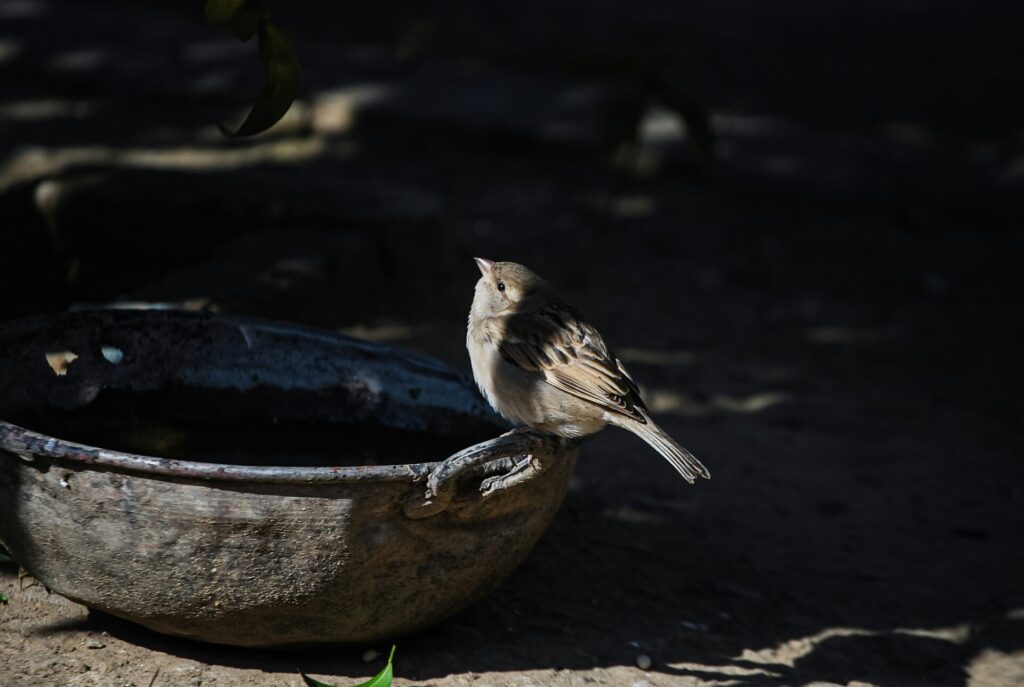
One of the easiest, and most important, things you can do is provide fresh drinking water.
Placing a shallow dish or saucer in a shady area that’s topped up with clean water will provide a drink for birds and hedgehogs, while bees, butterflies and other insects will benefit too.
Add a few stones or pebbles that stick up above the water so insects have a safe place to land and drink without drowning. Change the water regularly, particularly during hot weather.
2. Make Your Pond Safe
Garden ponds become particularly valuable during drought, providing drinking water and refuge for numerous species. But falling water levels can make steep-sided ponds difficult, or impossible, for wildlife to escape.
Make sure there is a gently sloping edge, ramp, stones, or strategically placed plants that let hedgehogs, amphibians, and other animals climb out safely. Even without space for a conventional pond, a small container pond can provide valuable habitat.
3. Don’t Be Too Tidy
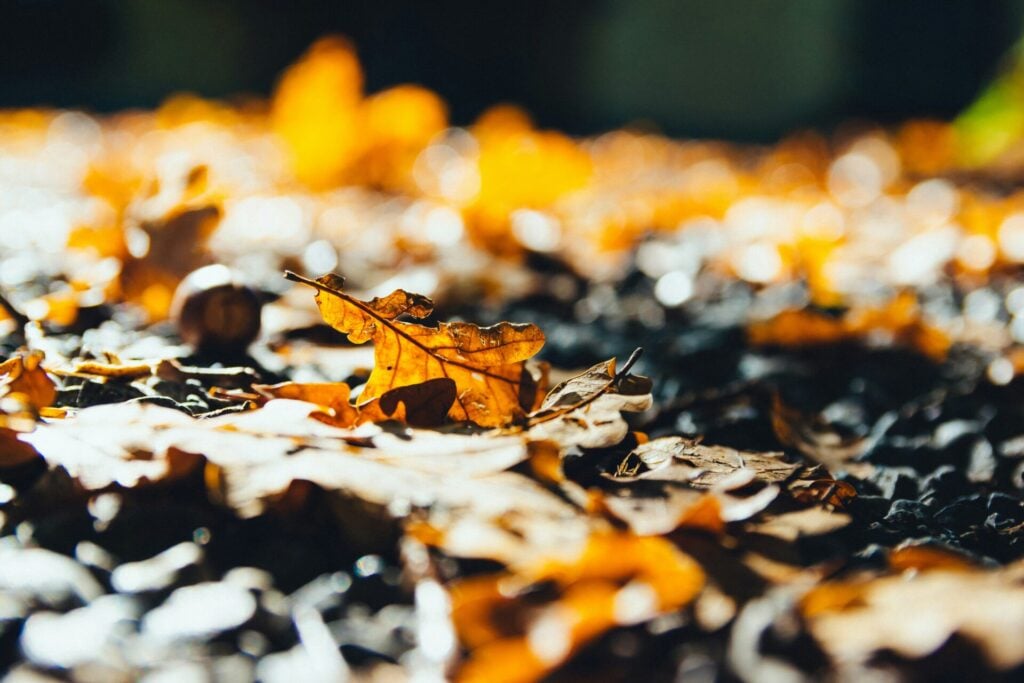
This is one occasion when neglecting the garden is actively helpful. Long grass, overgrown plants, log piles and vegetation that has gone to seed provide shade, shelter, food and cooler places for wildlife when temperatures soar.
Toads, which spend much of their lives on land and can be found in gardens without ponds, often burrow into cool soil or shelter beneath logs and vegetation, so take care when digging or moving garden debris. Leaving some of the garden wild can create small refuges exactly when animals need them most.
4. Give Hedgehogs A Helping Hand
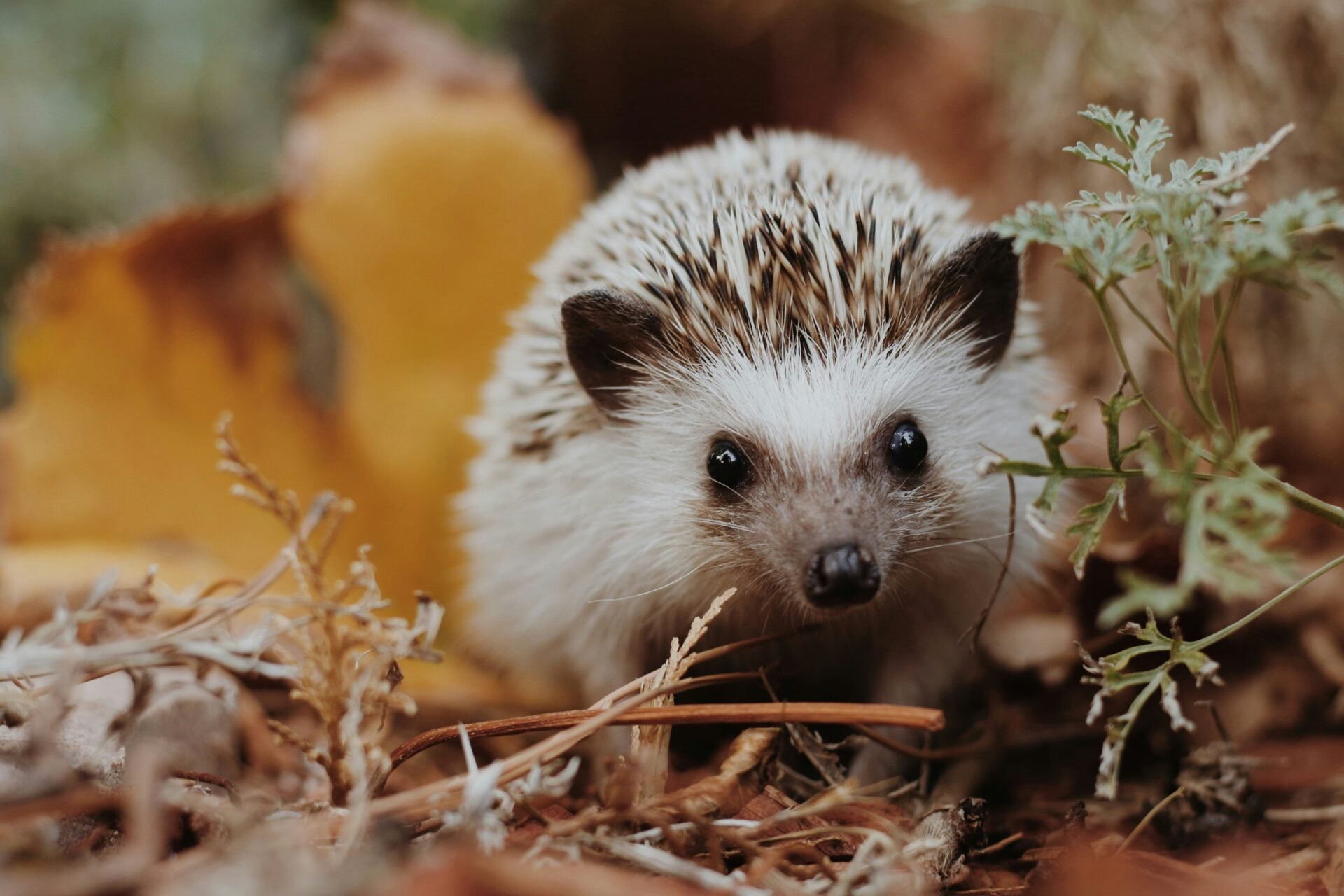
Dry, hard soil can make it much harder for hedgehogs to reach earthworms and other invertebrates. Always leave out a shallow bowl of fresh water during hot weather. Specialist hedgehog food can also provide supplementary food when natural sources become scarce.
And remember that hedgehogs are predominantly nocturnal. A hedgehog wandering around during the heat of the day may be in difficulty and could need advice from a wildlife rescue organisation.
5. Keep Flowers Going For Pollinators
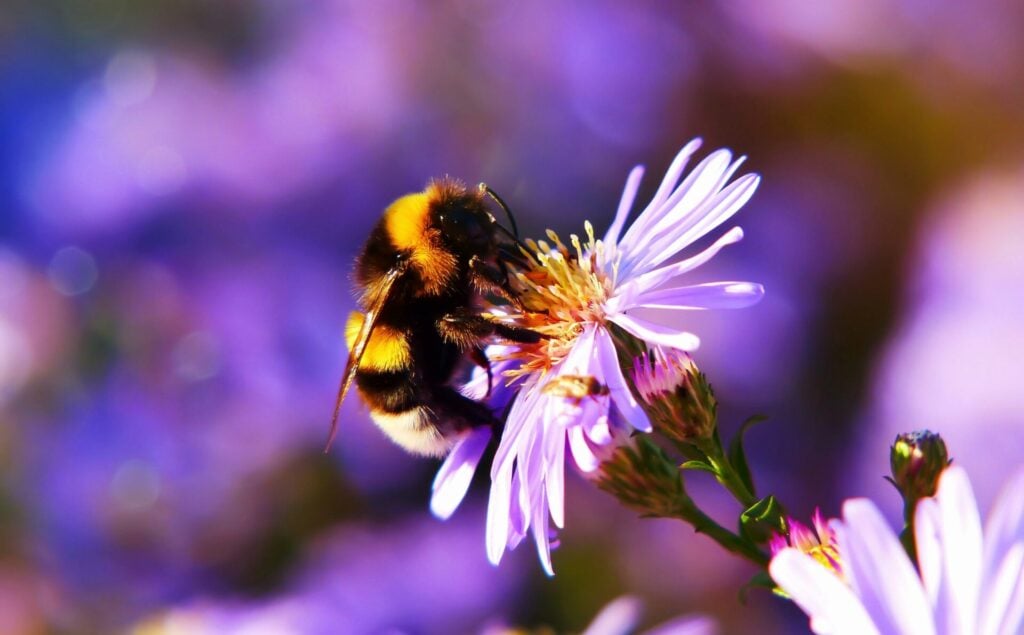
Drought doesn’t just remove water; it can also reduce food supplies. When flowering plants become severely dehydrated, nectar production can fall, leaving bees, butterflies and other pollinators with fewer places to feed.
If water is available, prioritise flowering plants that are providing nectar rather than trying to keep every patch of lawn green. Deadheading some summer-flowering plants can also encourage them to continue producing flowers rather than immediately going to seed.
6. Create Cool, Shady Hideaways
Shade can be as valuable as water, so group pots and containers together to create cool, damp spaces where frogs, toads and newts can shelter. Log piles, dense planting, longer grass and shady compost heaps can all create valuable microhabitats.
If a compost heap becomes extremely dry, lightly moistening it can help the worms, insects and other invertebrates living within it, which in turn provides food for other wildlife.
7. Think Beyond The Drought
Perhaps the most powerful thing we can do is make our gardens more resilient before the next dry spell arrives. Adding a wildlife pond or rain garden, reducing hard paving, planting a diverse mix of flowers and shrubs, and connecting gardens with hedges and small gaps can all give wildlife more places to feed, shelter, and move as the climate changes.
A garden doesn’t need to be large or perfectly wild to make a difference. Sometimes helping nature means doing remarkably little: putting down a bowl of water, leaving a patch of grass uncut, allowing fallen leaves and logs to remain.