
Animal protection groups across Italy have welcomed the new Cage-Free Fund established in the 2026 Budget Law of the Italian Parliament, calling it ‘a good first step for animal welfare’.
The Fund is the first permanent public funding in Italy dedicated exclusively to supporting the transition to cage-free farming systems. With the first signature of Senator Domenica Spinelli, from the Government majority, it allocates €500,000 for 2026, followed by €1 million annually from 2027 onwards.
‘The approval of the Cage-Free Fund is a good first step for animal welfare,’ said Annamaria Pisapia, Head of Compassion in World Farming Italy, alongside NGO partners in the Italian End the Cage Age coalition (ETCA).
‘Citizens don’t want cages. The transition to cage-free systems would significantly improve the lives of millions of animals currently sentenced to an existence of suffering and confinement. Any instrument helping animals out of cages is not just welcome – it’s urgently needed.
‘However, we are disappointed that the allocation has been significantly reduced from the initial proposal. It is not enough to cover the needs of even a single farm! We note this with regret and will continue to work to ensure that the allocation is significantly increased. A higher allocation is key for this fund to contribute to build a cage-free future in Italy,’ said Annamaria
Why a Cage-Free Fund is Needed
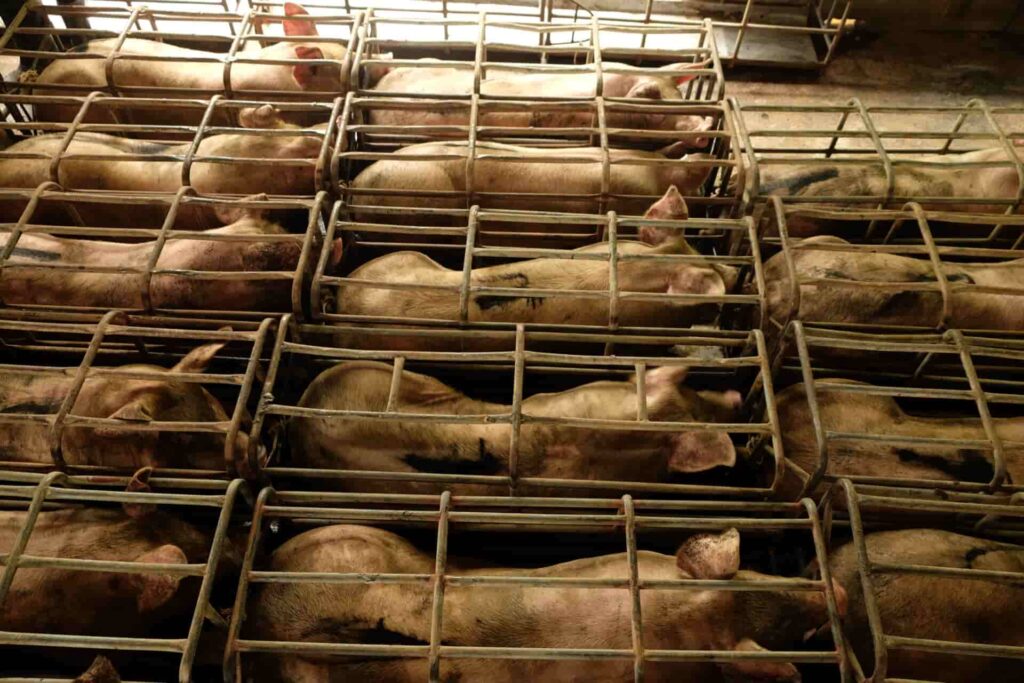
The introduction of the Cage-Free Fund comes amid growing scrutiny of intensive farming systems across Europe, where the use of cages for laying hens, sows and other farmed animals has been increasingly challenged on welfare, environmental and public health grounds. In Italy alone, an estimated more than 40 million animals are still kept in cage systems each year, despite mounting evidence that confinement causes chronic stress, injury and behavioural deprivation.
The transition to cage-free systems would significantly improve the lives of millions of animals currently sentenced to an existence of suffering and confinement. Any instrument helping animals out of cages is not just welcome – it’s urgently needed.
Annamaria Pisapia
Cage-free farming systems are widely recognised by animal welfare scientists as a significant improvement, allowing animals greater freedom of movement, the ability to express natural behaviours, and improved physical health outcomes. Studies have also linked cage-free systems to lower reliance on antibiotics, reducing the risk of antimicrobial resistance — a growing concern for both human and animal health across the EU.
Animal welfare is a growing priority for European citizens: according to the latest Eurobarometer survey, 91 per cent of Italian citizens oppose the use of individual cages, and 1.4 million people signed the European Citizens’ Initiative End the Cage Age in 2019.
‘Despite its regrettably low endowment, the Cage-Free Fund is now law,’ Annamaria added. ‘While waiting for comprehensive EU legislation, now more ambition is needed. As animal protection NGOs, we are ready to work with the Italian Government and Parliament to help devise a smooth cage-free transition. As said, we will continue to advocate for the Cage-Free Fund to be increased in the coming years.’