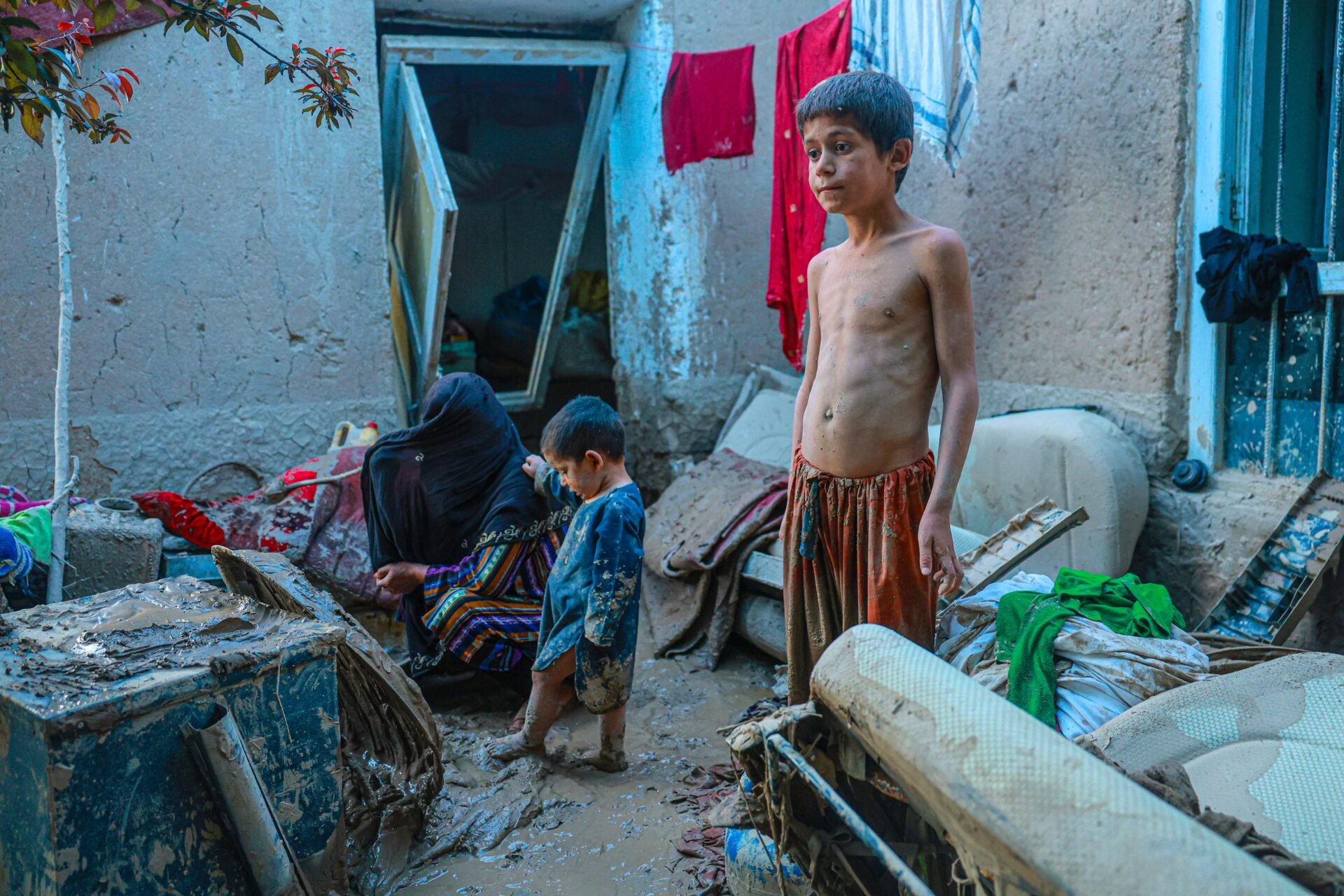
At least 77 people have been killed and more than 130 injured after heavy rains triggered widespread flooding across Afghanistan.
According to local authorities, entire villages have been affected, with more than 800 homes destroyed, roads cut off, and thousands of families displaced.
Most of the deaths were reported in central and eastern provinces, including Parwan, Maidan Wardak, Daikundi and Logar, according to ANDMA.
Police spokesperson Sediqullah Seddiqi told AFP that a 14-year-old boy was killed by a lightning strike in the northwestern province of Badghis. In the same province, three others drowned while attempting to collect driftwood for heating.
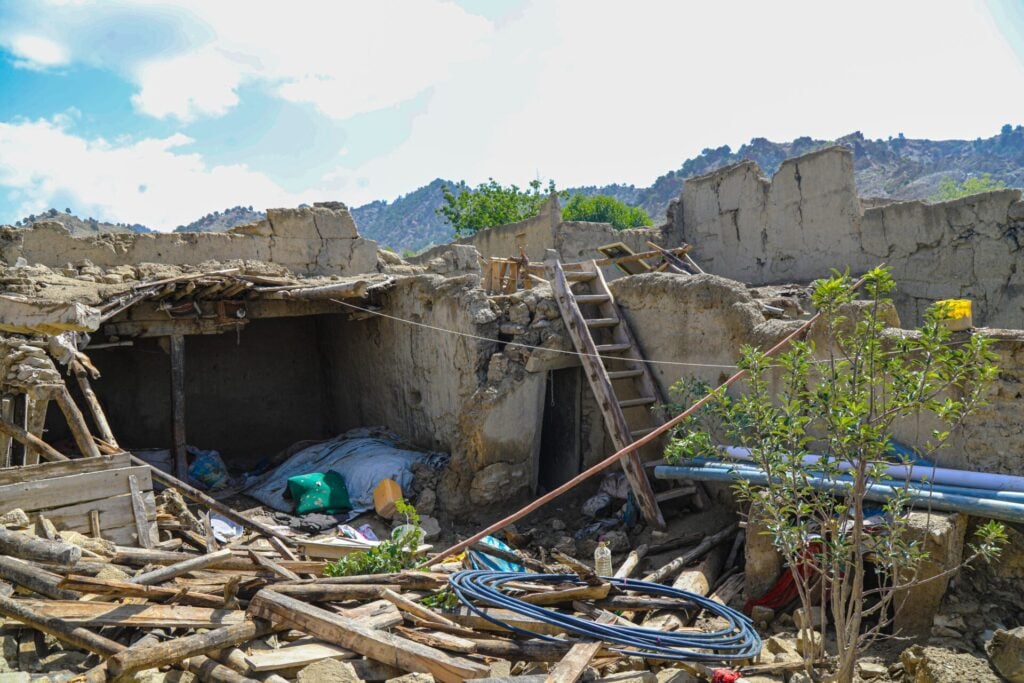
Heavy rainfall has continued to sweep across Afghanistan since Thursday, causing floods and landslides in multiple provinces.
Roads that are often the only connection between remote communities and essential services, have been cut off, making rescue and aid efforts significantly more difficult.
Why Afghanistan Is So Vulnerable
Afghanistan is uniquely vulnerable to this kind of disaster. The country’s geography, which is mountainous, dry, and prone to sudden weather shifts, means that rainfall doesn’t soak into the ground slowly, and floods can arrive with little warning.
Many homes, particularly in rural areas, are built from mud, which can’t withstand heavy water flow and can collapse within minutes. While agricultural land, which many families rely on for survival, is often swept away in a single event.
Decades of conflict have left the infrastructure fragile and underdeveloped. Drainage systems are limited, early warning systems are inconsistent, and emergency response is often slow.
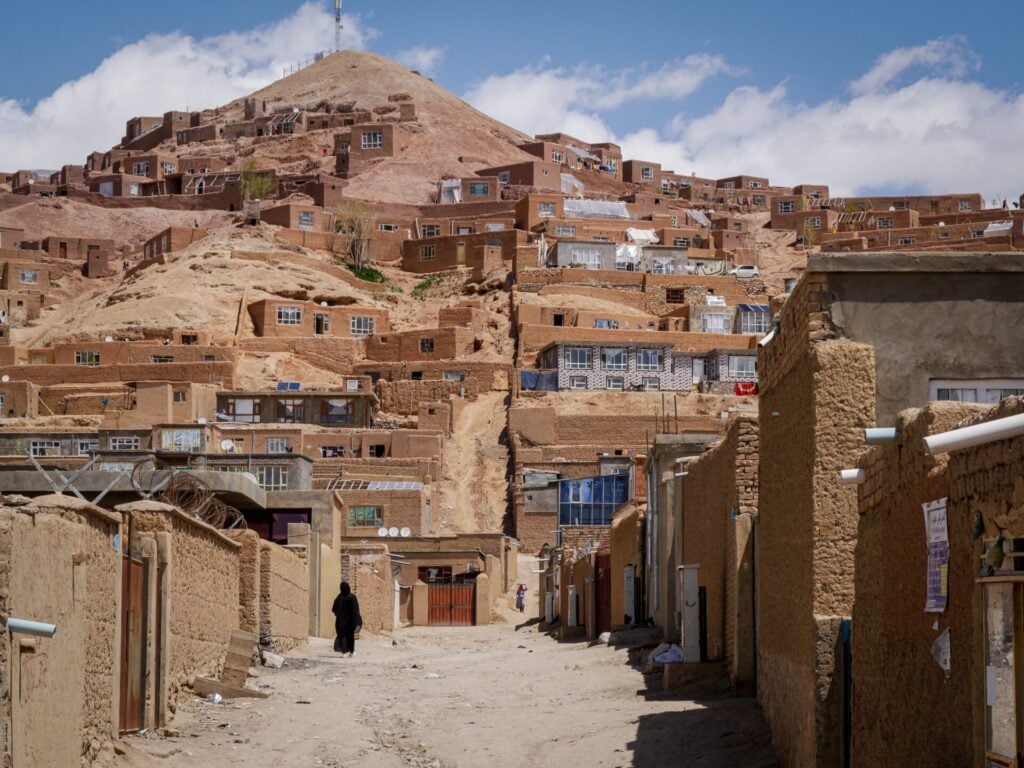
In some areas, reaching affected communities means navigating damaged roads or terrain that has become impassable overnight.
Flooding in Afghanistan tends to occur seasonally, typically between March and May, but recent years have seen a rise in severity. Climate change, deforestation, and land degradation are all contributing factors, increasing both the frequency and intensity of these events.
Earlier this year alone, similar extreme weather events had already claimed dozens of lives. In 2024, more than 300 people were killed in spring floods.
Afghanistan is already facing a deep humanitarian crisis. Food insecurity is widespread and healthcare systems are already under strain. Millions of people are living in vulnerable conditions, often without the resilience to absorb another shock.
With water supplies contaminated, the risk of disease rises, crops are lost, placing further pressure on already fragile food supplies, and families are forced into temporary or overcrowded shelters with limited access to clean water and sanitation.
Authorities have warned residents to avoid flood-prone areas, with more rain expected in the coming days.