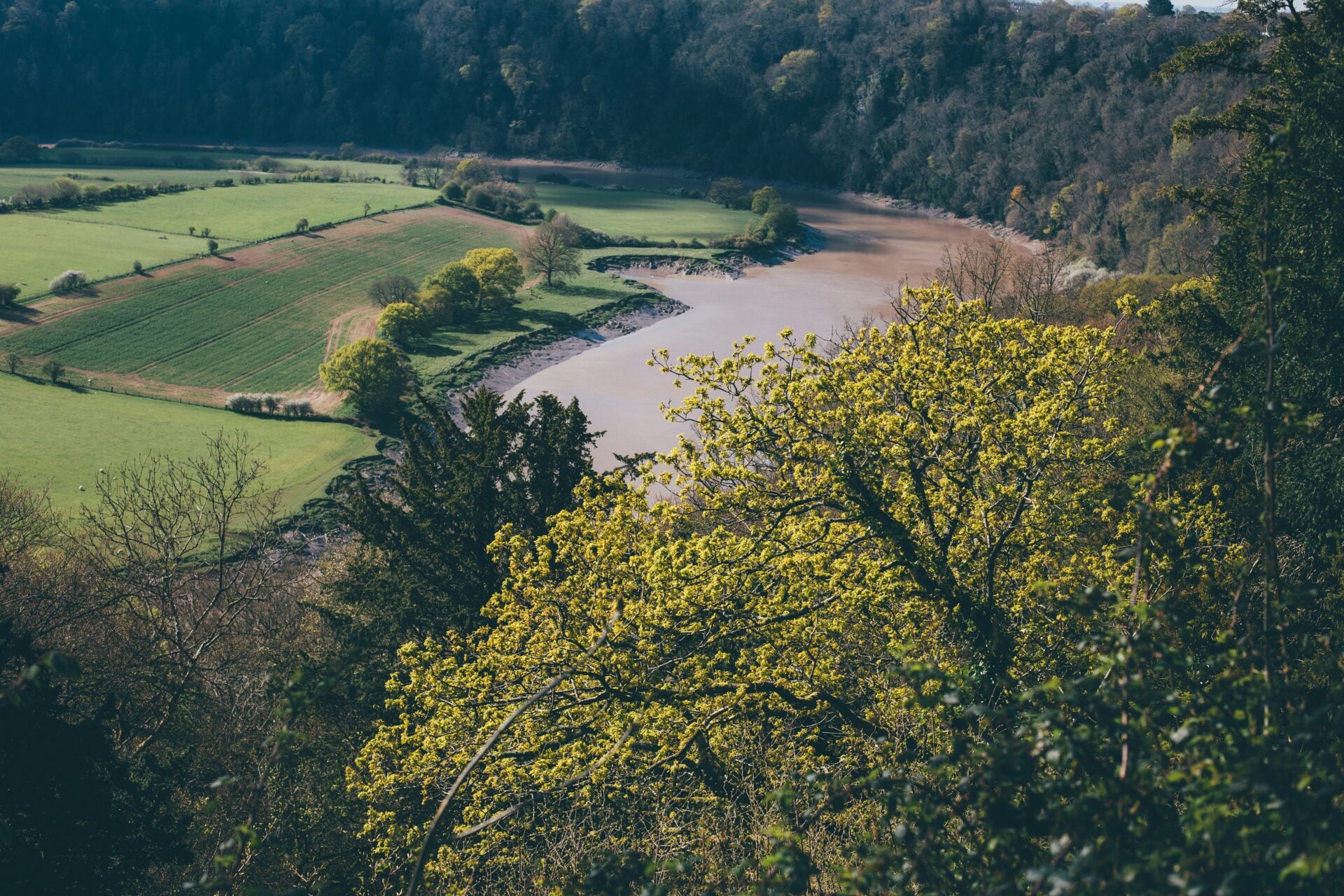
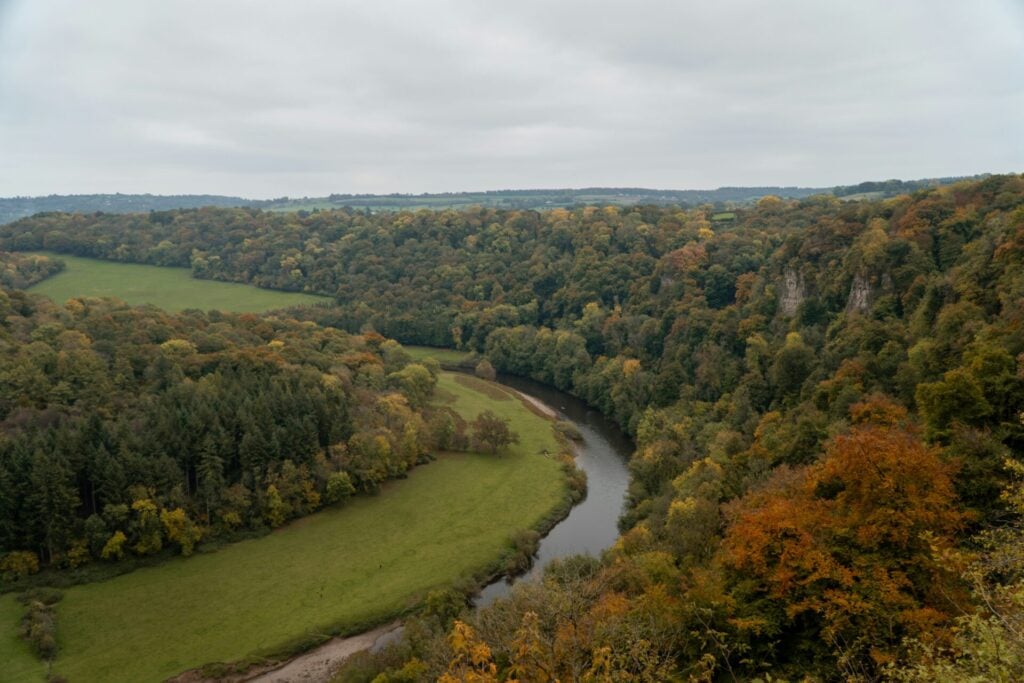
The River Wye, which flows from the Welsh mountains to the English coast, has been recognised as a living ecosystem with its own intrinsic rights, in a charter intended to protect the region’s natural environment from increasing pollution threats.
The documentation includes the right to of the waters to flow, and to be free from toxic materials, as well as support from a healthy bio-diverse catchment area.
The Wye Valley is home to deer, dormice, otters, water voles, kingfishers, owls and mink, while dolphins and porpoises have also been spotted in the river.
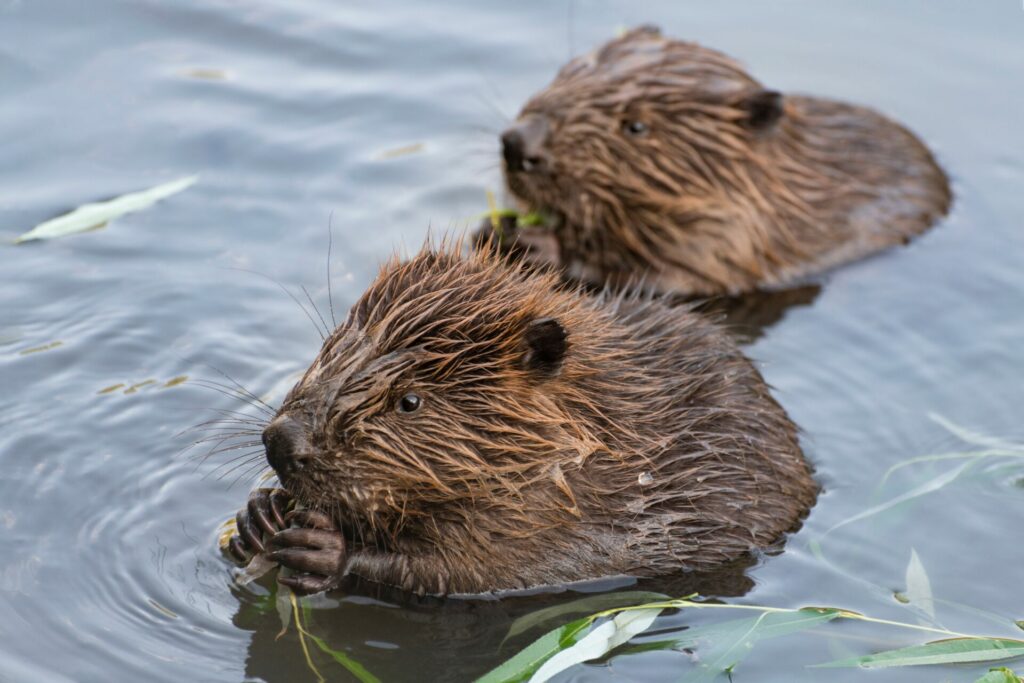
Beavers – extinct in Britain for around 500 years – have recently been reintroduced to the area in a secure site.
The British decision comes as rivers in Ecuador, Canada and New Zealand have been granted legal rights in recent years, frequently designated by the legal term ‘personhood’.
Also, the UK’s House of Lords is considering a proposal by the former leader of the Green Party, Natalie Bennett, to change nature’s legal status from ‘objects’, ‘property’ and ‘resources’ to ‘subjects with inherent rights’.
Jackie Charlton, the Powys County Council’s cabinet member for a greener area, told The Guardian: ‘The River Wye is central to our environment, communities and heritage. By adopting this charter, we are making a clear statement that the river’s health matters and must be protected.
Campaigners say excess nutrients from the rapid expansion of industrial chicken farming in the catchment area –along with sewage spills – have caused algae, fungus and weed growth that has suffocated the ecosystem
‘This is about working together with partners and communities to restore the river and safeguard it for generations to come.’
While much of the 200km long Wye, is protected as a special area of conservation, campaigners say excess nutrients from the rapid expansion of industrial chicken farming in the catchment area –along with sewage spills – have caused algae, fungus and weed growth that has suffocated the ecosystem.

The river is now at the centre of the biggest ever environmental pollution claim to reach the British high court, with more than 4,500 people who live or work near the Wye and the nearby rivers Lugg and Usk have joined a case against Avara Foods, one of the UK’s largest chicken producers, and Dŵr Cymru (Welsh Water), demanding the companies clean up the rivers.
Environmental campaigner Angela Jones said she welcomed the new charter for the River Wye, but ‘the reality is that this river now stands on the cliff edge of ecological collapse’.
She said: ‘The charter is an important and historic statement of intent. What is needed now is urgent action: stronger regulation of intensive poultry operations, meaningful limits on nutrient pollution, proper enforcement against offenders, and a fully funded restoration strategy for the entire catchment.
‘Without immediate intervention, future generations may inherit a biologically dead river instead of the living Wye that so many of us have fought to protect.’