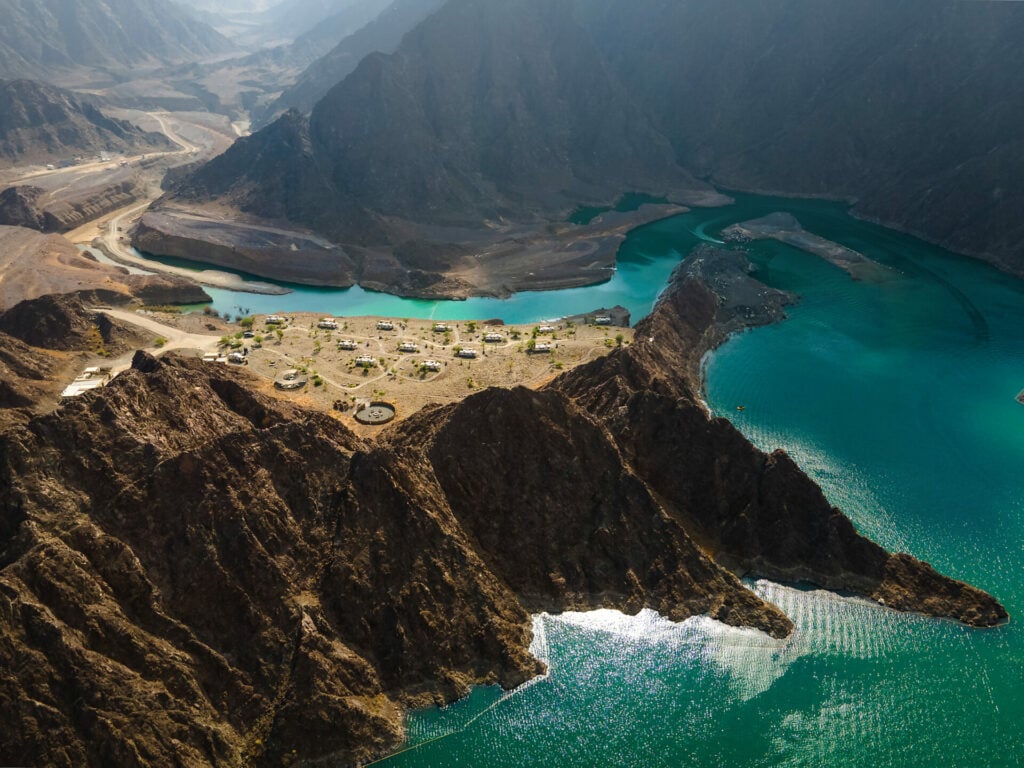
Golf courses haven’t exactly earned a reputation for being environmentally friendly. A typical 18-hole course can cover more than 150 acres, and in hotter climates can consume hundreds of thousands of litres of water every day during peak irrigation periods. Add decades of heavy fertiliser and pesticide use, plus the emissions from intensive maintenance, and it’s easy to see why many question whether the sport has any place in a more sustainable future.
 Teed Off : The Move To Make Golf Greens Greener
 But golf is changing its game. Today, more than 250 golf courses across 40 countries have achieved GEO Certified® status, an internationally recognised benchmark for sustainable golf, while hundreds more are rethinking everything from irrigation systems and turf management to wildlife conservation and renewable energy. Some are irrigated entirely with recycled wastewater, while others have replaced ornamental landscaping with native vegetation, restored wetlands and created habitats for endangered species.
If you’re looking to book a golfing holiday that leaves a lighter footprint, these seven spectacular golf courses deserve a place on your scorecard.
Aqaba, Jordan – Ayla Golf Club
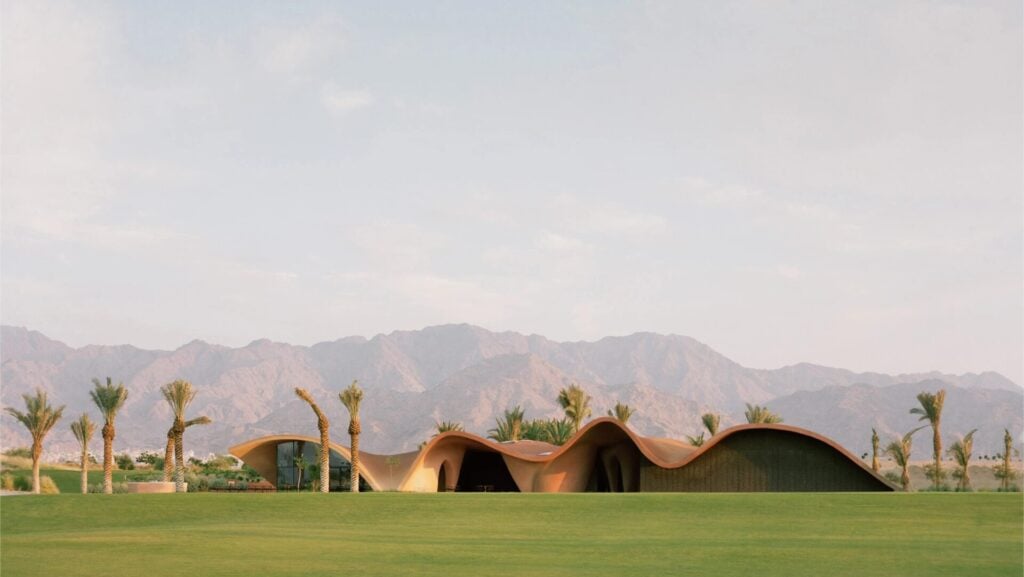
Designing an 18-hole championship golf course in the Jordanian desert sounds, on paper, like an environmental disaster waiting to happen. Instead, Ayla Golf Club has become one of the Middle East’s most impressive examples of sustainable golf.
Designed by Greg Norman, the course is irrigated entirely using treated wastewater, dramatically reducing pressure on precious freshwater resources in one of the world’s driest regions. It powers operations with clean solar energy and features a Bedouin-inspired, wind-cooled clubhouse designed by Oppenheim Architecture. Native drought-resistant plants surround the course, creating habitats for migrating birds and local wildlife. Ayla has consistently been named a global leader in green golf, earning multiple titles, including the Most Sustainable Desert Golf Course Worldwide. Clearly, sustainability here is par for the course.
Singapore – Sentosa Golf Club
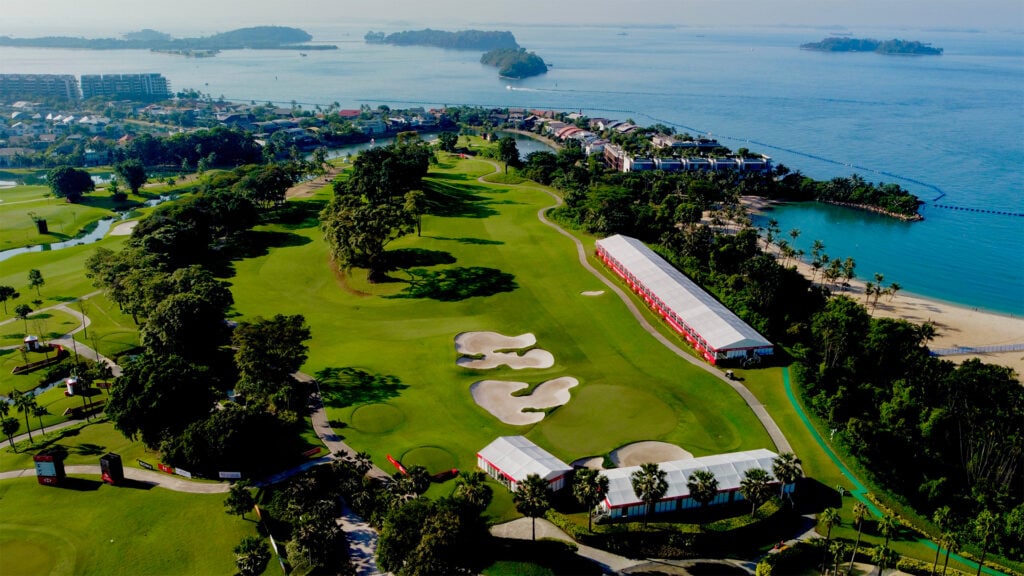
Repeatedly ranked among Asia’s finest golf courses, Sentosa Golf Club has become a global leader in sustainable course management. The club holds GEO Certified® status and was the first golf club to sign the UN Sports for Climate Action Initiative to successfully become carbon neutral.
Globally recognised as one of the world’s most sustainable golf clubs, Sentosa invests in water-saving irrigation systems, reduces chemical use, and implements extensive biodiversity initiatives. The club protects a coastal mangrove habitat on-site, while also monitoring nearby coral ecosystems and creating a refuge for birds, butterflies, and other native species. This is a course that’s every bit as pristine as players expect, without papering over environmental issues with a fresh coat of green paint.
St Andrews, Scotland – St Andrews Links
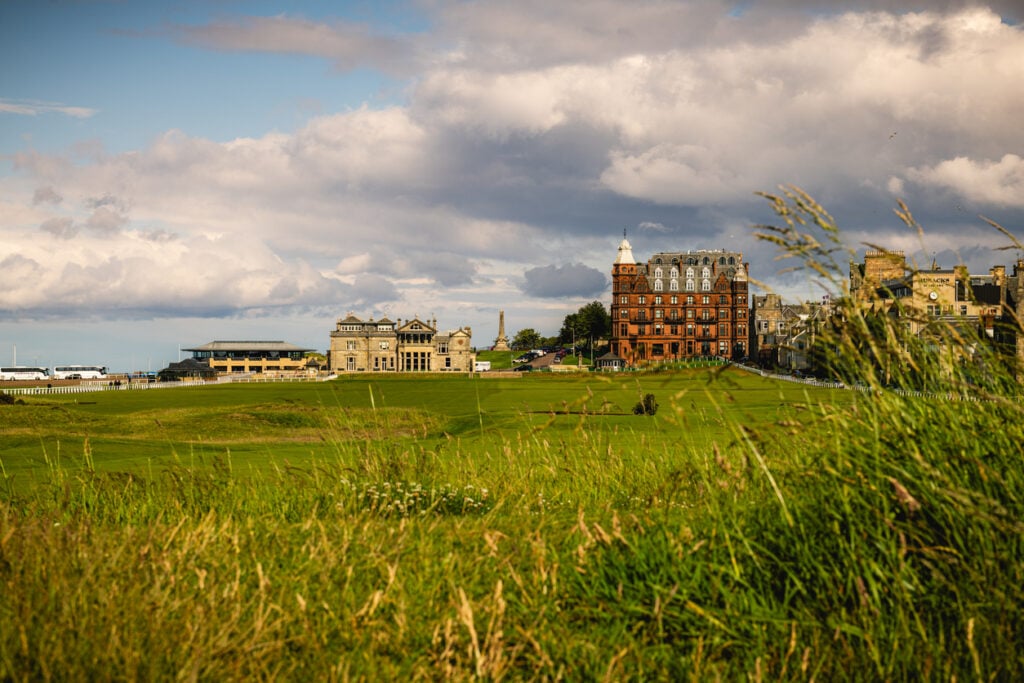
Known as the Home of Golf, St Andrews Links has proven that centuries of sporting heritage and sustainability can share the same fairway. Key Old Course initiatives include using 100 per cent renewable electricity, capturing rainwater for irrigation, and composting 100 per cent of grass cuttings for local residents.
Native dune ecosystems are protected, rough grasslands provide habitats for local species, including native birds and butterflies, and turf management increasingly focuses on reducing pesticide inputs while encouraging naturally adapted grasses. It’s an approach that keeps the landscape wild and the golf still world-class. Not bad for a course that’s been around since long before anyone had heard of a sustainability strategy.
Hawke’s Bay, New Zealand – Cape Kidnappers Golf Course
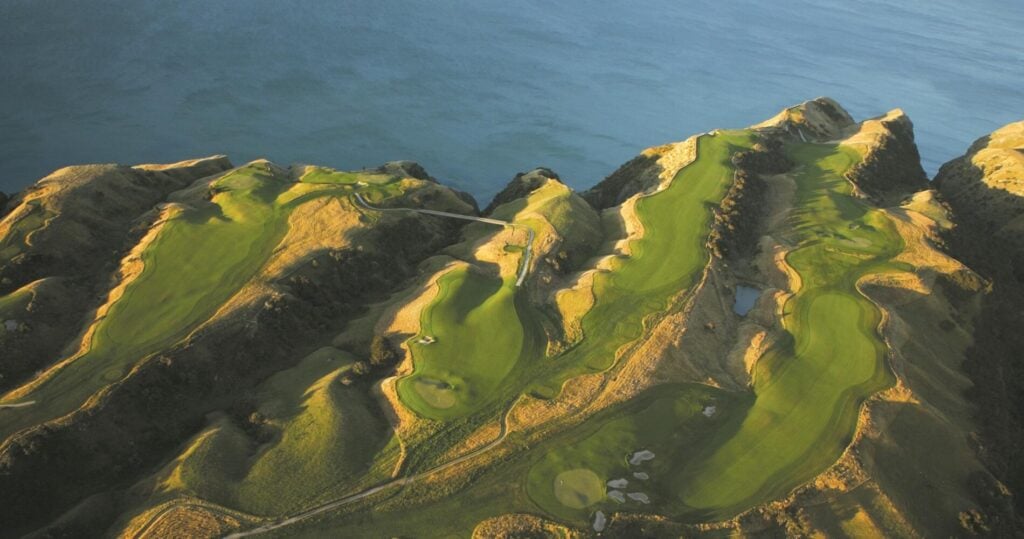
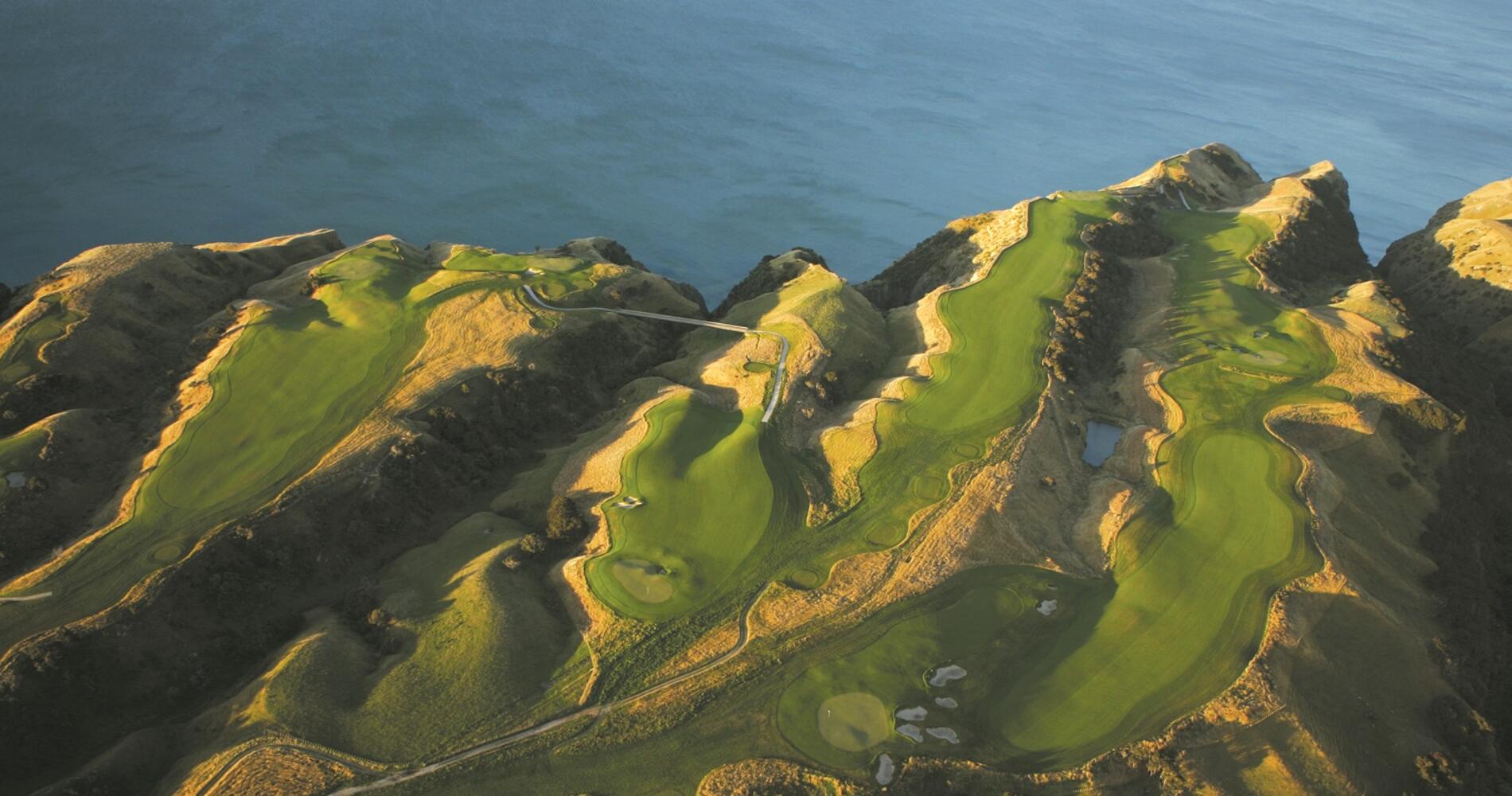
Few golf courses deliver quite the same visual drama as Cape Kidnappers. Perched high above the Pacific Ocean on towering cliffs, the course, which is consistently voted one of the Top 20 courses in the world, looks as though someone carved fairways directly into the edge of the world.
Cape Kidnappers Golf Course operates within a 6,000-acre working sheep and cattle ranch, using a 9.6-kilometre predator-proof fence to protect native flora and endangered species like the kiwi and tīeke. The course is a certified Audubon Cooperative Sanctuary for excellence in environmental planning and wildlife management. It was also named the International winner of the Golf Digest Environmental Leaders in Golf Award. Missing a birdie here might sting, but spotting one of New Zealand’s rarest birds more than softens the blow.
Casares, Spain – Finca Cortesín Golf Club
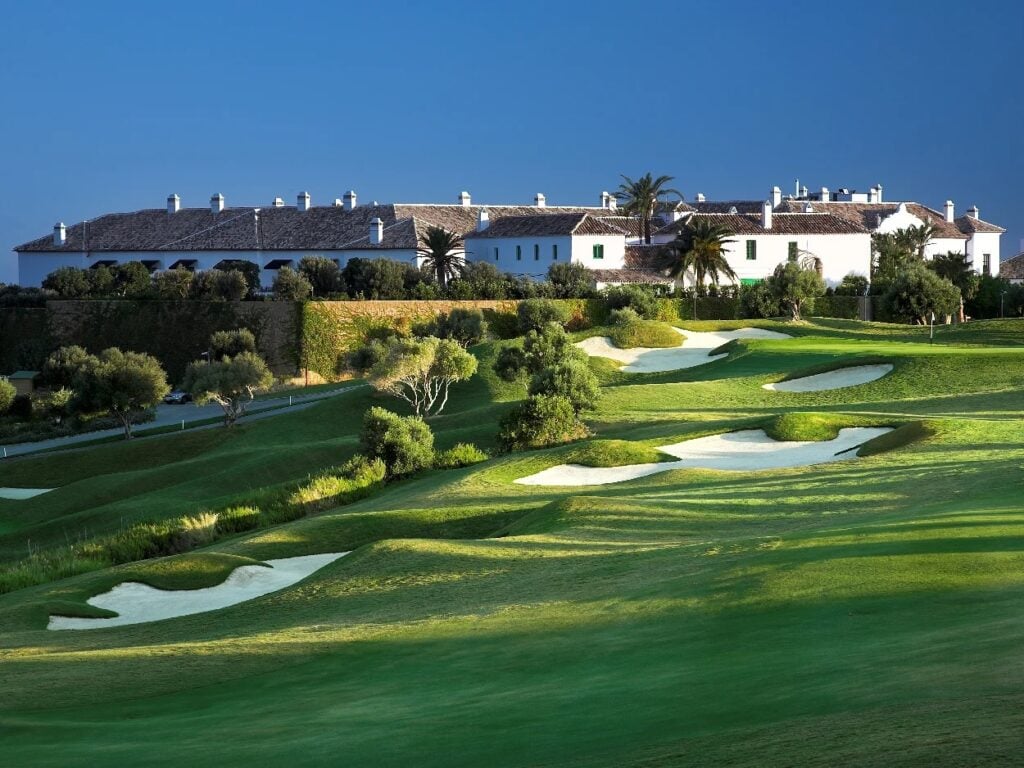
Host venue for the 2023 Solheim Cup, award-winning Finca Cortesín combines immaculate conditioning and a thoughtful approach to environmental management. The GEO-Certified course has invested heavily in water-efficient irrigation technology, using 100 per cent recycled water from the nearby town of Manilva, while integrated pest management reduces dependence on chemical treatments by favouring natural solutions wherever possible.
Native Mediterranean planting, using heat-tolerant Ultra Dwarf Bermuda grass on its greens, replaces unnecessary ornamental landscaping, while supporting local biodiversity and helping the stunning course blend seamlessly into the Andalusian countryside.
Bintan Island, Indonesia – Ria Bintan Golf Club
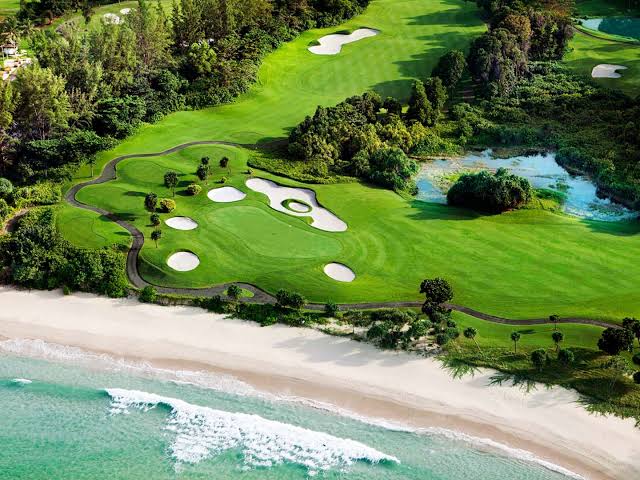
Set between tropical rainforest and the South China Sea, award-winning Ria Bintan offers one of the most spectacular settings in Southeast Asia, and protecting the landscape has become as important as showcasing it.
Environmental management focuses on preserving native forests, safeguarding coastal ecosystems and carefully managing water quality throughout the property. Wildlife monitoring programmes help ensure development doesn’t come at the expense of biodiversity, while sustainable maintenance practices reduce unnecessary chemical inputs. In 2009, Ria Bintan Golf Club became the first course in Indonesia to receive the Certified Audubon International Classic and Cooperative Sanctuary certification for its high standards of environmental stewardship
Melbourne, Australia – Royal Melbourne Golf Club
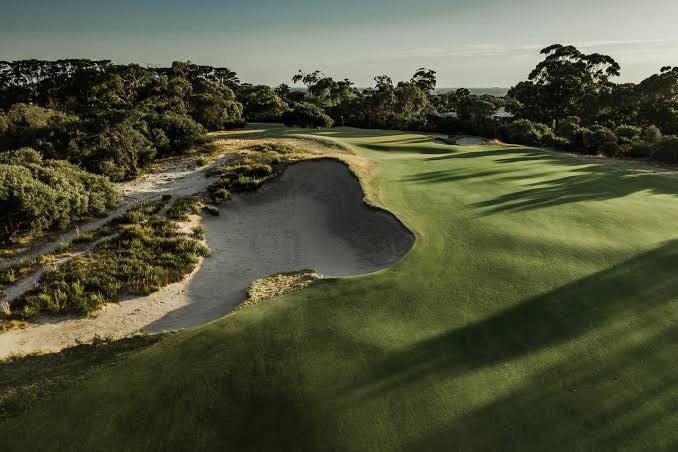
Consistently ranked among the world’s greatest golf courses, Royal Melbourne has long demonstrated that less can often achieve more. Native Australian grasses require significantly less water than imported alternatives, while the famous sandbelt soils naturally provide excellent drainage, reducing irrigation needs. They’ve invested in stormwater harvesting, on-course reservoirs, and integration into the upcoming $72 million South East Water Dingley Recycled Water Scheme to drought-proof its 36 holes.
Indigenous vegetation, such as wildflowers, orchids, and rare plants, has been restored throughout the property, creating habitats for local wildlife while preserving the character of the landscape.
Golf will probably never escape every environmental criticism—and rightly so. Maintaining large areas of managed landscape will always require resources. But the best modern courses are proving that sustainability doesn’t have to remain stuck in the rough. Through recycled water, habitat restoration, native planting and smarter land management, these destinations are showing that golf’s future doesn’t have to come at nature’s expense. Now that’s a hole-in-one worth celebrating.