
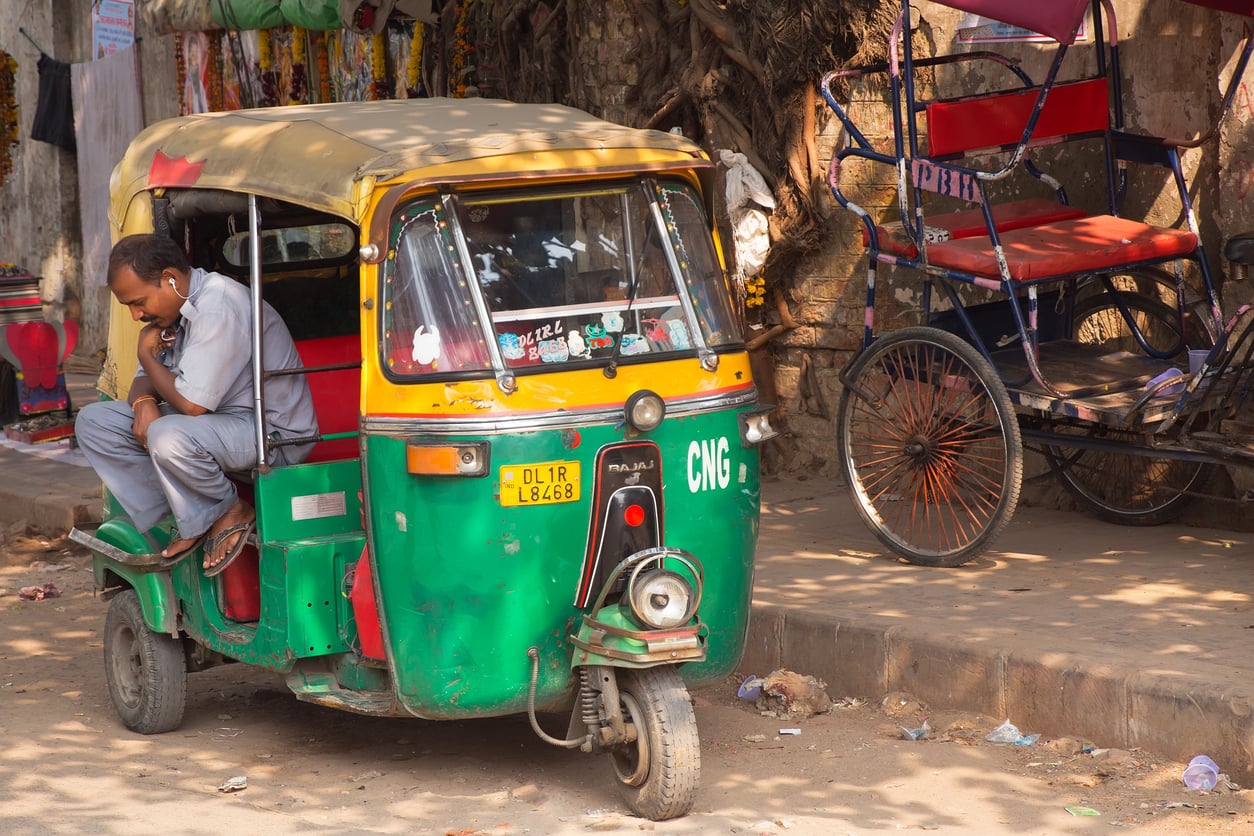
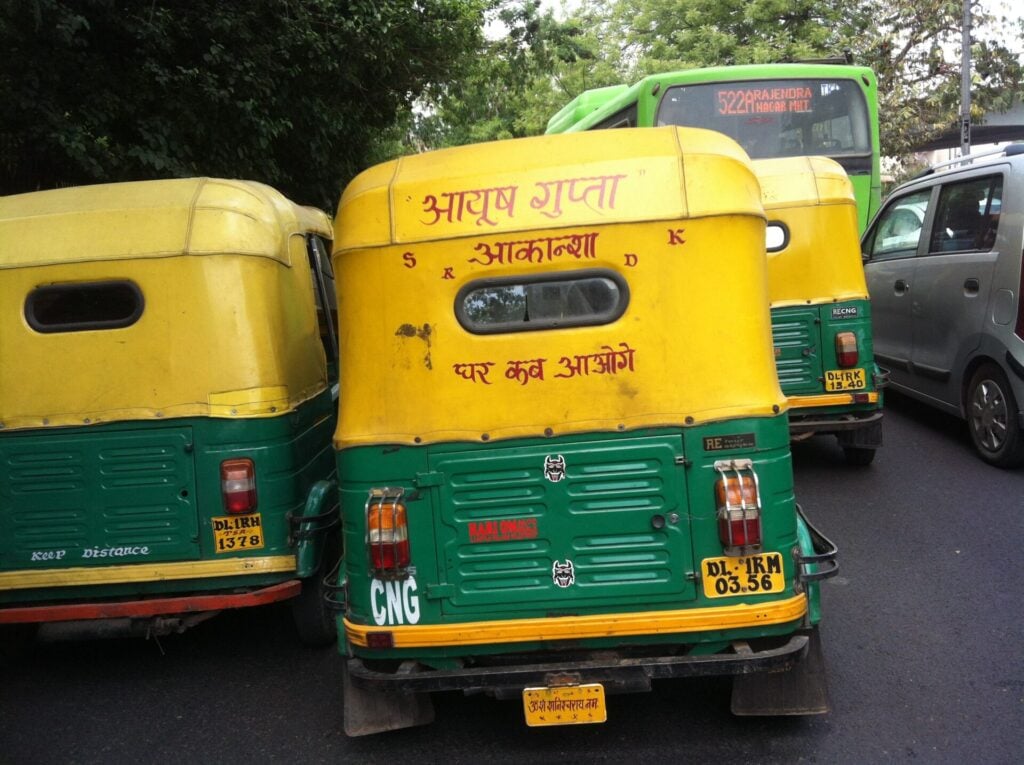
Gas-fuelled and petrol rickshaws, scooters, and motorcycles are set to be banned from the crowded streets of Delhi in a bid to reduce toxic pollution levels across the city.
The policies have been hailed by some environmentalists as a ‘game-changer’ in the fight to bring down emissions which are linked to tens of thousands of deaths each year.
Scooters and petrol rickshaws account for more than two-thirds of the tens of millions of vehicles on Delhi’s roads and account for 23 per cent of pollutants in the air.
Under the new policy, India’s capital will now issue new licence plates only to electric small trucks and three-wheelers, known as e-rickshaws, from 2027, and to e-scooters and electric motorbikes from 2028.
The Delhi government said it hoped the move would lead to an electrification of at least 30 per cent of the capital’s vehicle fleet by 2030.
‘The policy focuses on pure EVs, which offer superior environmental benefits as zero-emission vehicles,’ Delhi’s government said in a statement when announcing the new ruling.
Amit Bhatt, the Managing Director or the International Council on Clean Transportation, said: ‘The proposed phase-out of two- and three-wheelers could be a game-changer in Delhi’s fight against air pollution.
‘Accelerating their transition to zero-emission vehicles can significantly reduce vehicular emissions, improve public health, and pave the way for a broader transition to zero-emission transport across all vehicle segments.’
The Delhi state government, run by the Bharatiya Janata Party (BJP), which also governs at national level, had faced significant criticism and numerous protests during the winter after it was accused of doing nothing to tackle dangerously high pollution levels.
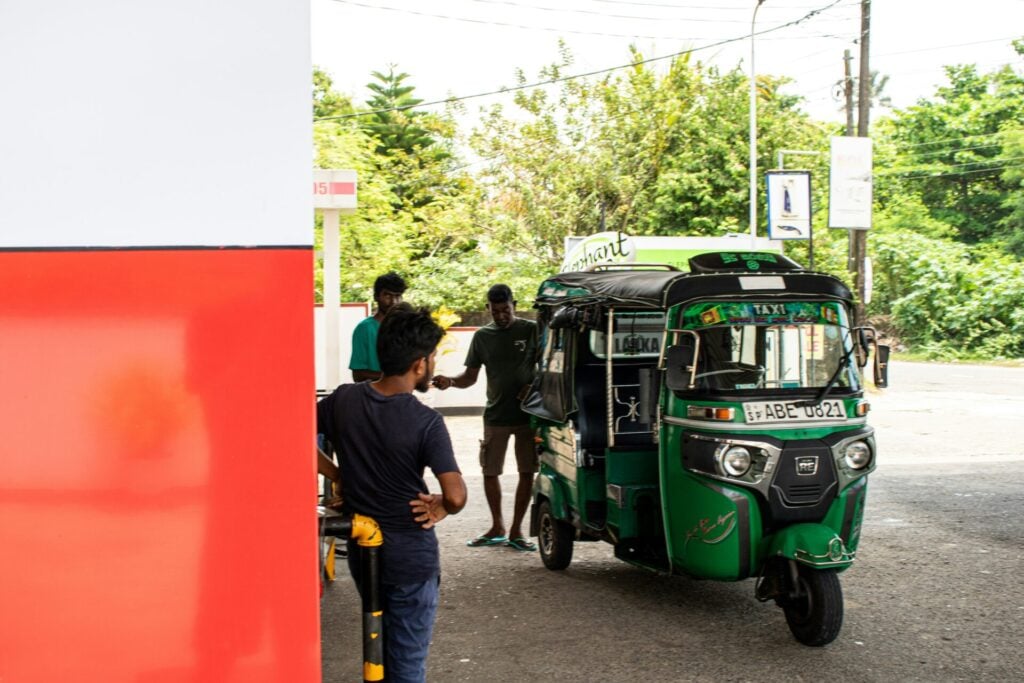
E-rickshaws have become an increasingly familiar site on Delhi’s roads over the past two years, but the lack of charging points has made drivers reluctant to switch over. Under the new policy, the government has pledged to establish more than 30,000 public charging points across the capital.
The policy also introduced significant road and vehicle tax exemptions for people buying new electric cars, in an attempt to incentivise drivers to switch over by choice.
Environmental campaigner Bhavreen Kandhari said the government should also commit to expanding green public transport in the city. Delhi has a substantial metro system, but has a lack of connectivity, which keeps people reliant on flagging down petrol rickshaws between their homes and metro and bus stops.
‘More cars on the road is not a solution,’ said Kandhari. ‘To reduce traffic jams and dust in the city, the government should work on improving public transport and last-mile connectivity with green solutions. This EV policy falls short on that aspect.’