Think your dram can’t be sustainable? One Speyside distillery begs to differ. Here, in the heart of Scotland’s famed distilling region sits The Macallan Estate, 485 acres of land that produces one of the world’s most celebrated single malts. But beyond the amber spirit tourists flock to swirl in tulip glasses, lies an impressive back story: rewilding, regenerative farming, and restoring the land to what it may have looked like two centuries ago, when The Macallan first began its journey.
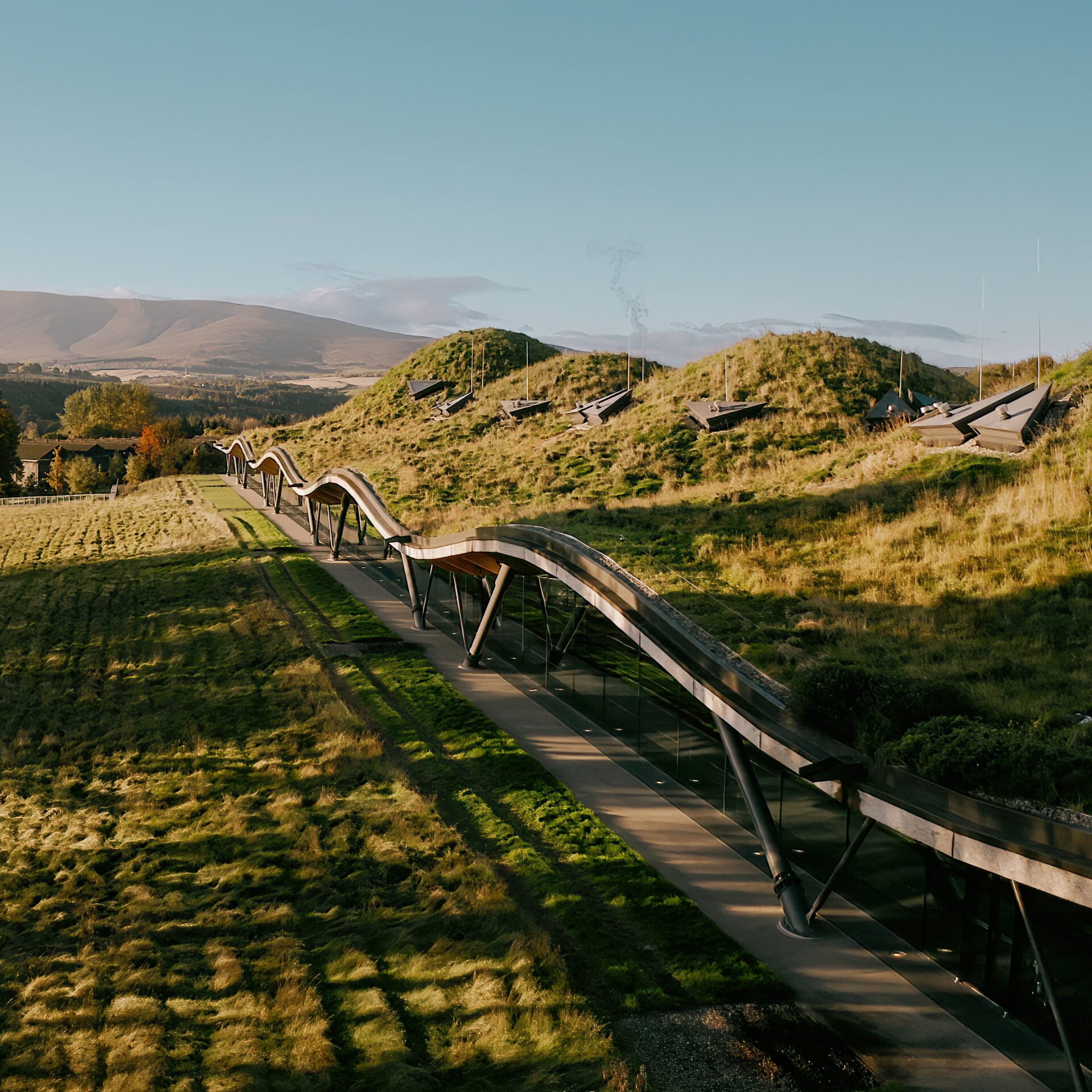
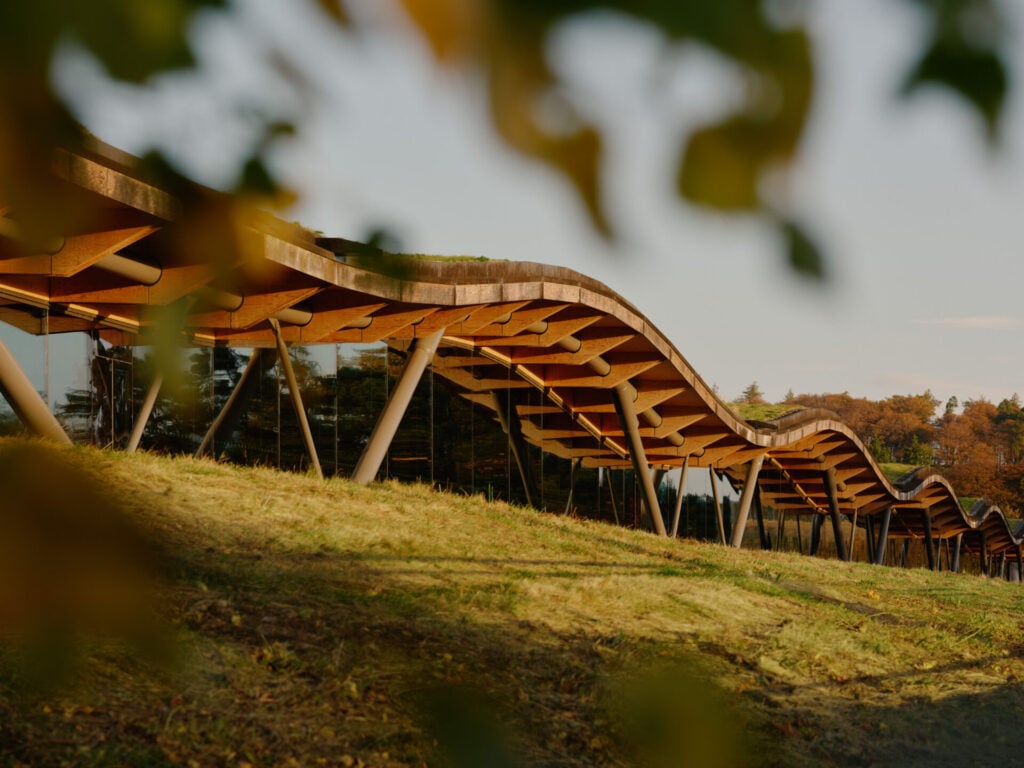
Guests to the award-winning estate are not met with industrial blocks typical of the area, instead, the Macallan’s £140 million (AED 700m) distillery sits subtly and stylishly in its Speyside surroundings. An undulating green roof, designed by Rogers Stirk Harbour + Partners, the same practice behind London’s Lloyd’s building, Heathrow Terminal 5 and Madrid’s Barajas Airport, means the distillery rises like something out of a sci-fi meadow, seeded with native grasses and wildflowers. From across the River Spey, it barely registers at all. And that’s entirely the point.
Take the River Spey, which cools The Macallan’s stills. The estate draws water from nearby boreholes and returns it clean, while supporting its 1.5-mile stretch of river into a model for catch-and-release salmon fishing that’s part of a broader river restoration plan (open to visiting anglers by prior arrangement). Historically farmland once stripped the banks bare, but now new native trees line the edges, cooling the water and recreating the shaded habitats salmon – and yes, even otters, which The Macallan is also working to bring back – need to thrive.
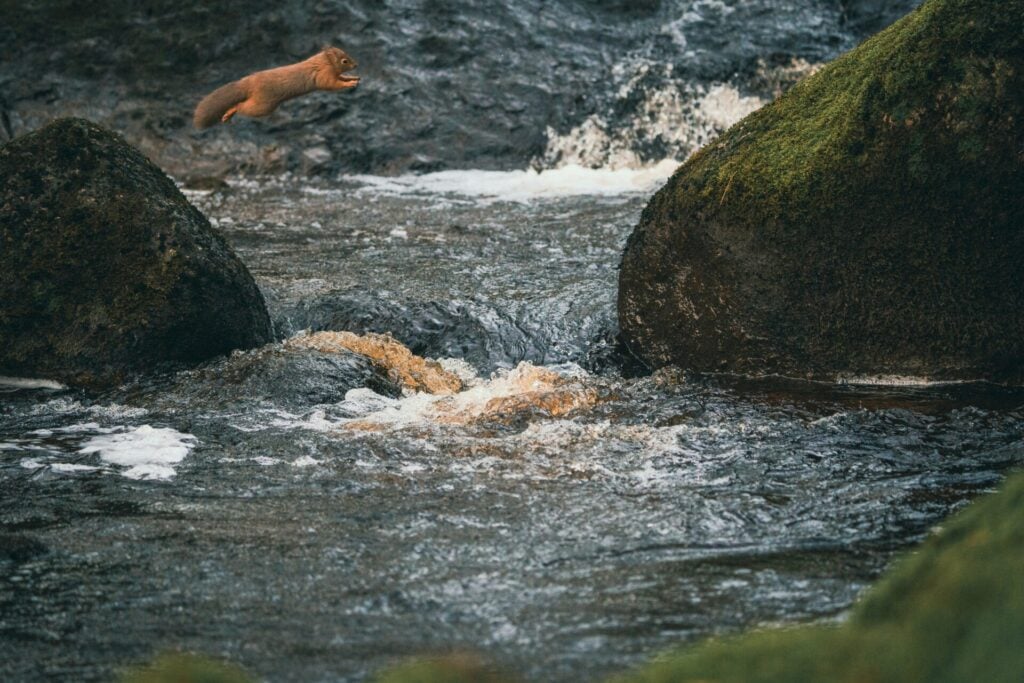
But it’s not just the salmon and otters winning. For guests taking a guided walk through the landscape, it’s as much a distillery as a living, breathing wildlife corridor. Since stopping routine grass-cutting in 2021, The Macallan has swapped 20 acres of manicured lawns for thousands of meters of hedges and wildflower strips that pollinators adore. Now meadow brown butterflies drift through meadows, yellowhammers flit along the new borders, skylarks have returned to breed, and the estate is so thick with red squirrels that as the estate manager Charles Jamieson emphatically puts it: ‘if you stand for 20 minutes and don’t see one, something’s wrong.’
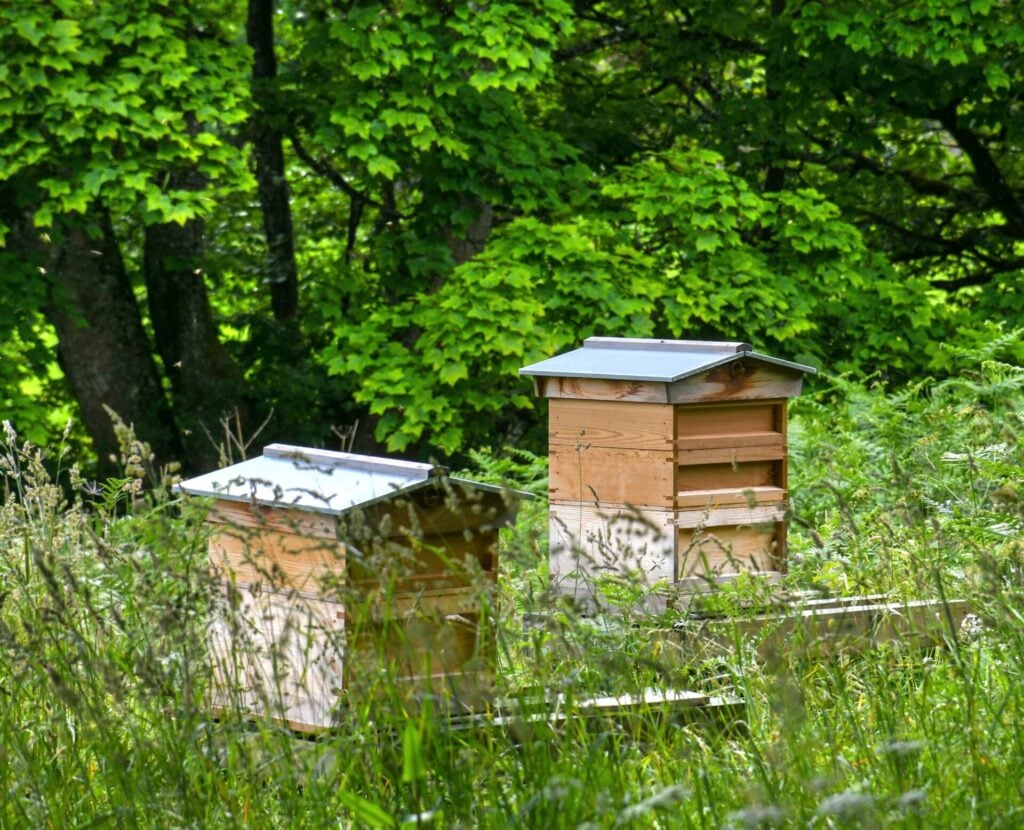
As for the bees, eight hives, managed by volunteer staff trained up as beekeepers, produce a hyper-local honey so coveted they had to limit it to one jar per employee this spring. Now proceeds go to local charities, and chefs on site swirl it into drinks or desserts that vanish almost as quickly.
The farmland’s also in full experiment mode. On 120 acres of barley fields – a tiny fraction of Macallan’s needs, but symbolically huge – they’ve gone all in on regenerative practices. That means nitrogen-fixing cover crops, minimal soil disturbance, rotating sheep to naturally ‘terminate’ the crops, and a total stop on pesticides and herbicides. Yields have dropped, but biodiversity has soared. ‘We’re distillers, not farmers,’ Charles tells me on the estate tour. ‘So we can take more risks. It’s about proving it’s possible.’
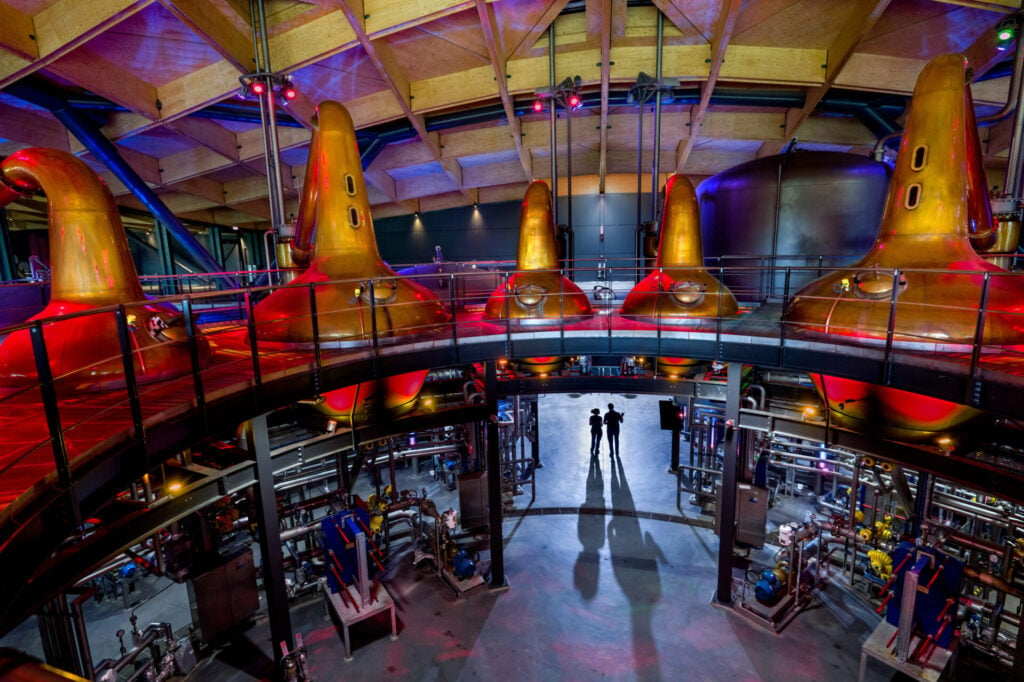
Inside there’s a similar tale of sustainability told. Travellers taking part in the guest experience can expect to see the famed ‘curiously small’ copper stills – vessels used in the distillation process – gleam in a space that feels more modern gallery than factory. Glass walls that look out onto undulating Speyside hills flood everything with light. It’s cutting-edge design and engineering driven by an old-world idea that if you treat the land well, the land will keep treating you.
On the interactive experience you’ll learn that every oak tree used to craft The Macallan’s casks is carefully selected from sustainably managed forests in Spain or the Appalachian region of the U.S. Once felled, the wood is seasoned with sherry in Spain before being hand-coopered into barrels. Even the stills, which are powered by a biomass plant down the road, with additional electricity from solar panels on top of the estate, are hand-hammered by local coppersmiths, that’s both heritage and helps cut carbon-heavy shipping. Impressively, the entire production happens on-site: every drop of The Macallan is made here, in Speyside.
Before sitting down to dine, guests have the option to visit The Macallan Bar where they can sample some of the estate’s expressions in some impressively sleek surroundings. The contemporary design is a far cry from traditional oak-panelled tasting rooms, and the lineup is just as impressive. While different outings vary, here you can expect to choose from the widest choice in the world of The Macallan.
Culinary guests to TimeSpirit restaurant are in for a surprise, too. The estate’s open-kitchen restaurant serves a seasonal tasting menu sourced with some ingredients from its own kitchen garden – think rhubarb, herbs, brassicas and berries grown just steps away. Dishes such as zero-waste pear and celeriac rolls, dram-infused barley bread with smoked butter, and rare cask-paired mains like roasted cabbage with mustard and shallot. While not always the case, on my visit the meal ends with a pour of The Macallan’s 25-year-old in the Cave Privée, capping off the evening just perfectly.
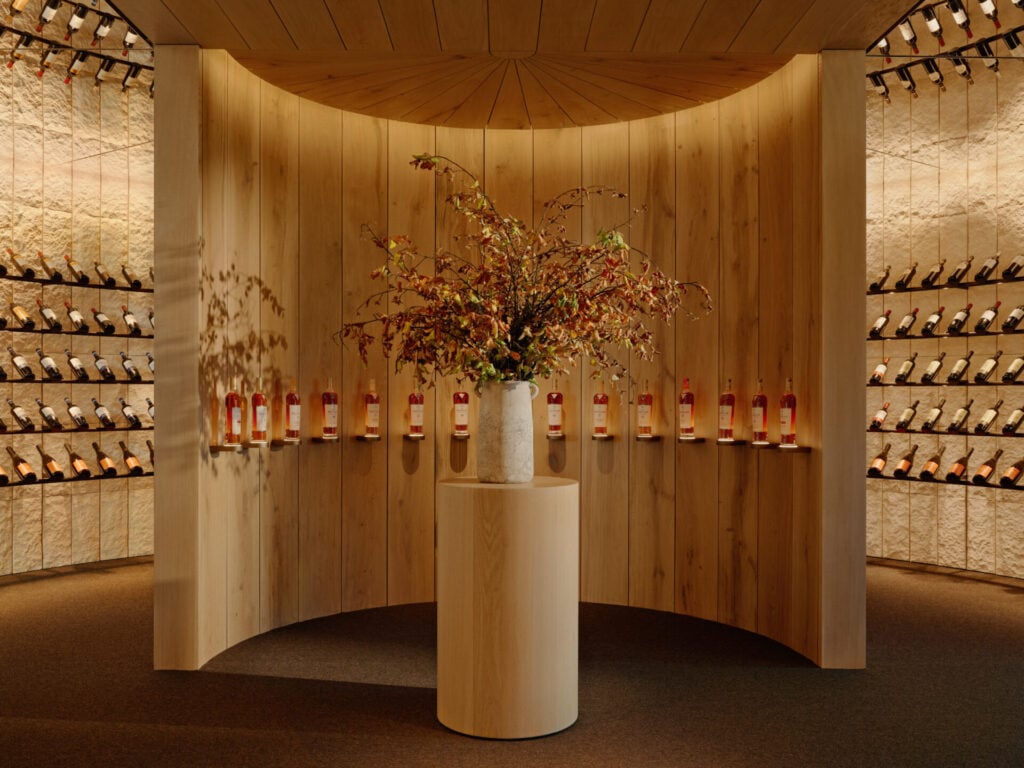
At the end of the experience, guests can enjoy a spot of retail therapy and maybe even take home a slice of The Macallan history. Feeling flush? You could spring for the world’s most expensive liquid gold bottles: a Lalique decanter that once sold for over $600,000 (AED 2.2 m) But before you spill your Glencairn glass in shock, every dollar went to the charity WaterAid.
Because The Macallan could rest on its laurels and keep crafting sought-after spirits but instead, it’s replanting riverbanks, tracking otters on hidden wildlife cams, and ensuring that future travellers can explore the same wild, heritage-rich landscapes of their predecessors. That’s not just a good single malt story; it’s the kind of eco-luxury we need.