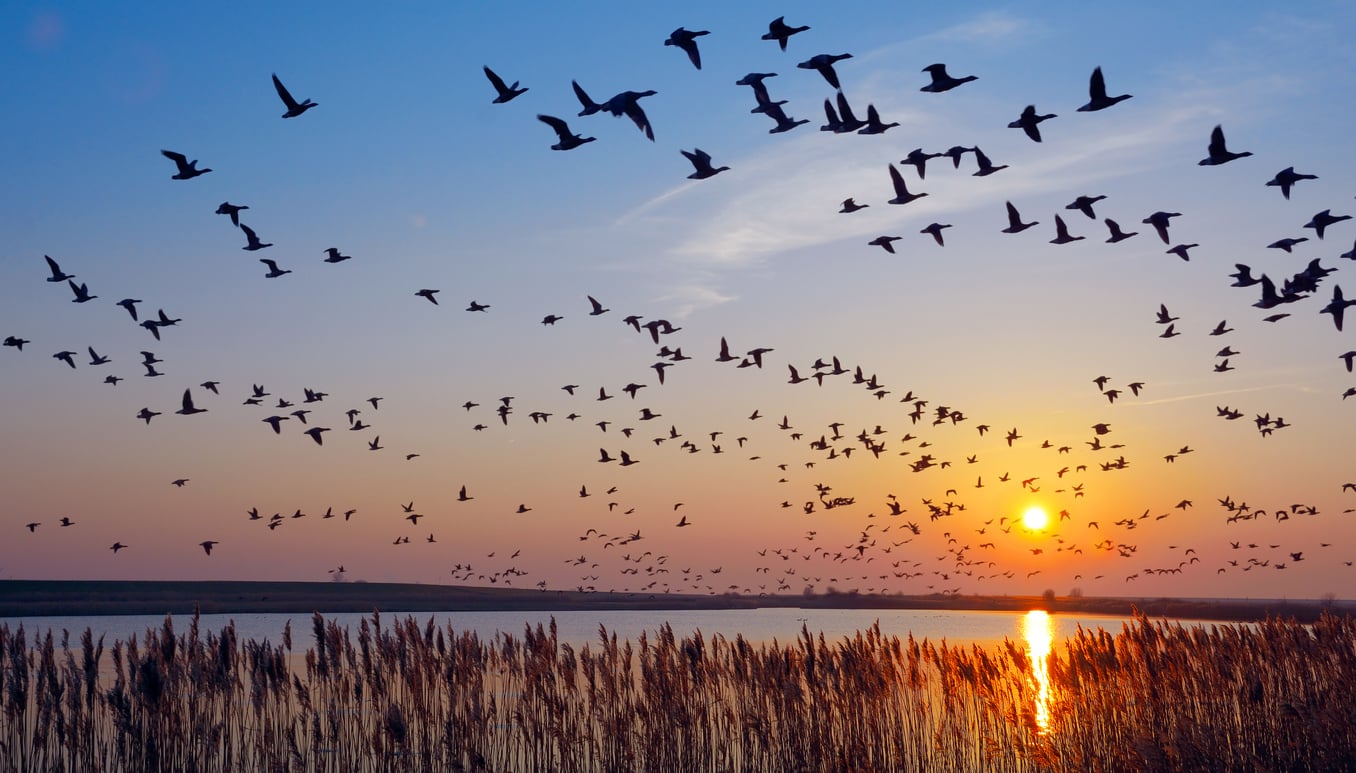
One in nine species of migrating birds are threatened with extinction and 45 per cent are in decline due to intensive farming, hunting for food, pollution, invasive species and the climate crisis.
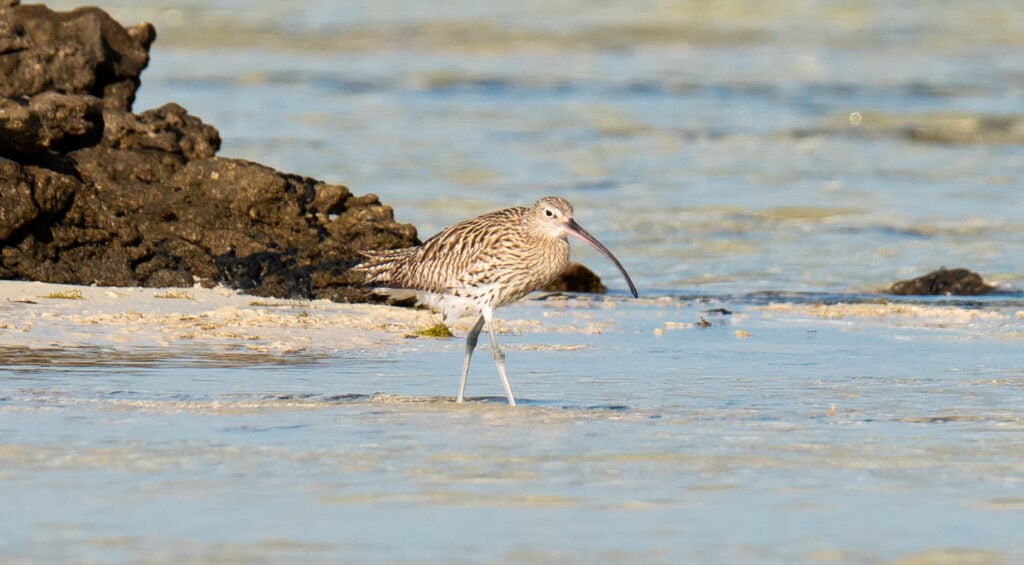
The State of the World’s Birds report stated the migratory slender-billed curlew was officially declared extinct last year, the first global bird extinction in mainland Eurasia and Africa in centuries.
Worldwide, seven migratory bird species have been confirmed or are suspected to have become extinct over the last 150 years.
Seabirds and shorebirds, which depend upon marine habitats and coastal wetlands, are most at risk, according to the analysis, put together every four years by BirdLife International.
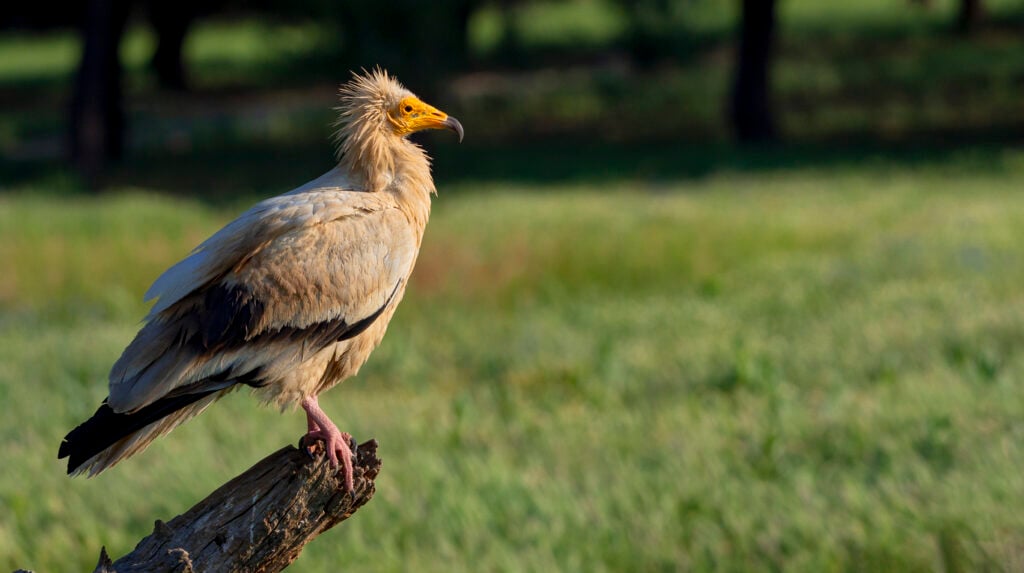
Among those most at risk are the Egyptian vulture, European bee eater, northern bald ibis, Kirtland’s warbler and the yellow-breasted bunting.
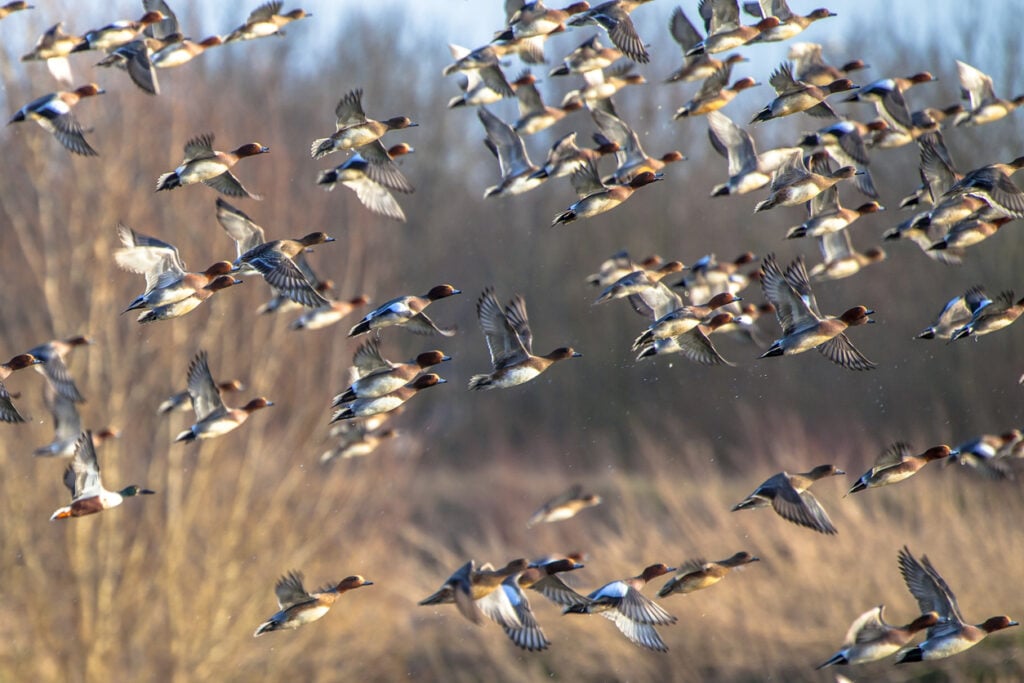
Every year, billions of birds migrate vast distances across the globe to take advantage of seasonally changing resources. The routes they use are called ‘flyways’ – avian super-highways in the skies.
An estimated 13.1 million to 42.7 million migratory birds are illegally killed every year in Europe, the Mediterranean, the Caucasus and the Middle East.
Invasive species, such as rodents sometimes accidentally introduced on to small islands where seabirds breed, also threaten migratory birds and scientific monitoring over the past decade has found that 58 per cent of 1,099 key biodiversity areas for migratory birds are in poor condition.
Four major flyway systems have been identified for migratory landbirds and waterbirds, and a further six for seabirds, according to the report.
Between them, these flyways contain the majority of migratory bird movements, encompassing breeding and non-breeding areas as well as the network of sites used to rest and feed during migration.
Stuart Butchart, the BirdLife chief scientist, said: ‘Migratory birds are sentinels, and their declines reveal growing pressure on the natural systems that sustain us. But the science is equally clear: conservation works, with coordinated action preventing extinctions and helping populations recover. The solutions exist: what is needed now is their implementation at flyway scale.’
The report was published at the Global Flyways summit in Nairobi, Kenya, where governments, scientists, conservation NGOs and financial institutions committed to increase efforts to protect migratory birds.
It stated: ‘Healthy forests, grasslands, wetlands, coasts and oceans store large amounts of carbon, helping to slow climate change and arrest wider biodiversity loss. They provide clean water, food, jobs, and other benefits that support communities and local economies.’

The Nairobi Flyways Declaration, which was reached with the backing of environment group Nature Kenya, comes with three development banks integrating flyway conservation into their lending frameworks, providing more than $6bn (AED22bn) for habitat protection and restoration.
Funding Vital Ecosystems
Outlined at the summit were plans by the Asian Development Bank to free $3bn over the next decade to protect 50 priority wetlands across the east Asian-Australasian flyway, with the funds also supporting nearly 200 million people who depend on these ecosystems.
The Development Bank of Latin America and the Caribbean is allocating a sum in excess of $3bn up to 2050 to safeguard more than 30 landscapes and seascapes.
The World Bank also promised to fund supporting flyways across Africa, Europe and Asia used by more than two billion migratory birds.
Other recent measures to protect migratory species include the eradication of non-native rabbits, cats, rodents from Australia’s Macquarie Island, an important site for breeding seabirds. This has led to a resurgence in populations including the blue petrel, grey petrel, white-headed petrel and the Antarctic prion.
In China, an ambitious countrywide programme to remove smooth cordgrass, a North American grass introduced in 1979 to stabilise coastal mudflats for development, has restored 37,553 hectares in its first year, opening up vital food-rich mudflats to shorebirds again.
In Britain, the restoration of wetlands on agricultural land threatened by coastal erosion at Wallasea Island, Essex, has led to peaks of more than 32,000 waterbirds returning to the site, including 11,270 red knots.
Hisako, Princess Takamado of Japan, the honorary president of BirdLife International, said: ‘Migratory birds do not recognise borders. They connect Asia to Africa, the Arctic to the tropics.
‘The Nairobi Flyways Declaration acknowledges this reality – that it needs international cooperation and coordination to keep migratory birds safe. I am excited and proud to see that the scientific community, conservation organisations and the financial sector are uniting to make this happen.
‘We stand at an important turning point. We have been waiting for this moment for a long time.’