The sample looks right, and the fabric feels right, but then the quote lands, and the minimum is more than the label could sell in a season. A lot of small sustainable fashion brands stall right there. Others push on and order far more than they need, which creates a problem of its own: garments made, paid for, and never worn.
What the minimum is actually counting
A minimum order quantity is rarely a single number. It might apply to the whole order, to each style, or to each colour, and the gap between those is wide. Three styles in two colours could be six minimums or one. Work out which one you’re being quoted before you put two quotes side by side, because quotes that look comparable often aren’t.
Fabric is often one of the biggest factors determining how much clothing a brand needs to produce. Textile manufacturers typically sell fabric in minimum quantities, particularly when it needs to be dyed to a specific colour. For a small sustainable fashion brand, this can mean having to purchase far more material than is actually needed
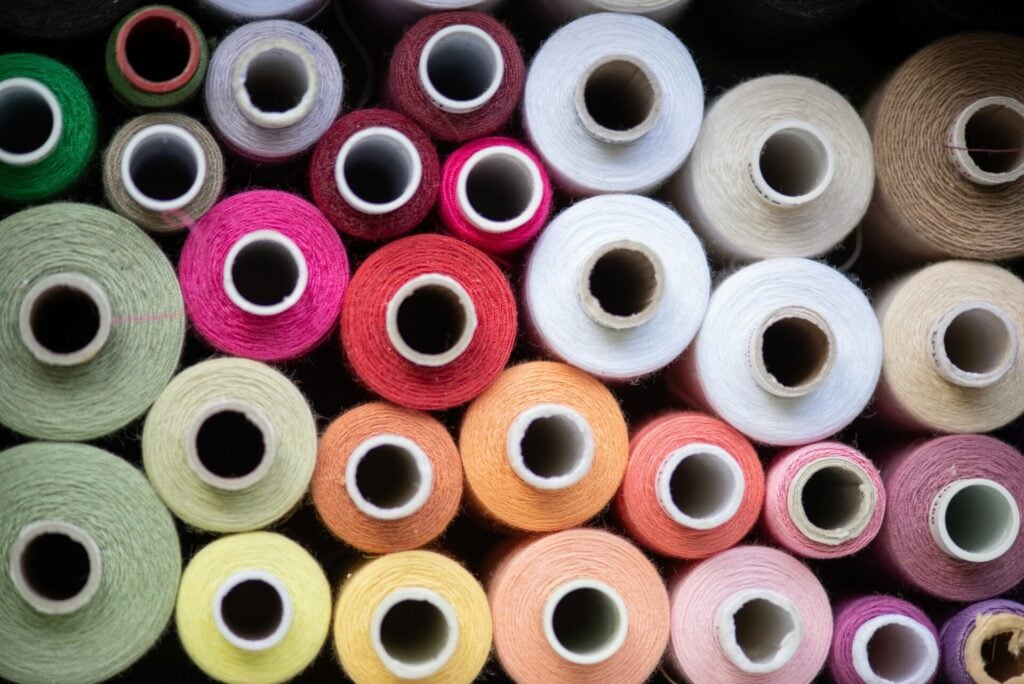
One way around this is to choose fabric that’s already been manufactured and dyed, rather than commissioning something new. Although the choice of colours may be more limited, it’s often a more affordable and sustainable option, helping brands keep their initial production runs small while reducing the risk of excess fabric going to waste.
It’s worth knowing how the cloth is sold, too. Knitted fabric for tees and sweatshirts is traded by weight, woven fabric for shirts and trousers by the metre, and somewhere in your quote the garment count is being converted into one of those. Ask to see the working: kilos or metres per piece, the cutting loss they allow for, and what it all comes to at your quantity. A factory that knows its numbers will show you. One that’s quoting a round figure it likes will change the subject.
If a supplier requires you to order 500 customised labels but you’re only planning to produce 200 garments, you could end up paying for hundreds of labels you don’t need or feeling pressured to manufacture more clothing than you can realistically sell
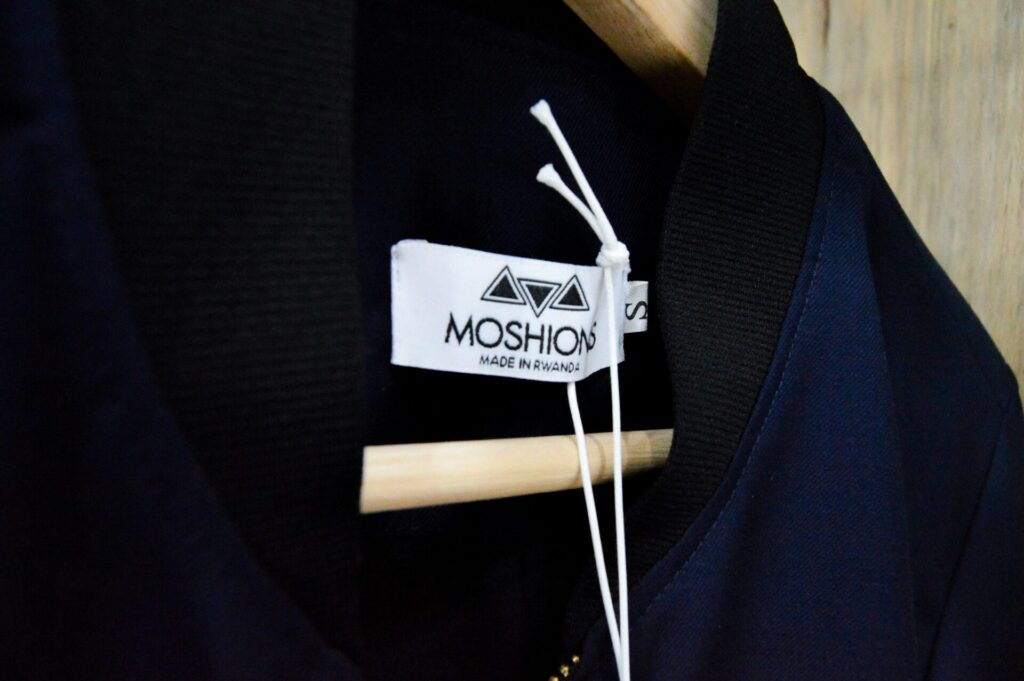
Don’t overlook the smaller details, either. Items such as woven labels, zips, buttons and hang tags often come with their own minimum order quantities, which may not become apparent until later in the production process. For example, if a supplier requires you to order 500 customised labels but you’re only planning to produce 200 garments, you could end up paying for hundreds of labels you don’t need or feeling pressured to manufacture more clothing than you can realistically sell.
Narrow the first order
One of the easiest ways to avoid overproduction is to start with a smaller, more focused collection. Rather than launching several designs in multiple colours, consider using the same fabric across a few styles and limiting your colour choices to two or three. This makes manufacturing simpler, keeps costs manageable and reduces the risk of being left with piles of unsold clothing.
It’s also worth thinking carefully about sizing. Ordering equal quantities of every size might seem sensible, but some sizes are likely to sell faster than others. Ask your manufacturer for guidance based on what they’ve seen other small fashion brands sell, and adjust your order accordingly.
Producing smaller quantities will usually mean paying more per garment, as manufacturers still have to cover the costs of creating patterns, preparing machinery and producing samples. However, ordering hundreds of additional pieces simply to secure a lower price per item can be a costly mistake, both financially and environmentally.
Ultimately, as a sustainable fashion brand, it’s better to pay slightly more for clothes that actually sell than to save money on manufacturing only to end up with unwanted stock. Once you understand which designs, colours and sizes your customers prefer, you can increase production with greater confidence.
Terms you can see before you ask
Some manufacturers put their terms out in the open. Renrui Textile, for example, has a page for low-minimum clothing orders where a new label can see what a small order involves before sending an enquiry. That saves a round of emails, and it says something about how a factory treats young sustainable fashion brands.
Printed wrong, the fix is unpicking and re-sewing by hand, one garment at a time. Settle the wording before the labels are made, then ask the factory what they’ve seen go wrong, because they will have seen plenty.
Plenty of factories are built for volume and are very good at it. They’re just not the right partner for a first run, and their own website will tell you that faster than three weeks of emails.
What to send in the first message
For a sustainable fashion brand approaching a manufacturer for the first time, a clear and detailed brief can help avoid costly misunderstandings and unnecessary waste. Send a sketch or a tech pack, the fabric you have in mind or a swatch of something close, the quantity range you’re considering rather than one number, and the date you’d like stock by. Say what you can’t compromise on, whether that’s a fibre, a fit or a price, and where there’s room to move. Specific messages get specific quotes. Vague ones come back vague, which tells you nothing and costs you a fortnight.
Mention that it’s a first run. Factories quote differently, and flag different things, once they know a brand is new. You’re more likely to hear about the pitfalls before they cost you money.
The details that cost you later
Labelling catches new brands out more than anything else. Most markets want fibre content and care instructions on the garment, and the rules differ between the EU, the UK and the US. Printed wrong, the fix is unpicking and re-sewing by hand, one garment at a time. Settle the wording before the labels are made, then ask the factory what they’ve seen go wrong, because they will have seen plenty.
Packaging and shipping want the same early attention. Polybags, cartons and barcodes are small line items that add days when nobody owns them, and freight from an overseas factory is slower than most founders expect. Work back from the date you want stock in your hands, add a buffer, then add another one for the sample rounds.
What Every Sustainable Fashion Brand Should Check Before Paying a Deposit
For anyone launching a sustainable fashion brand, getting the sampling process right is essential to avoiding costly mistakes and unnecessary waste. Plan on two samples. The first settles fit. The second shows how the garment behaves in the fabric you’ll actually produce in, which isn’t always the cloth the first sample was cut from. Tell the factory you expect two rounds from the start. A label that budgets for one and needs two ends up rushing the second approval, and rushed approvals are where the expensive mistakes get made.
Find out how payment is split, and what happens if the bulk doesn’t match the approved sample. A deposit up front and the balance before shipping is normal. The protection is in the wording: who decides whether the sample was matched, and what the factory does if it wasn’t.
Get the minimum in writing, along with what it applies to, and ask whether the sample fee comes off the first order. Ask who owns the fabric left over from your cut, since that decides where the waste ends up. Then ask what a repeat order looks like. A second order is where a small label either grows or quietly stops.