When parents think about braces, they often picture teenagers with metal brackets and freshly straightened smiles. However, some of the most important orthodontic decisions happen years earlier, while a child’s teeth and jaws are still developing. An early evaluation can help identify bite problems, crowding, and unusual jaw growth before they become more complicated.
Although not every child needs treatment before adolescence, understanding the early signs gives parents an opportunity to make informed decisions about their child’s dental development.
Orthodontic Care Is About More Than Straight Teeth
A straight smile may be the most visible result of orthodontic treatment, but appearance is only part of the picture. Orthodontists also assess how the upper and lower teeth meet, how the jaws align, and whether the teeth have enough room to develop properly.
Problems such as crossbites, significant crowding, protruding front teeth, and jaw imbalances can affect more than appearance. Depending on the condition, they may make biting and chewing uncomfortable, complicate oral hygiene, or increase the risk of injury to prominent teeth.

Certain habits can also influence dental development. Persistent thumb-sucking, unusual swallowing patterns, and chronic mouth breathing may deserve further assessment, particularly when accompanied by other concerns. However, these signs do not automatically mean a child needs braces. A qualified professional must evaluate the underlying cause before recommending treatment.
The purpose of an early assessment is to understand how a child’s mouth is developing and determine whether intervention would be beneficial. Sometimes, the best recommendation is simply to monitor progress.
Understanding the Role of Early Orthodontic Treatment
Early orthodontic treatment for kids focuses on identifying and addressing selected orthodontic problems while a child’s teeth and jaws are still developing. Depending on the diagnosis, treatment may involve an appliance that guides jaw development, creates additional space, or helps correct a problematic bite.
The objective is not to give every child braces at an early age. Instead, treatment aims to address specific concerns when doing so may offer an advantage over waiting.
Many parents assume they should wait until all their child’s permanent teeth have emerged before considering orthodontic care. In reality around age seven, many children have enough permanent teeth to identify certain developing bite and jaw problems
For example, some children with a crossbite may benefit from early correction, while others with developing crowding may only need observation until more permanent teeth emerge. The appropriate approach depends on the clinical findings rather than age alone.
Parents should also understand that early treatment does not guarantee their child will avoid braces during the teenage years. Some children need a second phase of treatment to align their permanent teeth once most have erupted. Early intervention may make later treatment more manageable, but it cannot eliminate every future orthodontic concern.
Why an Early Evaluation Can Make a Difference
Many parents assume they should wait until all their child’s permanent teeth have emerged before considering orthodontic care. In reality, an initial evaluation can be useful while baby teeth and permanent teeth are still present.
Around age seven, many children have enough permanent teeth for an orthodontist to identify certain developing bite and jaw problems. An early examination may reveal crowding, unusual eruption patterns, or differences in jaw alignment that are difficult to recognise at home.

Importantly, an evaluation does not mean treatment must begin immediately. Some children need no intervention, while others benefit from periodic monitoring as their teeth develop. Early identification simply gives families more time to understand their options.
When a developing problem is suitable for early intervention, addressing it at the appropriate stage may help guide jaw growth, create room for emerging teeth, or reduce the severity of a bite problem. The potential benefit depends on the individual child, the nature of the concern, and the timing of treatment.
The Signs Parents Should Watch For
Parents do not need to diagnose orthodontic problems themselves. However, everyday activities can reveal signs that deserve attention.
Notice whether your child regularly struggles to bite or chew food, frequently bites the inside of their cheeks, or has difficulty bringing their lips together comfortably. Teeth that appear severely crowded, front teeth that protrude noticeably, or jaws that shift to one side when the mouth closes can also warrant an evaluation.
The timing of baby teeth falling out may offer useful clues, too. Losing teeth unusually early or late can sometimes affect how permanent teeth emerge, although normal development varies from child to child
The timing of baby teeth falling out may offer useful clues, too. Losing teeth unusually early or late can sometimes affect how permanent teeth emerge, although normal development varies from child to child.
Persistent mouth breathing, ongoing thumb-sucking, and unusual jaw movements are additional reasons to discuss your concerns with a dental professional. These behaviors can have different causes, so they should be assessed in context rather than treated as automatic proof of an orthodontic problem.
For a broader overview of common concerns, read this guide to braces and orthodontic treatment. Understanding the basics can help parents recognize when a professional opinion may be useful.
How Orthodontists Assess Growing Teeth and Jaws
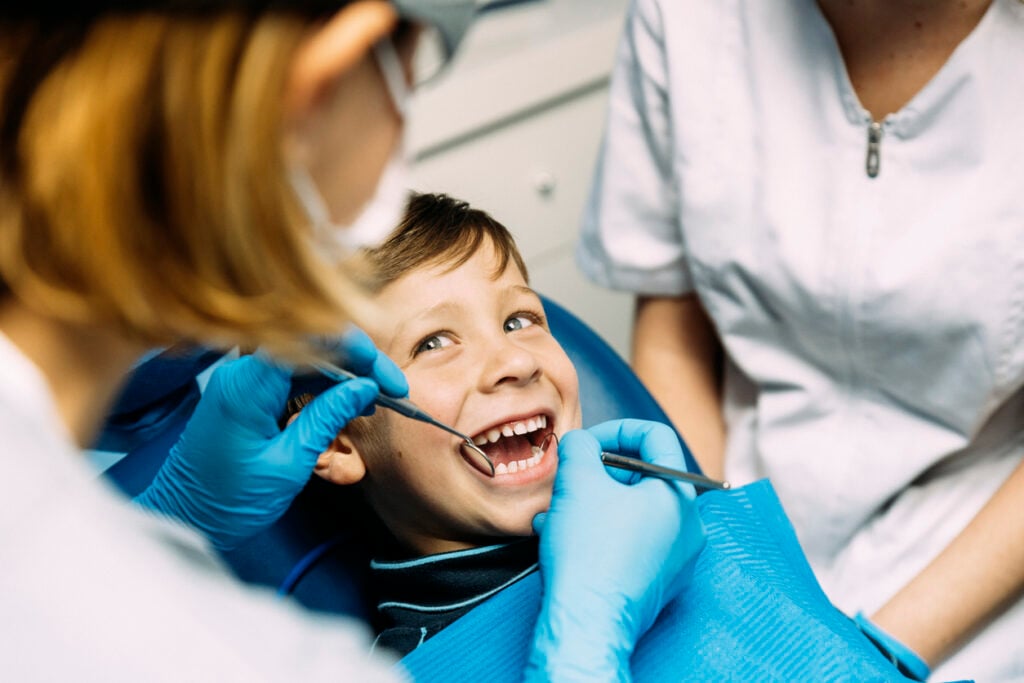
An orthodontic examination involves more than checking whether teeth look straight. The orthodontist considers the child’s bite, jaw relationship, dental development, and the spacing available for permanent teeth.
Depending on the findings, the assessment may include photographs, digital scans, dental impressions, or X-rays when clinically appropriate. These records help reveal details that cannot always be seen during a visual examination, such as the position of unerupted teeth or the relationship between the jaws.
The distinction between a dental problem and a skeletal problem is particularly important. Crowded teeth may require a different approach from a bite problem caused by the relative positions of the upper and lower jaws. Two children can have similar-looking smiles but need very different treatment plans.
Growth also influences decisions. Some interventions are more effective during particular developmental stages, while others can safely wait. A careful assessment helps determine whether treatment should begin, whether monitoring is preferable, or whether another dental concern needs attention first
The Best First Step May Be an Evaluation, Not Braces
Early orthodontic care is most useful when it responds to a genuine developmental need. Starting treatment simply because a child is young is no more appropriate than waiting until adolescence when a concern needs earlier attention.
Parents can take a balanced approach by arranging an evaluation at the recommended age, paying attention to possible warning signs, and following professional advice about monitoring or intervention. Regular dental visits also help track tooth development and identify concerns that may require specialist assessment.
Every child’s mouth develops differently, and there is no single treatment schedule that suits everyone. Some children benefit from early intervention, while others do best by waiting until more permanent teeth arrive.
The goal is not to rush childhood into braces. It is to recognise developing problems at the right time, understand the available options, and make decisions that support a healthy bite and a well-functioning smile as the child grows.