The global wildlife trade is far larger than previously understood, with new research revealing that more than 107,000 species are being used or traded around the world, raising serious concerns about biodiversity loss and the growing threat of species extinction.
A study published in Science Advances has identified 107,356 species involved in wildlife use or trade, compared with an earlier estimate of approximately 50,000 from the Intergovernmental Science-Policy Platform on Biodiversity and Ecosystem Services (IPBES).
From timber and seafood to medicinal plants, fashion accessories, ornamental fish and decorative insects, wild species are bought and sold through an enormous network of legal and illegal markets
Researchers warn that even this significantly higher figure is likely to underestimate the wildlife trade’s true scale, as vast areas of international commerce remain poorly monitored or entirely undocumented.
Led by Professor Alice Hughes from the University of Melbourne, the research draws on more comprehensive datasets and recent studies of online wildlife markets to reveal how existing monitoring systems are failing to keep pace with a rapidly changing industry.
‘The dimensions of trade have changed. Without monitoring it in a representative way, we cannot manage it,’ she said. ‘At the moment, we are completely underestimating what modern trade looks like – for the pet trade and for the ornamental trade, we are not capturing it. And it poses a major risk to species.’
A Growing Threat to Biodiversity
While wildlife trafficking is commonly associated with elephant ivory, rhino horns, pangolin scales and illegally captured exotic animals, the international wildlife trade extends far beyond these high-profile examples.

From timber and seafood to medicinal plants, fashion accessories, ornamental fish and decorative insects, wild species are bought and sold through an enormous network of legal and illegal markets.
Not all wildlife trade is environmentally destructive. Some activities are carefully managed and sustainable, supporting livelihoods and providing incentives to conserve natural habitats. However, without reliable information about which species are being traded, where they originate and how their populations are affected, determining whether that trade is sustainable becomes extraordinarily difficult.
Researchers warn that the absence of comprehensive data could allow vulnerable species to decline towards extinction before conservation authorities recognise the threat.
The study also found that the number of butterfly species recorded in trade exceeded an earlier estimate for all traded terrestrial invertebrates combined, illustrating just how much commercial activity previous assessments may have overlooked.
The Exotic Pet Trade and the Race Against Extinction
Among the fastest-changing areas of wildlife commerce is the exotic pet trade, where social media platforms and online marketplaces have made rare animals increasingly accessible to buyers around the world.
Reptiles, amphibians, spiders and insects can be advertised internationally, sometimes with little information about whether they were bred in captivity or taken directly from the wild.
For collectors, rarity can make an animal particularly desirable. For conservationists, that same rarity can make it exceptionally vulnerable.
Newly discovered species often inhabit small geographical areas and have limited populations. When their existence becomes widely publicised, demand from collectors can emerge before scientists have assessed their conservation status.
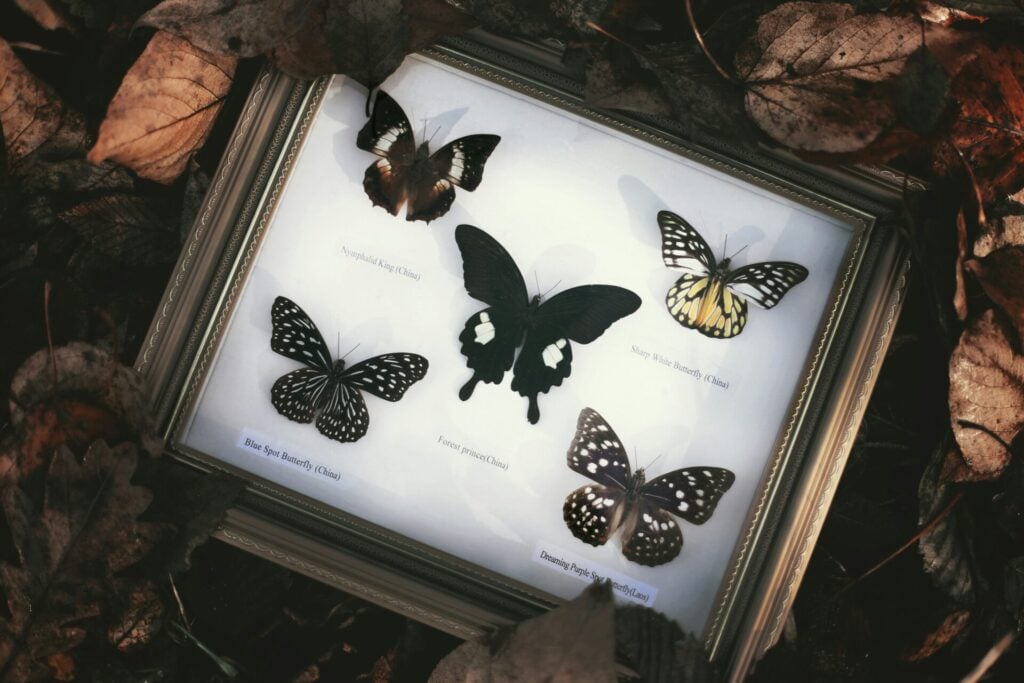
The problem extends beyond live animals. Butterflies, beetles, bats and other creatures are also traded as preserved specimens, ornaments and decorative objects.
In the United States, the Center for Biological Diversity has petitioned authorities to protect the Javan slit-faced bat under the Endangered Species Act, warning that demand for taxidermy specimens, including those marketed as gothic decorations, could threaten the species. Taxidermy bats are sought after, particularly by US consumers, who are looking for gothic or spooky decorations for Halloween or Christmas gifts, the centre said.
Are International Wildlife Laws Keeping Up?
International efforts to regulate wildlife trade are largely coordinated through the Convention on International Trade in Endangered Species of Wild Fauna and Flora (CITES), which monitors and regulates international commerce involving approximately 40,000 listed species.
Although the agreement plays an essential role in protecting vulnerable wildlife, researchers warn that its coverage and the speed at which new species receive protection are insufficient to address the full scale of modern trade.
Many countries lack comprehensive systems for recording wildlife transactions involving species not covered by CITES, leaving significant gaps in our understanding of global supply chains.
These shortcomings also threaten international conservation commitments.
In 2022, nearly 200 countries adopted the Kunming-Montreal Global Biodiversity Framework, including a target to ensure that the use, harvesting and trade of wild species are sustainable, safe and legal.
Yet researchers found that the principal indicator used to measure progress towards this target focuses on fish stocks, representing only a small fraction of all species known to be traded.
Without more comprehensive information, governments risk overlooking emerging threats until populations have already suffered serious declines.