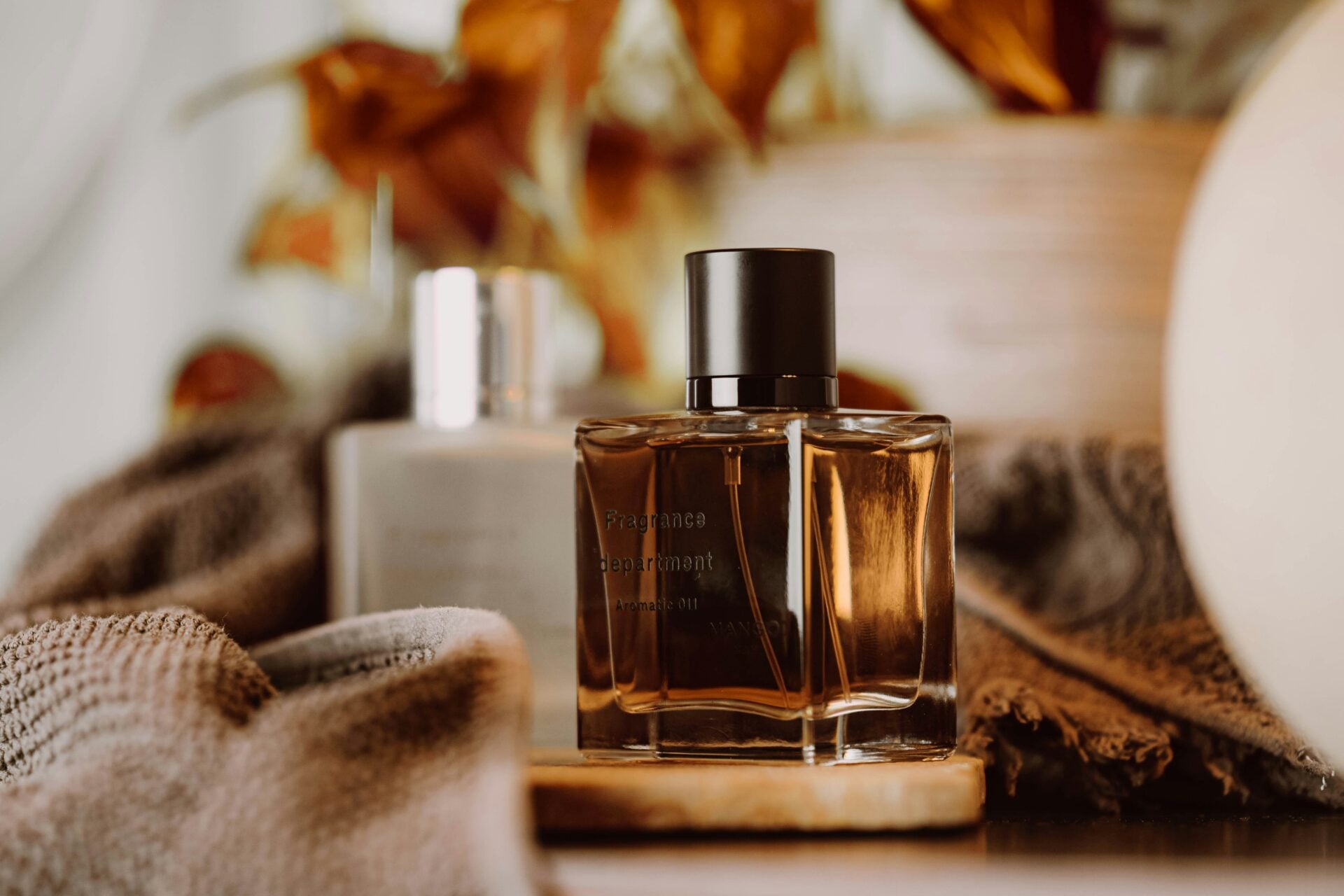
Choosing a fragrance involves more than finding a pleasant scent. Personal preferences, skin chemistry, lifestyle, climate, and the occasion all influence how a perfume performs. However, as we become more conscious of the products we purchase, sustainability in the perfume world is gaining importance.
We are increasingly interested in what goes into perfumes, where ingredients come from, and how products are packaged.
So, whether you’re exploring everyday fragrances or premium collections, it’s worth looking not just at how it smells, but how it’s made. You want to love wearing it and feel good about what’s gone into the bottle.
Understanding Fragrance Families
Perfumes are generally divided into families based on their scent characteristics. Fresh fragrances include citrus, aquatic, and green notes. Floral perfumes feature ingredients and impressions associated with rose, jasmine, iris, and other botanicals. Woody fragrances often incorporate cedar, sandalwood, and vetiver, while amber fragrances offer warmer profiles through spices and resins. Gourmand scents feature dessert-inspired notes such as vanilla and caramel.
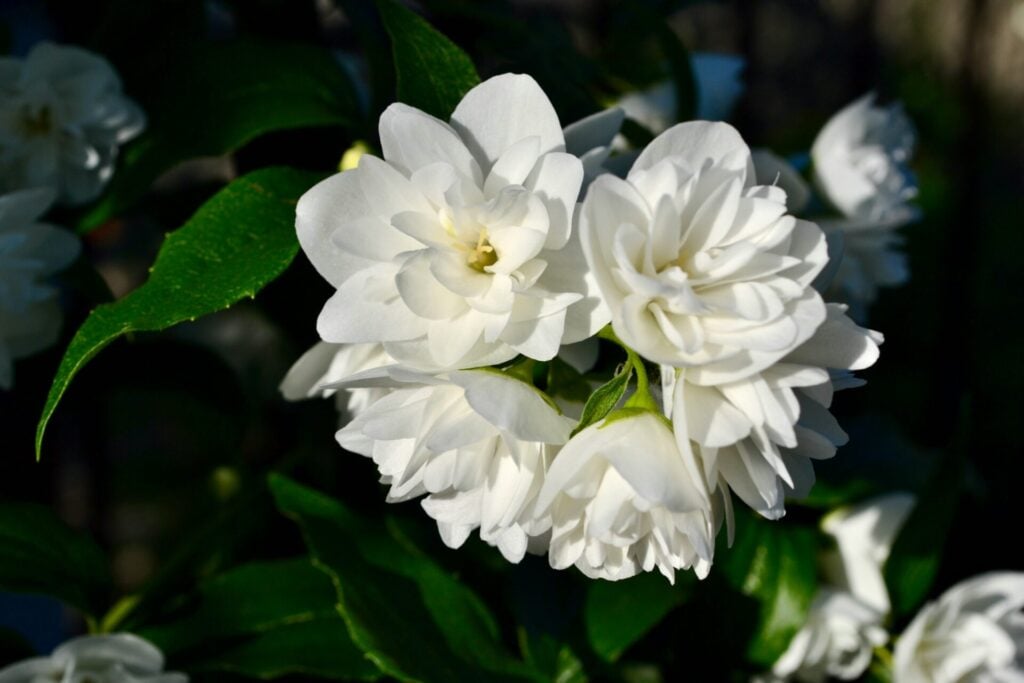
A perfume typically develops through three stages. Top notes provide the initial impression, middle notes form the heart, and base notes create the lasting character. Some listed notes describe an intended scent impression rather than a literal ingredient. A vanilla note, for instance, may be created using several aromatic compounds rather than vanilla extract.
Understanding these categories makes it easier to narrow down your choices. However, a fragrance’s scent profile doesn’t tell you everything about its ingredients or environmental impact. For example, a perfume featuring natural floral notes isn’t automatically more sustainable than one containing responsibly produced synthetic ingredients.
Responsible Ingredient Sourcing
The ingredients used in fragrance production deserve some thought. Some natural aromatic materials come from flowers, plants, wood, and other botanical sources. Their cultivation and harvesting can affect biodiversity, land use, water resources, and the communities involved in production. For example, producing just 1kg of rose essential oil can require around 3,500kg of flowers.
Responsible sourcing is therefore important. Consumers can explore whether fragrance brands provide information about ingredient origins, ethical supply chains, traceability, and their approach to protecting natural resources.
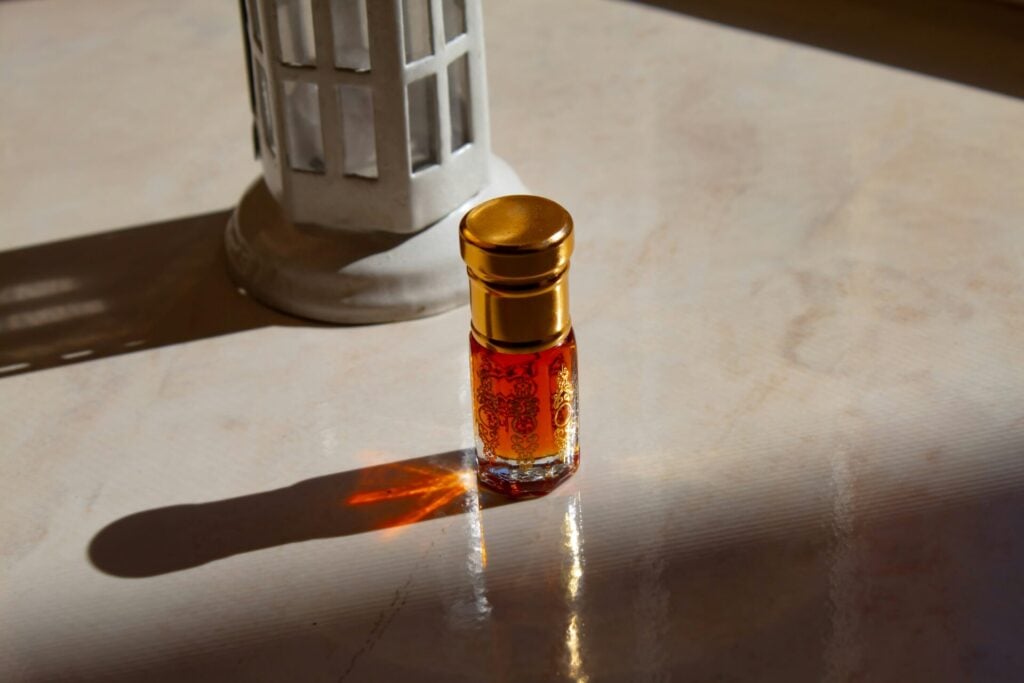
Certain botanical ingredients, such as oud, require particularly careful sourcing. Oud comes from agarwood, a fragrant, resinous wood whose high value has driven unsustainable harvesting of wild trees. Responsible cultivation, traceable supplies, and sustainable harvesting practices can reduce pressure on wild populations, while fair relationships with growers support the communities producing these ingredients.
But one of the simplest ways to buy fragrance more responsibly is to buy what you’ll actually wear. A large collection of perfumes may look lovely, but buying ones you’ll rarely use is unnecessary waste
Rather than assuming that natural always means better, look for brands that communicate clearly about their sourcing and formulation practices. Transparency provides a more useful basis for evaluating sustainability than broad marketing terms.
Conscious Consumption
Packaging is another important consideration. Traditional perfume bottles often combine glass, plastic, metal, decorative finishes, and other materials. While glass may be recyclable in many locations, additional components can complicate recycling.
Refillable perfume bottles offer one possible way to reduce packaging waste. Instead of purchasing a completely new bottle each time, consumers can reuse their original container and purchase a compatible refill.
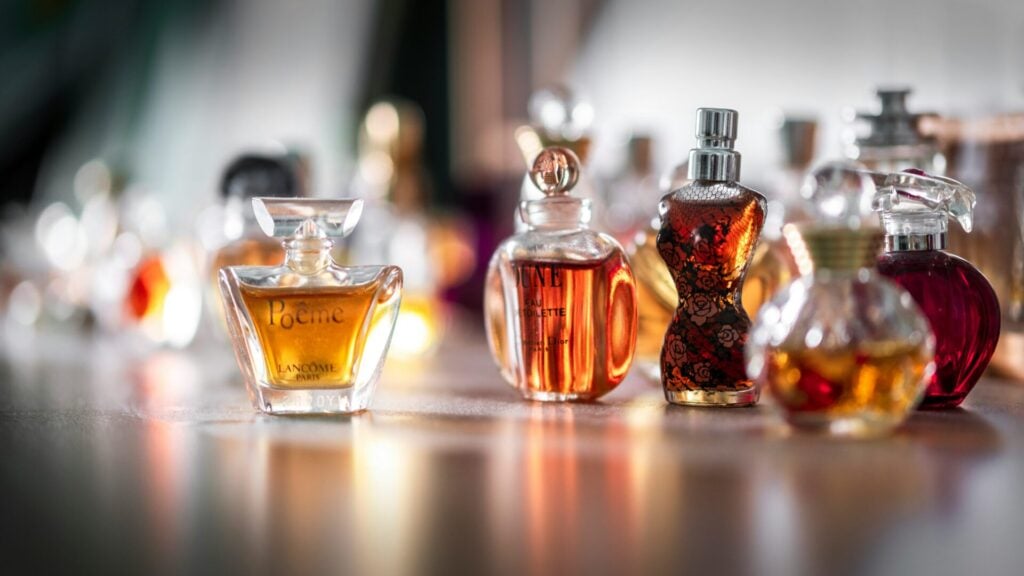
This approach can reduce the need for additional glass, caps, and outer packaging when the refill system is designed effectively and used repeatedly.
But one of the simplest ways to buy fragrance more responsibly is to buy what you’ll actually wear. A large collection of perfumes may look lovely on your side table, but buying fragrances you rarely use can lead to unnecessary waste.
Dry skin doesn’t hold fragrance as effectively as moisturised skin, so applying an unscented moisturiser beforehand may help the scent last longer
Sampling before buying a full-size bottle helps you understand how a fragrance develops on your skin and whether you genuinely enjoy wearing it over time. Smaller bottles can also be useful when trying unfamiliar fragrance profiles. They provide an opportunity to explore different scents without committing to larger quantities that may eventually remain unused.
Skin Chemistry and How to Try
The same perfume can smell different on different people. Skin moisture, natural oils, body temperature, and products applied beforehand can influence how fragrance develops.
For example, a fragrance might smell sharp and fresh on a paper testing strip but develop differently when applied to dry or moisturised skin. Dry skin doesn’t hold fragrance as well as moisturised skin, so applying an unscented moisturiser beforehand may help the scent last longer.
Try no more than two or three fragrances at a time to avoid olfactory fatigue. Stepping outside for fresh air can also help when comparing different scents, or ask a cashier for some coffee beans. They’ll usually have a bowl tucked away. If time allows, let it settle for 30 minutes; it will give you a clearer understanding of how it smells on your skin and how long it lasts.
How Much to Wear
Fragrances are commonly available as eau de cologne, eau de toilette, eau de parfum, and parfum or extrait. These categories generally indicate different concentrations of aromatic compounds.

Parfum is typically more concentrated than eau de toilette, although exact concentrations vary between manufacturers. Higher concentration doesn’t automatically mean better quality. It mainly influences fragrance intensity, character, and potential longevity.
Lighter fragrances may be suitable for warm climates and everyday office wear, while more concentrated options can be appropriate when a longer-lasting scent is preferred.
Common fragrance application points include the wrists and neck, although some people also apply perfume to clothing. Avoid rubbing your wrists together after spraying, though, as friction can affect the fragrance’s initial development. Don’t overdo it either, especially in shared environments such as offices, public transport, and healthcare settings. You don’t want to be known as the one who overwhelms others. (We all know one!)
Fragrance Safety
Sustainability shouldn’t come at the expense of product safety. Fragrance ingredients must meet applicable safety requirements when used as directed, although certain individuals may still experience irritation or allergic reactions.
It is also important to understand that natural ingredients aren’t automatically allergy-free or gentler than synthetic alternatives.
When evaluating clean beauty claims, look for transparent ingredient information and clear explanations of a brand’s formulation standards. Buzzwords such as natural, clean, and eco-friendly can mean different things depending on how they are used. Specific information about ingredients, sourcing, and manufacturing is more useful than relying on marketing descriptions alone.
A suitable fragrance should reflect your lifestyle and personal preferences. Consider your daily environment, preferred intensity, local climate, budget, and sensitivity to strong scents. Someone might prefer a subtle, fresh fragrance for everyday office wear and reserve a warmer, richer scent for evening occasions.
You do not need to compromise on fragrance quality or personal enjoyment to make more thoughtful choices. Small decisions, such as sampling before buying, choosing refillable options, and avoiding unnecessary purchases, can contribute to more conscious consumption.