Korean skincare has long captivated enthusiasts worldwide with its innovative products and time-honoured traditions. However, in today’s environmentally conscious landscape, consumers are seeking more than just flawless skin; they crave products that reflect their commitment to the planet.
For all the talk of natural botanicals and planet-friendly packaging, skincare comes with an environmental footprint. There are ingredients to cultivate and process, water and energy used in manufacturing, packaging to produce and dispose of, and products shipped across the world. And while a glass jar or recyclable bottle might look reassuringly green on a bathroom shelf, neither automatically makes a product sustainable.
Is Korean Skincare Really Sustainable?
From double cleansing and toners to essences, serums, ampoules and sleeping masks, the famous multi-step Korean skincare routine can quickly turn into a crowded bathroom cabinet.
Of course, not everyone follows a ten-step routine, and Korean skincare isn’t inherently more wasteful than Western beauty. The bigger issue is overconsumption, wherever the products come from.

Fortunately, there are encouraging developments. Some Korean beauty brands are introducing refillable products, incorporating recycled materials into their packaging and paying closer attention to animal testing and ingredient sourcing. Innisfree, for example, now offers refill options for several products, including its popular Green Tea Seed Hyaluronic Serum.
But sustainability isn’t a label that can be earned through one good initiative. A brand might offer vegan formulations while still relying heavily on disposable packaging, or use recycled materials without addressing the overall quantity of products it sells.
The most meaningful progress comes when companies consider their environmental impact across the entire product lifecycle, rather than focusing on whichever green credentials look most attractive on the packaging.
So, with that in mind, we’ve done some of the legwork for you. From refillable packaging and cruelty-free formulations to more responsibly sourced ingredients, here are five Korean skincare brands making an effort to turn their environmental promises into meaningful action.
Haruharu Wonder
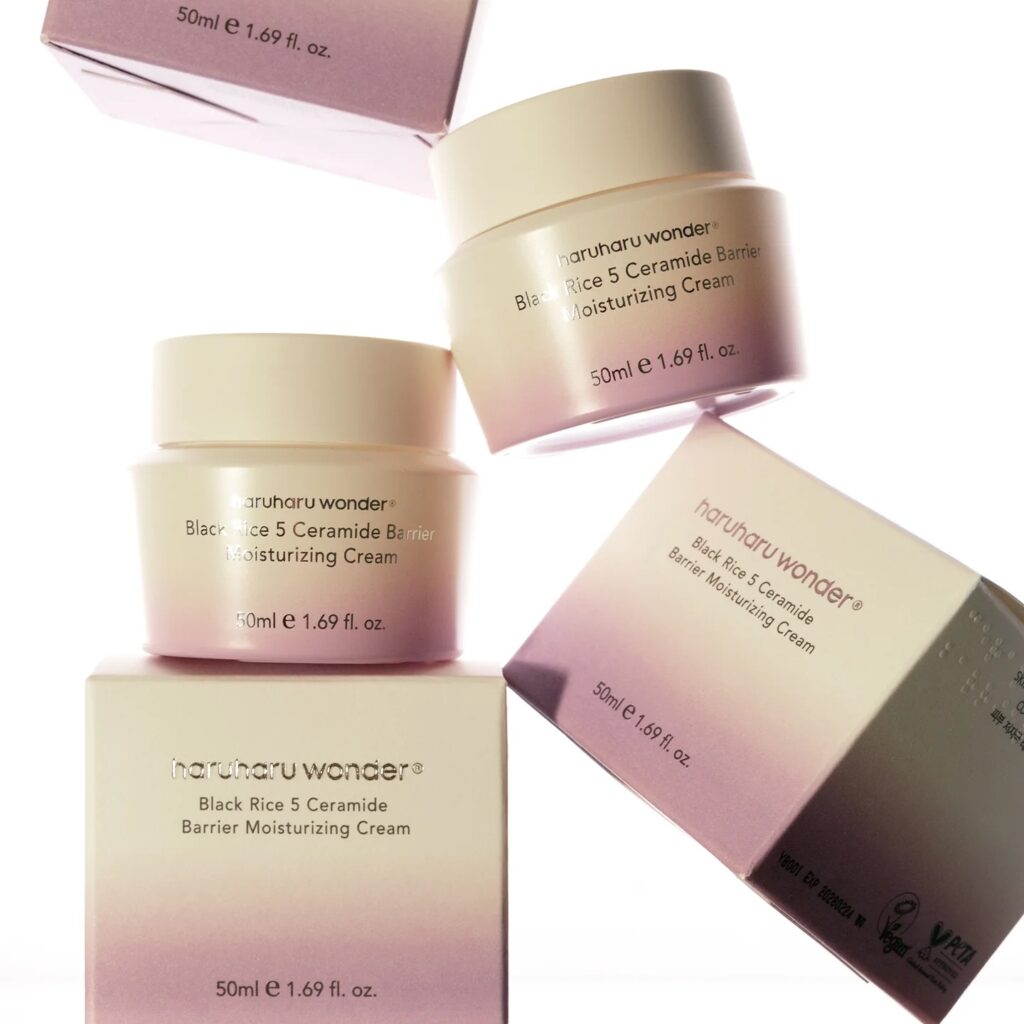
With its minimalist formulations, fermented botanical ingredients and growing international following, Haruharu Wonder has become one of Korean beauty’s most recognisable names. Best known for its Black Rice collection, Haruharu Wonder uses traditional fermentation techniques and modern skincare science, creating products designed to support the skin’s natural barrier.
The brand also places considerable emphasis on responsible beauty practices. Its products are vegan and cruelty-free, while its packaging initiatives include FSC-certified paper materials and efforts to reduce unnecessary packaging. Among its most popular products is the Black Rice Hyaluronic Toner, a lightweight, hydrating formula featuring fermented black rice extract and hyaluronic acid.
Innisfree
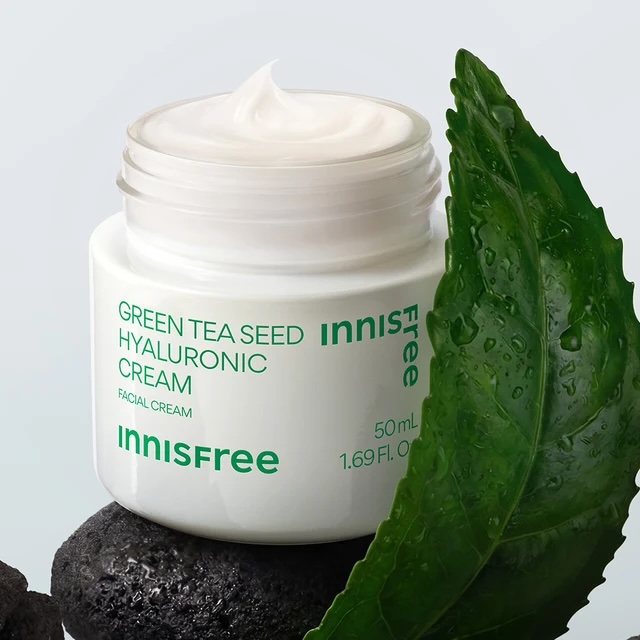
Innisfree, a leading Korean skincare brand, has garnered global acclaim for its unwavering commitment to sustainability and the use of natural ingredients. Inspired by the tranquil beauty of Jeju Island, utilising this pristine island’s natural resources is central to the Innisfree concept.
Jeju Island has a wealth of nutrients excellent for developing beautiful skin due to its volcanic origins. The best natural ingredients are obtained ethically by Innisfree from this oasis. This focus on natural sourcing ensures that their products are not only effective but also gentle on the skin. Best-sellers include the Green Tea Hyaluronic Acid Serum and the Pore Clearing Clay Mask 2X.
Innisfree has expanded its efforts to reduce packaging waste, introducing refill options for products including its Green Tea Seed Hyaluronic Serum. The brand also incorporates recycled plastic and glass into selected packaging and uses FSC-certified paper for its outer cartons. In February 2024, Innisfree received PETA’s Beauty Without Bunnies cruelty-free certification.
The brand’s commitment to purity is demonstrated by its unique extraction techniques, which guarantee that these healthy compounds maintain their integrity from ‘plant to bottle.’ A genuine respect for the environment lies at the heart of the Innisfree ethos. The business takes its name from William Butler Yeats’ beautiful poem ‘The Lake Isle of Innisfree,’ which expresses a desire for a tranquil island where the bounty of nature can be genuinely enjoyed, capturing the character of Jeju Island.
Whamisa
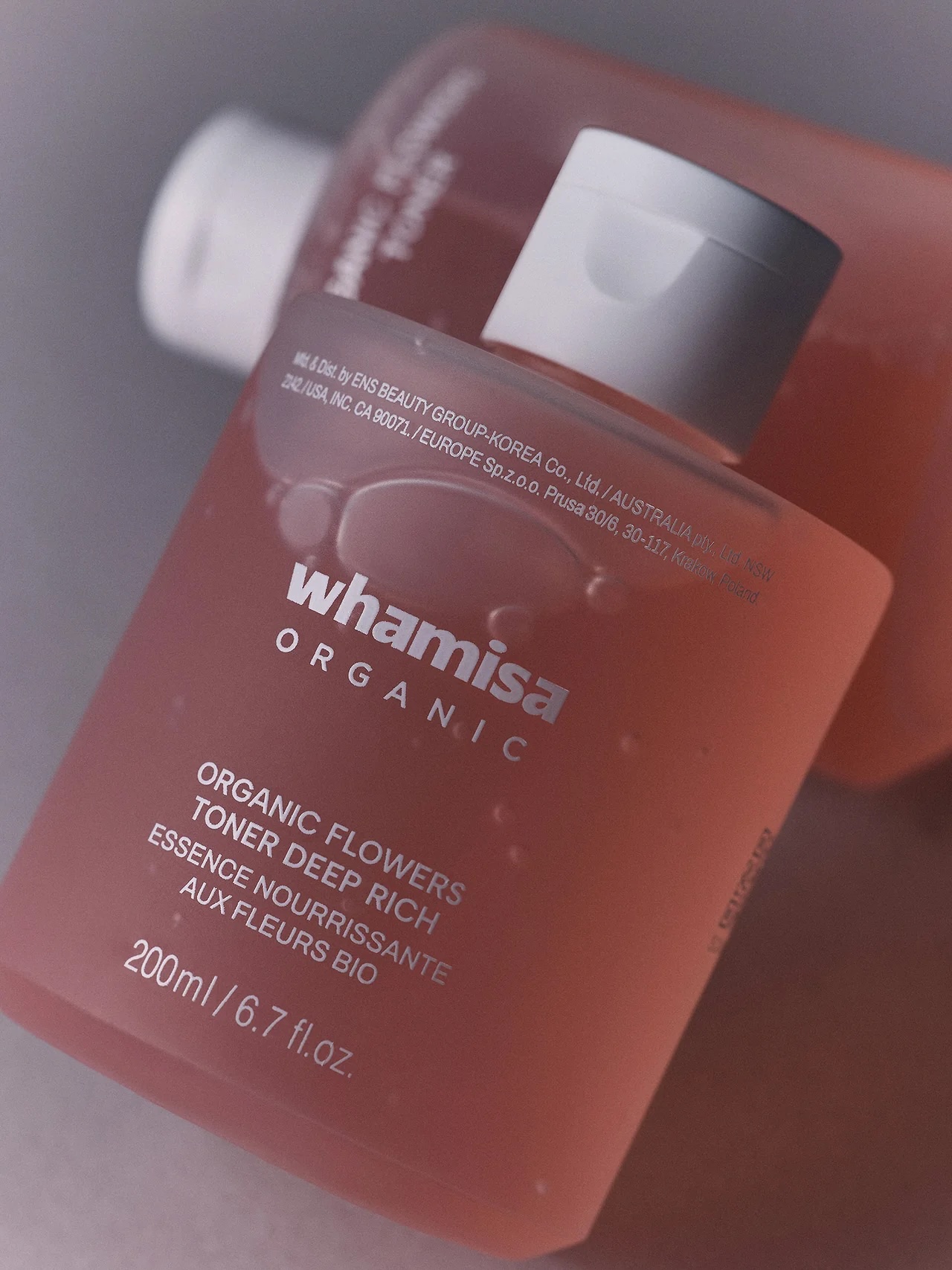
Whamisa stands as a trailblazer in the realm of Korean skincare taking pride in being the owner of an inaugural Korean organic-certified facility. Their research laboratory has consistently led the way in innovative skincare practices, integrating the art of organic fermentation in formulations.
This unique process harnesses the power of naturally fermented ingredients to enhance product efficacy and environmental sustainability. This is exemplified in products like the Whamisa Organic Flowers Deep Rich Essence Toner and the Whamisa Organic Flowers Foaming Gel, both formulated with fermented flower extracts.
Whamisa has creatively implemented a secure and efficient technique of natural preservation that is modelled after the ancient Korean method of wrapping freshly cooked rice cakes in leaves. This age-old custom passed down for generations, serves as the basis for their skincare preservation.
This method makes use of the nanoparticles that are present in plants. By filling up minuscule microscopic spaces between the oil and water layers, these nanoparticles maintain the integrity of the chemicals in their skincare products by successfully shielding the items from water and light, maintaining their freshness and potency throughout time.
AROMATICA
Founded in South Korea in 2004, the vegan beauty company has made reducing waste, improving recyclability and encouraging customers to refill central to its approach. And AROMATICA has some impressive figures to back up its ambitions. In 2024, 55 per cent of the plastic used in its packaging came from recycled sources and offers 27 refill packs. It has also introduced refill systems in approximately 100 hotels and accommodation properties, helping reduce reliance on miniature disposable toiletries.
The brand’s environmental ambitions extend to its manufacturing facilities, where rooftop solar panels supply a portion of its electricity, while water-saving measures and energy-efficiency improvements aim to reduce its operational footprint. AROMATICA is also a Certified B Corporation, having achieved a B Impact Score of 83, providing an additional measure of accountability beyond its own environmental claims.
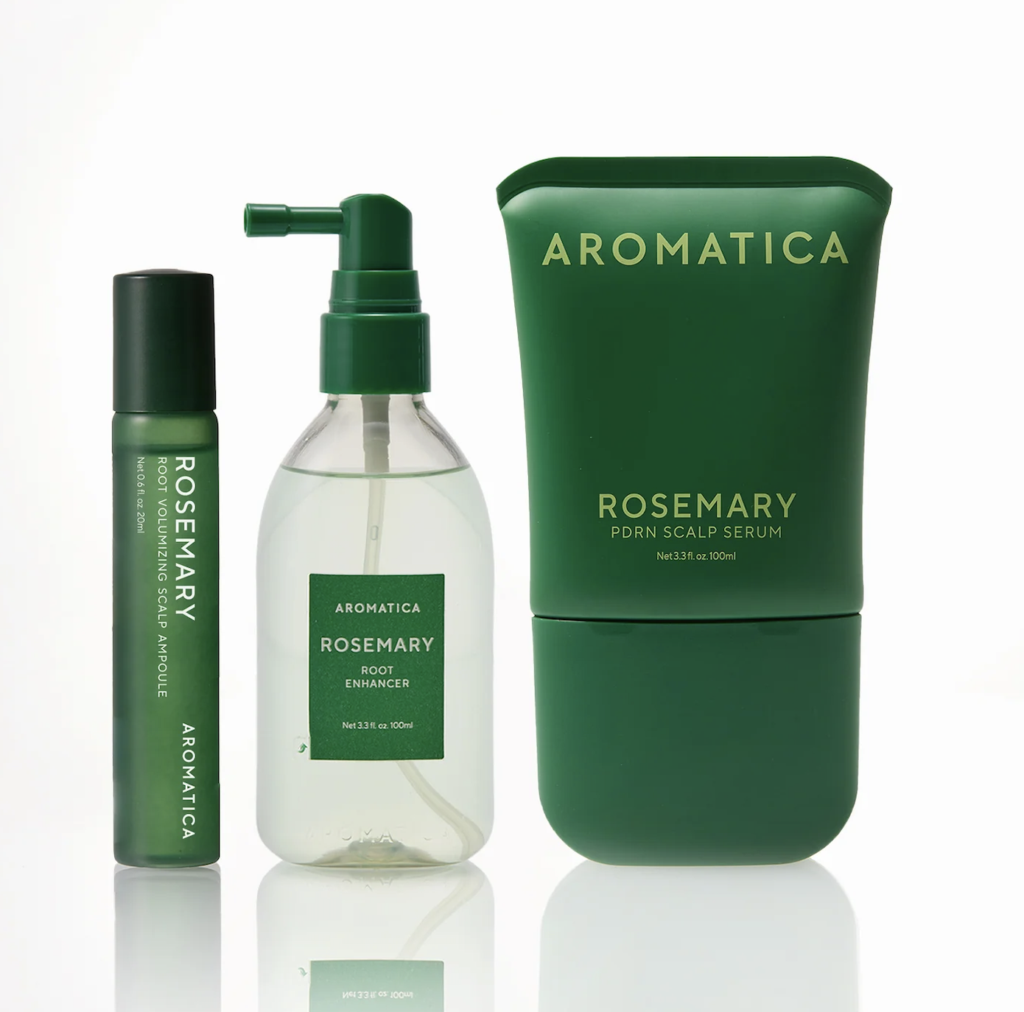
One of their bestsellers is the Rosemary PDRN Root Care Set, a three-step scalp treatment that nourishes the roots and supports healthier-looking hair. The collection includes a lightweight Rosemary Root Enhancer for everyday use, a roll-on ampoule for targeted attention around the hairline and parting, and a scalp serum formulated with PDRN and vegan spicules to help improve ingredient absorption.
PURITO
At the heart of PURITO’s philosophy lies the recognition that sustainable practices are not only crucial for the planet but also for our skin’s health and vitality. Utilising PCR (post-consumer recycled materials) is one of its most significant endeavours. By lowering the amount of energy and fossil fuels needed for production, this strategy helps to reduce resource waste and damage to the planet. Additionally, PCR components can be recycled once again after use, forming a sustainable loop.
Now operating as PURITO SEOUL, the brand states that all its products are vegan and cruelty-free and that its ingredient suppliers do not conduct animal testing. Its website also provides a QR-code authentication system to help customers verify that products are genuine.
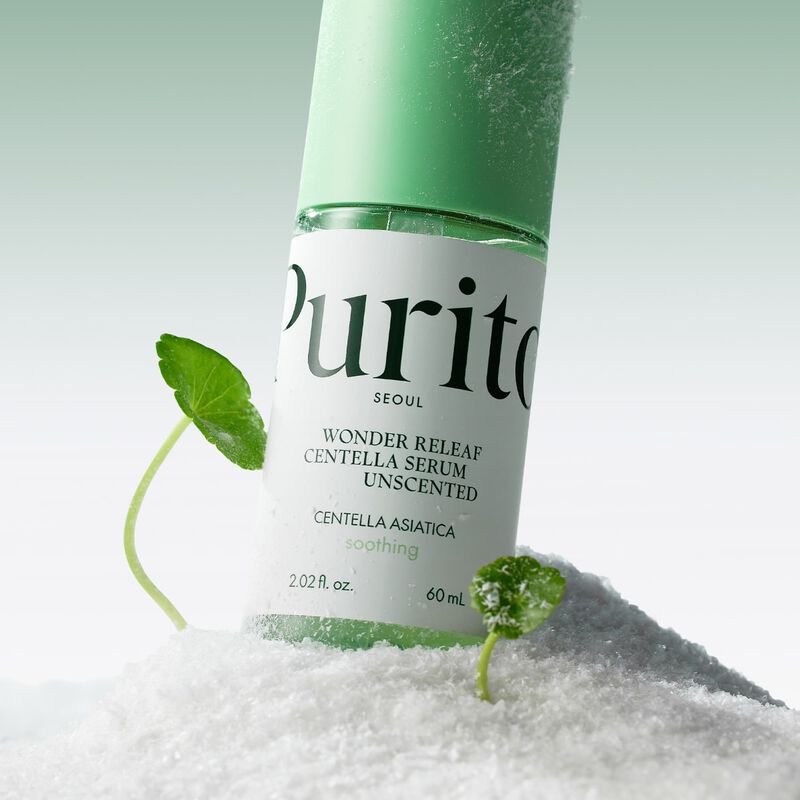
One of the most popular items from this Korean skincare brands is the Centella Unscented Serum, formulated not only to calm but also to help strengthen, protect, and hydrate the skin barrier. This lightweight serum is formulated with no essential oils or artificial fragrances and contains 49 per cent Centella Asiatica Extract to soothe the skin.
Their efforts extend to the materials used in their packaging, which includes a box made from recycled sugarcane fibre and labels printed with soy-based ink, making the entire package readily recyclable.
COSRX
This Korean skincare brand has taken several environmentally friendly initiatives to reduce its eco footprint. They prioritise sustainability through eco-friendly packaging, featuring minimalist designs that reduce excess materials. Additionally, COSRX is a cruelty-free brand and has vegan-friendly options.
Another key aspect of COSRX’s commitment to sustainability is its use of minimalist formulas. They prioritise effective, no-nonsense skincare by avoiding unnecessary additives and focusing on essential ingredients. Their products don’t contain any parabens, artificial fragrances, artificial dyes, alcohol, mineral oils or essential oils.
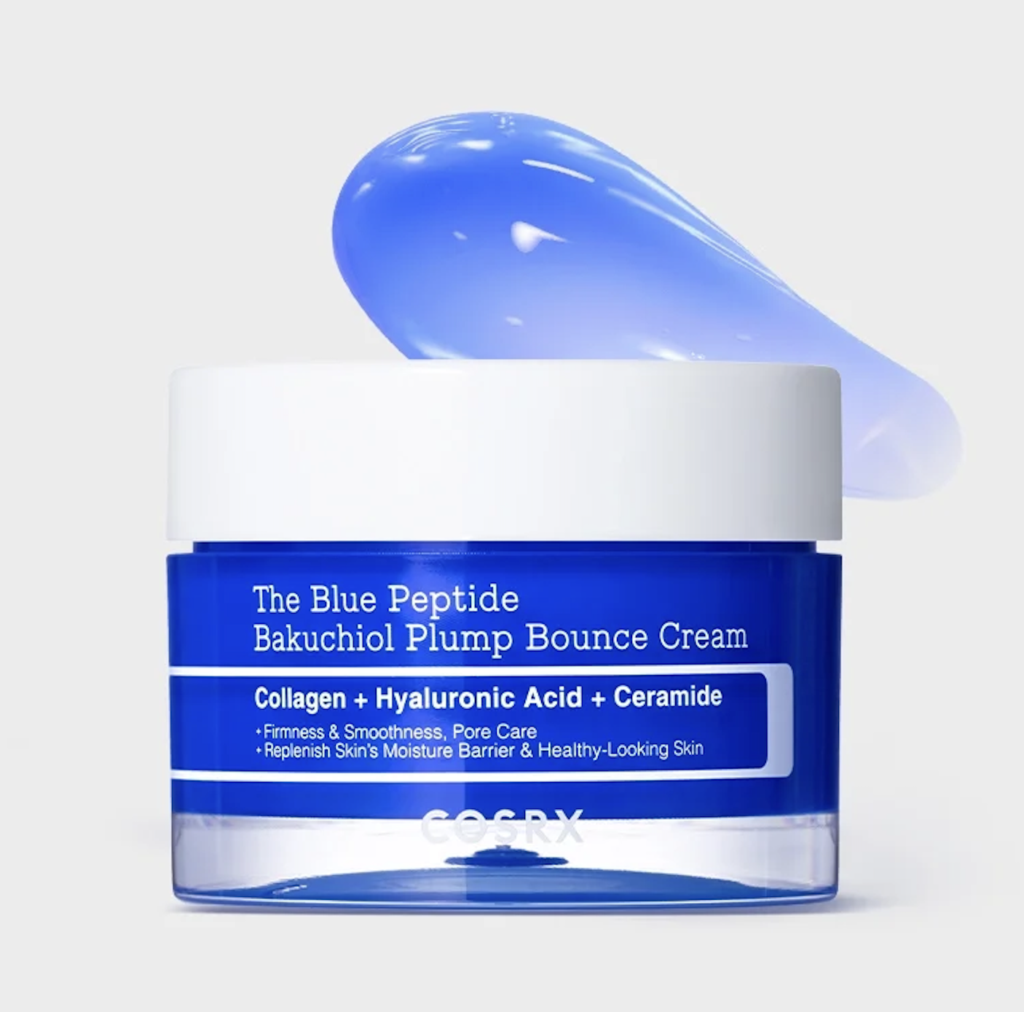
One of COSRX’s standout products is The Blue Peptide Bakuchiol Plump Bounce Cream, a lightweight, deeply hydrating moisturiser designed to improve skin firmness and elasticity without leaving a greasy residue. Formulated with copper peptides, bakuchiol – a plant-derived alternative to retinol – and ceramides, the cream helps support the skin’s moisture barrier while targeting the appearance of fine lines.
Editor’s note: Originally published on April 27, 2023, by Sarah Daggett. This article was reviewed, expanded and updated by The Ethicalist editorial team in November 2026 to include additional information on sustainable skincare practices and responsible purchasing.